
Great Dane Refrigerated Trailers For Sale
Shop Great Dane refrigerated trailers with 53' tandem air ride specs, proven insulation systems, and Thermo King or Carrier reefer options.
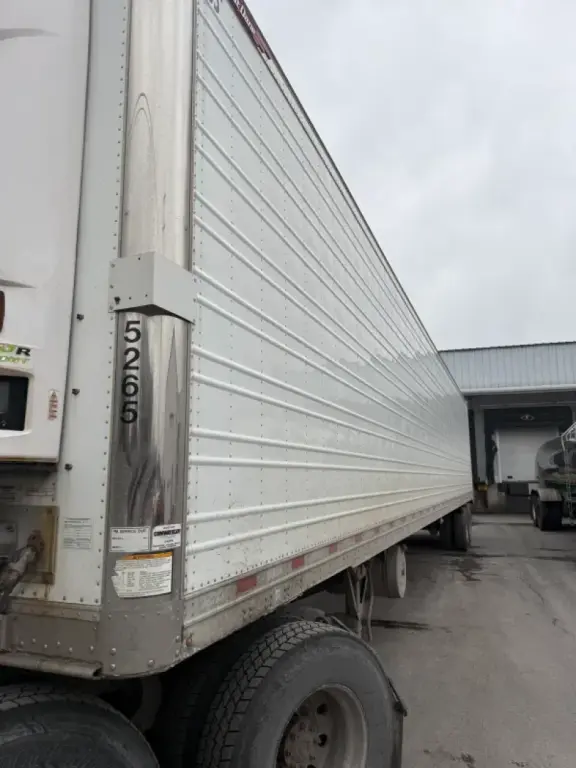
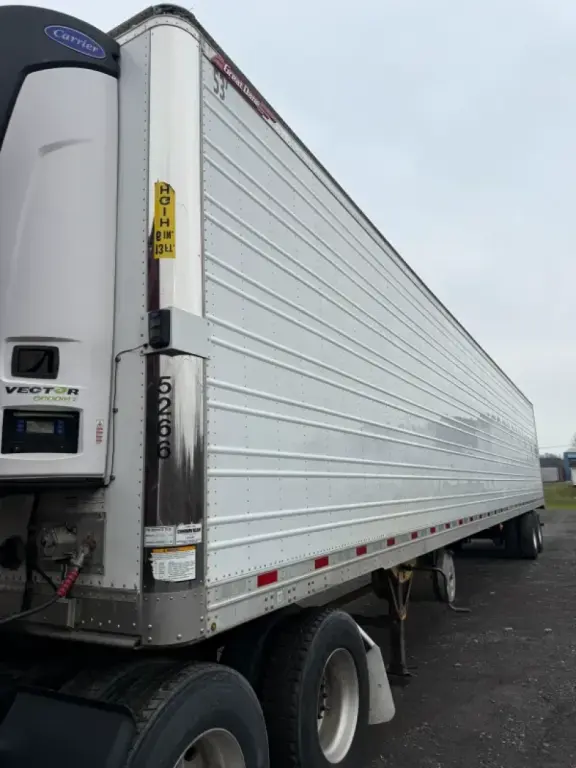

Selling a great dane refrigerated trailer? List your great dane refrigerated trailer for sale and reach thousands of commercial buyers.
Great Dane Refrigerated Trailers
Construction details are where many buying decisions get made. Great Dane reefers are known for insulated wall systems and interior liner options such as ThermoGuard or Bulitex, along with duct or chute configurations that help maintain airflow from the front to the rear of the trailer. Rear door construction, floor condition, and signs of past moisture intrusion deserve close attention on any used reefer. Stainless rear frames and doors, aluminum roofs, aluminum duct floors, and scuff-resistant interior surfaces can all add value in high-cycle food service or retail distribution work. If your freight profile includes pallets loaded hard against the walls, check liner condition and floor wear carefully, especially around high-traffic forklift zones.
Spec choices should match lane profile and customer requirements. Air ride is standard for most fleet-spec Great Dane refrigerated trailers because it protects cargo and helps hold resale value. Sliding tandems remain important for bridge compliance and dock flexibility across different states. Tire size, wheel material, and added systems such as PSI tire inflation can affect maintenance cost over time, while side skirts may improve fuel economy in long-haul service. Reefer fuel tank size, cold chute setup, and the specific refrigeration model also matter if the trailer will run multi-stop routes, deep-frozen freight, or temperature-sensitive produce where pull-down performance and steady airflow are critical.
The best used Great Dane reefer is usually the one with the clearest maintenance story. Buyers should compare reefer unit hours, verify PM records, inspect brake and suspension components, and confirm the box still seals and cools the way it should under load. Look closely at door seals, evaporator condition, bulkhead or chute setup, axle and slider condition, floor flatness, and tire wear patterns. For operations that depend on compliance, it is also smart to confirm unit calibration, download capability, and any customer-specific requirements for food-grade hauling. Great Dane refrigerated trailers hold strong appeal in the secondary market because they are widely accepted, easy to spec for mainstream freight, and familiar to technicians across major reefer service networks.
Frequently Asked Questions about Great Dane Refrigerated Trailers
What are the most common specs on a Great Dane refrigerated trailer?
Most Great Dane refrigerated trailers on the used market are 53 feet long, 102 inches wide, tandem axle, and equipped with air ride suspension and sliding tandems. Common features include swing rear doors, aluminum or stainless rear structures, insulated liner systems, duct floors or cold chutes, and Thermo King or Carrier refrigeration units. Overall height is often 13 feet 6 inches, which fits standard over-the-road refrigerated freight applications.
How important are reefer unit hours on a used Great Dane reefer trailer?
Reefer unit hours are one of the first numbers to review because they reflect engine and refrigeration system use more directly than trailer model year alone. A trailer can have a clean box and still need major unit work if hours are high and service history is weak. Buyers should compare unit hours with maintenance records, recent repairs, calibration status, and operating performance during a pre-purchase inspection. Lower hours are attractive, but documented upkeep often matters more than the number by itself.
What should I inspect before buying a used Great Dane refrigerated trailer?
Start with the box integrity and cooling performance. Check the floor for soft spots, patches, or heavy forklift wear, inspect the interior liner for punctures or delamination, and look at the roof, front wall, and rear frame for signs of impact or moisture intrusion. Confirm the rear doors seal tightly, inspect the chute or duct system, and review the reefer unit for leaks, alarm history, and proper temperature pull-down. Also inspect the suspension, slider rails, brakes, tires, hubs, and wheel ends because reefer trailers often run high-mileage regional and long-haul routes.
Are Great Dane refrigerated trailers good for produce and frozen freight?
Yes. Great Dane refrigerated trailers are widely used in both produce and frozen applications when the unit capacity, airflow design, and insulation package match the freight. Produce operations often depend on a good chute or duct setup for even airflow, while frozen freight requires strong insulation, tight door seals, and a reefer unit that can maintain low set points consistently. The trailer's condition matters as much as the brand, especially if cargo claims or strict receiver standards are part of the business.
What makes one Great Dane reefer trailer more valuable than another?
Value usually comes down to a combination of trailer age, reefer unit make and hours, maintenance documentation, and overall box condition. Features such as aluminum wheels, tire inflation systems, stainless rear doors, air skirts, and recent brake or suspension work can improve appeal and reduce near-term expenses. A straight trailer with a dry, clean interior, solid floor, healthy reefer unit, and verifiable service records will generally command more attention than a newer trailer with weak documentation or visible structural wear.