
2019 Refrigerated Trailers For Sale
Shop 2019 refrigerated trailers with modern reefer units, air ride, swing or roll doors, and specs suited for food, pharma, and cold-chain freight.
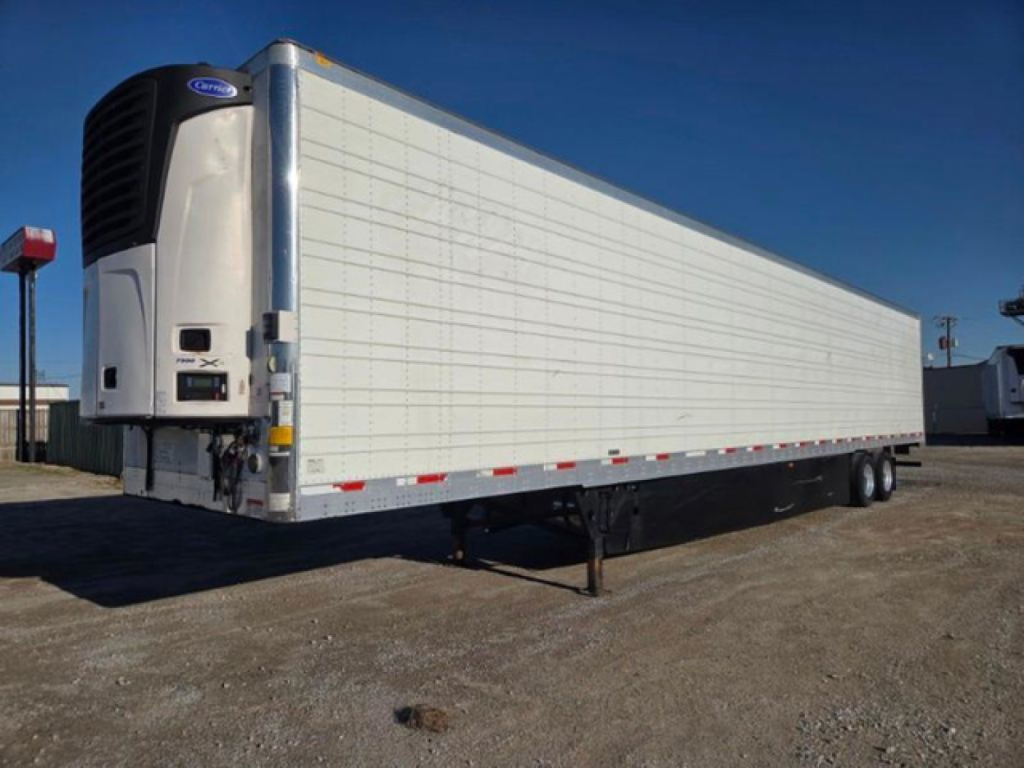
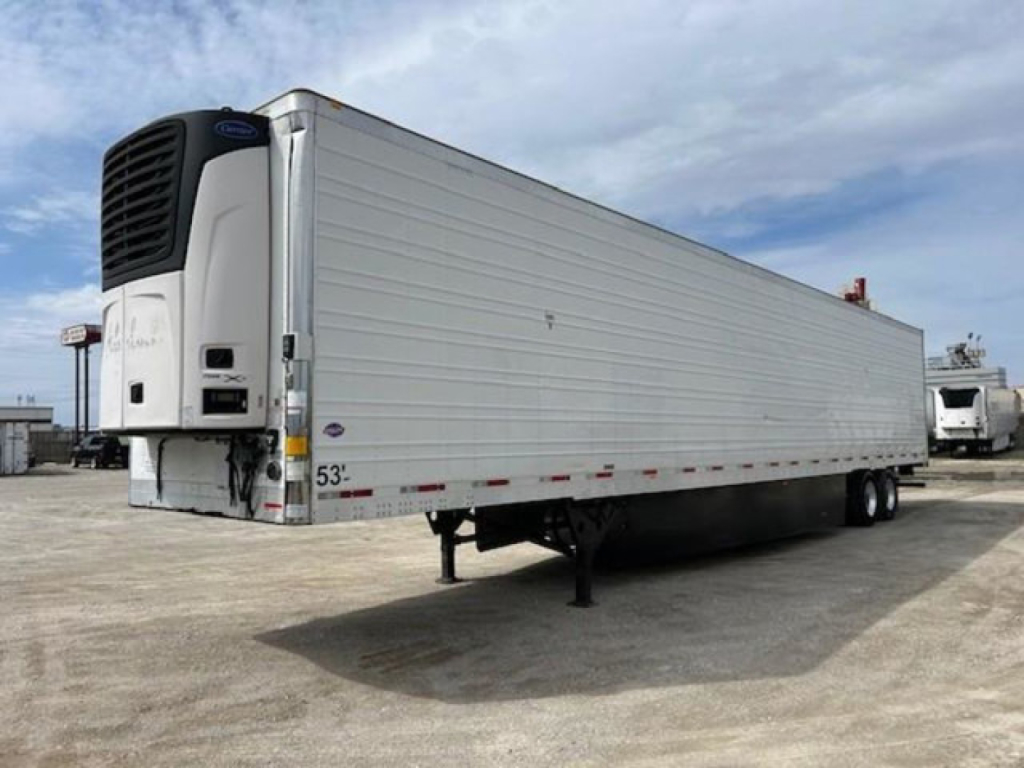
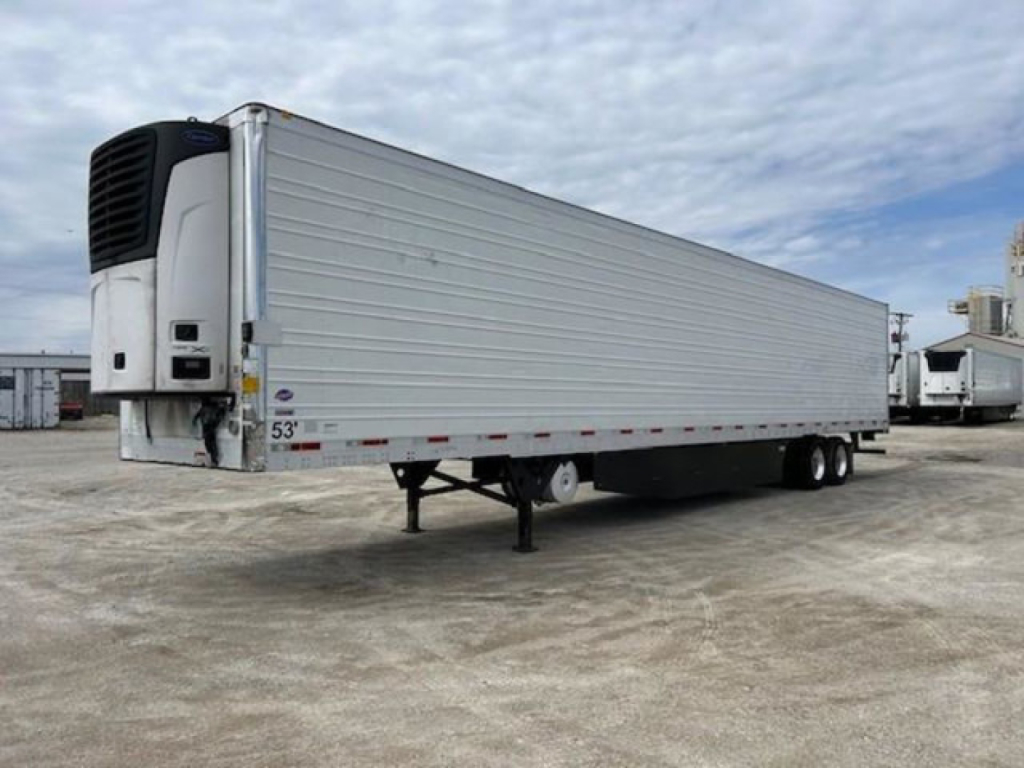

Selling a 2019 refrigerated trailer? List your 2019 refrigerated trailer for sale and reach thousands of commercial buyers.
2019 Refrigerated Trailers
The reefer unit deserves the closest look. Unit model, engine hours, electric standby if equipped, maintenance history, and return-air performance tell you more than appearance alone. For a 2019 refrigerated trailer, it is common to evaluate whether the unit has been used in long-haul grocery work, multi-stop distribution, or lighter seasonal lanes, since duty cycle affects wear on the diesel engine, evaporator, bulkhead area, and doors. Buyers should also inspect the air chute, floor condition, drain condition, interior lining such as Kemlite or composite panels, and the rear frame area for impact or corrosion. On multi-temp or specialized applications, pay close attention to bulkhead setup, door seals, and how well the trailer holds setpoint under repeated door openings.
Body construction and running gear matter just as much as the refrigeration package. Many 2019 reefer trailers from major builders like Utility, Great Dane, Hyundai, and Wabash were spec'd with aluminum roofs, swing doors or roll-up rear doors, sliding tandem suspensions, and 22.5 low-profile tires. Air ride remains the preferred suspension for protecting sensitive cargo and helping maintain ride quality over long miles. Tire condition, brake life, wheel-end service records, and suspension wear should be checked alongside kingpin wear, crossmember condition, and the integrity of the front wall and roof. If the trailer will be used in heavy dock operations, grocery distribution, or meat and produce lanes, details like scuff band height, door hardware durability, and floor rating have a direct effect on long-term operating cost.
For many carriers and owner-operators, a 2019 reefer hits a practical middle ground: new enough to support current compliance and shipper expectations, old enough to make acquisition cost more manageable. It is a common fit for produce, frozen food, dairy, floral, pharmaceutical support lanes, and general temperature-sensitive freight. The best buying decision usually comes down to matching reefer hours, trailer condition, insulation integrity, and door configuration to the freight you actually haul. A clean 2019 refrigerated trailer with documented service history and a well-maintained unit can still offer years of reliable cold-storage and over-the-road performance.
Frequently Asked Questions about 2019 Refrigerated Trailers
What should I check first on a 2019 refrigerated trailer?
Start with the refrigeration unit model, engine hours, service records, and proof that it can reliably hold setpoint. After that, inspect insulation-related components such as door seals, interior lining, floor condition, air chute, and bulkhead area. A reefer trailer can look clean outside and still have expensive issues if the unit is weak, the doors leak, or the floor and lining have been damaged by heavy forklift traffic.
Is a 2019 refrigerated trailer a good age for fleet or owner-operator use?
Yes, 2019 is often considered a practical age range because it is modern enough for many shipper requirements while still offering better value than newer model years. Buyers often find current-spec features such as air ride, sliding tandems, tire inflation systems, and late-generation Thermo King or Carrier units. The real value depends on reefer hours, maintenance discipline, and how hard the trailer was used in distribution service.
What reefer unit brands are most common on 2019 reefer trailers?
Thermo King and Carrier are the two brands most buyers will see most often. Both have broad dealer support, common parts availability, and established service networks across major freight corridors. When comparing trailers, the condition and maintenance history of the unit usually matter more than brand alone, especially if the trailer will be running long-haul food or multi-stop delivery routes.
Which trailer specs matter most for refrigerated freight?
The key specs are trailer length, suspension type, tandem setup, floor design, rear door style, interior lining, and reefer unit capacity. Most over-the-road applications center on 53-foot tandem axle trailers with air ride and sliding tandems. Floor and lining choices matter for sanitation, airflow, and forklift durability, while swing doors versus roll-up doors can affect dock sealing, cargo access, and temperature retention.
How do I know if a 2019 reefer trailer was maintained properly?
Look for documented preventive maintenance on the reefer unit, records of annual inspections, and evidence of recent work on brakes, tires, wheel ends, and suspension components. Check the box for patched lining, damaged scuff areas, soft floor spots, and signs of water intrusion around doors or the front wall. A well-maintained reefer trailer usually shows consistency across the whole unit, not just a recently serviced refrigeration engine.