
2019 Refrigerated Trailers For Sale in Iowa
Shop 2019 refrigerated trailers in Iowa. Compare reefer specs, insulation, floor type, reefer unit hours, suspension, and door options.
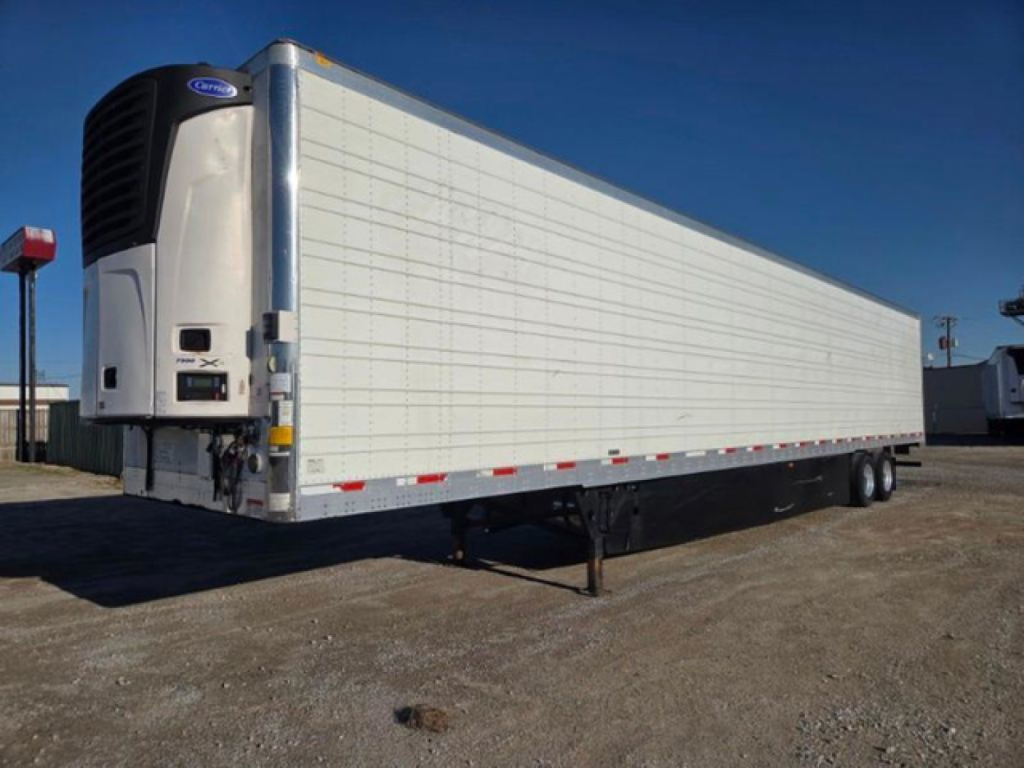
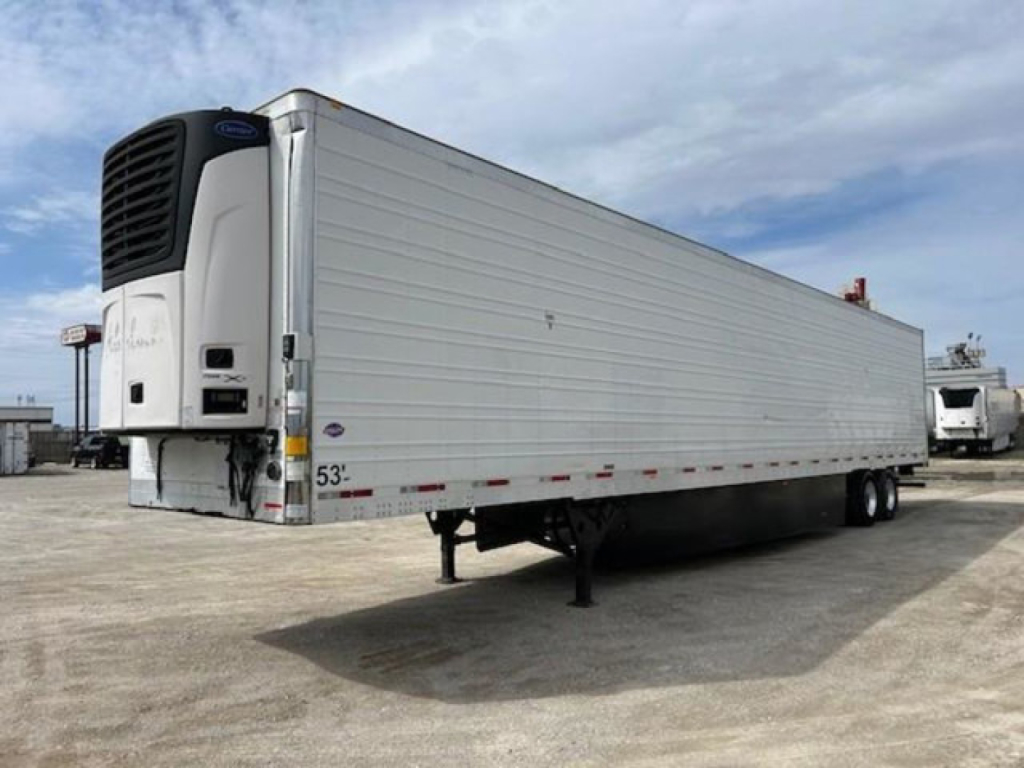
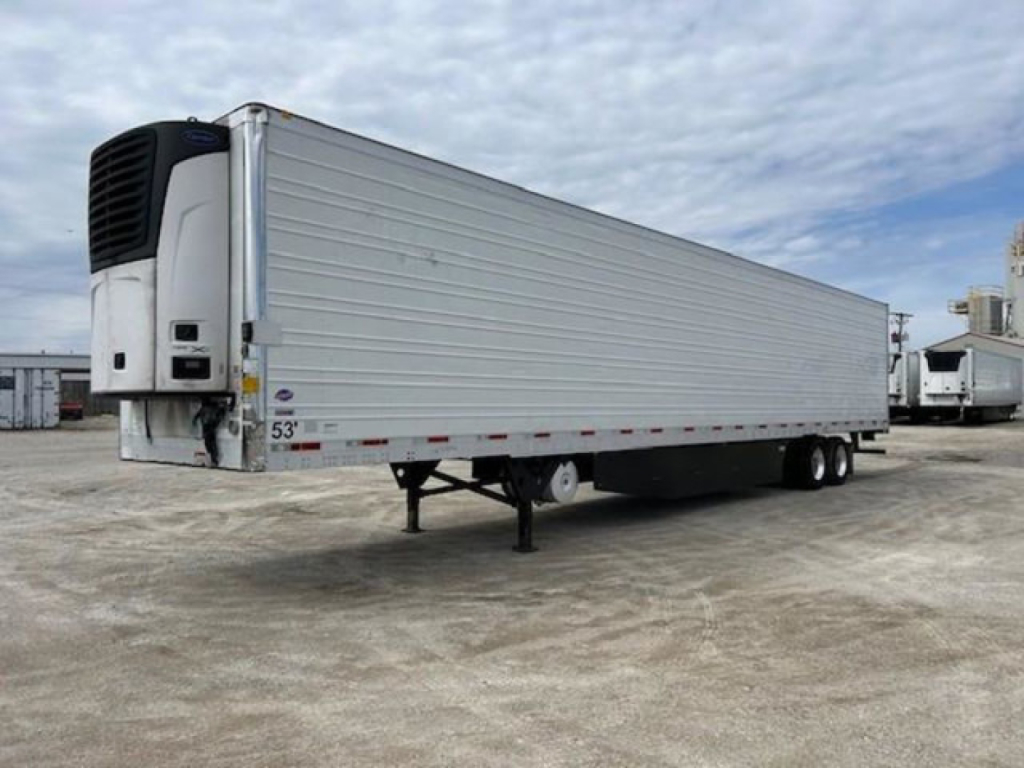

Selling a 2019 refrigerated trailer? List your 2019 refrigerated trailer for sale and reach thousands of commercial buyers.
2019 Refrigerated Trailers in Iowa
The refrigeration unit deserves the closest look. Buyers should compare engine hours, unit model, service records, pull-down performance, and whether the trailer has been running continuous or start-stop operation. Common units in this age range include Carrier and Thermo King systems, and condition matters more than brand alone. Pay attention to evaporator performance, fuel tank condition, controller functions, and any alarm history. Interior specs also affect usefulness. Lining material, insulation condition, and floor design all play into washout time, airflow, and durability under pallet jack traffic. A flat aluminum floor, duct floor, or integrated air chute setup can change how well the trailer handles mixed loads, frozen freight, or high-turn grocery work.
Suspension, axle configuration, and tire condition matter because reefer trailers are heavy before they are loaded. Air-ride suspension is common and preferred for ride quality and cargo protection. Sliding tandems help with bridge law and dock positioning, while wheel and tire package choice can affect maintenance cost and tare weight. Door style is another practical buying point. Swing doors remain standard for full-width loading and strong seal performance, but some specialized units may have roll-up or side-door configurations for route delivery or niche applications. Buyers should also inspect scuff liners, drain setup, rear frame condition, crossmembers, and signs of floor soft spots or moisture intrusion around the front wall and roof seams.
For 2019 refrigerated trailers, the best value usually comes from matching the trailer's prior life to the next job. A trailer that spent its life in long-haul frozen service may show different wear than one used in multi-stop food distribution. In Iowa, seasonal temperature swings make door seals, unit reliability, and insulation integrity especially important. If the freight includes pharmaceuticals, fresh protein, or other high-claim cargo, tighter attention to calibration records, temperature recording capability, and trailer cleanliness standards is warranted. Also known as reefer trailers, these units are built for freight that cannot tolerate heat, freezing, or inconsistent airflow, and a careful spec review will usually tell you more than the model year alone.
Frequently Asked Questions about 2019 Refrigerated Trailers in Iowa
What should I check first on a 2019 refrigerated trailer?
Start with the refrigeration unit hours, service history, and proof that the unit can pull down and hold set temperature under load. After that, inspect the trailer body for insulation integrity, floor wear, door seal condition, and any evidence of water intrusion. On a used 2019 reefer, the unit condition and box condition usually matter more than cosmetic appearance.
Is a 2019 reefer trailer a good age for fleet or owner-operator use?
A 2019 refrigerated trailer is often a strong middle-ground choice because it is new enough to offer modern refrigeration controls and current trailer design, but typically priced below newer late-model equipment. It can fit fleets looking for dependable regional food-grade capacity and owner-operators who need a reefer without the premium attached to nearly new trailers. The real value depends on maintenance records, unit hours, and how the trailer was used.
What trailer specs matter most on a refrigerated trailer?
The most important specs are trailer length, reefer unit model, unit hours, insulation and lining condition, floor type, suspension, axle setup, and door configuration. Buyers should also review tire condition, brake wear, wheel type, and whether the tandem is fixed or sliding. For food and frozen freight, airflow design and door seal quality are especially important because they directly affect temperature consistency.
Why does reefer unit hour count matter on a 2019 refrigerated trailer?
Reefer unit hours are similar to engine hours on a truck because they help show how much work the refrigeration system has done. Higher hours do not automatically make a trailer a poor buy, but they should lead to a closer review of maintenance records, component replacement history, and overall operating condition. A well-maintained high-hour unit can be more dependable than a lower-hour unit with inconsistent service.
Are refrigerated trailers in Iowa spec'd differently for Midwest service?
Many refrigerated trailers working in Iowa and the broader Midwest are chosen with year-round temperature extremes in mind. Strong insulation, dependable unit performance, solid door seals, and durable floors are important because these trailers may see hot summer loading conditions and severe winter cold in the same operating year. Sliding tandems, air-ride suspension, and food-grade interiors are also common for regional and over-the-road freight moving through Midwestern distribution lanes.