
2019 Utility Refrigerated Trailers For Sale in Iowa
Shop 2019 Utility refrigerated trailers with specs buyers want, including reefer unit considerations, insulation, suspension, and floor options.
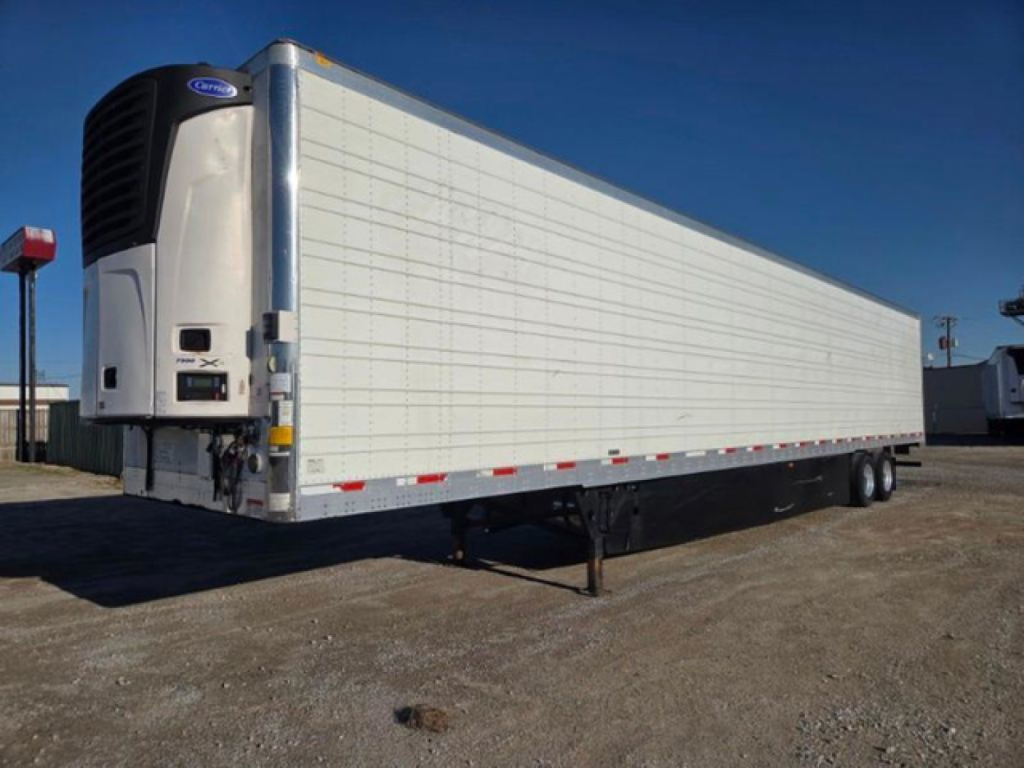
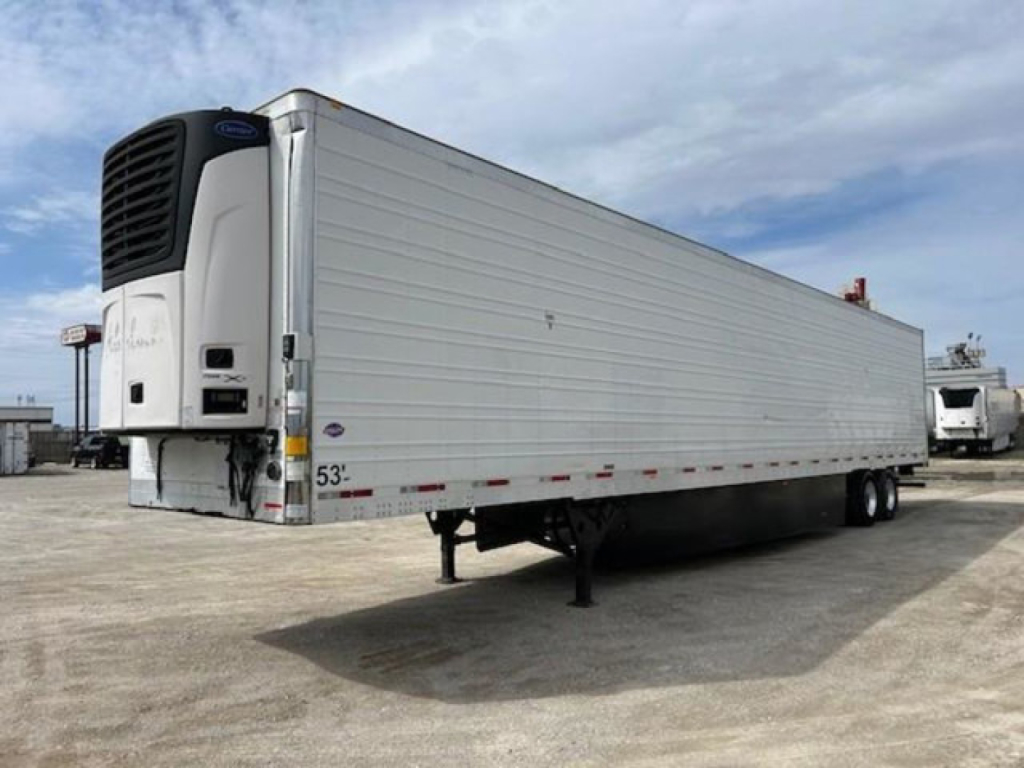
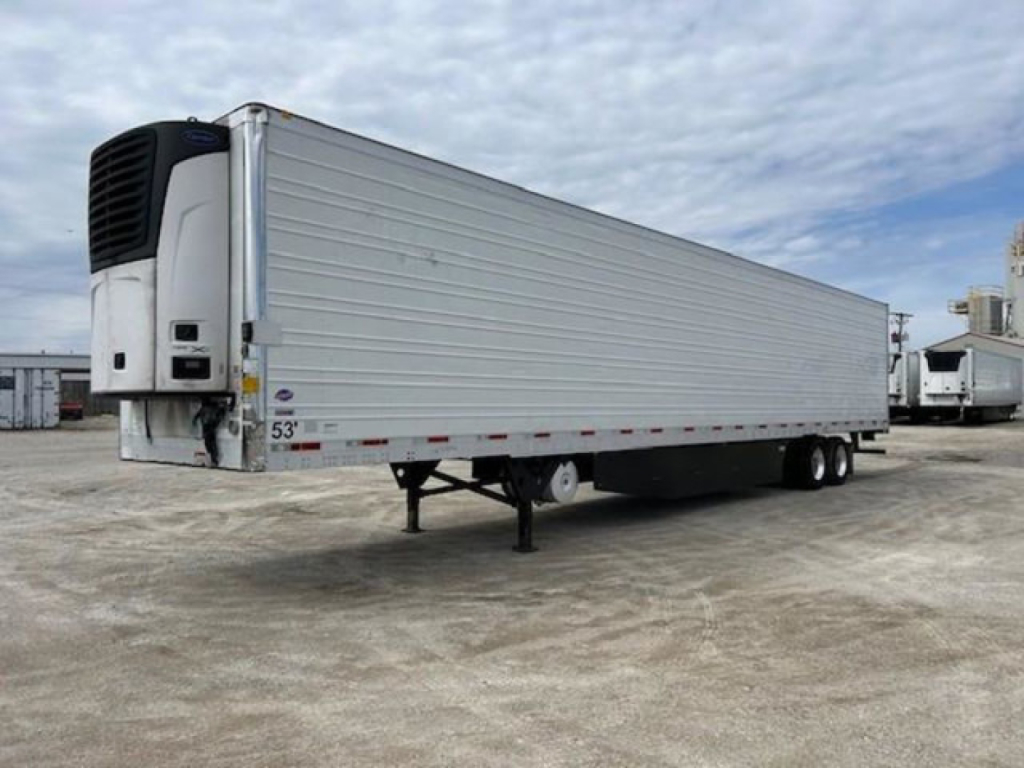

Selling a 2019 utility refrigerated trailer? List your 2019 utility refrigerated trailer for sale and reach thousands of commercial buyers.
2019 Utility Refrigerated Trailers in Iowa
Utility refrigerated trailers are typically found in 48-foot and 53-foot lengths, most often with tandem sliding axles, air ride suspension, aluminum wheels, and 22.5-inch rubber. Common buyer checkpoints include floor type, scuff liner condition, interior liner material, rear door seal integrity, and any signs of moisture intrusion around the front wall, roof, or door frame. Floor style should match the freight. A duct floor or deep channel floor supports better air circulation for palletized cold freight, while flat aluminum floors can make sense for specialized applications. Door configuration also matters. Swing doors remain the standard for dock work, but roll-up and side-door configurations appear in niche delivery and tender setups.
For Iowa operations, reefer buyers often pay close attention to insulation performance, unit start reliability in winter, and corrosion around the rear frame, crossmembers, and suspension components due to road treatment and seasonal moisture. A 2019 trailer may also be attractive because it can offer a more current aerodynamic package, LED lighting, and telematics compatibility without moving into new-trailer pricing. Utility trailers are known for straightforward serviceability, and that matters when replacement panels, door hardware, brakes, air system parts, and reefer-related components need to be sourced quickly to keep freight moving.
The best 2019 Utility reefer for a buyer depends on lane profile and product temperature requirements. Frozen freight operations may prioritize unit pull-down performance, fuel capacity, bulkhead setup, and return-air management. Mixed-temp or multi-stop routes may put more value on interior condition, door cycle durability, and unit control features. Before purchase, serious buyers usually verify reefer unit hours, maintenance records, tire and brake wear, suspension condition, trailer PM history, and any prior floor or wall repairs. On refrigerated trailers, a clean interior and solid temperature integrity are not cosmetic details. They are core indicators of how the trailer has been used and how well it will perform under load.
Frequently Asked Questions about 2019 Utility Refrigerated Trailers in Iowa
What should I inspect first on a 2019 Utility refrigerated trailer?
Start with the refrigeration unit, trailer body, and floor. Confirm the reefer unit brand, model, engine hours, and service history, then inspect the front wall, roof, side panels, and rear frame for repairs, moisture intrusion, or impact damage. Inside the trailer, look closely at the liner, scuff area, floor channels, door seals, and any soft spots or patchwork that could affect temperature control or sanitation.
Are 2019 Utility reefer trailers good for over-the-road freight?
Yes, many 2019 Utility refrigerated trailers are well suited for over-the-road service if the reefer unit, insulation package, and running gear are in good condition. Utility reefers are commonly used in long-haul grocery, frozen, and perishable freight because the brand has broad service familiarity and strong parts availability. Buyers should still match the trailer spec to the lane, especially axle configuration, fuel capacity for the reefer unit, and floor design for airflow under palletized cargo.
What reefer unit details matter most when buying a used refrigerated trailer?
The most important details are unit brand, model, operating hours, maintenance history, and temperature performance. Buyers should confirm whether the trailer carries a Thermo King or Carrier unit, review records for major repairs, and ask about recent preventive maintenance, compressor work, and any alarm history. A reefer trailer can look clean and still have an expensive unit issue, so unit condition should be verified as carefully as the trailer structure.
Why does floor type matter on a refrigerated trailer?
Floor type affects airflow, cargo handling, and sanitation. Reefer trailers hauling palletized food products usually depend on a floor that supports steady air movement under the load so the unit can maintain even temperatures from nose to rear. If the floor is badly worn, patched, or crushed, airflow and forklift operation can both suffer. Buyers should inspect for damage at the threshold, high-traffic forklift areas, and along the floor channels.
What should Iowa buyers watch for on a used reefer trailer?
Iowa buyers often focus on winter reliability and corrosion. Cold starts and low-ambient performance matter on reefer units, and road salt exposure can accelerate rust around the rear sill, crossmembers, slider assembly, landing gear, and brake components. It is also smart to inspect door seals and body integrity closely because temperature loss becomes more costly during extreme seasonal conditions.