
Refrigerated Trailers For Sale in Nebraska
Browse refrigerated trailers for sale in Nebraska, including 53-foot reefers with air ride, swing doors, insulated bodies, and Carrier or Thermo King units.
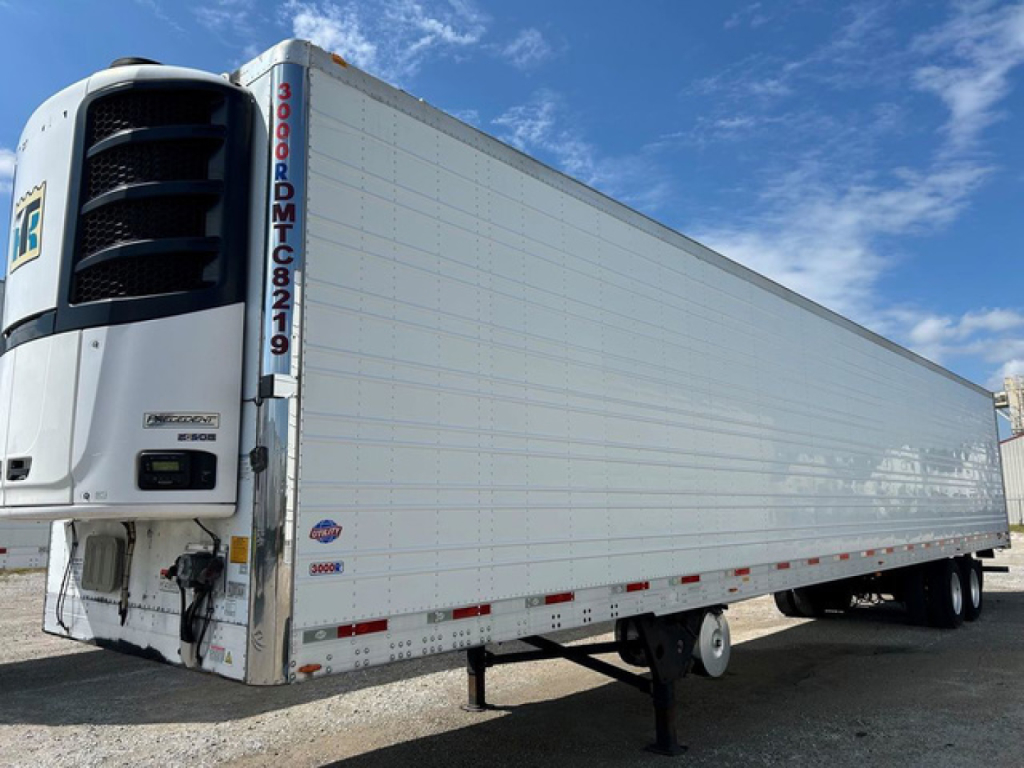
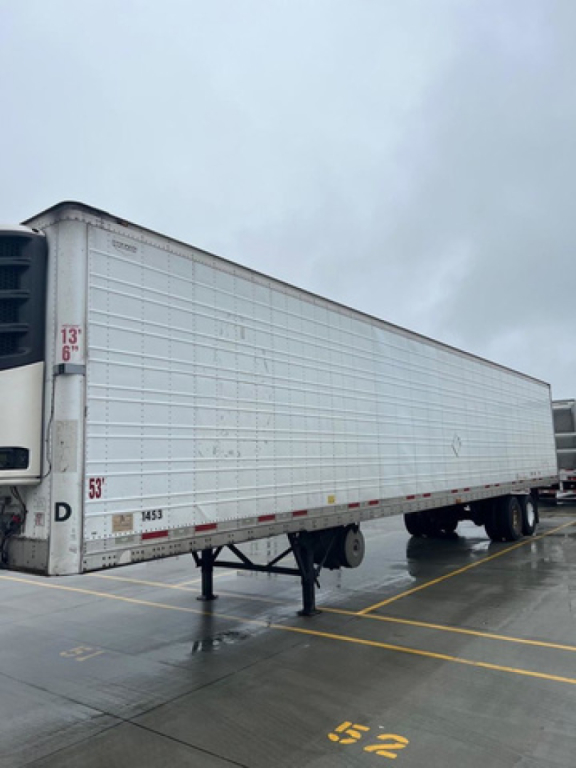

Selling a refrigerated trailer? List your refrigerated trailer for sale and reach thousands of commercial buyers.
Refrigerated Trailers in Nebraska
The trailer body matters just as much as the unit. Most late-model reefers use an aluminum roof, insulated sidewalls, and a durable interior liner such as Versitex or Kemlite to resist moisture, impacts, and frequent washouts. Swing rear doors remain the standard for full-truckload reefer work, while air ride suspension is preferred for ride quality and cargo protection. Buyers should also pay close attention to floor condition, door seals, drain function, scuff liner wear, and any signs of insulation breakdown or previous panel repair. On used refrigerated trailers, tire condition, brake life, and reefer unit maintenance records can tell you as much as the model year.
Axle configuration and chassis setup affect how flexible the trailer will be in real-world operations. A sliding tandem is common on 53-foot refrigerated trailers because it helps with bridge law compliance and dock positioning. Aluminum wheels can trim tare weight, while 22.5-inch rubber remains typical for this segment. If the trailer will be used heavily in warehouse networks, food-grade hauling, or multi-stop grocery distribution, look closely at floor type, interior width, ducting, and how consistently the unit holds setpoint under repeated door openings. For dedicated storage use, higher reefer hours may be acceptable if the box is sound and the unit still runs reliably.
A good reefer trailer purchase is usually about matching the trailer to the lane and the freight, not just buying by year. Newer units may offer lower hours, better fuel efficiency, and cleaner emissions compliance, while older reefers can still make sense for seasonal surge capacity or cold storage service. Buyers in Nebraska should balance unit condition, body integrity, suspension, and maintenance history against the demands of regional temperature swings, long idle periods, and strict food safety expectations. A reefer trailer that cools quickly, seals tightly, and has a solid floor and clean interior will usually outperform a cheaper trailer with deferred maintenance.
Frequently Asked Questions about Refrigerated Trailers in Nebraska
What should I look at first when buying a used refrigerated trailer?
Start with the refrigeration unit, then inspect the trailer body. Unit hours, service records, start-up behavior, and pull-down performance are critical because the reefer unit drives reliability and repair cost. After that, check the floor, interior liner, door seals, insulation condition, suspension, brakes, and tires. A reefer with a clean box and a weak unit can become expensive fast, and a strong unit in a damaged body can still struggle to hold temperature.
Are Carrier and Thermo King units both common on reefer trailers?
Yes. Carrier and Thermo King are the dominant refrigeration unit brands in the North American trailer market. Both are widely supported, and both can be good choices if parts access, maintenance history, and technician support are strong in your operating area. Buyers usually compare unit model, hours, fuel efficiency, noise level, and local service availability more than brand name alone.
Why is air ride suspension preferred on many refrigerated trailers?
Air ride suspension helps protect sensitive freight by reducing shock and vibration compared with rougher ride setups. That matters for food products, pharmaceuticals, and palletized loads that can shift or sustain packaging damage in transit. Air ride also tends to be favored in dedicated contract freight and grocery distribution because it supports smoother handling and can improve overall trailer control and ride quality.
Is an older reefer trailer still useful if the refrigeration unit has high hours?
It can be, depending on the application. Older refrigerated trailers with higher-hour units are often still viable for yard storage, seasonal overflow, or shorter-haul work where absolute uptime is less critical than in premium over-the-road service. The key is to verify that the box is structurally sound, the doors seal properly, the floor is solid, and the unit can still maintain temperature consistently under load.
Why do so many refrigerated trailers come in a 53-foot length?
The 53-foot reefer is the standard size for most full-truckload refrigerated freight because it offers strong cubic capacity while fitting common dock, warehouse, and routing requirements. It works well for grocery distribution, frozen freight, meat hauling, and general food-grade applications. That size also gives buyers the broadest selection of trailer configurations, tandem setups, and reefer unit combinations in the used and late-model market.