
Utility Refrigerated Trailers For Sale in Nebraska
Shop Utility refrigerated trailers with specs that matter, including insulation, reefer units, air ride, sliding tandems, and food-grade options.
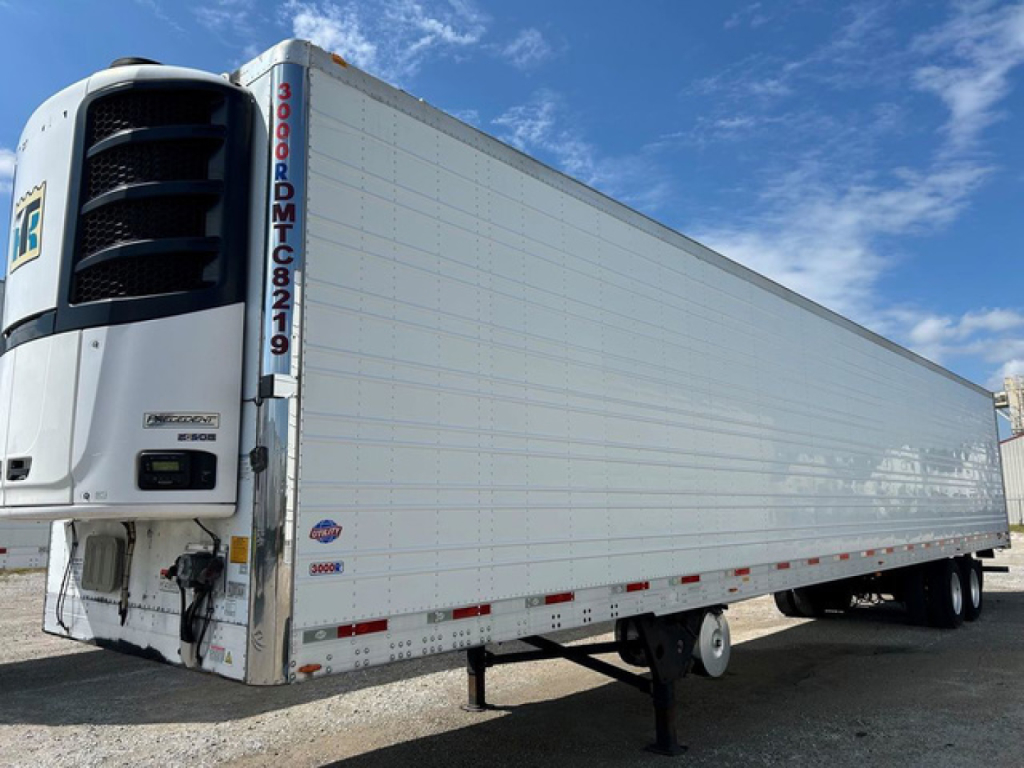
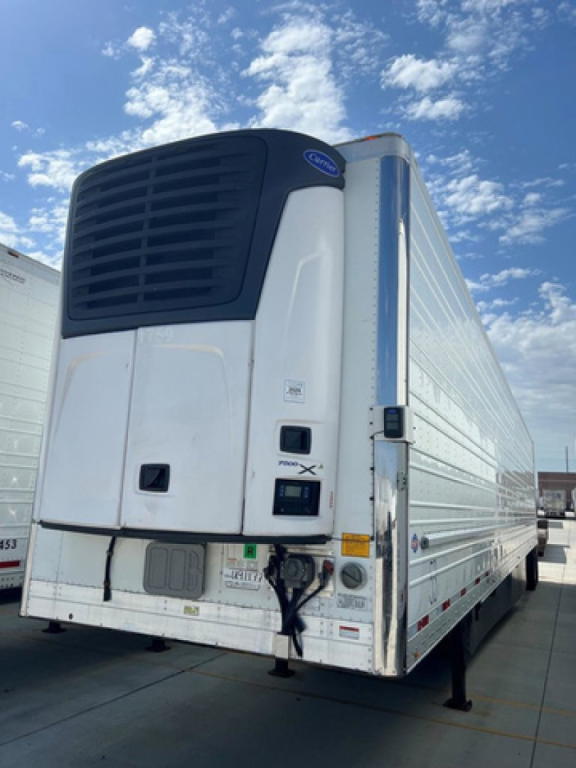

Selling a utility refrigerated trailer? List your utility refrigerated trailer for sale and reach thousands of commercial buyers.
Utility Refrigerated Trailers in Nebraska
A Utility reefer is typically built around a lightweight insulated van body with an aluminum roof, smooth side panels, and a lined interior designed for washout and freight protection. Common buyer checkpoints include the floor type and condition, wall liner material such as food-grade composite or scuff-resistant panels, rear frame integrity, and door seal condition. Tire inflation systems, front tire protector plates, undertray storage, grab handles, and extra lighting are common spec items that improve day-to-day operation. If the trailer is running a Thermo King or Carrier unit, engine hours, service history, start-stop performance, and evaporator condition deserve close review. On used reefers, buyers should also inspect for moisture intrusion, delamination, floor wear from pallet jack traffic, and any signs that the trailer has spent years in heavy produce or high-cycle grocery service.
Nebraska buyers often need a reefer that can handle wide temperature swings, long regional runs, and a mix of interstate and agricultural freight. That makes suspension condition, brake life, tire condition, and reefer unit reliability especially important. Sliding axle spacing can be a real advantage when loads and routes change frequently. Air ride remains the preferred suspension for sensitive freight because it helps reduce cargo movement and protects the trailer structure over rougher secondary roads. If your operation hauls mixed-temp freight, frozen loads, or strict receiver appointments, look closely at pulldown capability, insulation integrity, and how fast the unit recovers after door openings.
Utility has long been a recognized name in refrigerated trailers, and the brand is often favored by fleets that want a practical reefer spec with broad serviceability and strong resale appeal. The best trailer for your operation depends on freight profile more than model year alone. A newer trailer may offer lower unit hours and updated features, but a well-maintained used Utility reefer with documented reefer service, sound doors, a solid floor, and a clean insulated body can still be a strong value. For many buyers, the right decision comes down to matching reefer capacity, trailer weight, interior condition, and running gear spec to the exact lanes the trailer will work.
Frequently Asked Questions about Utility Refrigerated Trailers in Nebraska
What should I inspect first on a used Utility refrigerated trailer?
Start with the refrigeration unit hours, service records, and operating condition, then move to the trailer body. Floor wear, door seals, liner condition, rear frame integrity, and signs of water intrusion are high-priority checkpoints. After that, inspect suspension, brakes, tires, wheel ends, and any tire inflation system components. A reefer can look clean and still have hidden operating costs if the unit, floor, or insulation package has been neglected.
Are Utility reefer trailers typically available with sliding tandems and air ride suspension?
Yes. Many Utility refrigerated trailers are spec'd with sliding tandem axles and air ride suspension because those features fit a wide range of over-the-road and regional applications. Sliding tandems help with bridge law compliance and load distribution, while air ride improves cargo protection and ride quality. These are common fleet-friendly specs on 53-foot refrigerated trailers.
Which reefer unit brands are common on Utility refrigerated trailers?
Thermo King and Carrier are the most common refrigeration unit brands found on Utility reefers. Buyers should evaluate the brand, model, total hours, maintenance history, and dealer support in their region. Unit condition matters more than brand loyalty alone, especially if the trailer will run high-cycle delivery routes or strict temperature-sensitive freight.
What freight is a Utility refrigerated trailer best suited for?
Utility refrigerated trailers are commonly used for produce, meat, dairy, frozen foods, beverages, floral products, and other temperature-controlled freight. They are also used in some pharmaceutical and specialty distribution applications where trailer cleanliness and stable temperature control are critical. The exact fit depends on the insulation package, reefer unit capacity, interior liner, and floor condition.
How important is trailer weight when buying a Utility reefer?
Trailer weight is a major factor because reefer trailers already carry the added weight of insulation and a refrigeration unit. A lighter trailer can improve legal payload and operating flexibility, especially on dense food products or multi-stop routes. Buyers should compare tare weight alongside floor strength, interior durability, and reefer performance so they do not trade away long-term durability for a small payload gain.