
2022 Refrigerated Trailers For Sale
Shop 2022 refrigerated trailers with modern reefer units, air-ride suspension, logistics-ready specs, and strong food-grade freight versatility.
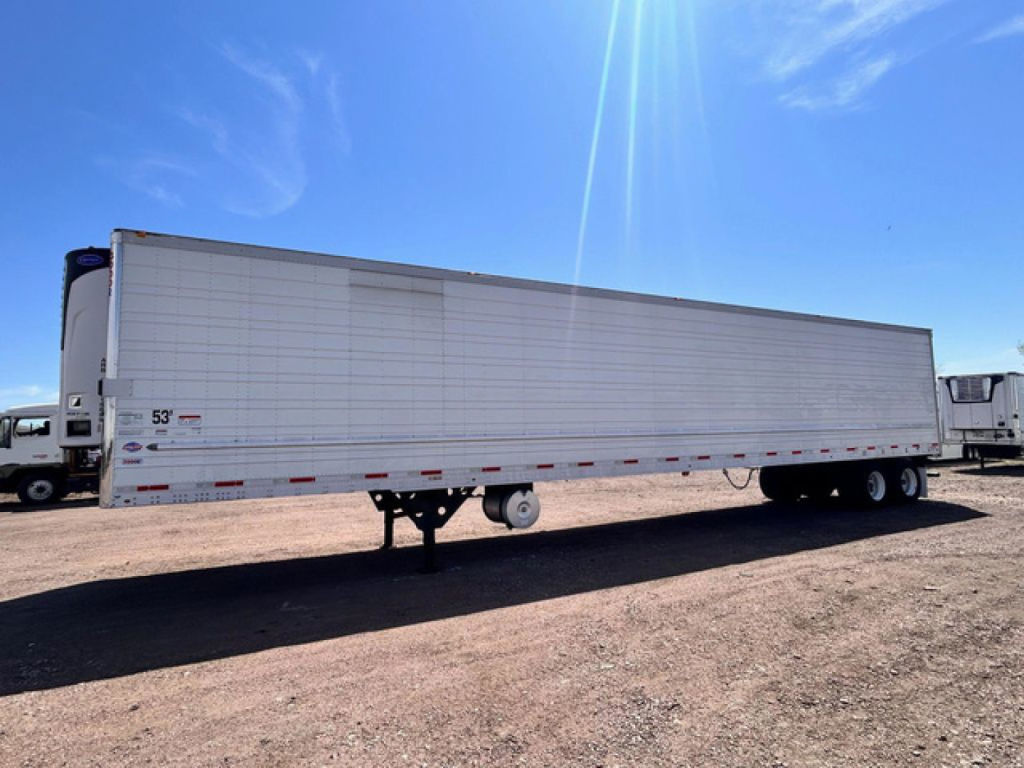
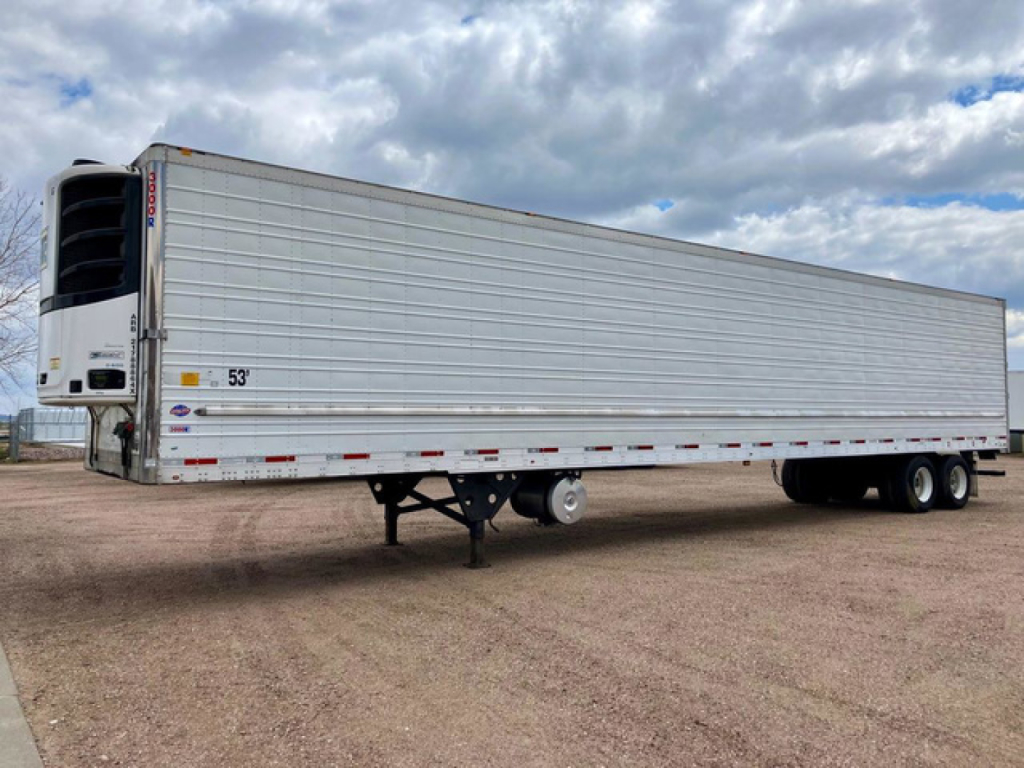
2022 Utility Reefer
Have 2022 refrigerated trailer to sell? List it here to reach thousands of buyers.
2022 Refrigerated Trailers
Body construction and interior condition are critical on a reefer trailer. Buyers should pay attention to insulation integrity, roof condition, floor type, door seal condition, and interior lining such as scuff-resistant composite panels. A good 2022 refrigerated trailer may be spec'd for food-grade work, grocery distribution, frozen freight, dairy, produce, pharmaceuticals, or mixed-temp regional service, but the trailer still needs to match the freight profile. Floor channels, drain layout, rear frame condition, and the amount of wear from pallet jack traffic all affect long-term value. If the trailer has a tire inflation system, that can be a meaningful operating advantage for fleets trying to reduce roadside failures and irregular tire wear.
The most common configuration in this category is a 53-foot reefer trailer, also known as a refrigerated van trailer, with a tandem sliding suspension and swing rear doors. Air-ride remains the preferred suspension for ride quality and cargo protection. Buyers running heavy lanes should confirm tare weight, floor rating, and kingpin setting because small spec differences can affect payload and bridge compliance. It is also smart to inspect tire tread evenly across all wheel positions, look for signs of sidewall or roof repair, and verify reefer start-stop operation, defrost function, and alarm history. A late-model 2022 trailer with documented preventive maintenance can be a strong fit for both fleet expansion and owner-operator leased-on work.
Resale and compliance also matter with refrigerated equipment because the trailer and refrigeration unit are effectively two assets in one. CARB compliance, emissions rules for the reefer unit, and customer requirements for temperature documentation can all influence what freight a trailer can legally and profitably handle. Buyers comparing multiple 2022 refrigerated trailers should weigh unit hours, maintenance records, interior cleanliness, suspension spec, and door and floor condition ahead of paint or branding. In this segment, dependable temperature control and a sound trailer structure usually separate a good buy from an expensive one.
Frequently Asked Questions about 2022 Refrigerated Trailers
What should I check first on a 2022 refrigerated trailer?
Start with the refrigeration unit, then move to the trailer body. Confirm the reefer unit make and model, total engine hours, service records, operating mode, and how quickly it pulls down to set temperature. After that, inspect the roof, insulation, floor, rear doors, door seals, interior lining, and suspension. A clean appearance matters less than documented maintenance, solid structural condition, and reliable temperature performance.
How many hours is too many on a used reefer unit?
There is no single cutoff because usage patterns and maintenance quality matter more than hours alone. A higher-hour Thermo King or Carrier unit with consistent preventive maintenance can be a better buy than a lower-hour unit with poor service history. Buyers should look at engine hours, repair history, alarm codes, compressor performance, and evidence of regular PM intervals. The question is not just how many hours are on the unit, but how well those hours were managed.
Are 2022 refrigerated trailers good for food-grade freight?
Many 2022 refrigerated trailers are well suited for food-grade service if the interior and reefer system have been maintained properly. Buyers should inspect for clean, intact interior liners, solid door seals, odor-free cargo space, a sound floor, and no signs of contamination or moisture intrusion. Food-grade readiness also depends on customer requirements, washout standards, and the trailer's ability to hold temperature consistently across the full trip.
What is the most common spec for a refrigerated trailer in this year range?
A common 2022 spec is a 53-foot refrigerated van trailer with tandem sliding axles, air-ride suspension, 22.5 wheels and tires, swing rear doors, and a diesel-powered Thermo King or Carrier unit. Many trailers in this age group also include aluminum wheels, scuff-resistant interior lining, and tire inflation systems. Exact specs vary by fleet application, so payload targets, lane length, and regional compliance requirements should guide the final choice.
Why does trailer body condition matter as much as the reefer unit?
The reefer unit creates the cold air, but the trailer body is what keeps that temperature stable and protects the cargo. Worn door seals, floor damage, compromised insulation, roof issues, and interior wall damage all force the refrigeration unit to work harder and can lead to temperature loss. A strong unit on a weak trailer body can still create claims, downtime, and higher operating costs, so both parts of the asset need to be evaluated together.