
2027 Refrigerated Trailers For Sale
Shop 2027 refrigerated trailers with modern reefer units, air ride, aluminum wheels, and cold-chain specs for food, pharma, and frozen freight.


Showing 1 to 28 of 88 results
Selling a 2027 refrigerated trailer? List your 2027 refrigerated trailer for sale and reach thousands of commercial buyers.
2027 Refrigerated Trailers
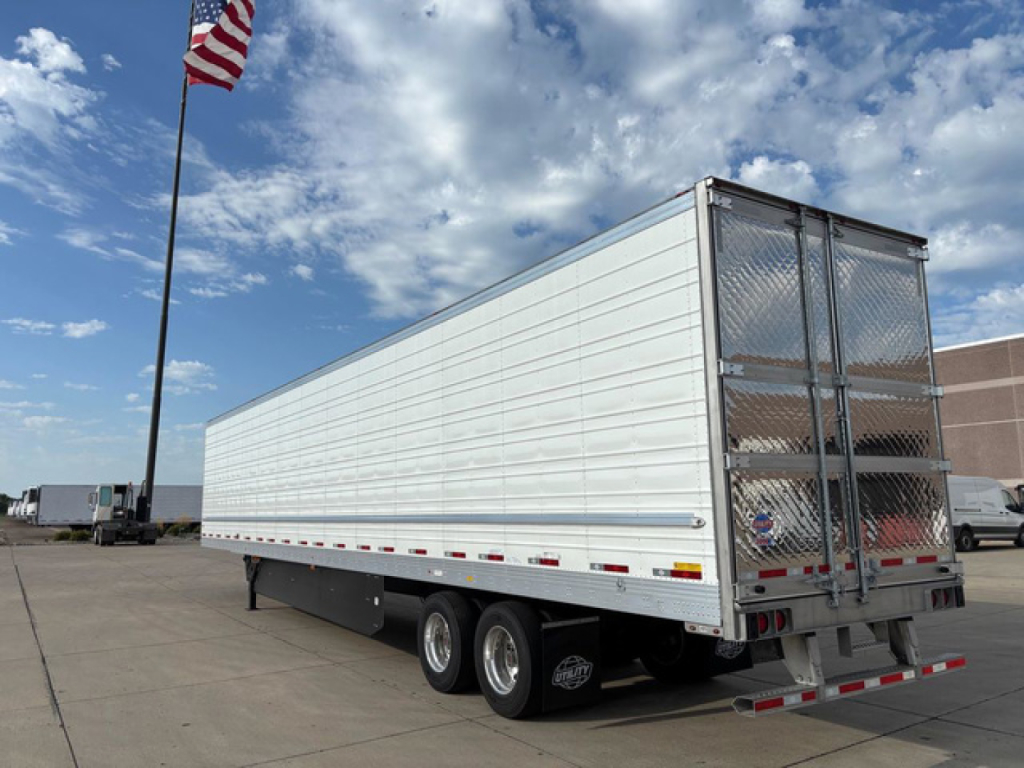
Trailer configuration is just as important as the reefer unit. Many late-model reefers are set up with air ride suspension, sliding tandem axles, 22.5-inch tires, and aluminum wheels, which helps with ride quality, weight management, and resale value. Interior build details deserve close attention, including scuff liners, wall lining type, floor condition, rear door seal integrity, and roof construction. Buyers moving multi-temp or high-cycle delivery freight should also look at insulation performance, return air management, bulkhead compatibility, and how well the trailer holds setpoint during frequent door openings.
For fleet buyers, the difference between a good reefer and a costly one often comes down to lifecycle details. Check reefer unit hours, maintenance records, evaporator and condenser condition, fuel tank size, and the presence of tire inflation systems or other uptime-focused options. On the trailer side, review tire wear, brake condition, suspension components, floor wear from pallets or lift trucks, and any signs of water intrusion around doors, seams, or front wall penetrations. If the freight mix includes heavy frozen loads, floor rating and overall tare weight can directly affect payload and route economics.
A newer refrigerated trailer can make sense for carriers that need compliance-ready equipment with current emissions technology, stronger insulation performance, and updated temperature monitoring. Utility is a common name in this segment, but the same buying logic applies across reefer trailer brands. The right specification depends on lane length, dock frequency, freight type, and how much priority is placed on low hours, lightweight construction, and service network access for the refrigeration unit.
Frequently Asked Questions about 2027 Refrigerated Trailers
What should I look at first when buying a refrigerated trailer?
Start with the refrigeration unit, then move to the trailer body. Unit brand, model, hours, service history, and parts support will affect reliability and operating cost. After that, inspect insulation condition, floor wear, door seals, lining, suspension, brakes, and tire condition. A reefer trailer is only as good as its ability to maintain temperature consistently under load.
What reefer unit hours are considered high on a refrigerated trailer?
There is no single cutoff, because maintenance history matters as much as total hours. A well-maintained unit with higher hours can be a better buy than a lower-hour unit with poor service records. Buyers typically compare hours against age, look for major component replacements, and confirm the unit can hold setpoint under real operating conditions.
Why do air ride suspension and sliding tandems matter on a reefer trailer?
Air ride helps protect sensitive freight, improves ride quality, and is widely preferred in food-grade and higher-value temperature-controlled applications. Sliding tandems provide flexibility for axle weight distribution and bridge-law compliance. Together, these features can improve load planning, reduce cargo shock, and support better resale value.
Are aluminum wheels and tire inflation systems worth it on a reefer?
They often are, especially in fleet service. Aluminum wheels can reduce weight and improve appearance, while automatic tire inflation systems help maintain proper pressure, reduce irregular tire wear, and support fuel economy. On a refrigerated trailer that runs long miles and strict schedules, small uptime advantages can add up quickly.
What freight is a 2027 refrigerated trailer commonly used for?
This category is commonly used for frozen and chilled food products, produce, dairy, meat, beverages, pharmaceuticals, and other loads that require controlled temperatures. Some operations also use reefers for protected dry freight when temperature stability or insulated walls are beneficial. The exact trailer spec should match the commodity, loading pattern, and delivery frequency.