
2027 Refrigerated Trailers For Sale in Iowa
Shop 2027 refrigerated trailers in Iowa. Compare reefer specs, insulation, suspension, tire size, and refrigeration unit options.


Selling a 2027 refrigerated trailer? List your 2027 refrigerated trailer for sale and reach thousands of commercial buyers.
2027 Refrigerated Trailers in Iowa
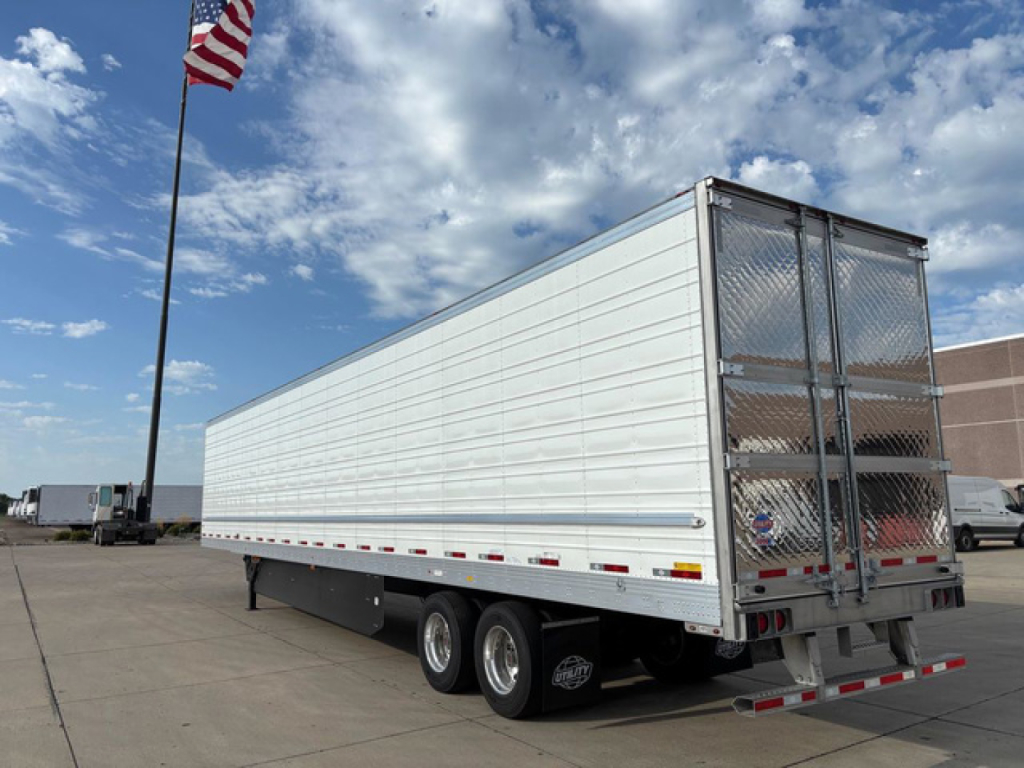
Many late-model refrigerated trailers in this class are 53-foot air-ride vans with tandem sliding axles, 22.5-inch wheels and tires, aluminum wheel packages, and duct or chute-style airflow management. Common reefer units include diesel-powered systems from Carrier or Thermo King, often paired with telematics, electric standby, low-hour hour meters, and multi-temp capability depending on the application. Interior details matter just as much as the unit on the nose. Buyers should look closely at lining type, insulation condition, floor wear, drain layout, and door seals. Scuff liners, reinforced sidewalls, return-air bulkheads, and durable interior linings can make a real difference in grocery, meat, produce, frozen food, and pharmaceutical service.
Suspension and running gear deserve careful attention because reefer trailers tend to live at higher gross weights and tighter delivery schedules than many dry vans. Air-ride suspension is common because it protects sensitive cargo and helps maintain ride quality, while sliding tandems help with bridge law compliance and dock positioning. Drum brakes are still common, though some fleets prefer disc brakes for stopping consistency and easier serviceability. Tire inflation systems, aerodynamic skirts, aluminum roofs, and corrosion-resistant components can improve uptime and operating cost over the life of the trailer. In Iowa, road salt, winter operation, and mixed highway-county road use make undercarriage condition and structural integrity especially important.
The right 2027 reefer depends on the freight lane and the temperature profile you run every week. Frozen freight usually puts more emphasis on insulation value, floor integrity, and unit capacity, while fresh food and multi-stop delivery can put more importance on airflow, partition options, and fast door recovery. Buyers comparing listings should verify reefer hours, maintenance history, fuel tank setup, calibration records, and the condition of seals, lining, and floor channels. A refrigerated trailer can look clean and still have expensive issues hidden in the unit, floor, or insulation package, so the best buying decision usually comes from matching the trailer's spec to the commodity, route density, and maintenance standard required by the operation.
Frequently Asked Questions about 2027 Refrigerated Trailers in Iowa
What should I look for first when buying a 2027 refrigerated trailer?
Start with the refrigeration unit, trailer insulation package, and interior condition. Unit brand, cooling capacity, reefer hours, service records, and telematics capability all affect long-term reliability. Then inspect the floor, lining, door seals, return-air area, and suspension spec because cargo protection depends on the whole trailer, not just the reefer unit.
Are air-ride suspension and sliding tandems standard on most reefer trailers?
They are very common because they fit how refrigerated freight is typically hauled. Air-ride helps protect temperature-sensitive cargo from excess vibration, and sliding tandems give flexibility for bridge law compliance, axle spread requirements, and dock placement. Buyers should still confirm the exact axle spacing, suspension brand, and brake setup on each trailer because specifications vary by fleet order.
How important are reefer unit hours on a refrigerated trailer?
Reefer hours are one of the best quick indicators of unit use, but they should not be judged alone. A higher-hour unit with strong preventive maintenance, documented repairs, and proper calibration can be a better buy than a lower-hour unit with poor service history. Buyers should compare hours with age, maintenance records, and evidence of recent inspections or component replacement.
What cargo is a refrigerated trailer designed to haul?
Refrigerated trailers are commonly used for frozen foods, produce, dairy, meat, beverages, floral products, and some pharmaceutical or temperature-sensitive retail freight. Some trailers are set up for single-temperature service, while others support multi-temp operation with bulkheads or partitions. The best trailer spec depends on product temperature range, delivery frequency, and how often the doors are opened during a route.
What features help a reefer trailer hold value and reduce operating cost?
Late-model refrigeration units with telematics, tire inflation systems, aerodynamic skirts, aluminum wheels, corrosion-resistant components, and quality interior linings tend to support better uptime and resale appeal. Buyers also place value on clean floors, tight door seals, sound insulation, and a documented maintenance history. A reefer trailer with the right spec for the freight it hauls usually performs better financially than one with extra options that do not match the operation.