
2020 Refrigerated Trailers For Sale
Shop 2020 refrigerated trailers with modern reefer units, air ride suspension, and 53-foot cold-chain capability for food and temp-sensitive freight.
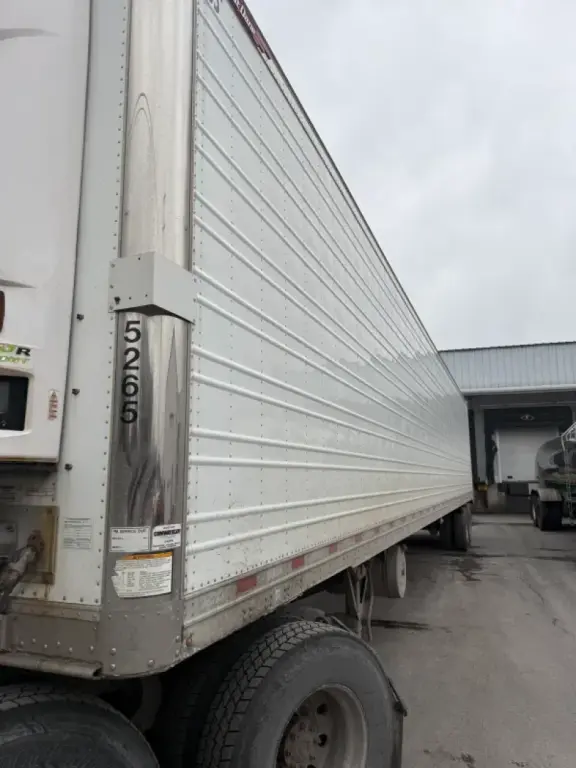
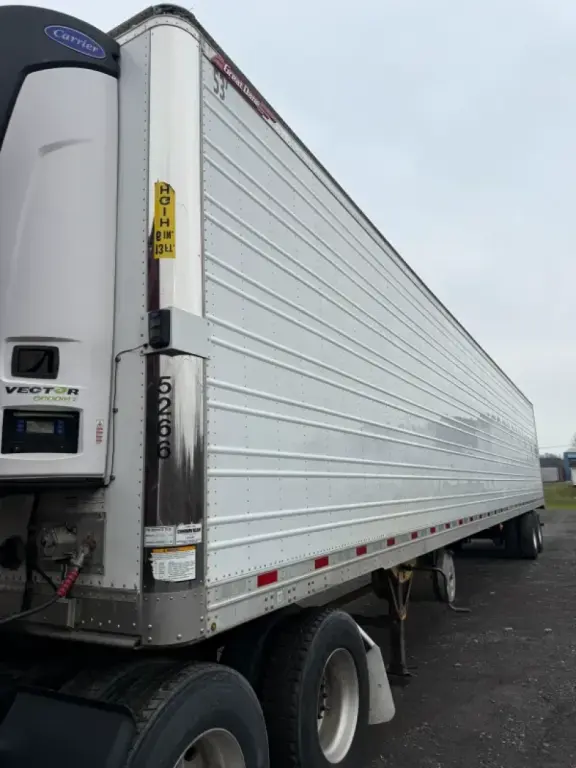

Selling a 2020 refrigerated trailer? List your 2020 refrigerated trailer for sale and reach thousands of commercial buyers.
2020 Refrigerated Trailers
The reefer unit matters as much as the trailer itself. Unit model, operating hours, maintenance history, and temperature performance should be reviewed closely before purchase. A 2020 reefer trailer may be set up for frozen freight, fresh produce, dairy, pharmaceuticals, floral loads, or mixed-temperature regional distribution, but the real difference comes down to pull-down performance, fuel efficiency, and how well the unit has been serviced. Buyers should also inspect evaporator condition, return air chute integrity, floor wear, door seals, and interior lining type. Features like aluminum roofs, duct floors, and durable liner packages can make a noticeable difference in sanitation, airflow, and long-term trailer life.
Structural specs deserve just as much attention. Suspension type, axle slider configuration, wheel and tire package, and kingpin setting all affect bridge compliance, dock approach, and overall operating cost. On used 2020 refrigerated trailers, tire tread readings, brake condition, and suspension wear can quickly change the value equation. Interior width and cubic capacity are important for high-cube foodservice and grocery work, while door configuration and rear frame condition matter for heavy dock use. If the trailer will run long-haul lanes, buyers often prioritize aerodynamic spec, fuel tank size for the reefer unit, and telematics compatibility. For local and regional work, durability items such as grab handles, steps, bumpers, and protector plates tend to be more important.
A 2020 refrigerated trailer, also known as a reefer trailer, is commonly chosen by carriers that want dependable temperature control with a model year still acceptable to many shippers and contract freight programs. It can be a smart fit for private fleets, produce haulers, grocery distributors, and dedicated cold-storage operations that need current equipment without moving into brand-new cost territory. The strongest values usually come from trailers with documented PM records, clean interiors, consistent unit service, and specs that match the lane, commodity, and loading style the trailer will actually see.
Frequently Asked Questions about 2020 Refrigerated Trailers
What should I check first on a 2020 refrigerated trailer?
Start with the refrigeration unit model, engine hours, service records, and verified temperature performance. After that, inspect the trailer body for insulation condition, floor wear, interior liner damage, rear door seal condition, and signs of air leaks. A 2020 model can still have strong service life left, but reefer maintenance history and structural condition will usually matter more than appearance alone.
Is a 2020 reefer trailer a good model year for fleet use?
Yes, 2020 refrigerated trailers are often a strong value point for fleet buyers because they are modern enough to meet many shipper expectations while avoiding the cost of a new trailer. Many units from this model year have current-style reefer systems, air ride suspension, and useful options such as tire inflation systems and durable interior liners. The best fit depends on hours, maintenance, and whether the trailer spec matches the intended freight.
How many hours is too many on a reefer unit in this class?
There is no single cutoff because reefer unit life depends heavily on maintenance quality, operating cycle, and repair history. Higher-hour units can still be dependable if they have consistent preventive maintenance, clean starts, strong pull-down, and documented component replacement when needed. Buyers should focus on total condition, current performance, and service documentation instead of using hours alone as a pass-fail number.
What specs are most important on a used 2020 refrigerated trailer?
Key specs include trailer length, suspension type, axle slider setup, reefer unit brand and model, interior liner type, floor design, tire size, and wheel material. Buyers should also look for practical options such as scuff liners, underbody storage, fuel tank capacity, front protector plates, telematics readiness, and tire inflation systems. These details affect uptime, sanitation, weight, fuel use, and lane flexibility.
What freight is a 2020 refrigerated trailer commonly used for?
This category is commonly used for frozen foods, produce, meat, dairy, beverages, floral products, and other temperature-sensitive freight. It is also used in grocery distribution, foodservice delivery, dedicated retail replenishment, and some pharmaceutical or specialty applications. The exact freight mix depends on the reefer unit capability, trailer cleanliness, interior configuration, and how tightly temperature control must be managed.