
2021 Refrigerated Trailers For Sale
Shop 2021 refrigerated trailers with key reefer specs, unit options, insulation details, and compliance factors buyers compare.
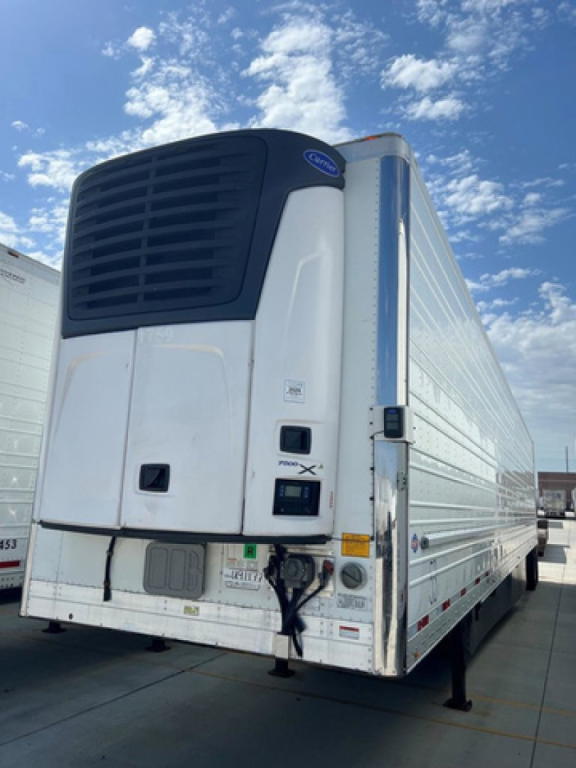
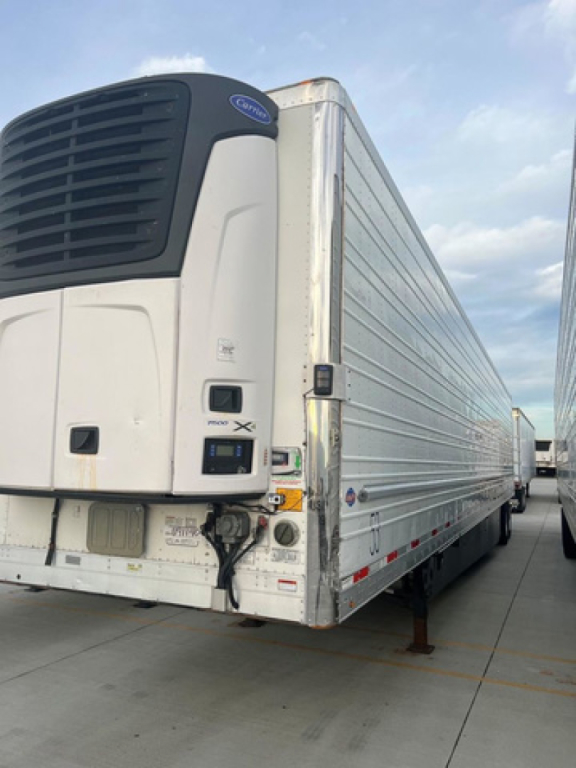

Looking for the easiest place to sell your 2021 refrigerated trailer? List it here to reach thousands of buyers.
2021 Refrigerated Trailers
The reefer unit deserves the closest look because it drives both operating cost and uptime. Engine hours, electric standby capability, fuel tank size, service history, and setpoint performance matter more than cosmetics. Many 2021 refrigerated trailers will be spec'd with multi-temp capable units or high-capacity single-temp systems suited for long-haul grocery and frozen work. Confirm pull-down speed, return air consistency, and whether the trailer has the floor and bulkhead setup your operation needs. Buyers should also check CARB compliance status, emissions label details, and telematics integration if the trailer will run in California or on tightly managed dedicated freight.
Body and interior condition matter just as much as the refrigeration package. Look at the lining material, scuff protection, floor type, door seal condition, and evidence of moisture intrusion around the front wall and roof seams. A good 2021 reefer often has aluminum roof construction, a duct floor or deep-channel floor design for airflow, and interior liners such as Kemlite or composite panels that are easier to clean and maintain. Swing doors remain common, but door hardware wear, gasket sealing, and frame alignment should be inspected closely because air leaks reduce temperature control and increase unit run time. Tire condition, brake wear, wheel type, and suspension bushing condition can quickly affect the true acquisition cost on a used trailer.
If the trailer will spend time at docks, in drop-yard operations, or in seasonal storage service, pay attention to practical details like light packages, landing gear condition, rear frame integrity, and the condition of the continuous operating cycle equipment. A 2021 refrigerated trailer can fit everything from regional produce distribution to over-the-road frozen freight, but the right trailer depends on the commodity, lane length, and temperature tolerance of the load. Buyers comparing listings should focus on reefer hours, maintenance records, lining and floor condition, axle configuration, and compliance status first. Those are the details that separate a clean, productive reefer trailer from one that turns into a temperature-control and maintenance problem.
Frequently Asked Questions about 2021 Refrigerated Trailers
What should I check first on a 2021 refrigerated trailer?
Start with the refrigeration unit hours, maintenance history, and current operating condition. A 2021 reefer trailer may still have strong body life left, but reefer performance determines whether it can hold setpoint reliably and economically. Check for recent service records, verify the unit pulls down temperature properly, inspect the evaporator and condenser area, and confirm there are no active alarm codes. After that, inspect the floor, liner, door seals, suspension, tires, and brakes to understand the real cost to put the trailer to work.
Are 2021 refrigerated trailers still a good choice for food-grade freight?
Yes, if the trailer has been maintained correctly and the interior remains clean, sealed, and structurally sound. A 2021 refrigerated trailer is modern enough for many food-grade applications, especially if the liner, floor, and door seals are in good condition and the reefer unit has documented service. Buyers should verify there is no insulation damage, moisture intrusion, or floor wear that could affect sanitation or temperature retention. Food and frozen operations usually place a premium on clean interiors, dependable airflow, and accurate temperature control.
How important is CARB compliance on a 2021 reefer trailer?
CARB compliance can be critical depending on where the trailer operates. If a refrigerated trailer will run in California, buyers need to verify the refrigeration unit meets current California Air Resources Board requirements and that the compliance status aligns with the intended service period. This is especially important on used reefers because the trailer body year and reefer unit emissions status are not always the same issue. A buyer should confirm the unit model, emissions label, and any registration or reporting requirements before purchase.
What reefer trailer specs matter most for regional versus long-haul use?
Regional operations often focus on frequent door cycles, dock durability, and fast pull-down performance, while long-haul operations tend to prioritize fuel efficiency, stable temperature retention, and lower unit hours per mile. In both cases, air ride suspension, sliding tandems, floor airflow design, and door seal condition are important. For long-haul frozen freight, buyers often value higher-capacity units and strong insulation performance. For multi-stop grocery or foodservice work, practical features like lighting, bulkhead compatibility, and easy-to-clean liner materials can matter just as much.
How do I judge the condition of a used reefer trailer beyond the reefer unit itself?
Inspect the trailer as a temperature-controlled box first and a rolling chassis second. Look for soft spots or heavy wear in the floor, damaged liner panels, loose scuff liners, corrosion around door frames, roof repairs, and signs of water entry. Then evaluate tires, brakes, wheel ends, suspension components, landing gear, and rear frame structure. A used 2021 refrigerated trailer can look clean externally but still have interior airflow, insulation, or structural issues that reduce load quality and increase operating cost.