
2021 Utility Refrigerated Trailers For Sale
Shop 2021 Utility refrigerated trailers. Compare reefer specs, insulation, suspension, tire systems, and refrigeration unit options.
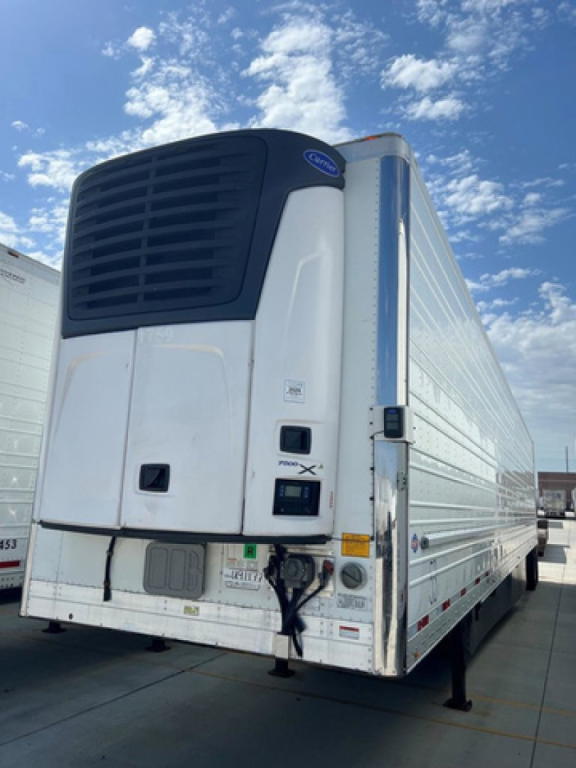
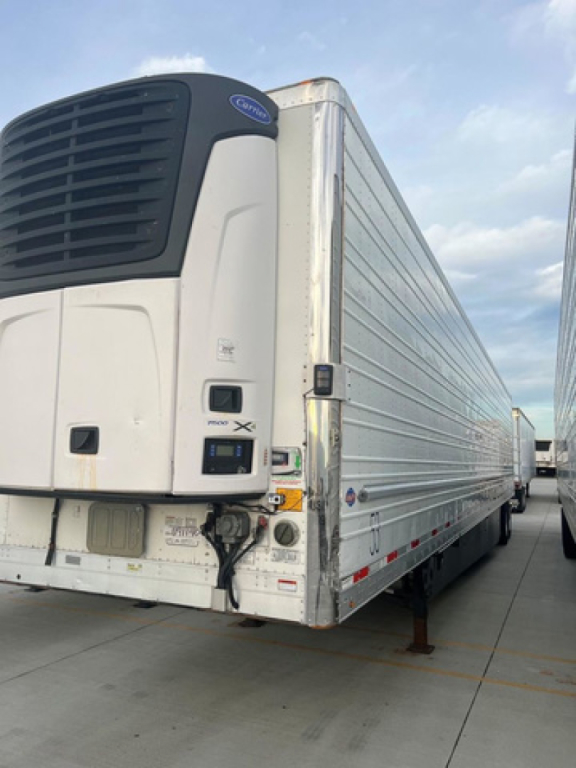

Looking for the easiest place to sell your 2021 utility refrigerated trailer? List it here to reach thousands of buyers.
2021 Utility Refrigerated Trailers
Utility reefer trailers from this period are often built on the 3000R platform, usually in a 53-foot configuration with air ride suspension, sliding tandem axle setup, and 22.5-inch wheels. Common details include aluminum roofs, aluminum wheels, scuff liners, duct floors, and composite interior liners such as Versitex. Tire inflation systems are also common and can reduce roadside tire events if the system has been maintained. Buyers should inspect the floor closely for forklift wear, check rear frame and threshold condition, and verify door seal integrity, since air leaks and floor damage directly affect temperature pull-down and fuel efficiency.
The refrigeration package matters as much as the trailer itself. Many 2021-era Utility reefers are paired with Carrier or Thermo King units sized for long-haul frozen or high-volume produce work. A buyer should compare unit hours, reefer service records, defrost performance, and recent major component replacement history. If the trailer will run dense foodservice routes with frequent door openings, look for fast recovery, healthy bulkheads if equipped, and a unit spec that matches the cargo profile. For cross-country frozen freight, insulation performance, floor condition, and unit reliability usually matter more than cosmetic appearance.
Utility refrigerated trailers also hold their appeal in resale because they are widely accepted by fleets, owner-operators, and leasing groups. The best fit depends on lane length, dock environment, and commodity mix. A trailer running sealed drop-and-hook freight can tolerate a different wear profile than one handling grocery distribution with constant pallet jack and forklift traffic. For most buyers, the right 2021 Utility reefer is the one with documented reefer maintenance, a clean and tight body, healthy suspension and brakes, and an interior that still supports consistent temperature control across the full load.
Frequently Asked Questions about 2021 Utility Refrigerated Trailers
What should I check first on a 2021 Utility refrigerated trailer?
Start with the refrigeration unit, trailer floor, and rear door area. Confirm the reefer unit brand, model, hours, and maintenance history, then inspect the floor for forklift damage, delamination, or crushed duct channels. After that, check door seals, threshold wear, rear frame condition, suspension components, brakes, and tire condition. On a reefer, air leaks, poor floor condition, and deferred unit service usually cost more than cosmetic defects.
Are 2021 Utility reefer trailers typically equipped with air ride and sliding tandems?
Yes, many 2021 Utility refrigerated trailers are spec'd with air ride suspension and sliding tandem axles because that setup gives fleets better ride quality, cargo protection, and axle weight flexibility. Sliding tandems are especially useful for operations that need to adjust bridge law compliance or dock positioning. Buyers should still verify axle spacing, suspension type, and slider rail condition on each trailer because specs can vary by original fleet order.
How important are reefer unit hours on a used Utility trailer?
Reefer unit hours are one of the most important factors because they directly affect service planning and near-term operating cost. High hours do not automatically rule out a trailer, but they increase the importance of documented maintenance, recent repairs, and proof of proper operation under load. A well-maintained unit with higher hours can be a better buy than a lower-hour unit with poor service history, weak pull-down performance, or unresolved alarm codes.
What interior features matter most on a Utility reefer trailer?
Interior lining, scuff protection, floor design, and door seal condition matter most. Composite liners such as Versitex help protect insulation and interior walls from impact, while scuff liners reduce damage from pallets and forklifts. A sound duct floor supports airflow and even temperature distribution, which is critical for frozen and fresh loads alike. Buyers moving heavy dock freight should pay close attention to sidewall damage, floor wear, and any signs that moisture has gotten into the structure.
Is a 2021 Utility refrigerated trailer a good fit for grocery and foodservice work?
Yes, a 2021 Utility reefer can be a strong fit for grocery and foodservice applications if the unit has the right refrigeration capacity and the trailer body is still tight. These operations create frequent door cycles, heavy floor traffic, and more impact around the rear frame and thresholds, so condition matters more than model year alone. A trailer with strong reefer recovery, solid insulation, healthy doors, and a clean floor is usually better suited for this work than one with lower cosmetic wear but weaker structural condition.