
New 2027 Utility Refrigerated Trailers For Sale in Iowa
Shop new 2027 Utility refrigerated trailers in Iowa. Compare reefer specs, suspension, tire setup, insulation, and cold-chain features.

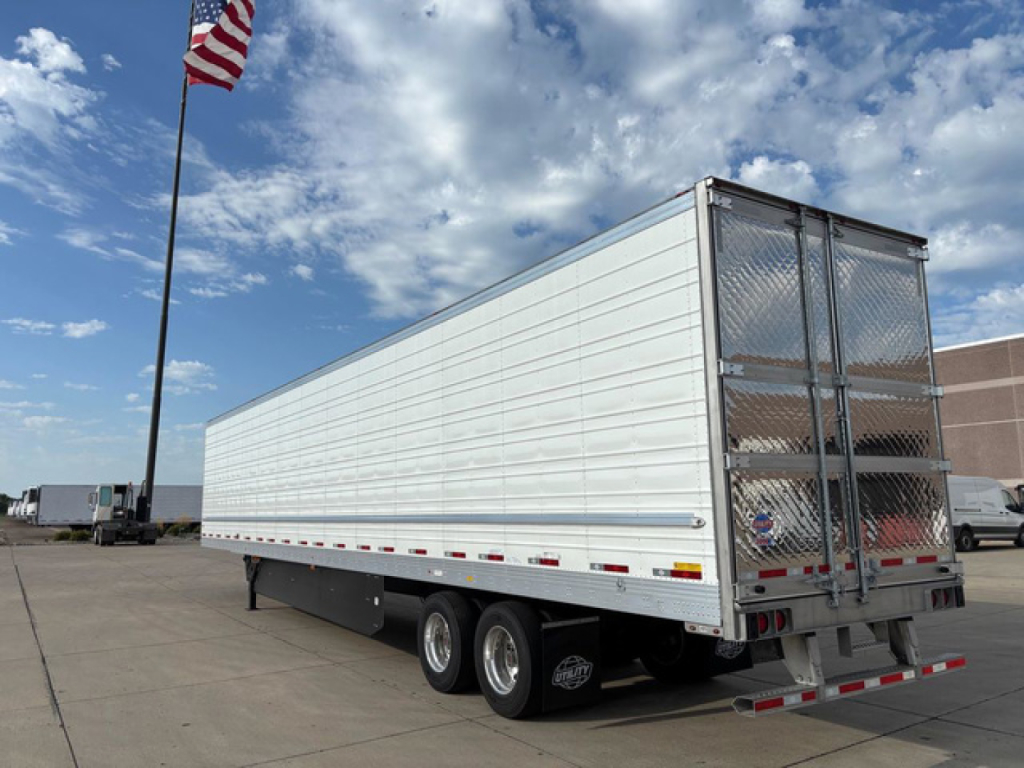

Selling a new 2027 utility refrigerated trailer? List your new 2027 utility refrigerated trailer for sale and reach thousands of commercial buyers.
New 2027 Utility Refrigerated Trailers in Iowa
In Iowa, reefer buyers tend to pay close attention to year-round operating conditions. Summer heat loads test pull-down performance and insulation efficiency, while winter conditions make door seals, moisture management, and floor traction more important. Utility refrigerated trailers are often spec'd with aluminum wheels, 22.5-inch rubber, air ride suspension, and sliding tandem axles, which gives carriers flexibility on bridge laws, dock approach, and ride quality for sensitive freight. Air ride matters on produce, dairy, and other temperature-controlled loads that can shift or bruise under a harsher suspension setup. Sliding tandems also help fleets adjust kingpin-to-rear axle settings for legal compliance and load distribution.
The most important buying decision on a reefer trailer is how the body is built for the freight you actually haul. Interior liner material, scuff liners, drain placement, ducting, bulkhead setup, and floor type all affect washout time, airflow, and cargo protection. A trailer running frozen freight has different priorities than one moving mixed-temp grocery or frequent LTL stops. Floor rating matters if the trailer will see heavy pallet jack traffic or dense beverage and protein loads. Door hardware, threshold durability, and rear frame construction also deserve attention because repeated dock cycles can drive repair costs long before the refrigeration unit itself becomes the issue.
For many fleets, a Utility reefer is attractive because the platform is widely understood by drivers, shops, and resale buyers. That matters when uptime, parts support, and standardization across a trailer pool are part of the purchasing decision. When comparing new 2027 Utility refrigerated trailers, focus on suspension type, axle configuration, roof and sidewall construction, tire and wheel package, and how the trailer is prepared for the refrigeration unit and telematics you plan to run. A reefer trailer is not just a box with a unit on the nose. It is a temperature-controlled asset whose long-term value comes from insulation integrity, structural durability, and how well the spec matches your lanes.
Frequently Asked Questions about New 2027 Utility Refrigerated Trailers in Iowa
What should I look for first when buying a new Utility refrigerated trailer?
Start with the body specification, not just the refrigeration unit. Insulation performance, interior dimensions, floor rating, liner material, door seal quality, and airflow design determine how well the trailer protects freight and controls operating cost over time. After that, review axle spacing, suspension, tire size, wheel material, and kingpin settings to make sure the trailer fits your freight profile, route demands, and legal requirements.
Why is air ride suspension common on refrigerated trailers?
Air ride suspension helps protect temperature-sensitive and damage-prone freight by reducing shock and vibration compared with harsher suspension types. It also improves ride quality for produce, dairy, frozen foods, and pharmaceutical loads that can be affected by movement inside the trailer. For many fleets, air ride also supports better trailer stability and can reduce cargo claims on delicate shipments.
Are sliding tandems important on a reefer trailer?
Yes, sliding tandems are important for weight distribution, bridge law compliance, and dock positioning. A sliding axle setup gives the carrier more flexibility to balance tandem weight, adjust kingpin-to-rear axle measurements, and handle different load lengths or customer facilities. That flexibility matters on multi-stop freight and in regions where axle law compliance can affect routing and loading decisions.
What freight is a Utility reefer trailer commonly used for?
Utility refrigerated trailers are commonly used for grocery distribution, produce, meat, dairy, frozen foods, floral products, and some pharmaceutical or specialty cold-chain freight. They are designed to maintain controlled temperatures while handling frequent dock cycles and washdowns. The right interior and floor spec depends on whether the trailer will run full truckload frozen freight, mixed-temperature distribution, or high-frequency stop-and-drop work.
How do Iowa operating conditions affect reefer trailer specs?
Iowa fleets often need a reefer trailer that performs through hot summers, cold winters, and frequent dock activity. Strong insulation, reliable door sealing, durable flooring, and good moisture control are especially important in these conditions. Tire selection, suspension setup, and corrosion-aware maintenance planning also matter because seasonal temperature swings and road conditions can influence ride quality, wear patterns, and long-term trailer durability.