
New 2027 Vacuum Trailers For Sale
Browse new 2027 vacuum trailers with common tank sizes, pump options, axle setups, and spec details for water, waste, and oilfield service.
Selling a new 2027 vacuum trailer? List your new 2027 vacuum trailer for sale and reach thousands of commercial buyers.
New 2027 Vacuum Trailers
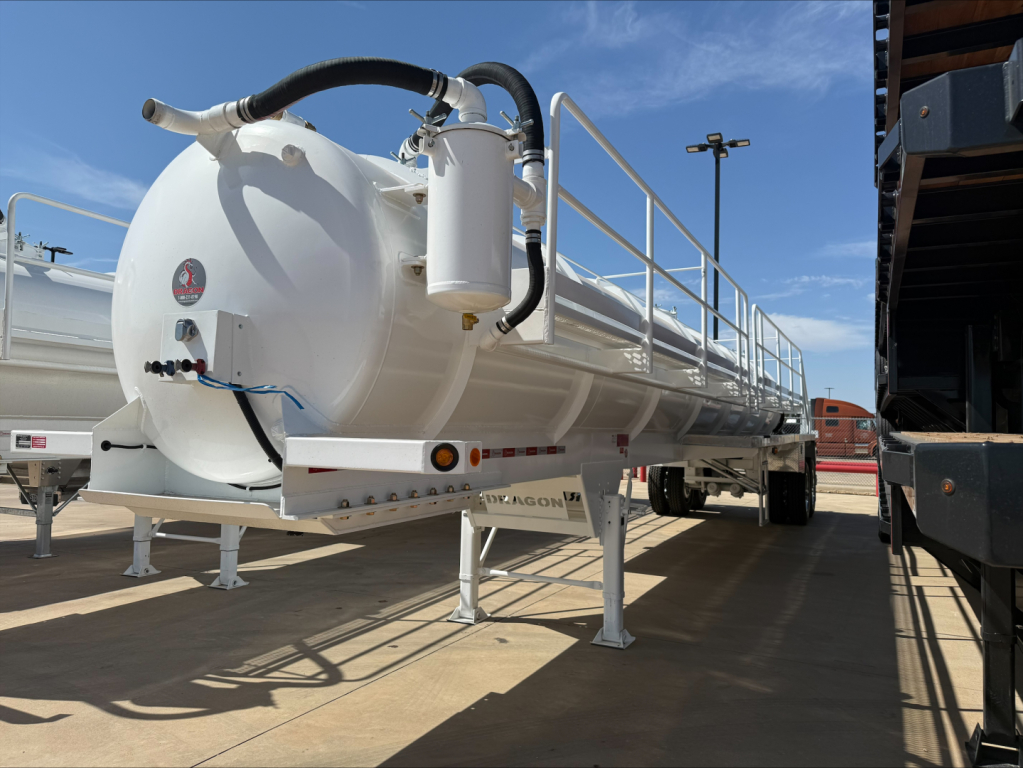
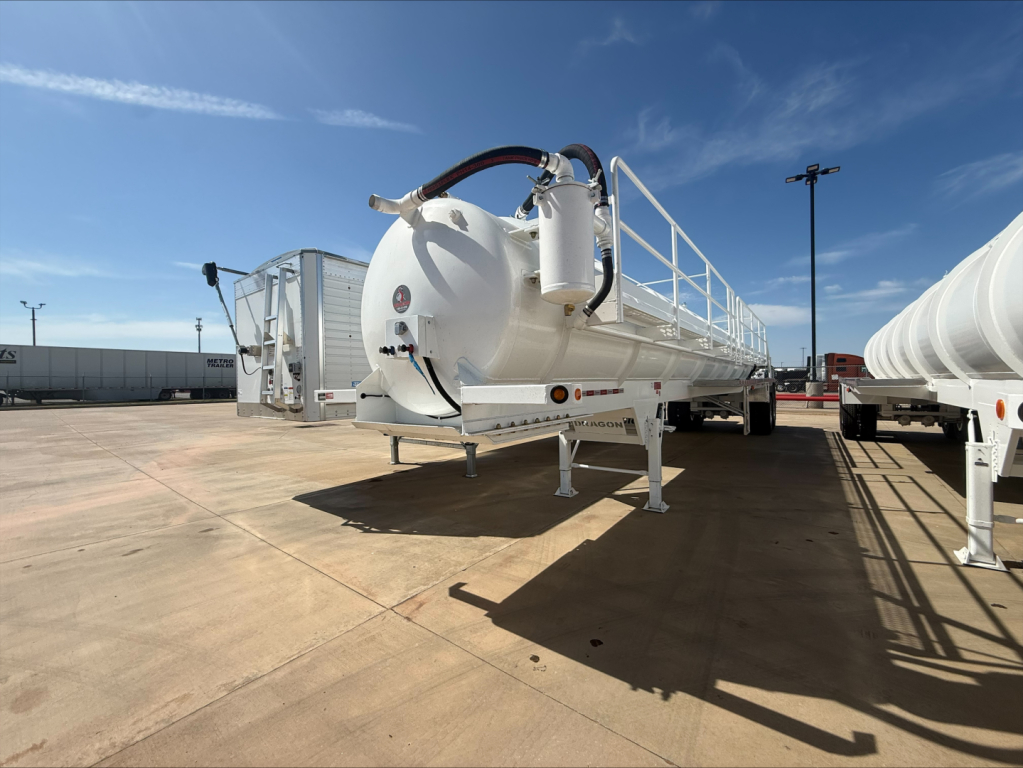
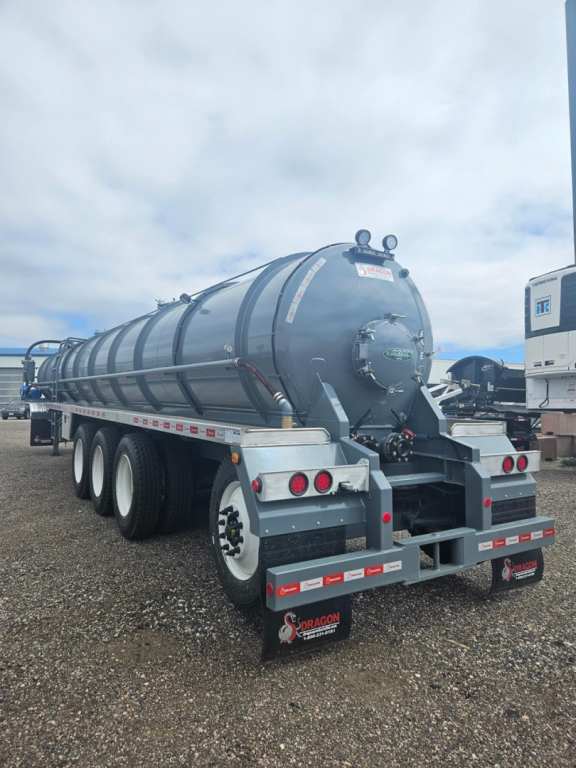
Tank construction and running gear drive long-term operating cost. Aluminum vacuum trailers reduce tare weight and improve corrosion resistance, while steel tanks are often chosen for rugged field use and repair familiarity. Typical configurations include tandem or tri-axle layouts, air ride suspension, 11R22.5 or 11R24.5 tires, and in some cases a rear lift axle for variable payload and bridge compliance. Buyers should also look closely at overall trailer length, barrel capacity in gallons or barrels, kingpin setting, frame design, and whether the trailer has the fenders, ICC bumper, tow hooks, ladder, and full walkway setup needed for the jobsite.
The vacuum system deserves more attention than the tank itself. Pump brand and model, hydraulic drive requirements, relief valve settings, primary and secondary shutoff protection, and plumbing layout all affect cycle times and reliability. Many vacuum trailers in this class use Fruitland or Challenger-style pumps, rear sump discharge, 4-inch butterfly valves, stainless discharge tubing, dome lids, sight gauges, and rear work lights for night service. Buyers handling abrasive or corrosive material should verify shell thickness, head thickness, interior coating, gasket material, and the presence of scuff protection or durable lining where applicable. If the trailer will spend time on lease roads or uneven ground, suspension travel, frame reinforcement, and hose and valve protection matter just as much as pump performance.
A good 2027 vacuum trailer spec matches the product being hauled, the vacuum and pressure limits of the tank, and the service region where it will work. For municipal and industrial pumping, ease of cleanout and dependable valve access can matter more than maximum capacity. For oilfield water hauling, larger barrel count, tri-axle stability, and simple serviceable components often move to the top of the list. Review pressure and vacuum ratings, DOT and FMVSS compliance items, manhole arrangement, level indication, lighting package, and brake system details before comparing price alone. In this category, the best value usually comes from a trailer that is correctly spec'd for the fluid, route, and duty cycle from day one.
Frequently Asked Questions about New 2027 Vacuum Trailers
What is the difference between a non-code vacuum trailer and a coded vacuum trailer?
A non-code vacuum trailer is typically built for water, wastewater, and certain non-hazardous fluid applications where full pressure-vessel code construction is not required. A coded trailer is built to specific regulatory standards for the products and pressures involved. The right choice depends on the commodity, jurisdiction, customer requirements, and how the trailer will be operated. Buyers should confirm code status before purchase because it affects legal use, resale flexibility, and the kinds of loads the trailer can haul.
What capacity is common for a vacuum trailer?
Common vacuum trailer capacities in this market often range from about 130 BBL to 165 BBL, with some variation by material, axle count, and regional weight laws. Higher capacity can improve productivity, but legal payload is still limited by tare weight, suspension rating, axle spacing, and bridge formulas. Aluminum construction can help reduce empty weight, while tri-axle layouts may better support larger barrel capacities in heavier service.
Which is better for a vacuum trailer, aluminum or steel?
Aluminum is often preferred when tare weight and corrosion resistance are priorities, especially in water and general fluid service. Steel is commonly selected for severe-duty environments where impact resistance, familiarity of field repairs, or specific customer standards matter more. The better material depends on the product being hauled, road conditions, shop capabilities, and how long the trailer is expected to stay in a high-cycle operation.
What pump and vacuum system features should buyers pay attention to?
Buyers should look at pump brand, model, drive type, available vacuum level, relief protection, and the layout of shutoff pots, valves, and discharge plumbing. A strong vacuum trailer spec includes reliable primary and secondary shutoff protection, accessible rear controls, properly sized suction and discharge plumbing, and components that can be serviced without excessive downtime. Pump performance on paper is important, but ease of maintenance and parts support are just as important in daily operation.
Why do some vacuum trailers have tandem axles while others are tri-axle?
Axle configuration is mainly driven by capacity, weight distribution, and operating environment. Tandem axle vacuum trailers can be lighter and simpler, which helps in some regional weight applications and lower-capacity builds. Tri-axle trailers are often used on larger barrel units because they provide better load support and can improve stability in heavy service. In some specs, a lift axle adds flexibility by reducing tire wear and drag when the trailer is not fully loaded.