
New 2027 Double Drop Expandable Trailers For Sale
Shop new 2027 double drop expandable trailers built for heavy haul, tall freight, and longer loads with low deck height and extendable well.
Selling a new 2027 double drop expandable trailer? List your new 2027 double drop expandable trailer for sale and reach thousands of commercial buyers.
New 2027 Double Drop Expandable Trailers
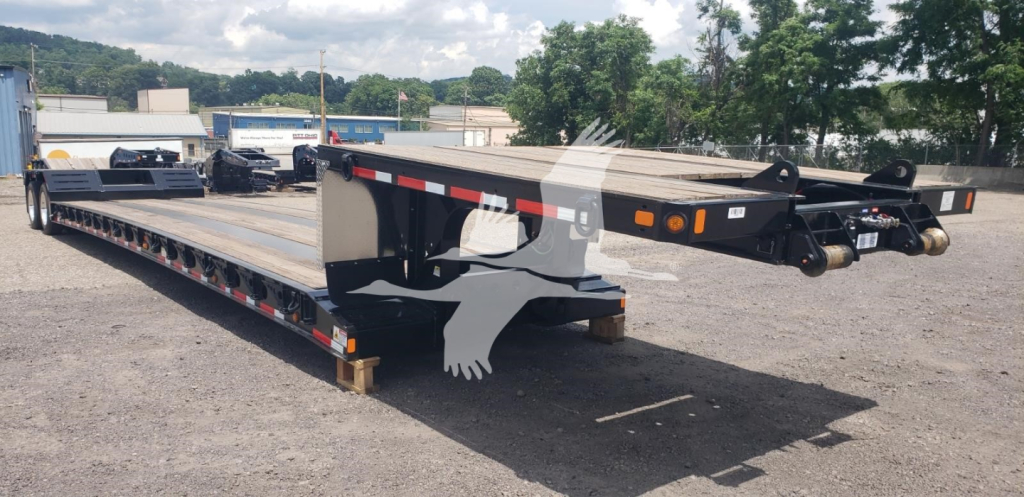
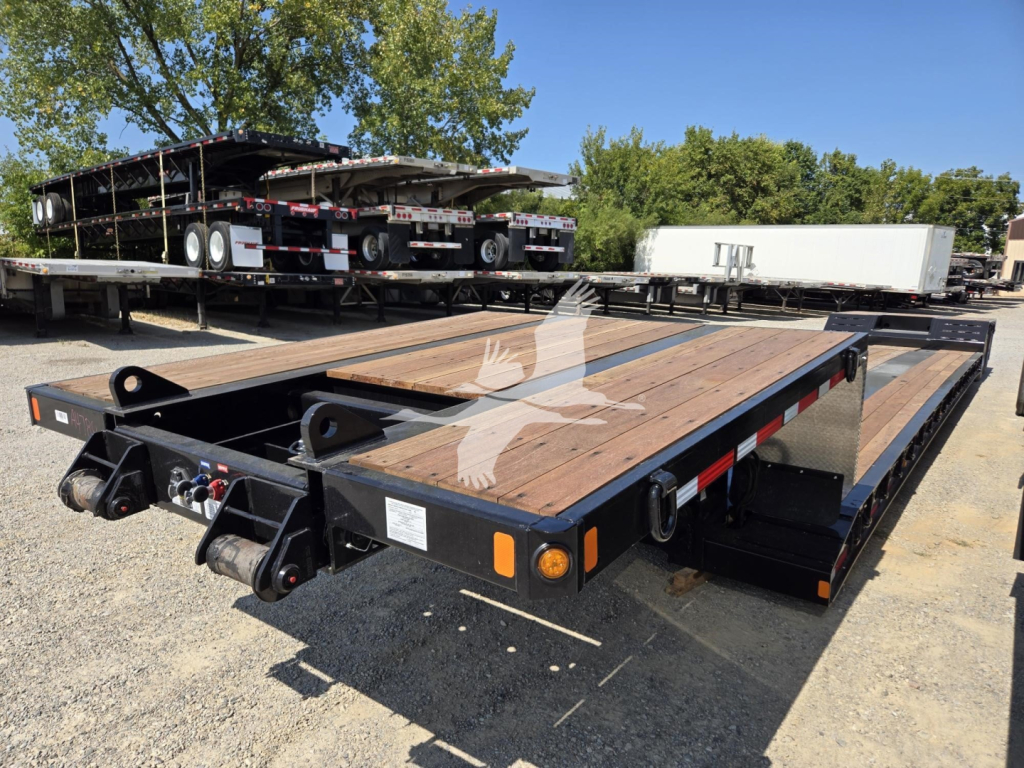
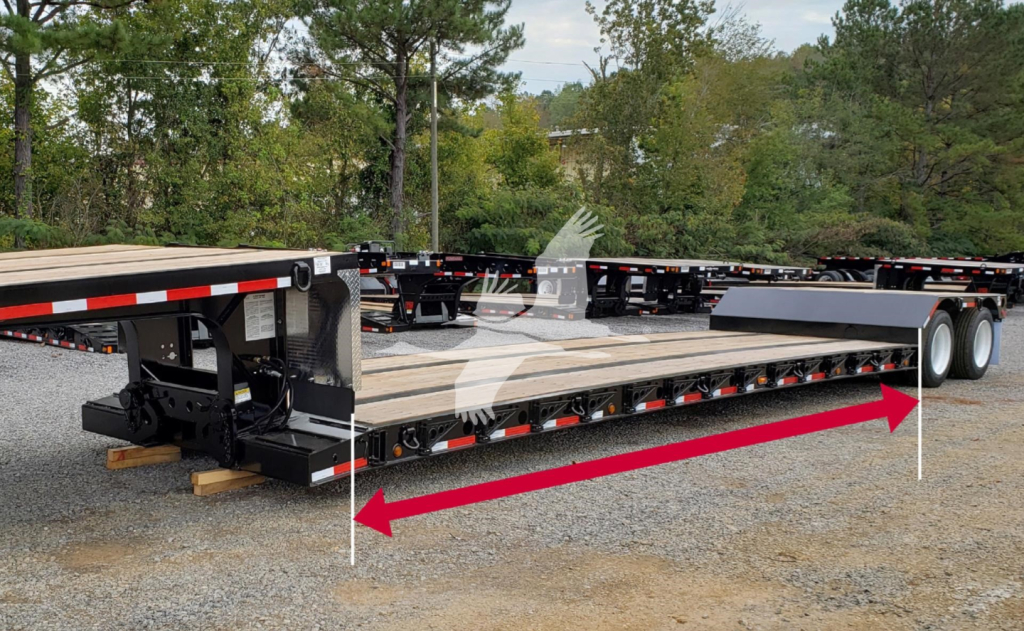
Buyers usually start with capacity in the well and the amount of extension available. In this category, 40-ton ratings in 16 feet are common, with closed deck lengths often around the low-30-foot range and extended lengths reaching roughly 60 feet depending on configuration. Width is typically 102 inches, and many trailers use 1 3/8-inch Apitong flooring, steel side rails, multiple pairs of outriggers, and numerous D-ring tie-down points for flexible securement. Ground clearance matters as much as deck height, especially for jobsite access and transitions, so it is worth checking loaded deck height, rear transition angle, and suspension setting together rather than looking at any one number in isolation.
Axle and neck configuration should match the freight mix and the routes you expect to run. Air ride suspensions from suppliers such as Hendrickson are common on new heavy haul trailers in this class, and many are set up to accept a third axle flip or flip box for added versatility when permits or payload require it. Kingpin setting, axle spacing, lift axle design, and fifth wheel height compatibility all affect bridge compliance, turning behavior, and tractor pairing. On detachable versions, buyers should pay close attention to neck style, swing radius, guide roller setup, and how quickly the trailer can be loaded in the field. On fixed or mechanical detach layouts, look at how the sloped front deck, traction cleats, and mini boom trough are arranged if you regularly move self-propelled equipment.
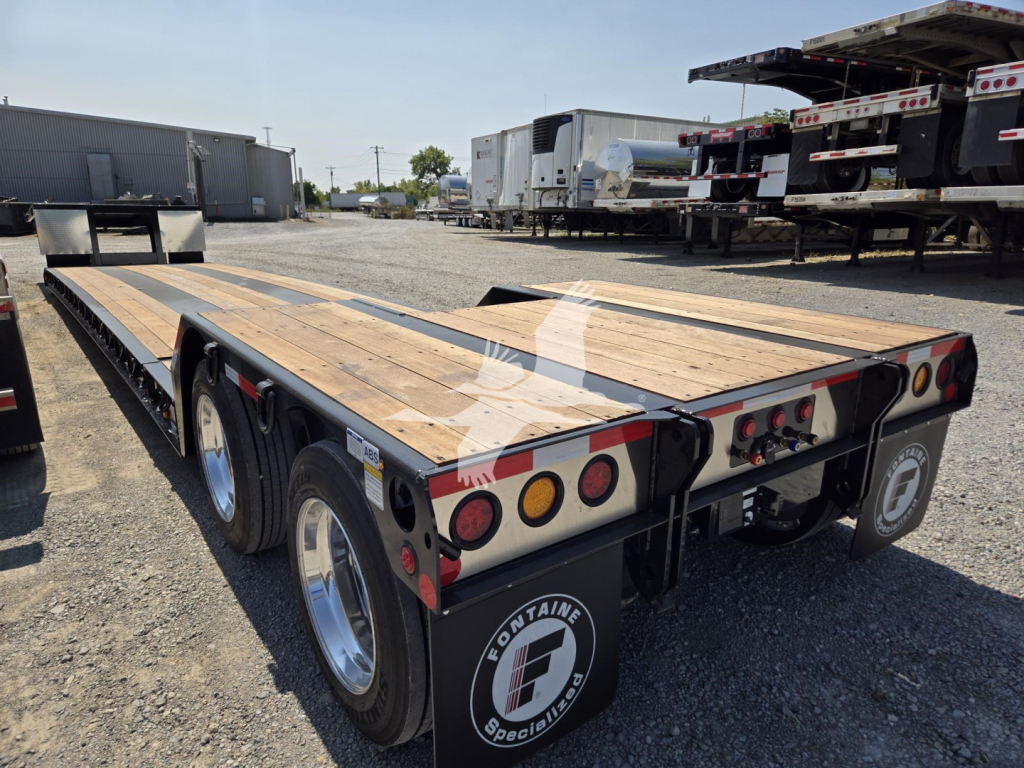
Daily-use details separate one trailer from another over the long term. Crossmember spacing, scuff protection, side rail construction, lighting package, mid-turn signals, strobes, wheel material, and paint quality all matter on a trailer that will see rough loading conditions and permit work. A buyer comparing new 2027 double drop expandable trailers should focus on three things first: true deck geometry, legal axle flexibility, and securement layout. If those are correct for the freight, the trailer will be easier to permit, easier to load, and more profitable over time.
Frequently Asked Questions about New 2027 Double Drop Expandable Trailers
What is a double drop expandable trailer used for?
A double drop expandable trailer is used for hauling freight that is too tall for a step deck or flatbed and too long for a standard fixed-well lowboy. Common applications include construction equipment, large fabricated components, tanks, transformers, and machinery with long wheelbases or extended footprints. The low well helps control overall loaded height, while the expandable deck adds carrying length for loads that do not fit a standard double drop.
What should I compare first when shopping for a new double drop expandable trailer?
Start with capacity in the well, closed and open deck length, loaded deck height, and ground clearance. After that, compare axle configuration, kingpin setting, suspension type, and whether the trailer is prepped for a third axle flip or flip box. Those specifications have a direct effect on what the trailer can legally carry, how easy it is to permit, and how well it will match your tractor and operating area.
How low is the deck on a double drop expandable trailer?
Many trailers in this category have a loaded main deck height around 20 inches, though the exact figure varies by manufacturer, suspension setting, tire size, and load. That lower deck height is the main reason buyers choose a double drop design for tall freight. It can make the difference between a legal height move and a load that requires a more complicated route or additional permitting.
Are double drop expandable trailers the same as lowboy trailers?
They are related, but not always identical in how people use the terms. A double drop trailer has a top deck, a low main deck or well, and a raised rear deck. A lowboy often refers more broadly to a low-deck heavy haul trailer, including detachable neck configurations. In the market, many buyers and sellers use the terms interchangeably when talking about double drop lowboys, but deck layout, neck style, and whether the trailer expands should still be confirmed in the actual specifications.
Why does securement layout matter on an expandable heavy haul trailer?
Securement layout matters because longer and more irregular freight needs more tie-down flexibility across the entire well. Outriggers, D-rings, steel side rails, and crossmember design determine where chains, binders, and accessories can be placed without creating poor angles or clearance issues. A trailer with the right securement pattern is faster to load, safer to tie down, and better suited for different equipment profiles over the life of the trailer.