
New Double Drop Expandable Trailers For Sale
New double drop expandable trailers for heavy haul equipment, long loads, and over-dimensional freight with detachable neck and low deck options.
Selling a new double drop expandable trailer? List your new double drop expandable trailer for sale and reach thousands of commercial buyers.
New Double Drop Expandable Trailers
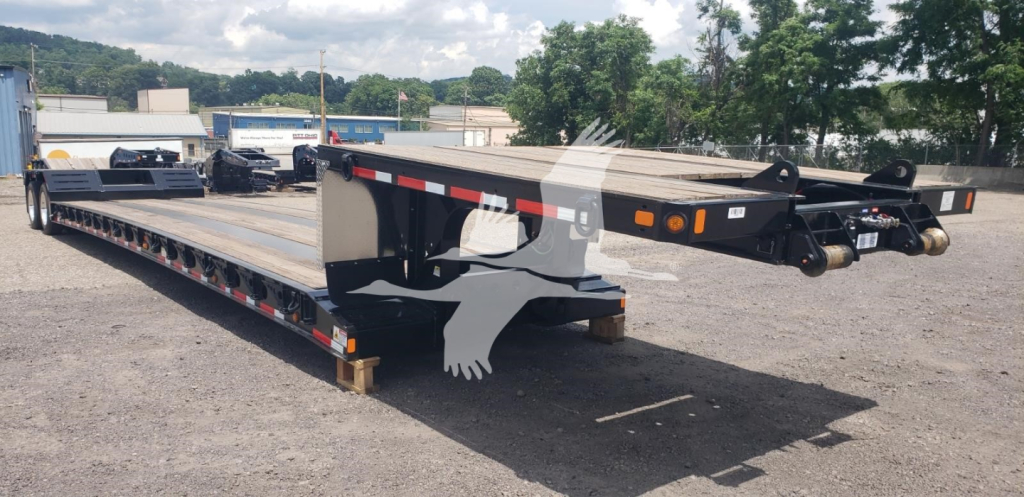
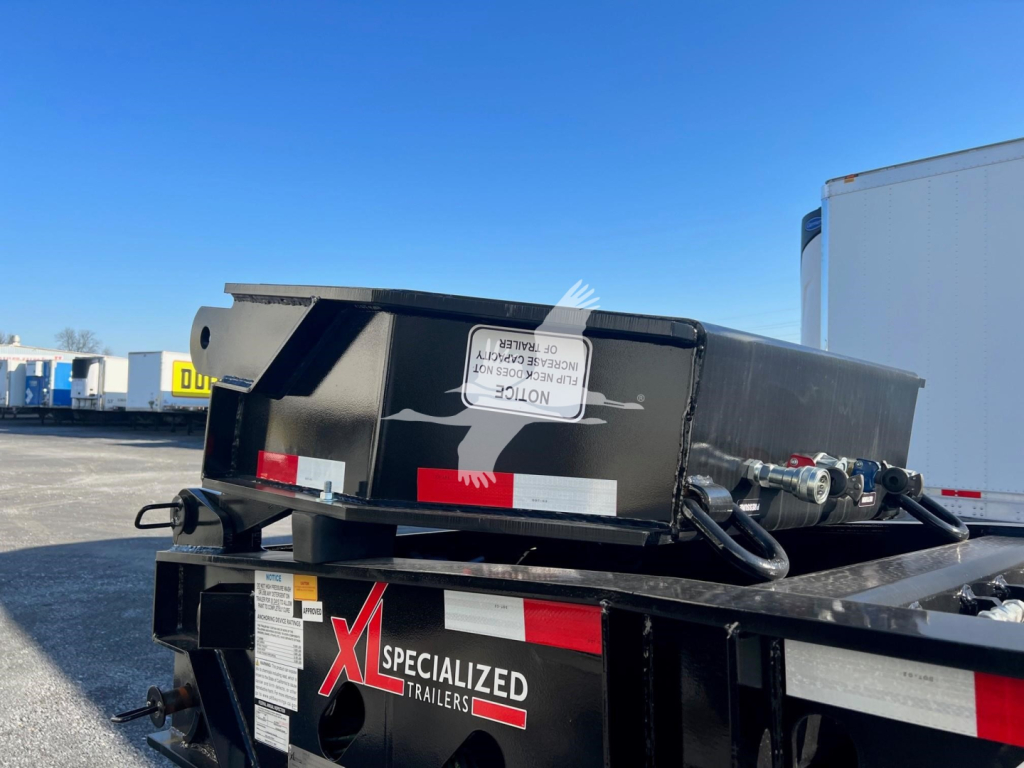
A lot of the buying decision comes down to neck style, detach system, and how the trailer will be used day to day. Hydraulic detachable goosenecks are popular for operators loading self-propelled equipment because they speed up loading and unloading, while mechanical detachable designs can be simpler and lighter. Full-width necks, classic necks, and scraper-style necks each affect swing clearance, fifth wheel height range, and approach angle. On many new double drop expandable trailers, buyers will also see non-ground-bearing hydraulic necks, variable ride height positions, liquid-filled gauges, and pony motors for independent hydraulic operation. If you are matching to multiple road tractors, kingpin setting and loaded fifth wheel height matter just as much as the trailer's capacity rating.
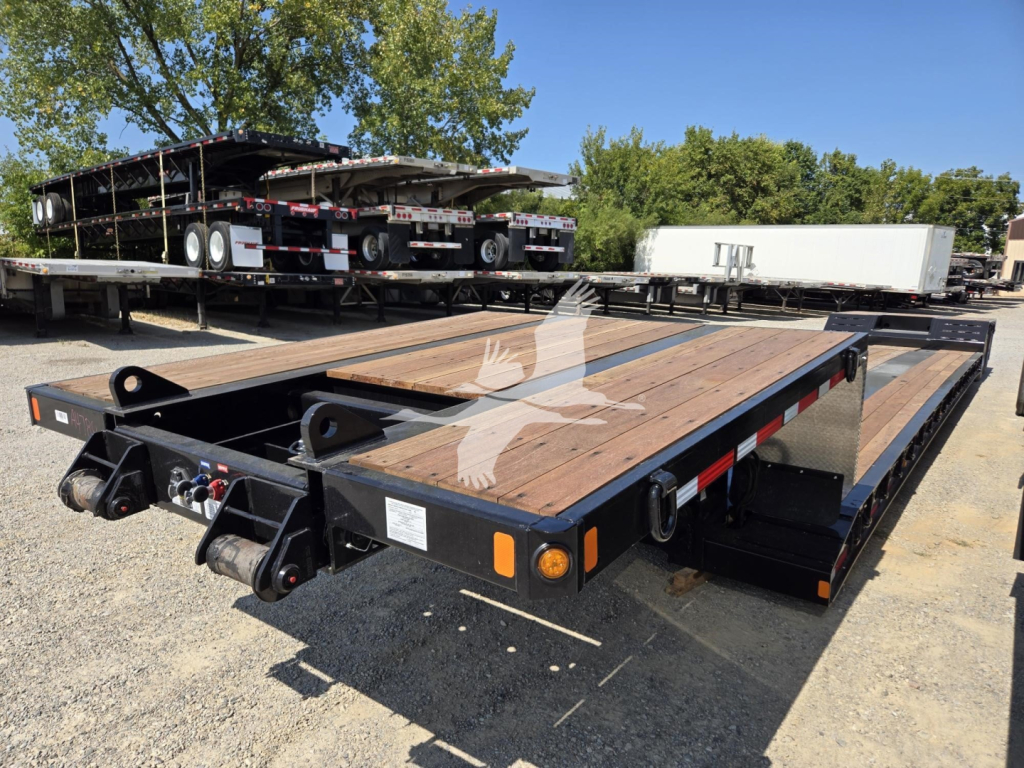
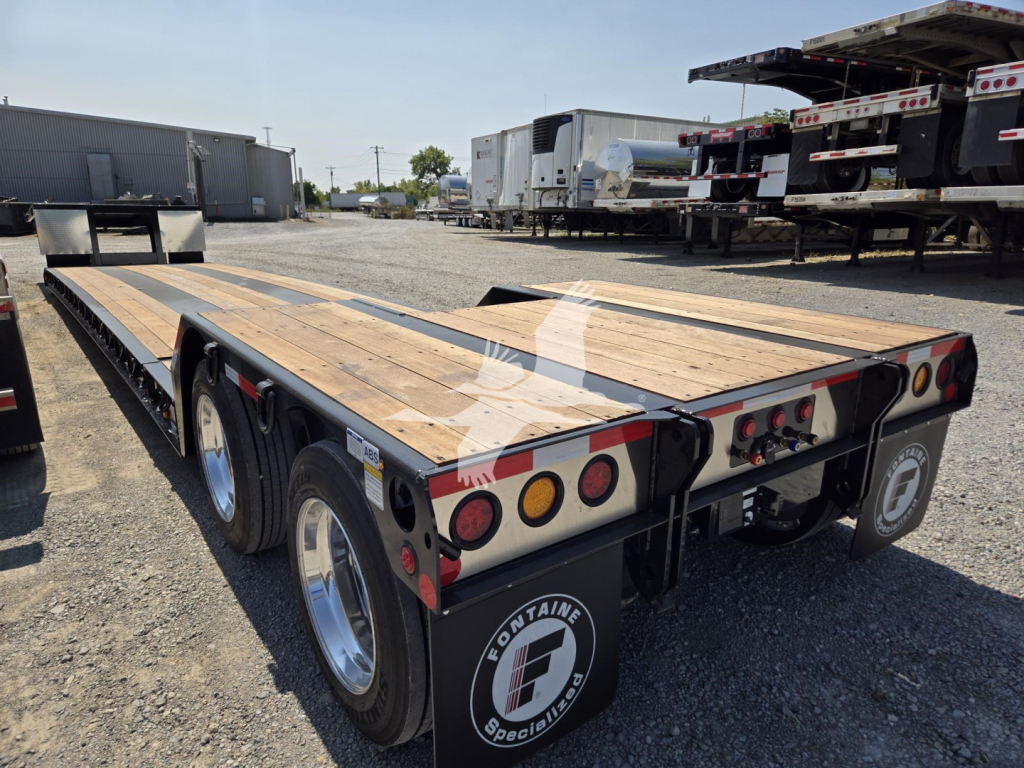
Deck construction and securement layout are equally important. Steel perimeter frames with Apitong flooring are common because they balance durability, repairability, and traction for equipment loading. D-ring count, chain pull locations, outriggers, and deck width options can make a major difference when hauling mixed freight. Many units in this category are set up with 102-inch overall width, tandem air ride suspension, 54-inch axle spacing, and 255/70R22.5 low-profile rubber. Some are prepped for flip axles, third-axle additions, neck extensions, or booster compatibility, which can be important if your freight profile is changing or if bridge law and permitting requirements vary by state.
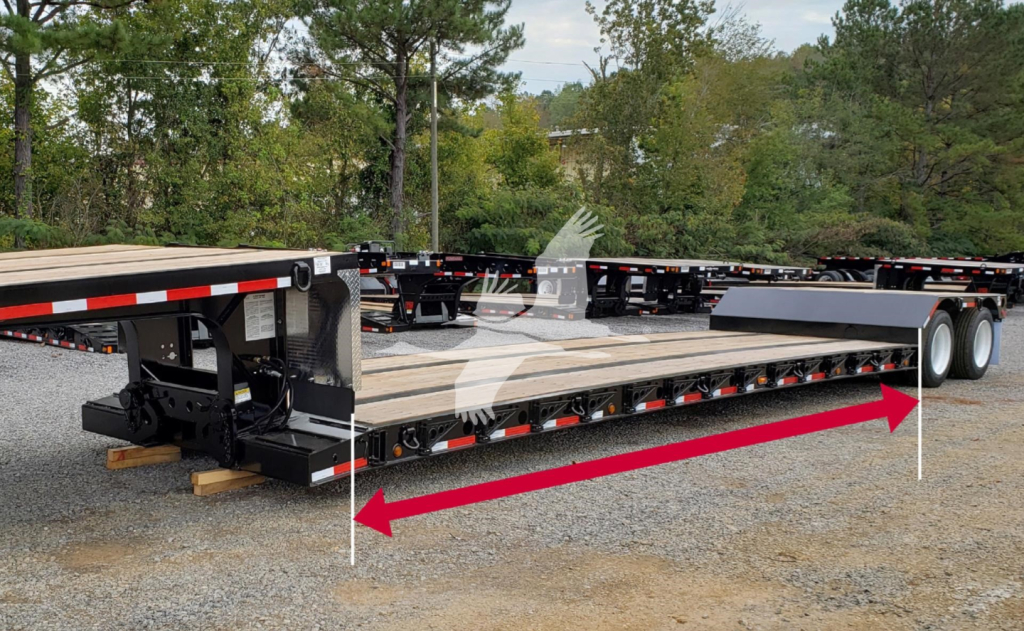
For buyers comparing new double drop expandable trailers, the practical questions are straightforward: how low does the loaded deck sit, how much clear deck is available before and after expansion, how quickly can it be loaded, and what axle options are available for future growth. Swing clearance, rear deck design, crossmember spacing, frame construction, and ground clearance all affect how the trailer performs with real freight. A trailer that looks similar on paper can behave very differently once you factor in deck height under load, hydraulic stroke, rear bogie design, and securement access. In this category, the best fit is usually the trailer that matches your most frequent load first, then gives you enough expandability and axle flexibility to cover occasional oversized work without forcing constant compromises.
Frequently Asked Questions about New Double Drop Expandable Trailers
What is a double drop expandable trailer used for?
A double drop expandable trailer is used to haul heavy and over-dimensional freight that needs both a low deck height and additional deck length. Typical loads include construction machines, long industrial components, vessels, tanks, and specialized equipment that may be too tall for a flat deck or too long for a standard fixed-well lowboy. The double drop design lowers the main deck between the neck and rear bogie, and the expandable feature allows the well or deck section to stretch for longer cargo.
What capacity range is common for new double drop expandable trailers?
Many new double drop expandable trailers in this segment are built in the 30-ton to 40-ton range, although exact ratings depend on load distribution, deck length, axle group, and whether a flip axle or additional axle is installed. Buyers should read the capacity statement carefully because a trailer may be rated for a certain tonnage in a defined deck length such as 16 feet, not across the entire expanded deck. For heavy haul work, axle configuration and state bridge requirements are just as important as the headline ton rating.
What should I look for in the detachable gooseneck?
The detachable gooseneck affects loading method, tractor compatibility, and operating speed. Hydraulic detachable necks are often preferred for frequent loading because they reduce manual steps and work well for self-propelled equipment. Mechanical detachable necks can offer a simpler design and lower tare weight in some applications. Buyers should compare loaded fifth wheel height range, kingpin setting, swing clearance, ground-bearing versus non-ground-bearing design, and whether the neck has enough stroke or ride height adjustment to match their tractors and loading conditions.
Why do deck height and ground clearance matter so much on this trailer type?
Deck height directly affects the overall loaded height of the freight, which is critical for permit routing and bridge clearance. A lower main deck can make the difference between a legal move and an over-height load. Ground clearance matters because extremely low trailers can drag or hang up on jobsite entrances, railroad crossings, and uneven pavement. The right balance depends on the freight being hauled, the roads traveled, and the loading environment. Buyers should evaluate loaded deck height, not just unloaded specifications.
Are flip axles and third-axle provisions worth having on a new double drop expandable trailer?
For many heavy haul operators, yes. Flip axle connections or third-axle provisions give the trailer more flexibility as load weights, permit requirements, and regional regulations change. Even if the trailer will usually run as a tandem, having the frame, rear connection points, and hydraulic or electrical provisions for future axle additions can improve resale value and reduce retrofit cost later. This is especially important for fleets that handle a mix of legal and over-dimensional freight across multiple states.