
New Double Drop Expandable Trailers For Sale in Pennsylvania
New double drop expandable trailers for heavy haul service, with low deck height, stretch capability, and specs built for oversized loads.
Selling a new double drop expandable trailer? List your new double drop expandable trailer for sale and reach thousands of commercial buyers.
New Double Drop Expandable Trailers in Pennsylvania
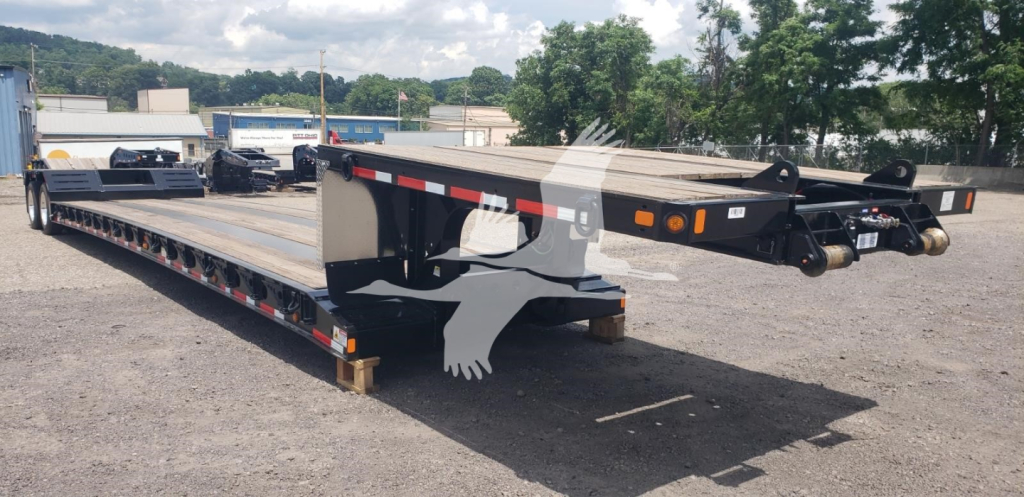
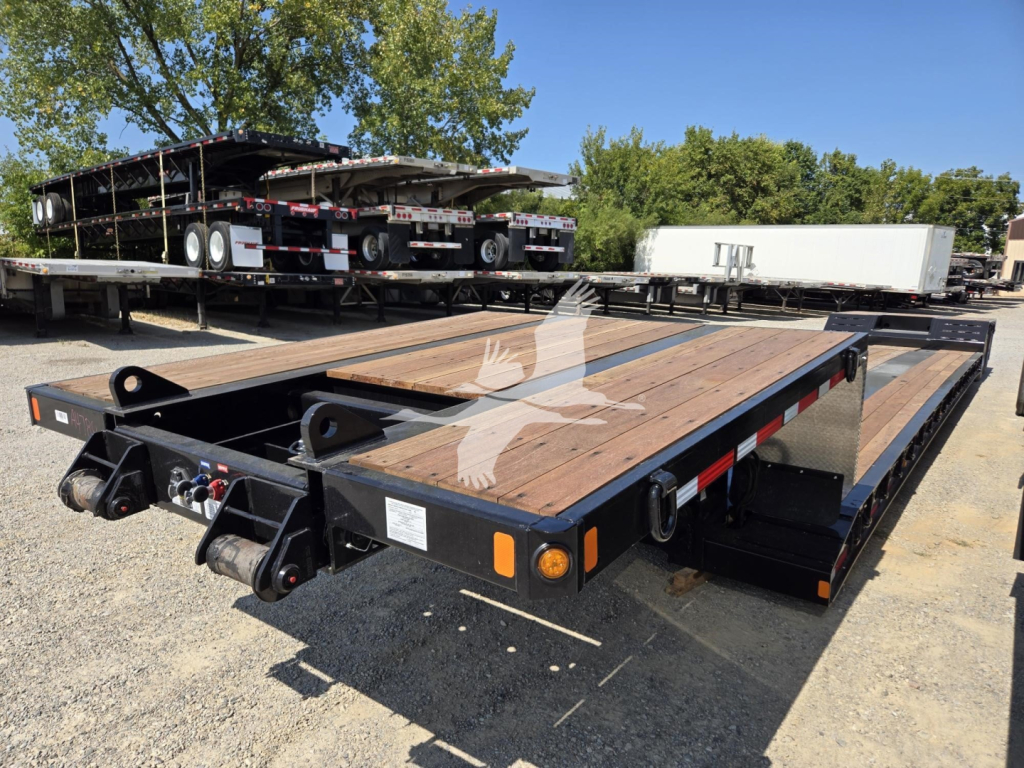
Deck geometry matters more in this category than almost anything else. Buyers typically compare top deck length, loaded deck height, ground clearance, closed length, and open length first. Many new units in this class run a 53-foot overall length with a main deck that can stretch from the mid-30-foot range to around 60 feet open, plus a deck height around 20 inches with roughly 6 inches of ground clearance. That combination works well for taller equipment that still needs enough under-trailer clearance for practical jobsite and highway use. Capacity is often rated over a defined deck section, such as 40 tons in 16 feet, so it is important to match the rating to the actual footprint and axle loading of the freight, not just the headline tonnage.
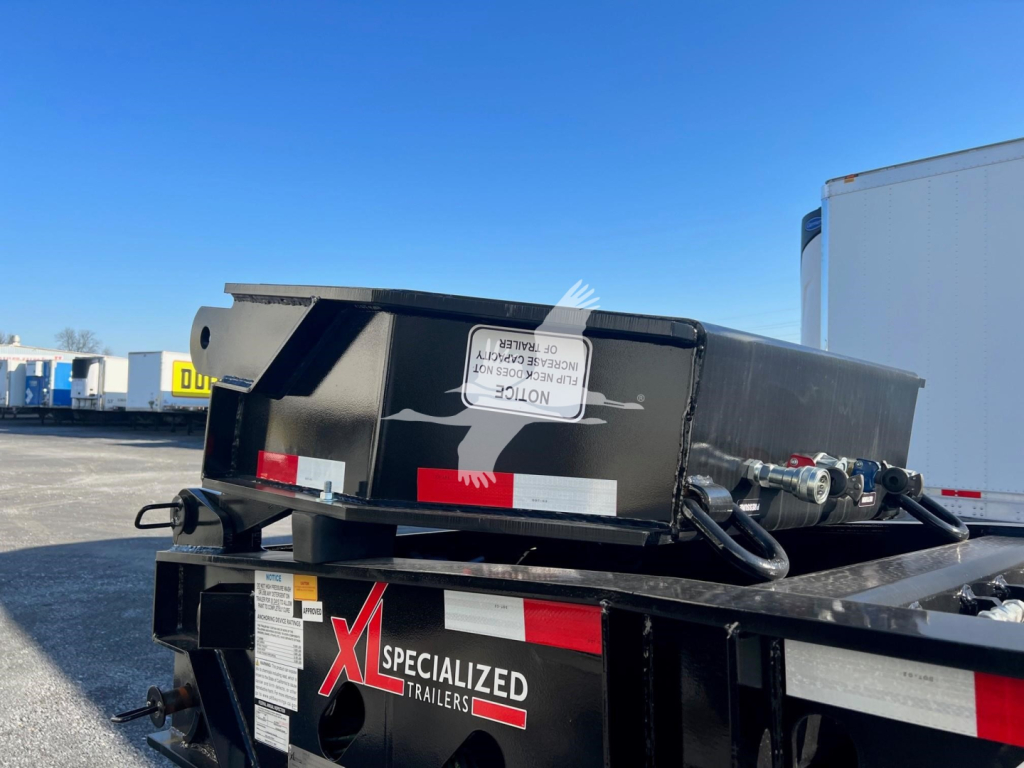
Pennsylvania buyers often focus on axle configuration, suspension, and permit-friendly dimensions because heavy haul work in the Northeast means tighter roads, varied bridge restrictions, and seasonal hauling conditions. Air ride suspensions from brands like Hendrickson are common on new expandable double drops, and many trailers are built to accept a flip axle or prepared for a flip box to increase capacity and improve permit options when the load requires it. Key spec details worth checking include kingpin setting, axle spacing, crossmember centers, side rail construction, number of outriggers, D-ring count, and tire size. Features like Apitong flooring, traction cleats on sloped ramps or bogie transitions, chain-lift front axles, and stainless accent packages are common on premium builds, but the practical value is in load securement, durability, and easier day-to-day operation.
A good double drop expandable should be selected around the freight profile, not just the posted capacity. Narrow deck designs can be useful for concentrated equipment loads, while wider outriggers and stronger side rails matter for machines with variable track widths or support cribbing. Look closely at deck length in the well, loaded height, rear deck arrangement, and compatibility with booster or flip configurations if future hauling needs may grow. For buyers comparing new Fontaine, XL Specialized, and similar heavy haul brands, the best choice usually comes down to how efficiently the trailer handles permit dimensions, how well it supports the specific machine or component being moved, and how much flexibility it offers before a more specialized lowboy is required.
Frequently Asked Questions about New Double Drop Expandable Trailers in Pennsylvania
What is a double drop expandable trailer used for?
A double drop expandable trailer is used for hauling tall and oversized freight that benefits from a low main deck and variable deck length. Common applications include construction equipment, industrial machinery, tanks, structural components, and other loads that may exceed standard flatbed height or length limits. The expandable frame allows the trailer to carry longer freight while the double drop well helps keep overall loaded height lower for route compliance.
How is a double drop expandable different from a standard double drop trailer?
The main difference is the telescoping deck section. A standard double drop has a fixed deck length, while a double drop expandable can extend to handle longer loads. That added flexibility is valuable for buyers who haul different freight profiles and do not want to dedicate a separate trailer to occasional long pieces. The tradeoff is that buyers need to pay close attention to closed length, open length, weight, and how capacity is rated across the deck.
What specs matter most when buying a new double drop expandable trailer?
The most important specs are main deck length closed and open, loaded deck height, ground clearance, top deck length, rear deck length, width, axle configuration, and the trailer's capacity over a stated deck section. Buyers should also review kingpin setting, suspension type, axle spacing, deck flooring, side rail design, securement points, and whether the trailer is designed to accept a flip axle or other capacity-adding equipment. These details determine how well the trailer fits permit requirements and real-world load securement needs.
Are flip axles and flip boxes important on an expandable double drop?
They can be very important for heavy haul operations that regularly face axle weight limits or changing permit requirements. A trailer that is designed to accept a 3rd axle flip or prepped for a flip box gives the operator more flexibility to spread weight and adapt to larger loads without replacing the base trailer. Even if the trailer will run in a simpler configuration most of the time, that compatibility can add long-term value and improve resale appeal.
Why do deck height and ground clearance matter so much on this trailer type?
Deck height directly affects loaded height, which is one of the first constraints in oversized hauling. A lower main deck helps carry taller freight with fewer route issues, but ground clearance still has to be sufficient for transitions, uneven pavement, and jobsite entrances. The best setup balances low deck height with enough clearance to operate safely in the conditions the trailer will actually see. That balance is especially important in regions with rough approaches, bridge transitions, and secondary roads.