
Double Drop Expandable Trailers For Sale
Compare double drop expandable trailers with detachable necks, low deck heights, and stretch capability for longer heavy-haul loads.
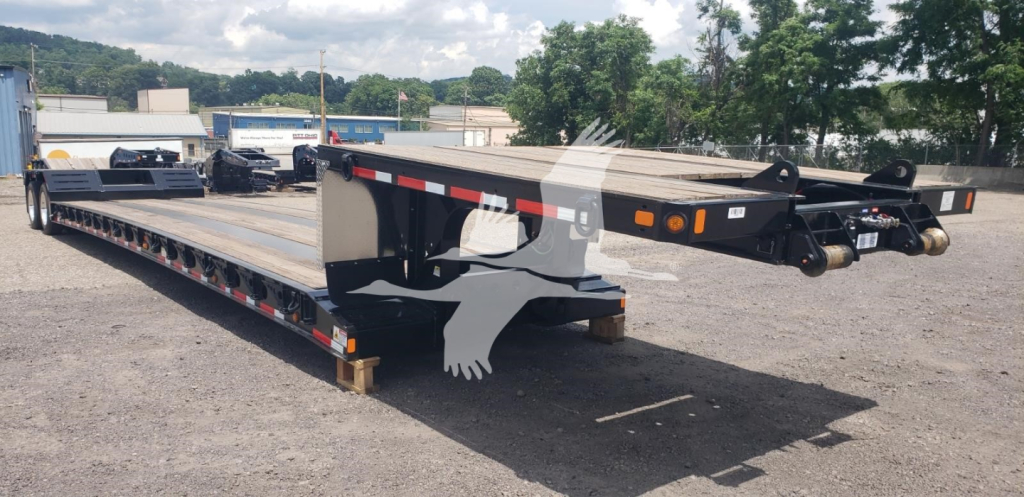
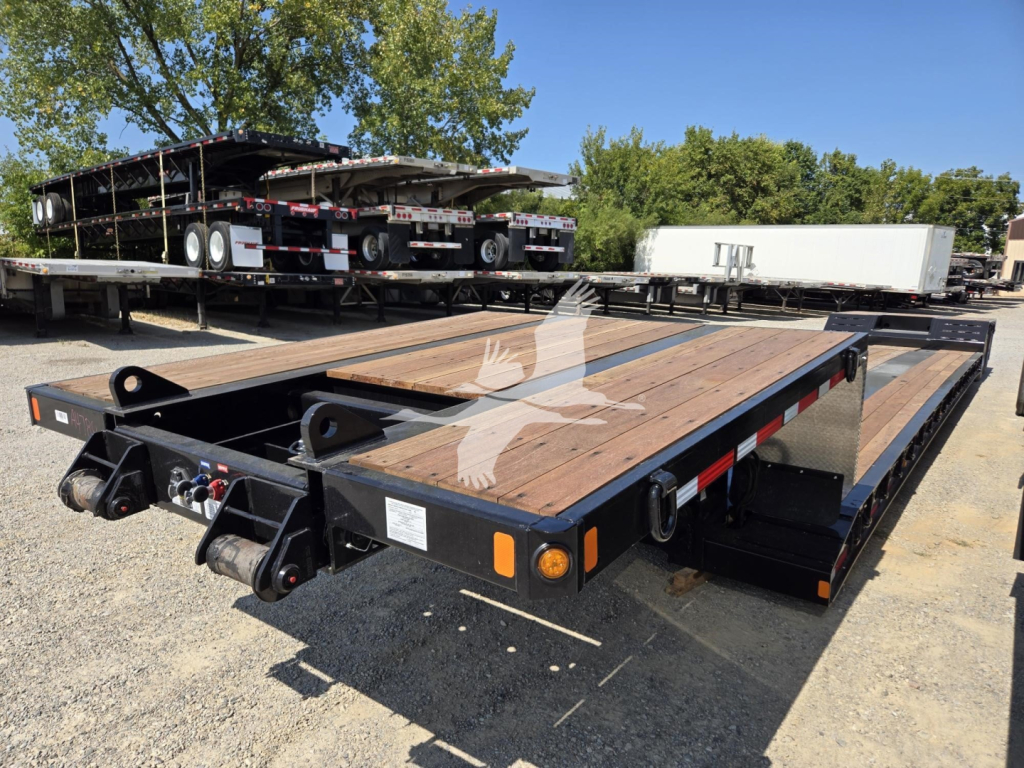
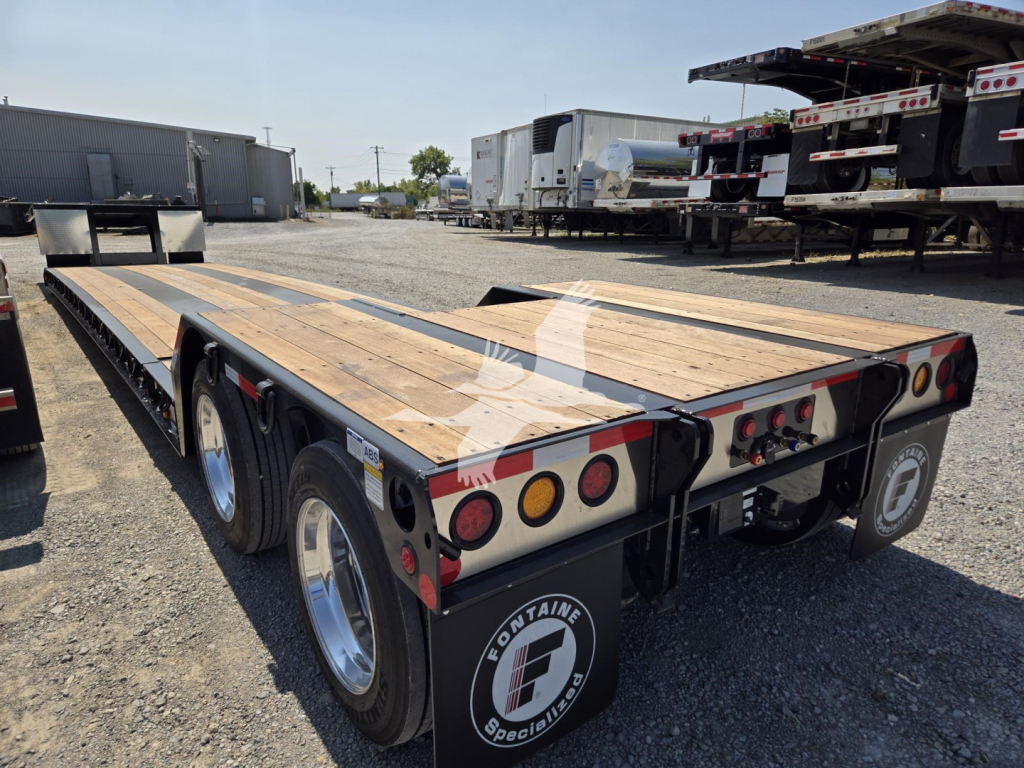
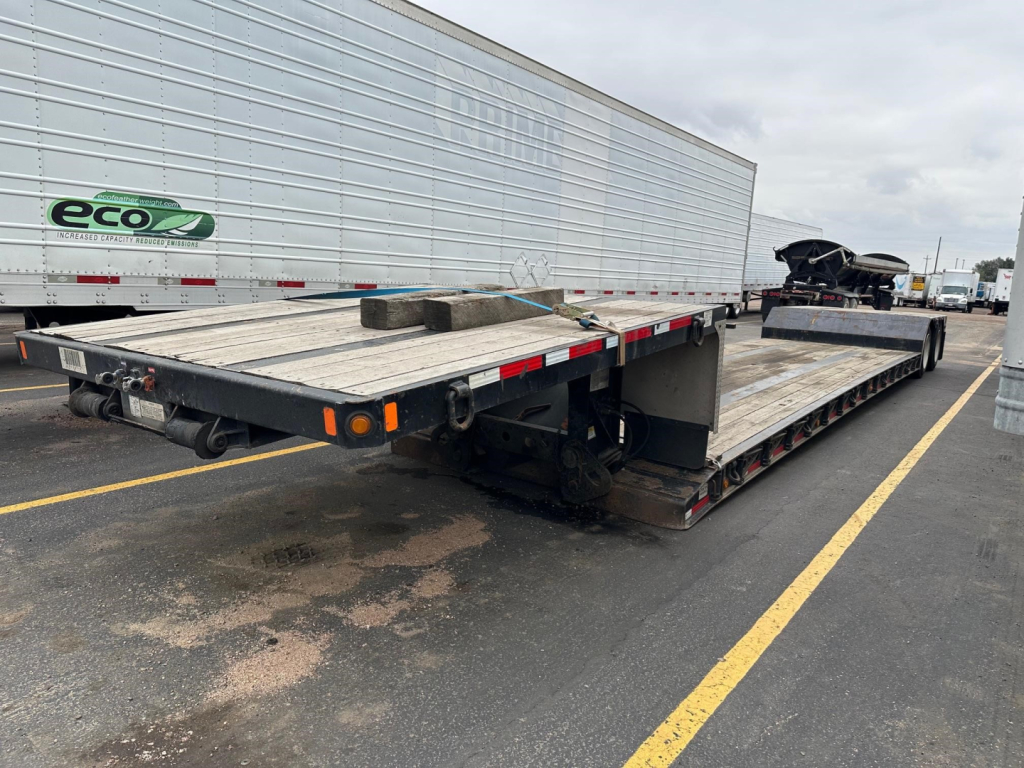
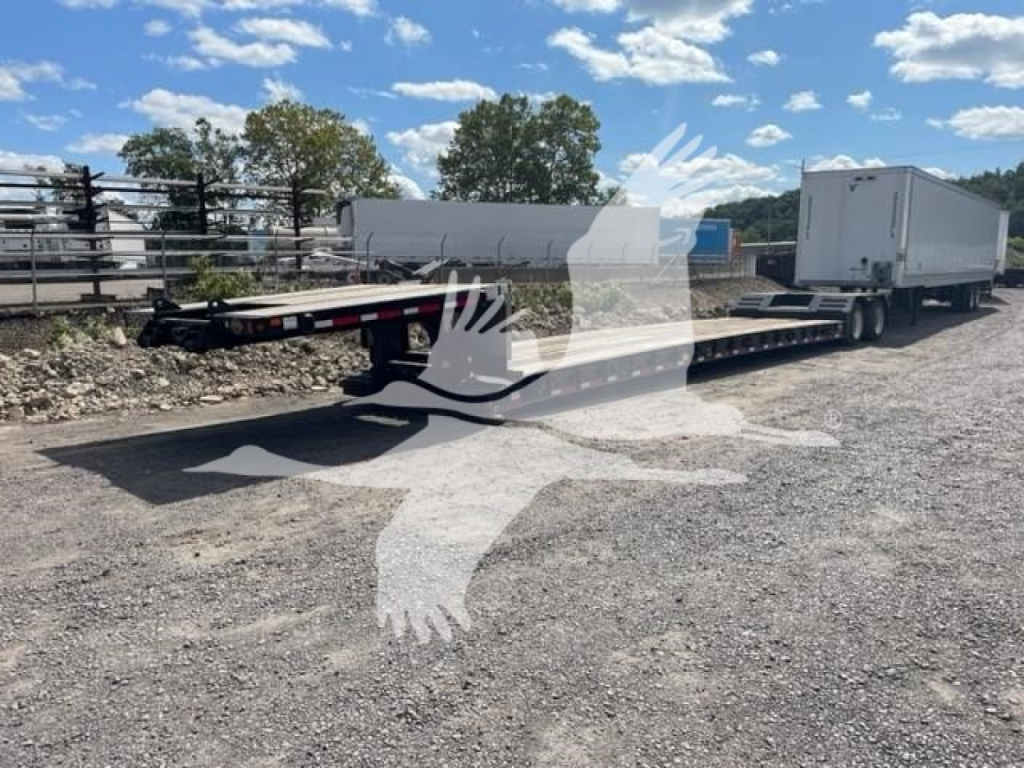
Selling a double drop expandable trailer? List your double drop expandable trailer for sale and reach thousands of commercial buyers.
Double Drop Expandable Trailers
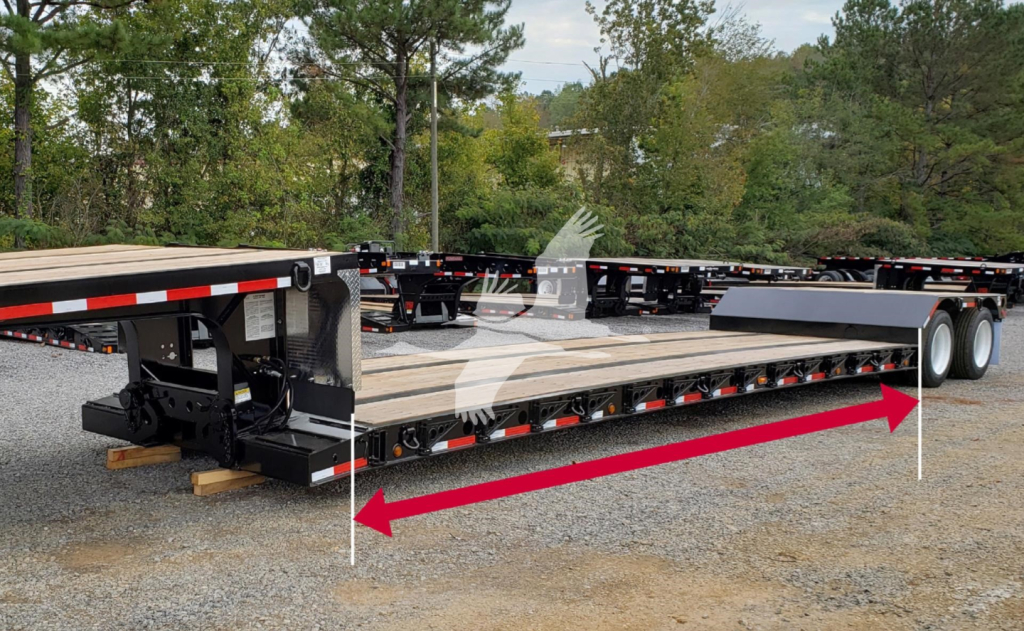
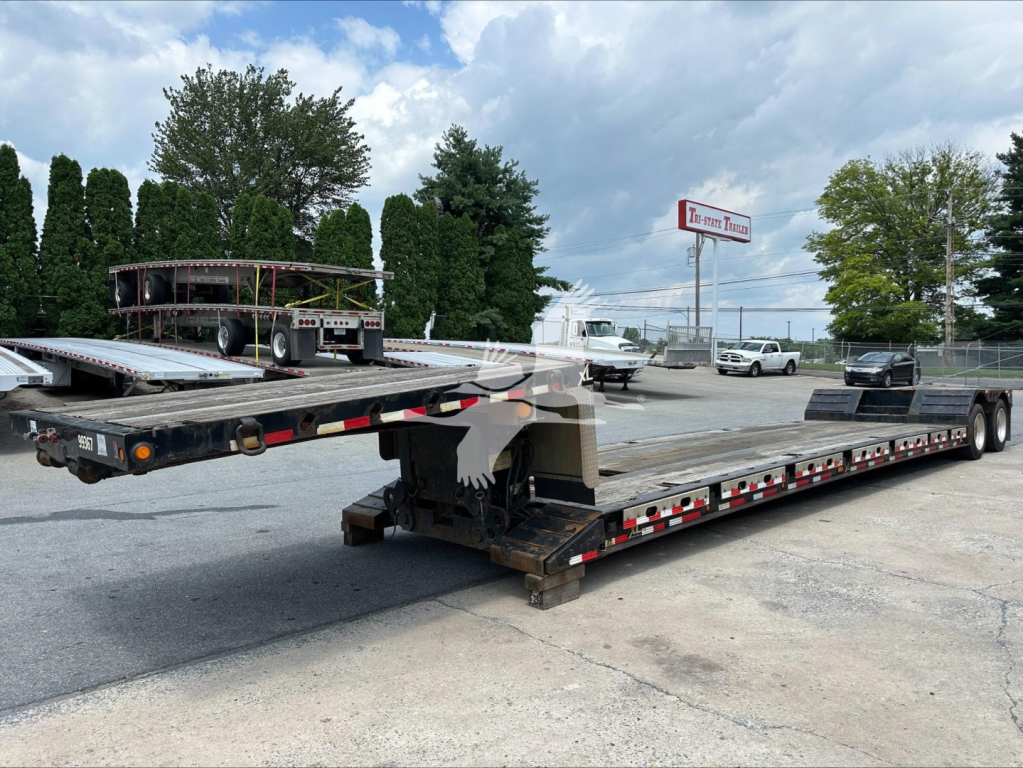
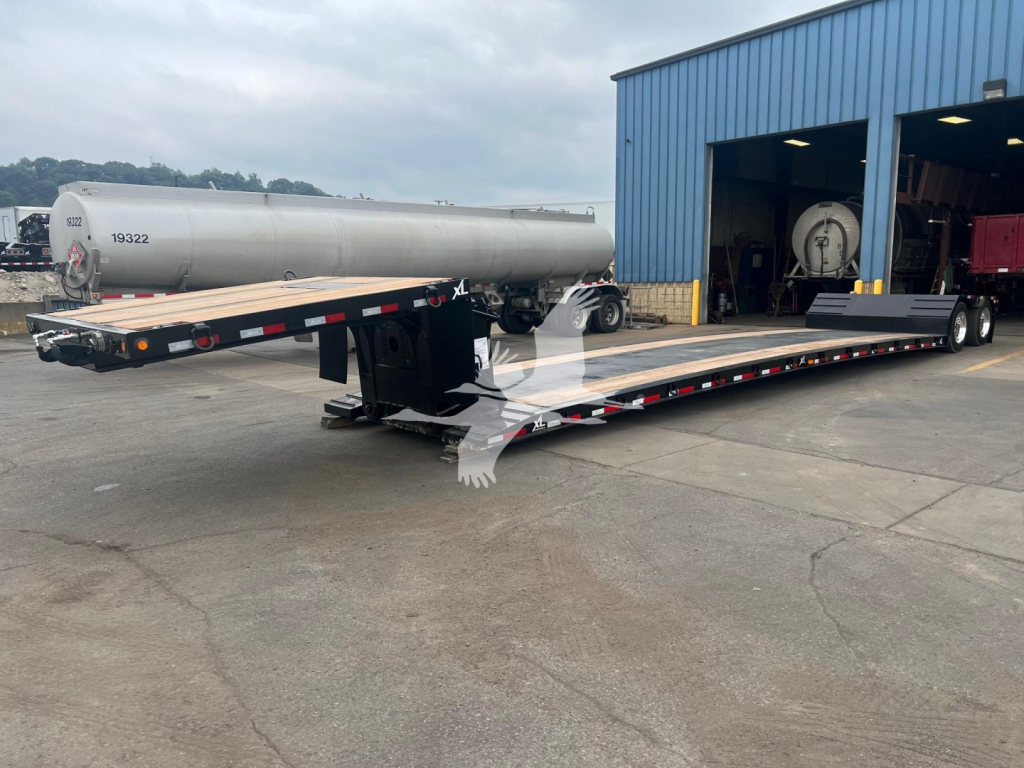
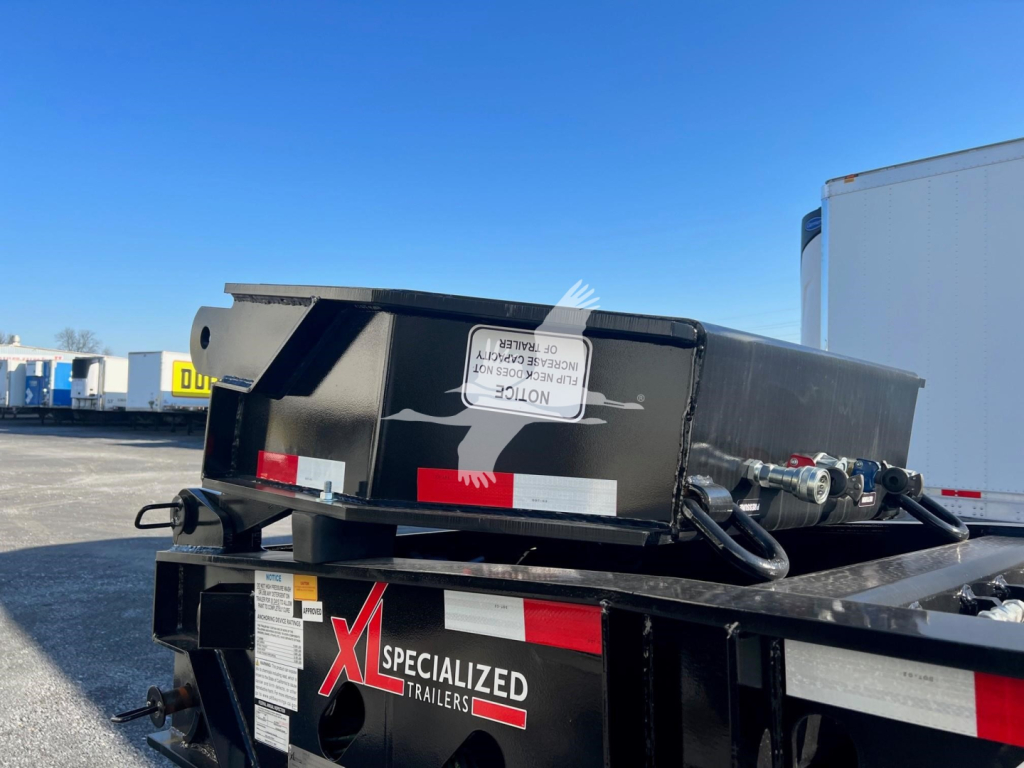
The first decision is usually neck style and loaded height. Mechanical detachable necks are simpler and typically lighter, while hydraulic detachable necks speed up loading and can be a better fit for operators handling frequent detach cycles or varied loading conditions. Full-width neck designs give better support for machinery with wider track or tire stance and often improve loading flexibility. Buyers should pay close attention to main deck height and ground clearance, since a 12-inch loaded deck behaves very differently from a 20-inch deck when route planning, bridge clearance, and breakover angle come into play. Swing clearance, kingpin setting, fifth wheel height compatibility, and ride height adjustment range all matter if the trailer will move between different tractors.
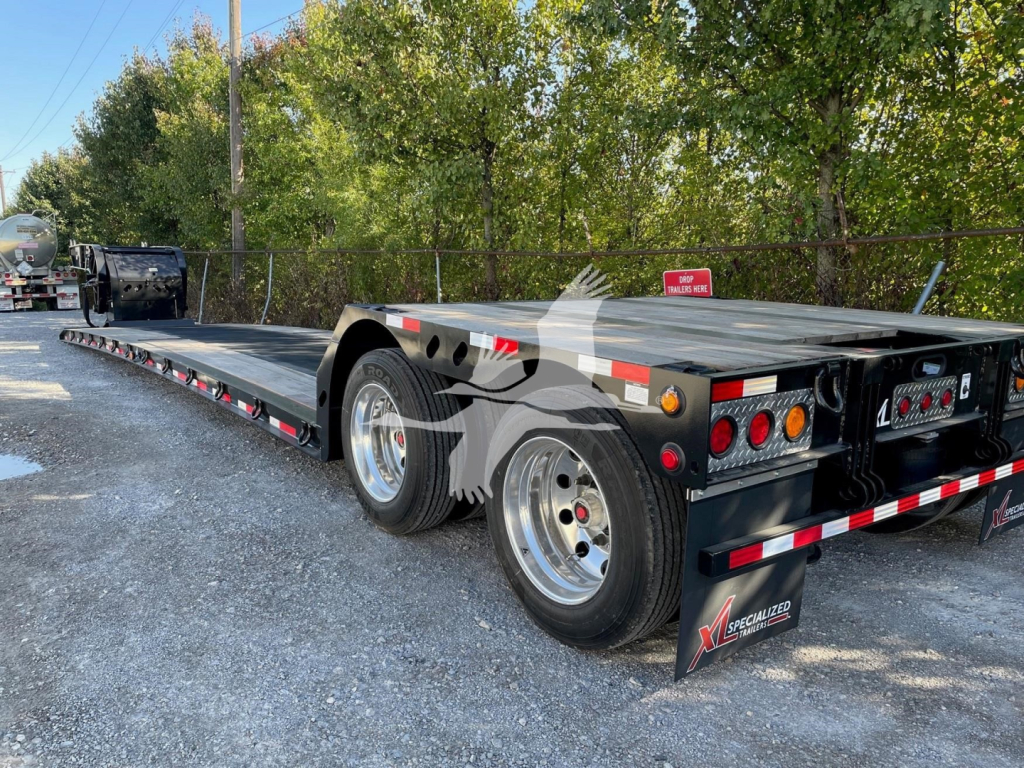
Expandability changes how useful the trailer is across multiple load profiles, but it also adds inspection points. Check the extension design, deck rating in closed and extended positions, crossmember spacing, and how the trailer carries concentrated loads across the beam structure. Apitong flooring is common because it holds up well under steel tracks and heavy point loads, and many units add steel or coated decking between the main beams for durability. Outriggers, D-rings, flag holders, rear strobes, and flip axle provisions are not minor details on this trailer class. They affect securement options, legal setup, and how easily the trailer can be configured for different machines, components, or overlength pieces. Air ride suspension, raise-and-lower valves, and 255/70R22.5 rubber are common in this category, especially on tandem axle setups designed to accept a third axle flip.
A good double drop expandable trailer should match the freight mix, not just the headline tonnage. Some buyers need a mini-deck style trailer with very low deck height for taller equipment. Others need a more conventional double drop expandable with enough stretch for long construction components, crushers, tanks, or oversized attachments. Pay attention to empty weight, axle spacing, rear deck design, ramp or bogie transition details, and the trailer's compatibility with flip boxes or jeep and booster combinations if your work moves into heavier or more specialized permit loads. The best spec is the one that gives legal flexibility, manageable tare weight, and the securement layout your loads actually require.
Also known as: Extendable Double Drop Trailer, Stretch Double Drop Trailer
Frequently Asked Questions about Double Drop Expandable Trailers
What is a double drop expandable trailer used for?
A double drop expandable trailer is used for hauling freight that is too tall for a flatbed or step deck and too long for a fixed-length lowboy. The dropped main deck lowers overall loaded height, while the extendable section adds deck space for long equipment, fabricated components, and oversized machinery. This combination makes the trailer especially useful in heavy haul, construction, energy, and specialized transport work.
What is the difference between a double drop expandable and a standard lowboy?
A standard lowboy is usually a fixed-length detachable trailer designed around concentrated heavy equipment loads, while a double drop expandable adds stretch capability through the main deck. The double drop expandable is often chosen when load height and length are both concerns. It can handle taller freight in the well and still extend for longer cargo, which gives it more versatility across mixed specialized loads.
Should I choose a mechanical or hydraulic detachable neck?
Mechanical detachable necks are generally simpler, lighter, and easier to maintain, which appeals to buyers who want a straightforward trailer with fewer hydraulic components. Hydraulic detachable necks improve loading speed and convenience, especially when detach frequency is high or the operation handles a variety of machines and site conditions. The better choice depends on loading volume, shop support, and how much value you place on speed versus simplicity.
What specs matter most on a double drop expandable trailer?
Deck height, ground clearance, closed and extended deck length, neck type, axle configuration, and rated capacity are the core buying specs. After that, buyers should look closely at kingpin setting, swing clearance, crossmember spacing, flooring type, D-ring count, outriggers, and provisions for flip axles or other axle additions. These details determine how well the trailer fits your tractor, your permit strategy, and the actual shape and securement needs of your freight.
Can a double drop expandable trailer handle tracked equipment and concentrated loads?
Many can, but the trailer has to be spec'd for that type of freight. Tracked equipment and other concentrated loads put more stress on flooring, beam structure, and crossmembers than evenly distributed cargo. Apitong floors, tighter crossmember spacing, strong main beam construction, and clear load rating guidance in both closed and extended positions are important if the trailer will regularly haul excavators, dozers, crushers, or other high point-load equipment.