
2024 Double Drop Expandable Trailers For Sale
Shop 2024 double drop expandable trailers with low deck heights, extendable wells, detachable neck options, and heavy-haul specs.
Selling a 2024 double drop expandable trailer? List your 2024 double drop expandable trailer for sale and reach thousands of commercial buyers.
2024 Double Drop Expandable Trailers
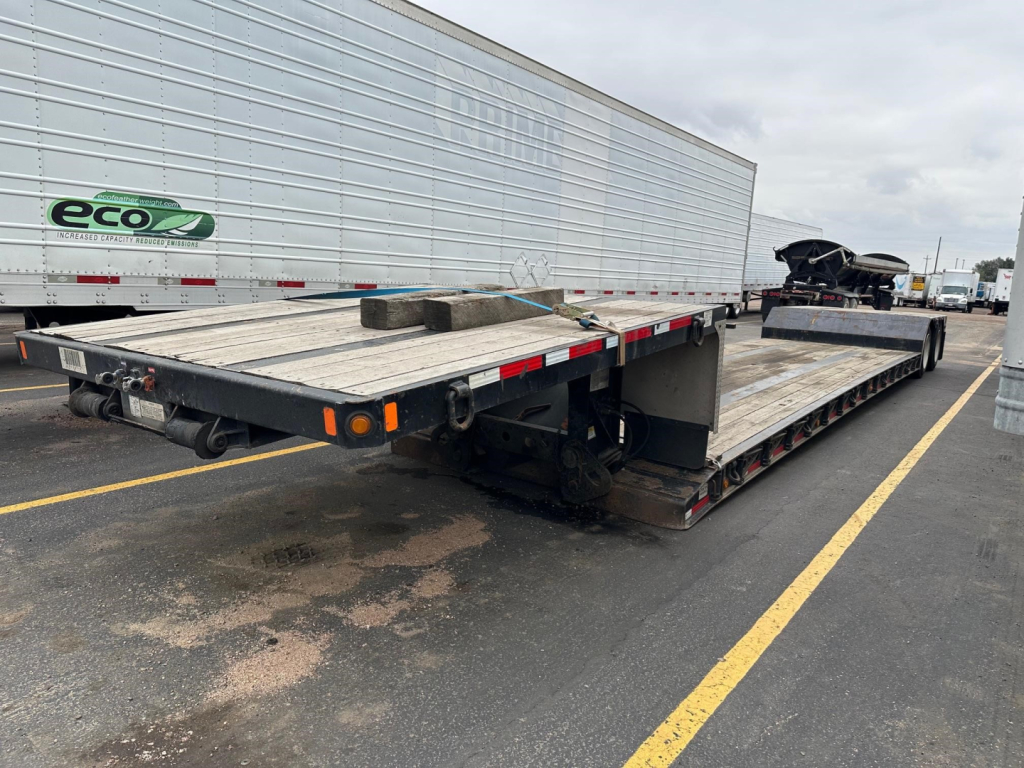
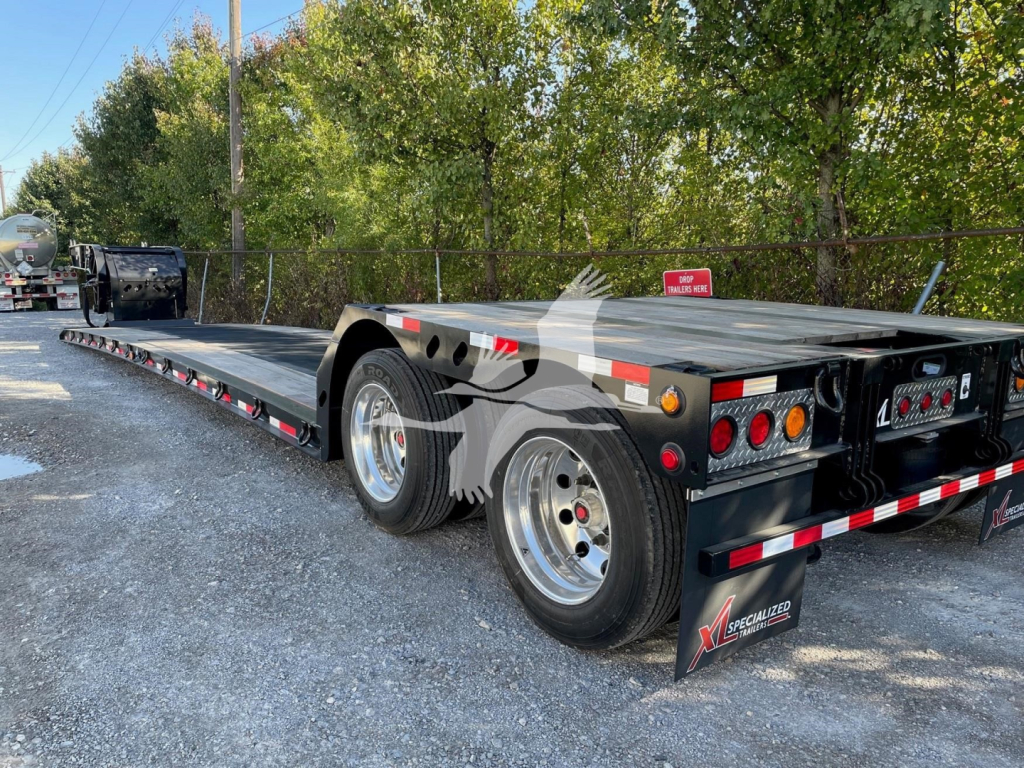
The first buying decision is usually deck configuration. Many double drop expandables in this class run 102 inches wide, with a top deck around 9 to 10 feet, a rear deck around 9 feet, and a main deck that may be roughly 29 to 34 feet closed and extend to around 60 feet open depending on design. Main deck height is often around 12 to 20 inches, with ground clearance commonly in the 4 to 6 inch range. That combination matters because deck height drives loaded legal height, while ground clearance affects how practical the trailer is on jobsite entrances, rail crossings, and uneven approaches. Buyers hauling taller machines often focus on the lowest loaded deck possible, while buyers working mixed routes may accept a slightly taller deck to gain better clearance and less risk of dragging.
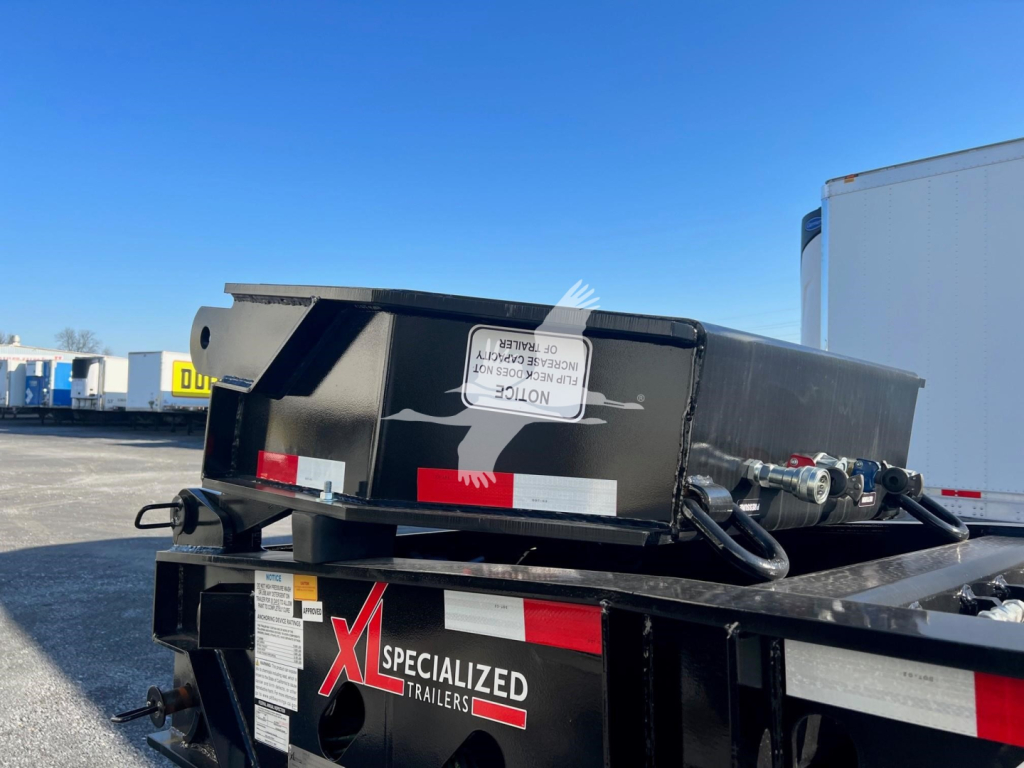
Neck style, axle setup, and expansion design are just as important as published capacity. Mechanical detachable and hydraulic detachable necks are both common, and each fits a different operation. Hydraulic detachable necks with a pony motor can speed up loading and reduce driver effort, especially with frequent detach cycles. Mechanical detachable necks can be lighter and simpler to maintain. Most trailers in this segment are tandem axle air ride units with 54 to 54.5 inch axle spacing, raise-and-lower valves, and provisions for a third axle flip or flip box. If you expect to scale heavy on a regular basis, pay close attention to kingpin setting, fifth wheel height compatibility, swing clearance, axle spacing, and whether the trailer is engineered for future axle additions.
Construction details tell you how the trailer will hold up in real service. Apitong flooring, steel perimeter frames, crossmember spacing, removable or swing outriggers, multiple D-ring pairs, traction cleats, boom troughs, and rear strobes are common features that improve securement, loading safety, and long-term durability. Expandable models tend to weigh more than fixed-well trailers, so empty weight deserves a hard look if payload margin matters in your states. Buyers should also compare deck clear length when extended, concentrated rating such as 40 tons in 16 feet, flip axle compatibility, and the condition of wear components like suspension, brakes, tires, and neck connections. A well-matched double drop expandable trailer can replace multiple specialized trailers in a fleet, but only if the deck geometry and axle configuration fit the freight you actually haul.
Frequently Asked Questions about 2024 Double Drop Expandable Trailers
What is a double drop expandable trailer used for?
A double drop expandable trailer is used to haul tall and long equipment that will not fit efficiently on a standard flatbed or a fixed-length lowboy. The dropped main deck lowers the cargo height between the neck and rear deck, while the expandable well adds deck length for machinery with long track or wheel bases, structural components, and other over-dimensional freight.
What is the advantage of an expandable double drop over a fixed double drop?
The main advantage is flexibility. A fixed double drop is often lighter and simpler, but an expandable model can handle a wider range of load lengths without forcing the operator into a different trailer. That matters for fleets hauling mixed freight, especially when one week involves compact heavy equipment and the next involves longer machines or components that need more well space.
How low is the deck on a double drop expandable trailer?
Deck height varies by manufacturer and configuration, but many double drop expandables have a main deck height in roughly the 12 to 20 inch range. Ground clearance is often around 4 to 6 inches. Lower deck height helps with legal loaded height, but reduced clearance can limit performance on rough jobsite access roads, steep transitions, and railroad crossings.
Should I choose a hydraulic detachable neck or a mechanical detachable neck?
A hydraulic detachable neck is usually the better fit for operations that load and unload frequently because it speeds up the detach process and reduces manual effort. A mechanical detachable neck is often lighter, less complex, and can be more economical to maintain over time. The right choice depends on loading frequency, driver preference, maintenance capability, and how important tare weight is in your freight mix.
What specs matter most when comparing double drop expandable trailers?
The most important specs are concentrated load rating, closed and open well length, loaded deck height, ground clearance, axle configuration, neck type, and whether the trailer is prepped for a flip axle or additional axle capacity. Buyers should also review kingpin setting, swing clearance, outriggers, D-ring placement, floor material, and empty weight because those details directly affect compatibility with tractors, load securement options, and legal payload.