
Double Drop Expandable Trailers For Sale in Pennsylvania
Shop double drop expandable trailers for heavy haul freight with low deck height, detachable neck options, and stretch capacity for longer loads.
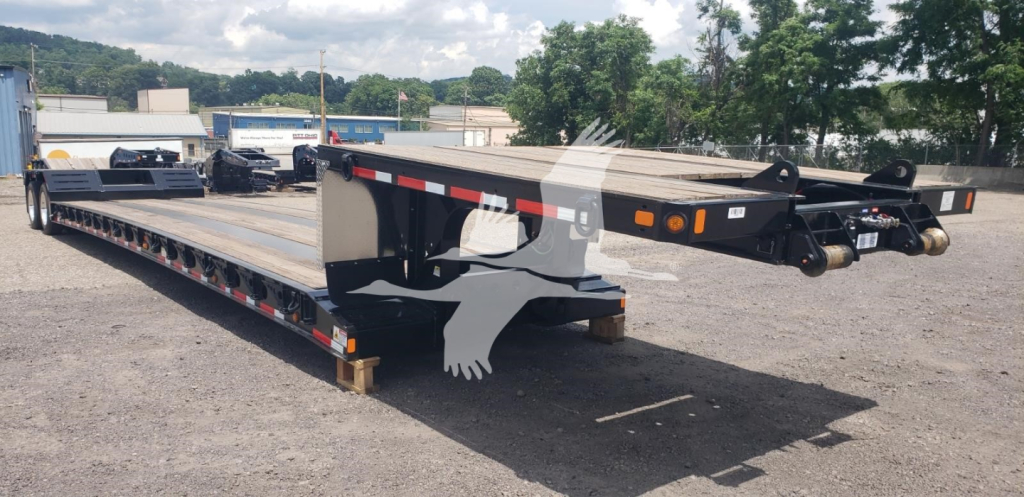
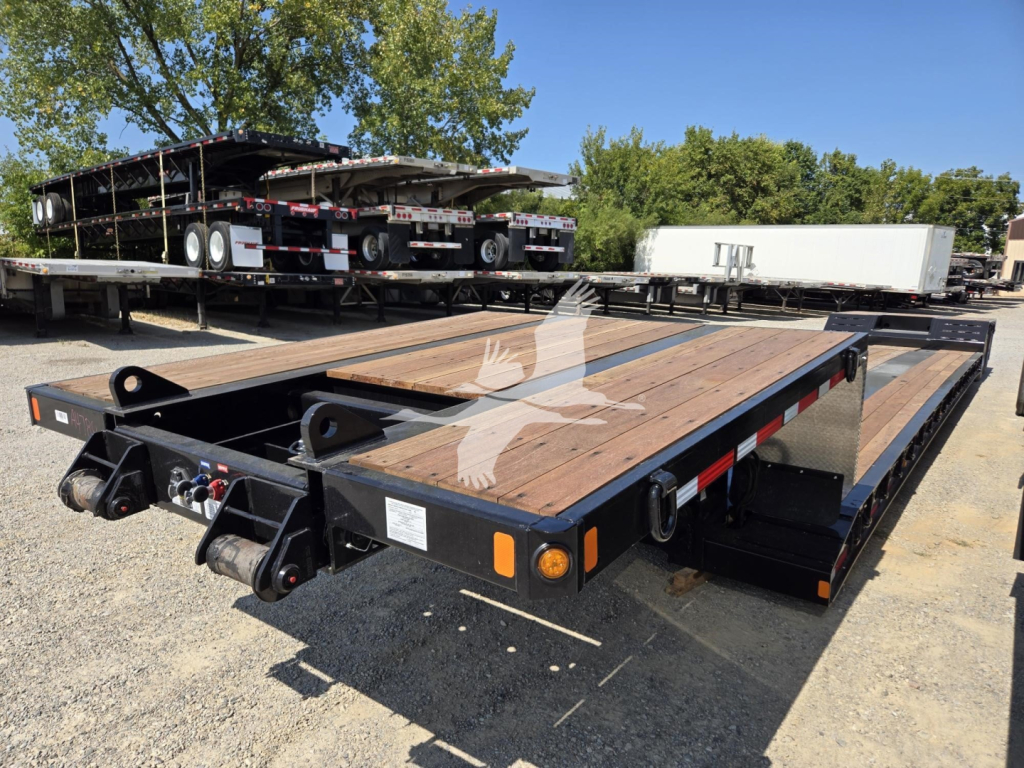
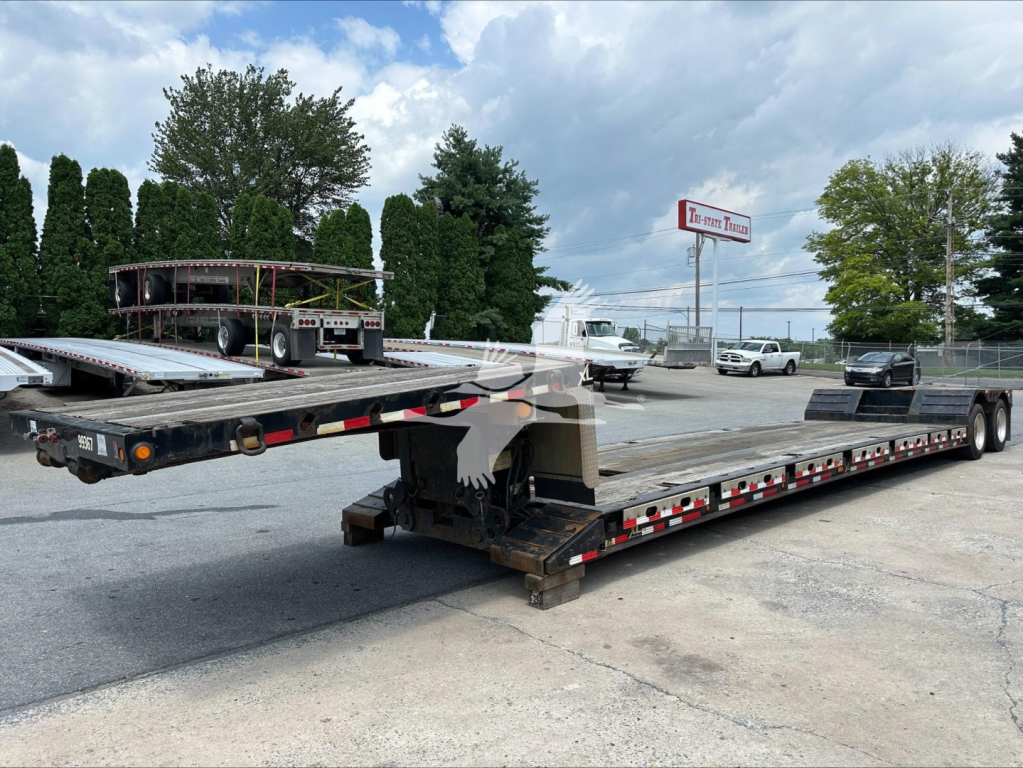
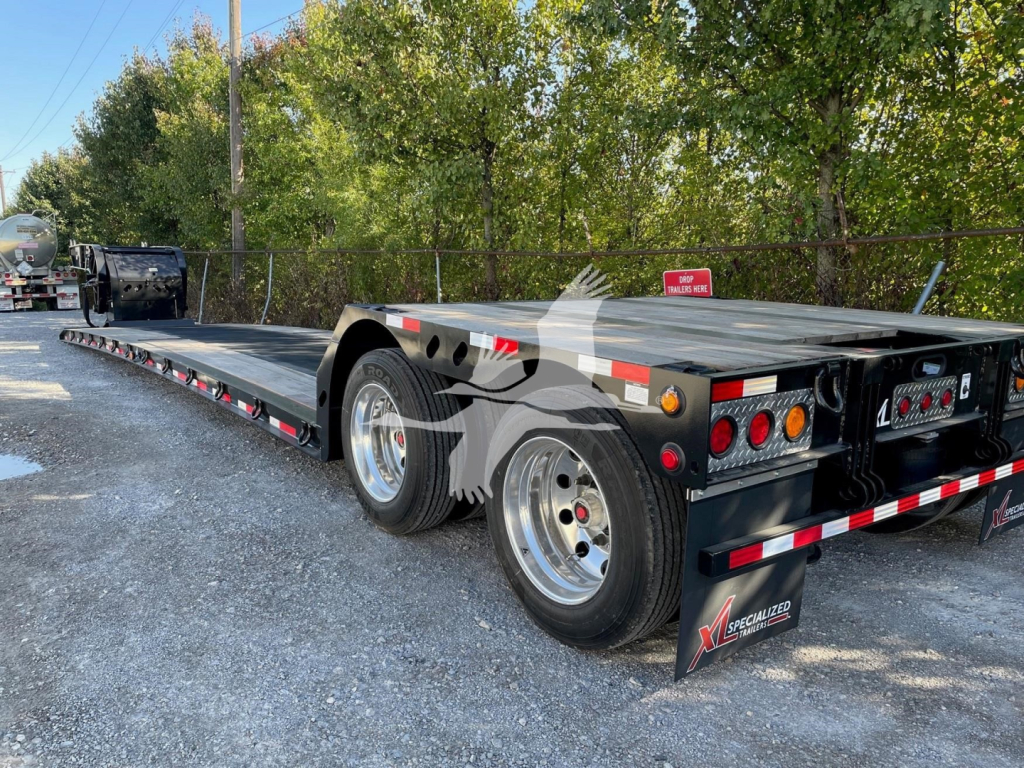
Selling a double drop expandable trailer? List your double drop expandable trailer for sale and reach thousands of commercial buyers.
Double Drop Expandable Trailers in Pennsylvania
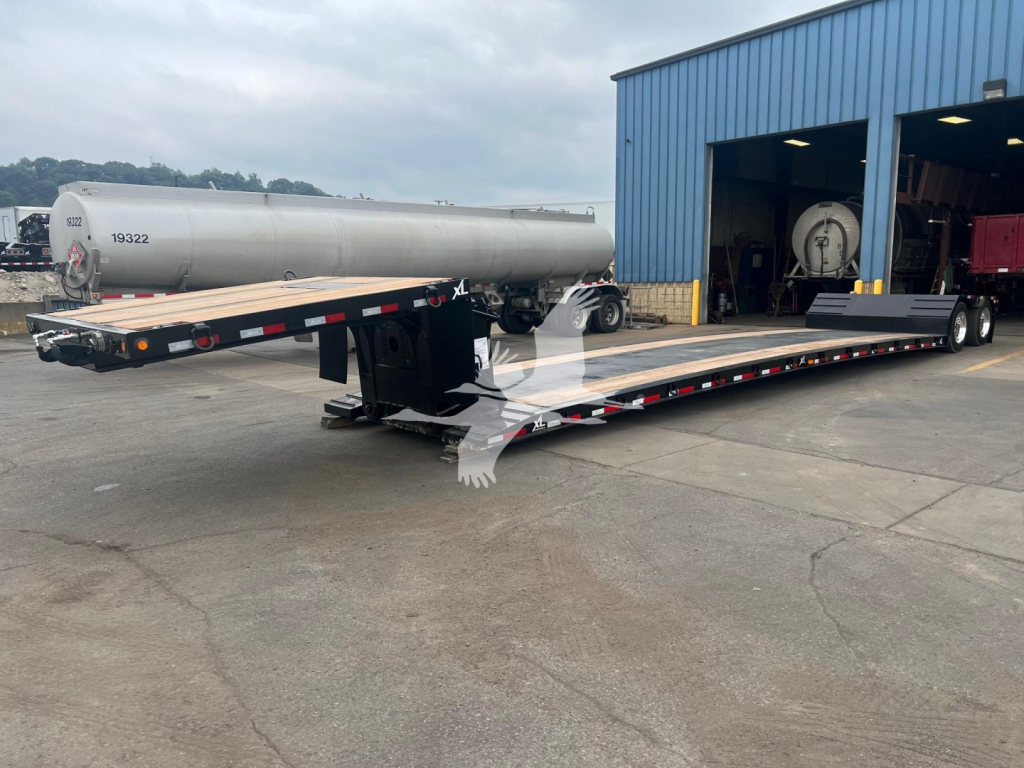
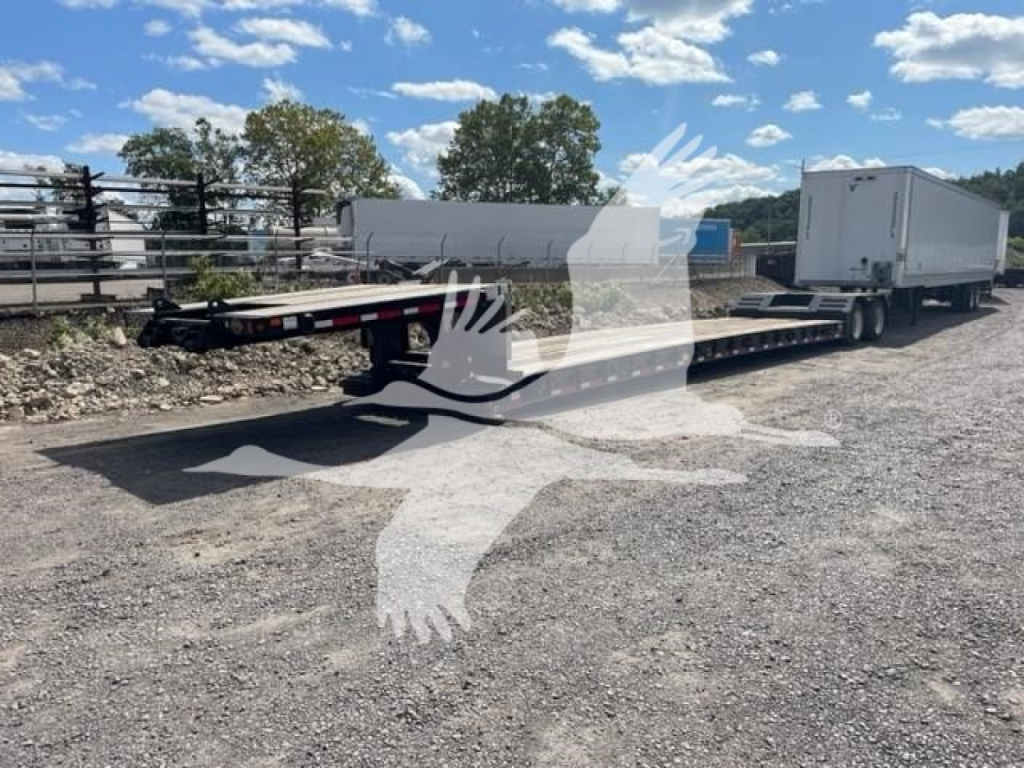
For most buyers, the key decision starts with deck geometry and neck style. Common specs in this category include 102-inch overall width, 53-foot closed length, deck heights ranging from roughly 12 to 20 inches depending on configuration, and extendable deck lengths that can reach around 60 feet or more. Many units use a hydraulic detachable gooseneck or mini-deck design, often with a non-ground-bearing neck, air ride suspension, 16-inch kingpin setting, and tandem axle layouts with provisions for a flip axle or third axle flip. If you regularly handle concentrated machine weight, pay attention to loaded deck height, ground clearance, axle spacing, swing clearance, and whether the trailer is rated by distributed capacity or in a specific deck section such as 16 feet.
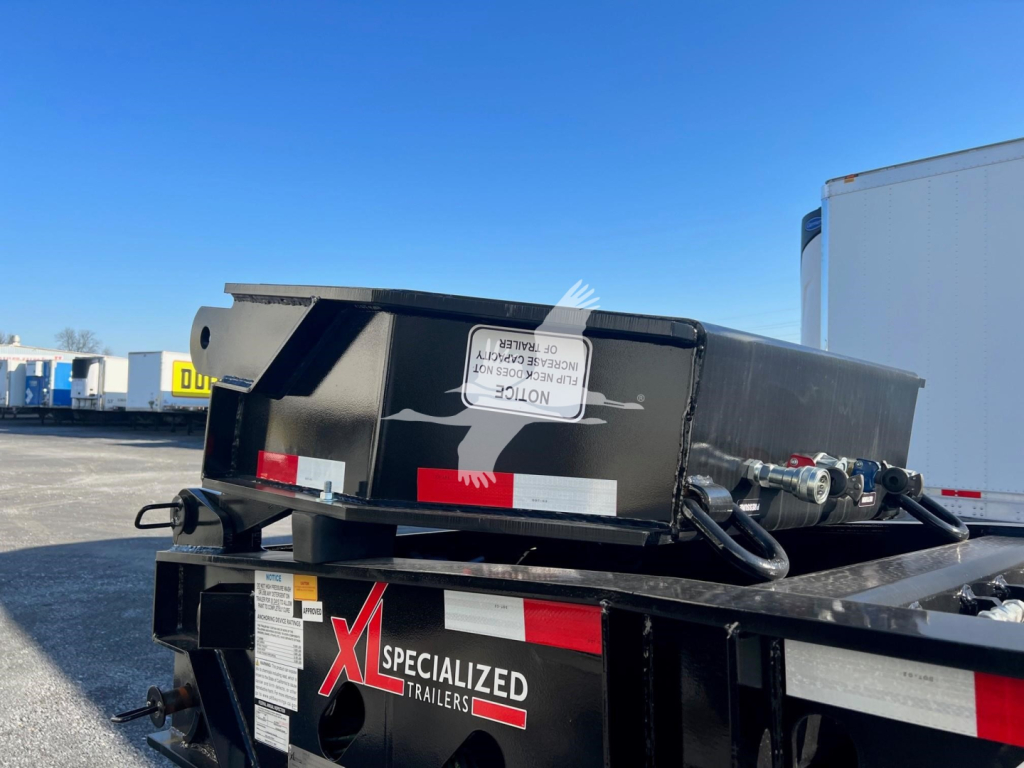
Construction details make a real difference in daily use. Steel frames are common in this class, with Apitong flooring, steel decking between the main beams, perimeter beam side rails, and multiple D-ring tie-down points along the deck and tail. Buyers should look closely at crossmember spacing, outer rail strength, rear bridge design, and compatibility with neck extensions, flip boxes, outriggers, or booster and flip axle connections if future permitting demands may increase. Air ride with raise-and-lower control helps when loading low-clearance equipment, and a hydraulic neck with a reliable pony motor can save time on repetitive detach cycles. Tire size, wheel mix, and ride height positions also matter because they affect serviceability and how easily the trailer can be matched to different tractors and fifth wheel heights.
A double drop expandable trailer is also known in some operations as an extendable lowboy or stretch double drop, but the right fit depends on the freight profile more than the name. If your loads vary between compact heavy equipment and longer over-dimensional pieces, an expandable model gives more flexibility than a fixed well trailer. The tradeoff is added mechanical complexity, more points to inspect, and a stronger need to verify the trailer's capacity in both closed and extended positions. Serious buyers typically compare deck length closed versus open, loaded deck height, neck type, suspension, axle configuration, and attachment provisions first, because those factors determine permit strategy, loading ease, and long-term usefulness more than paint, trim, or brand preference alone.
Frequently Asked Questions about Double Drop Expandable Trailers in Pennsylvania
What is a double drop expandable trailer used for?
A double drop expandable trailer is used to haul oversized freight that needs both low deck height and additional deck length. Typical loads include excavators, pavers, crushers, agricultural equipment, transformers, steel fabrications, tanks, and long machinery components. The double drop well helps control overall loaded height, while the extendable deck allows the trailer to handle freight that would overhang too much on a fixed-length lowboy or standard flatbed.
How is a double drop expandable different from a standard double drop or lowboy?
The main difference is the stretch capability in the deck. A standard double drop has a fixed deck length, while a double drop expandable can extend to accommodate longer freight. Compared with a traditional lowboy, many expandable double drops offer more flexibility for mixed freight profiles, especially when a carrier handles both tall equipment and elongated loads. Buyers should still compare detachable neck type, well height, axle count, and legal axle group spacing because those features affect permitting and payload as much as the deck style.
What specs matter most when buying a double drop expandable trailer?
The most important specs are capacity in the well, deck length closed and extended, loaded deck height, ground clearance, neck design, axle configuration, and suspension type. After that, review kingpin setting, swing clearance, tie-down layout, flooring material, and compatibility with flip axles, boosters, or neck extensions. If the trailer will run in Pennsylvania or the Northeast, practical concerns like maneuverability, bridge law implications, and service access for hydraulic and sliding components should also be part of the buying decision.
Are hydraulic detachable necks worth it on this type of trailer?
For many heavy haul applications, a hydraulic detachable neck is worth the added cost because it speeds loading and unloading and improves safety when driving equipment onto the deck. It is especially useful for frequent machine moves where detach cycles happen every day. The tradeoff is more maintenance, including hydraulic components, power unit upkeep, and neck wear points. Buyers who need simple operation and lower service complexity may prefer a more basic setup, but many fleets choose hydraulic necks for productivity.
Can a double drop expandable trailer handle both heavy equipment and long over-dimensional freight?
Yes, that is one of the main reasons fleets buy this category. A well-configured unit can carry compact heavy machinery in the closed position and then stretch for longer freight when needed. The important point is to confirm how the rated capacity changes when the trailer is extended and whether the load is distributed or concentrated. A trailer that performs well with a 40-ton machine in a defined deck section may have different limits when carrying a longer fabricated load across the extended deck.