
2027 Double Drop Expandable Trailers For Sale
Compare 2027 double drop expandable trailers with specs that matter, including well length, detachable neck type, axle setup, outriggers, and load rating.
Selling a 2027 double drop expandable trailer? List your 2027 double drop expandable trailer for sale and reach thousands of commercial buyers.
2027 Double Drop Expandable Trailers
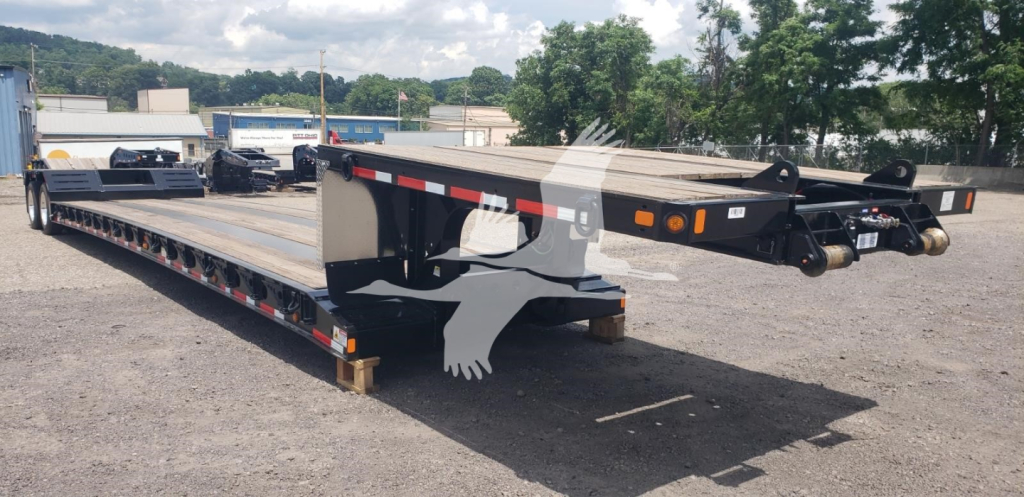
Neck style is one of the first spec decisions to sort out. Mechanical detachable necks are common on straightforward 40-ton applications and tend to appeal to fleets that want a simpler, lighter setup with fewer hydraulic components to maintain. Hydraulic detachable necks, including mini deck and scraper-neck styles, add flexibility for loading and fifth-wheel height adjustment, and some use a pony motor for independent operation. Buyers should pay close attention to loaded fifth-wheel height, ride height positions, swing clearance, kingpin setting, and whether the neck is ground-bearing or non-ground-bearing. Those details affect tractor compatibility, loading angle, and how easily the trailer works in uneven yards or jobsite conditions.
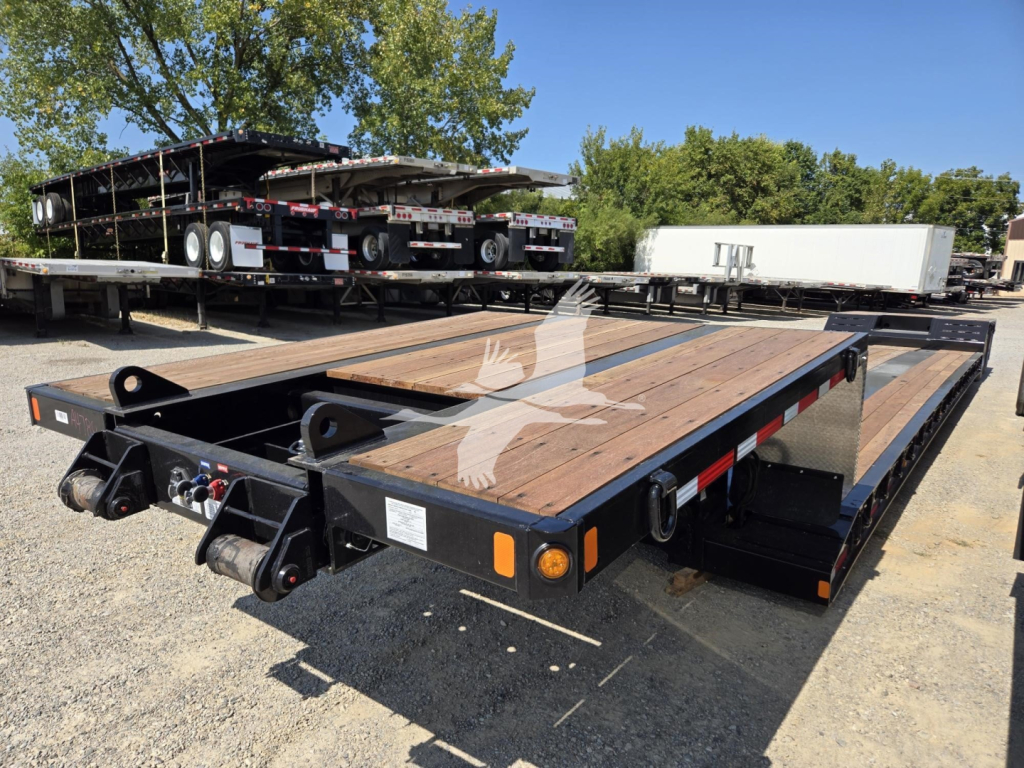
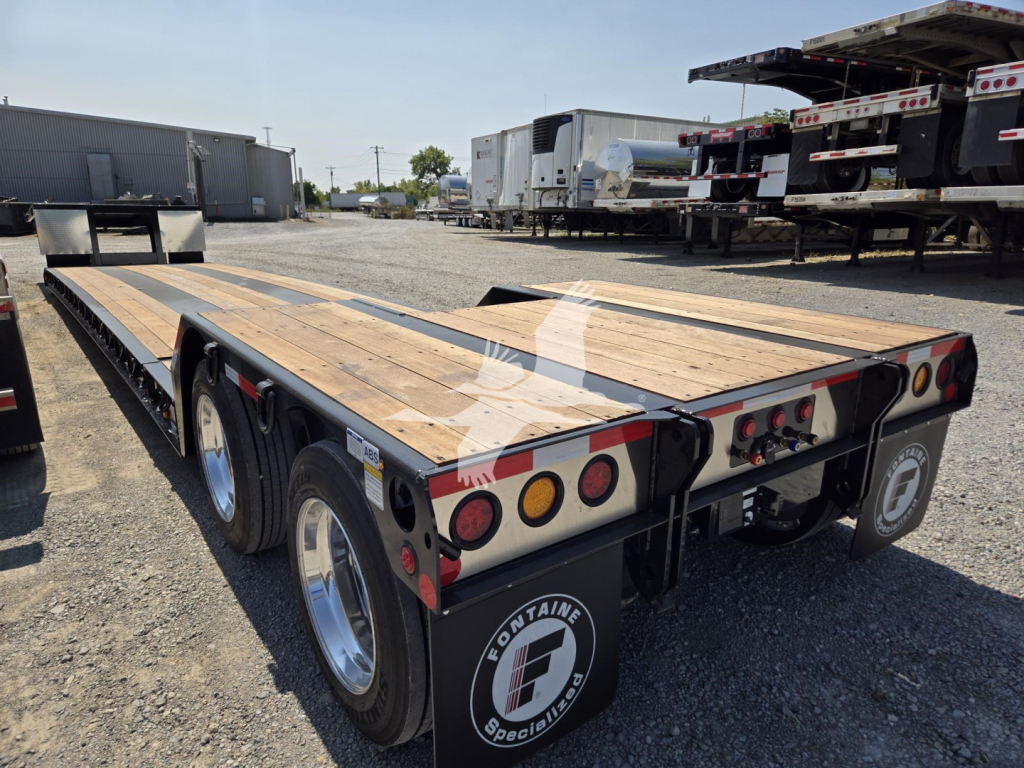
The deck package matters just as much as the ton rating. Apitong flooring, steel perimeter beams, D-ring placement, and removable swing-out outriggers are all important if the trailer will handle mixed freight instead of one dedicated machine. Main deck heights in this class often range from very low mini deck setups around 12 inches loaded to more conventional lowboy-style wells around 20 inches, with ground clearance commonly tied to suspension setting and tire size. Air ride suspension, 255/70R22.5 low-profile tires, raise-and-lower valves, and flip-axle provisions are typical features because they help balance ride quality, deck height, and future capacity options. If a trailer is expected to run oversize regularly, look for clear provisions for a third axle or flip axle, plus proper air and electrical connections at the rear.
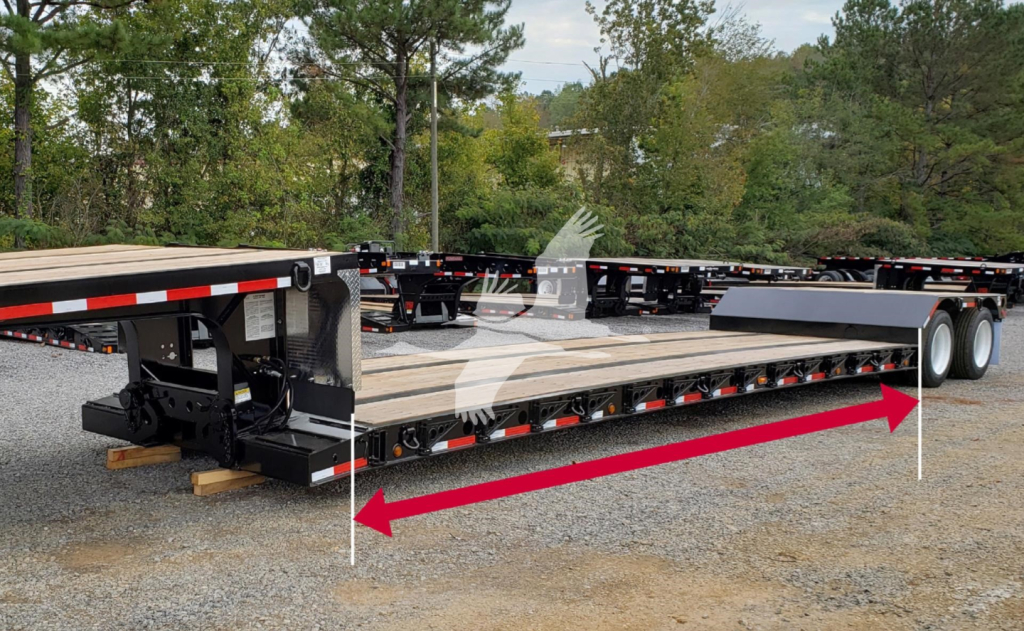
A good buying comparison comes down to freight profile and operating region. A mini deck expandable is often the better fit for taller construction equipment, compact cranes, pavers, or machines where every inch of deck height counts. A heavier mechanical detachable double drop may be a better match for fleets prioritizing rugged simplicity, frequent detach cycles, and broad serviceability. Review the clear deck length, loaded deck height, distributed rating in the well, rear deck design, and tie-down layout before focusing on cosmetic details. On this trailer class, small spec differences in neck geometry, outrigger count, and extension range can have a bigger impact on legal loads, loading speed, and dispatch flexibility than the headline model name alone.
Frequently Asked Questions about 2027 Double Drop Expandable Trailers
What is a double drop expandable trailer used for?
A double drop expandable trailer is used to haul tall and long freight that will not fit well on a standard flatbed or a fixed-length lowboy. The lowered main deck helps keep overall loaded height down, while the expandable well adds flexibility for equipment, fabricated components, tanks, or machinery with unusual length requirements. This trailer type is common in heavy haul, construction, agricultural equipment, and specialized industrial transport.
What should I check first when comparing double drop expandable trailers?
Start with the main deck length closed and extended, the loaded deck height, and the trailer's rating in a defined section of the well such as 16 feet. Those three specs tell you whether the trailer actually fits your freight. After that, compare neck type, swing clearance, axle spacing, flip-axle provisions, and the tie-down package. A trailer can have the right ton rating on paper and still be a poor fit if the deck is too high, the clear well is too short, or the neck geometry does not match your tractor setup.
Is a hydraulic detachable neck better than a mechanical detachable neck?
Neither is automatically better. A hydraulic detachable neck usually offers easier operation, more ride height adjustment, and good flexibility for varied loading conditions, especially on mini deck configurations. A mechanical detachable neck is often simpler and may reduce maintenance complexity while still handling common 40-ton class work very well. The better choice depends on how often the trailer is detached, the type of equipment being loaded, and whether low loaded height is more important than mechanical simplicity.
Why do outriggers and D-rings matter on a double drop expandable trailer?
Outriggers and D-rings determine how usable the trailer is across different freight types. Removable swing-out outriggers help support wider loads and improve deck versatility, while properly spaced D-rings give crews safer and more efficient tie-down options. Buyers hauling more than one machine type should pay close attention to the number of tie-down points, their placement in the well and rear deck, and whether the side structure is built to support accessories or wider cargo securely.
Can a double drop expandable trailer be set up for more capacity later?
Many trailers in this category are built with provisions for a flip axle or third axle, which can improve load distribution and help with heavier or more specialized permits. The important detail is not just whether the trailer is 'compatible,' but whether the rear already has the required connections, brackets, air, and electrical provisions in place. If future capacity matters, confirm that the suspension, frame design, and axle package support the upgrade path you expect to use.