
New Fontaine Double Drop Expandable Trailers For Sale
Shop new Fontaine double drop expandable trailers with low deck height, extendable well, and heavy-haul capability for tall, oversized loads.
Selling a new fontaine double drop expandable trailer? List your new fontaine double drop expandable trailer for sale and reach thousands of commercial buyers.
New Fontaine Double Drop Expandable Trailers
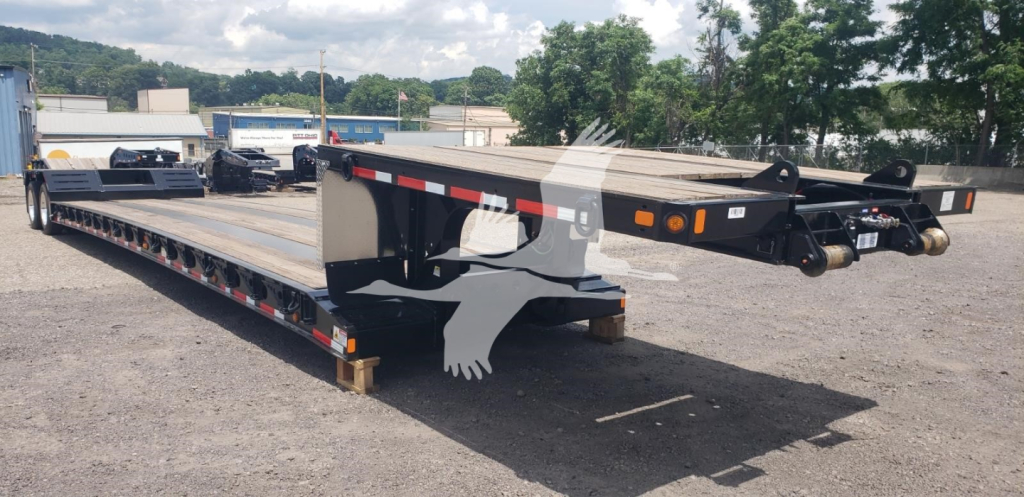
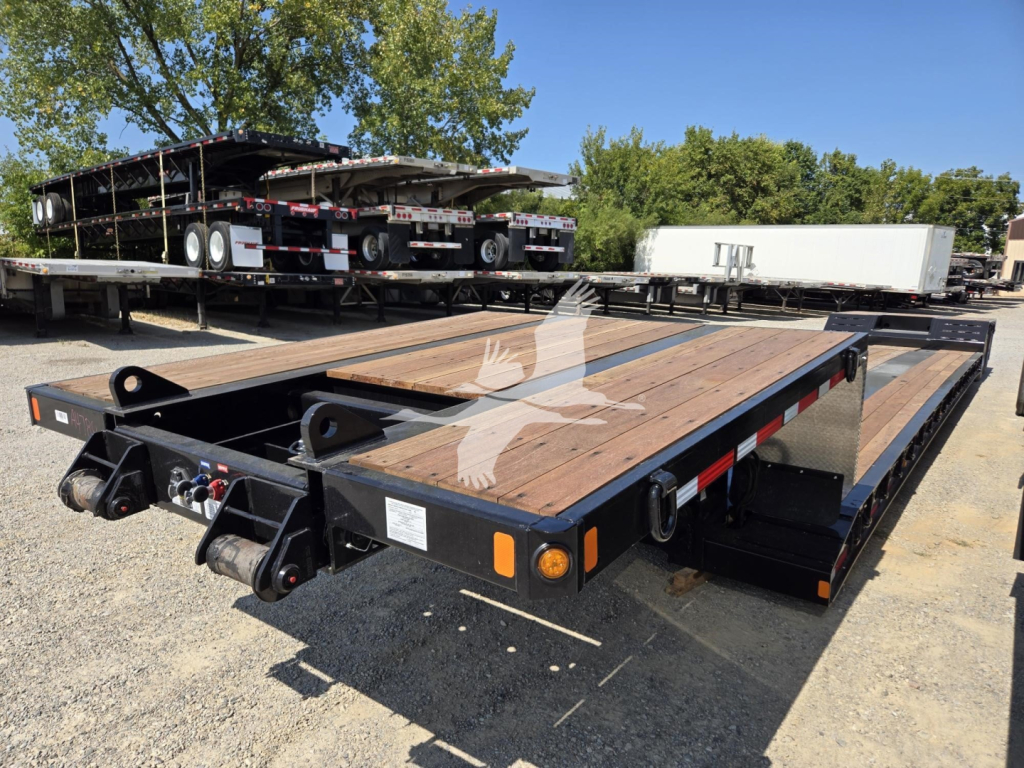
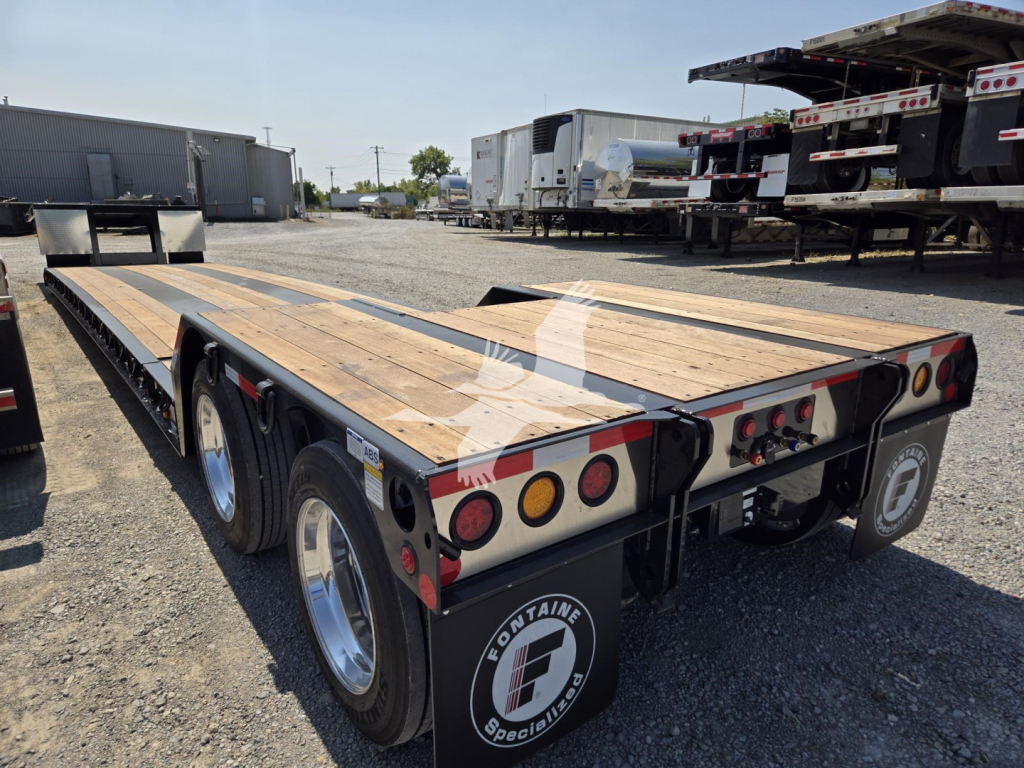
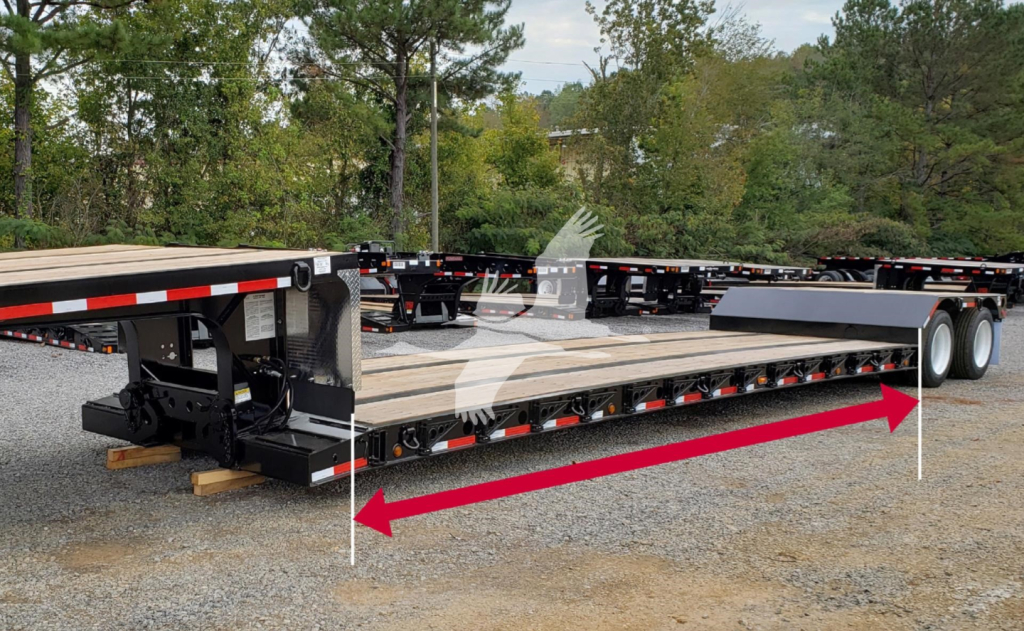
Fontaine models in this category are commonly spec'd with a low main deck height around 20 inches, 102-inch overall width, Apitong flooring, steel side rails, multiple pairs of outriggers, and tiedown points such as D-rings spaced for real heavy-haul securement. Extendable deck sections can significantly increase usable well length, which matters when the load cannot be split or repositioned to fit a fixed deck. Buyers should also look closely at kingpin setting, gooseneck design, swing radius, axle spacing, and suspension setting because those details affect tractor compatibility, bridge law planning, turning clearance, and how the trailer scales in the field. Air ride suspension, raise-and-lower control, and flip axle preparation are common specs for operators that need flexibility across different job types and permit conditions.
A Fontaine double drop expandable trailer is usually chosen for the balance it strikes between low loaded height and the ability to stretch for long freight. That makes it a practical option for construction equipment, agricultural machines, transformer components, and industrial pieces that need the well depth of a double drop but also require additional deck length. Many buyers focus on the deck and capacity numbers first, but daily-use features matter too. Outrigger count, traction cleats on the approach, mini boom troughs, lighting layout, and rear deck access all affect loading efficiency and safety. If future axle expansion is part of the plan, prep for a flip axle or third axle is worth verifying up front instead of modifying later.
For heavy-haul fleets, new-spec equipment often means less compromise. Current Fontaine builds are typically configured with modern lighting, durable coatings, and the securement hardware needed for demanding freight. The best fit depends on the freight profile more than the headline model name. A buyer hauling compact but tall machines may prioritize the lowest possible well height and strong ground clearance, while a buyer moving long components may care more about open deck length, crossmember spacing, and extension design. When comparing new double drop expandable trailers for sale, concentrate on how the trailer carries weight in the well, how far it extends, and how easily it integrates with your axle, tractor, and permit strategy.
Frequently Asked Questions about New Fontaine Double Drop Expandable Trailers
What is a double drop expandable trailer used for?
A double drop expandable trailer is used for hauling tall and oversized freight that benefits from a lowered main deck and additional deck length. Common loads include construction equipment, agricultural equipment, industrial machinery, tanks, and other over-dimensional cargo that will not fit well on a standard flatbed or a fixed-length lowboy.
What should I look at first when comparing new Fontaine double drop expandable trailers?
Start with rated capacity, main deck length closed and open, loaded deck height, and ground clearance. After that, review axle configuration, kingpin setting, suspension type, outriggers, D-ring count, and whether the trailer is prepped for a flip axle or other axle additions. Those specs determine real-world hauling flexibility, permit planning, and tractor compatibility.
Why does deck height matter on a double drop expandable trailer?
Deck height directly affects legal loaded height and determines what tall equipment can be moved without exceeding route restrictions. A lower well can make the difference between a straightforward permitted move and a more complex haul requiring alternate routing, extra escorts, or disassembly of the load.
Are Fontaine double drop expandable trailers suitable for future heavy-haul upgrades?
Many are. Buyers often look for trailers designed to accept a third axle flip or other axle-related additions so the trailer can be adapted as freight demands change. It is important to confirm the exact preparation, axle compatibility, and capacity rating because not every trailer is spec'd the same way.
What is the advantage of an extendable well over a fixed double drop trailer?
An extendable well gives the trailer more usable deck length for loads that are too long for a fixed deck but still need the low carrying height of a double drop. That added flexibility can reduce the need for a separate trailer type and makes the trailer more useful across a broader mix of machinery and over-dimensional freight.