
New 2027 Fontaine Double Drop Expandable Trailers For Sale
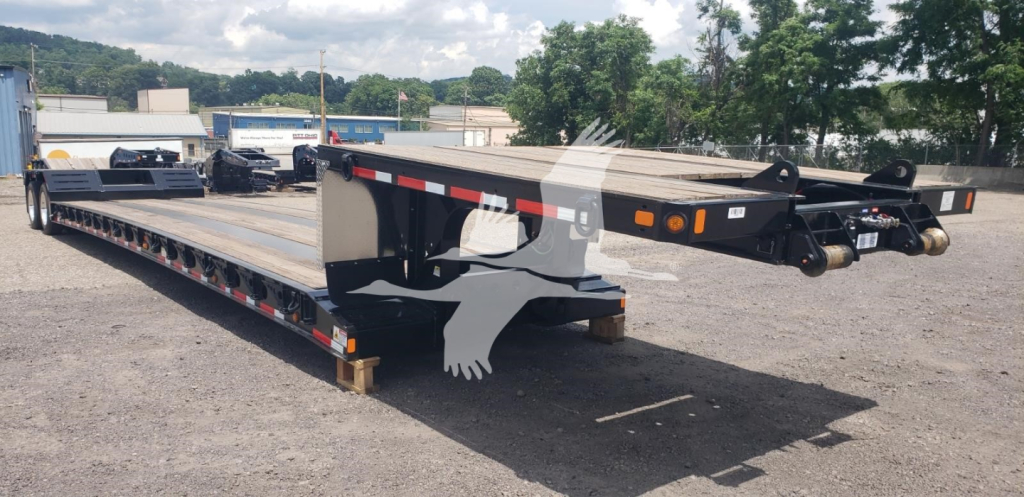
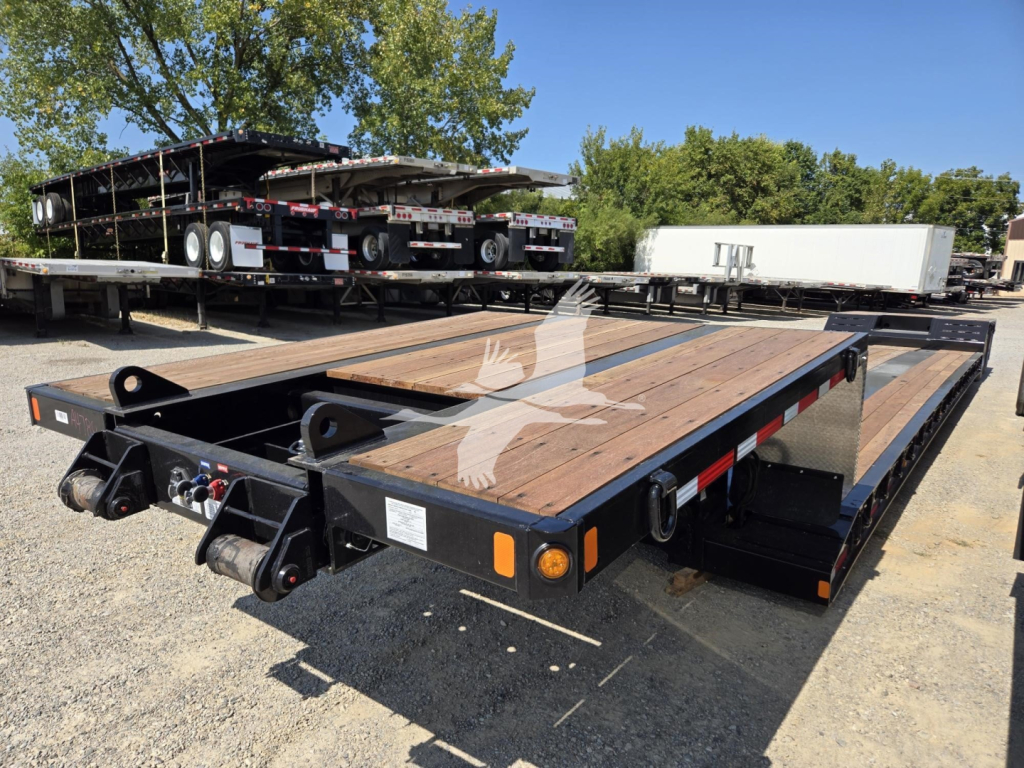
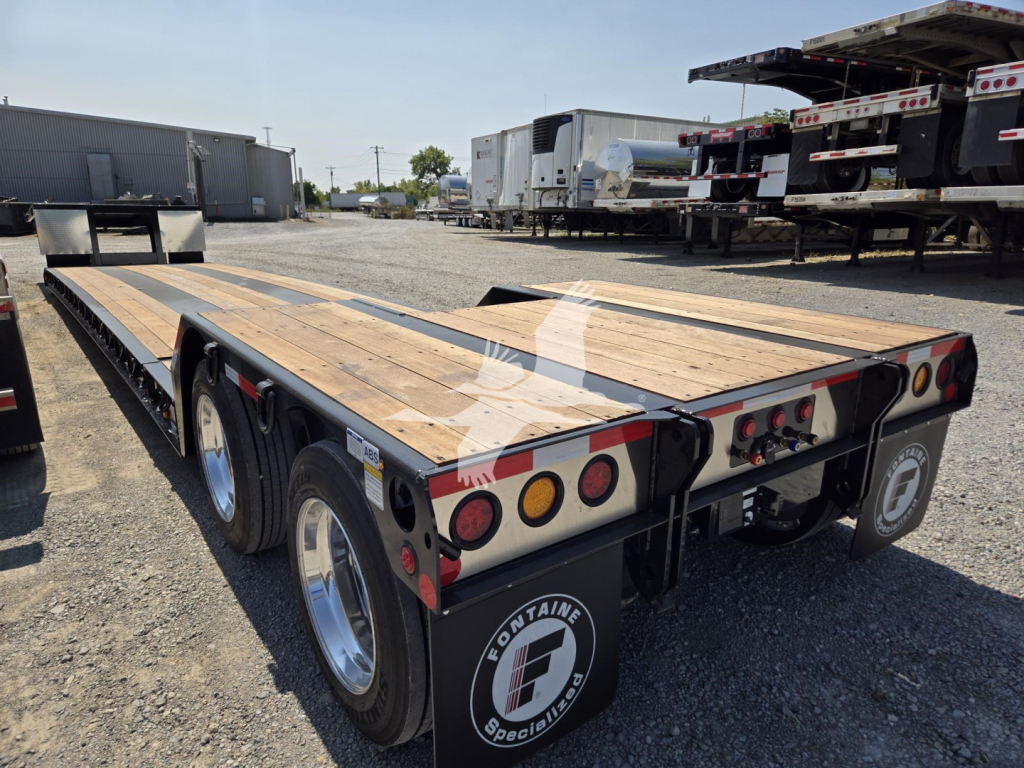
New 2027 Fontaine double drop expandable trailers with low deck height, extendable well, and heavy-haul features for taller, longer loads.
Selling a new 2027 fontaine double drop expandable trailer? List your new 2027 fontaine double drop expandable trailer for sale and reach thousands of commercial buyers.
New 2027 Fontaine Double Drop Expandable Trailers
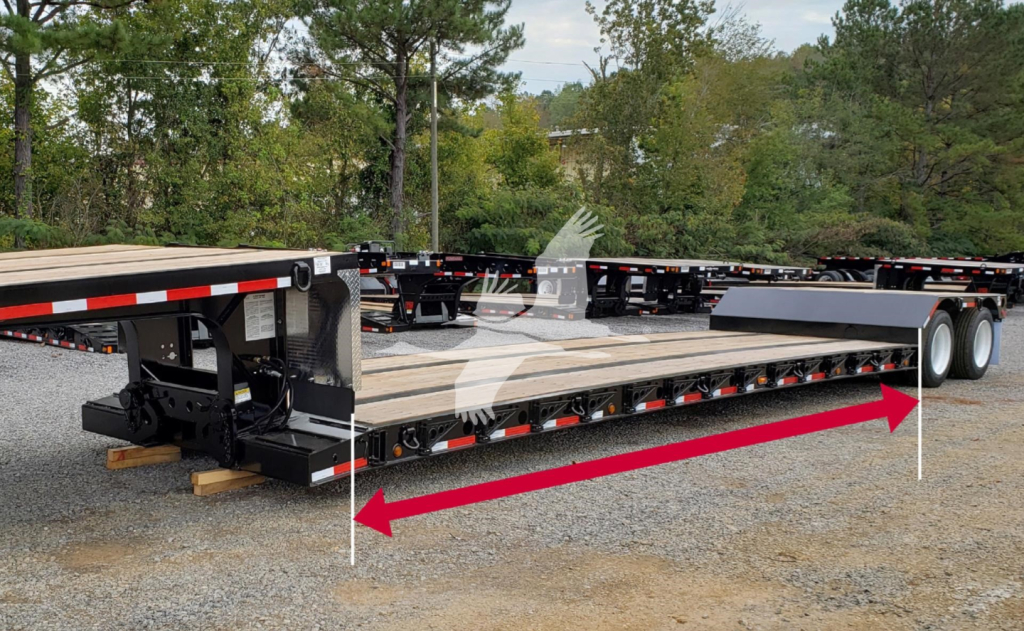
Fontaine double drop expandable models in this class commonly center around a 102-inch overall width, a top deck around 9 feet 10 inches, and a rear deck just over 9 feet. Main deck height is often around 20 inches with roughly 6 inches of ground clearance, which is a critical number for buyers running uneven jobsites, rail crossings, and secondary roads. Extendable configurations can offer a closed deck length in the mid-30-foot range and stretch to around 60 feet open, making them useful for mixed fleets that haul both compact iron and longer construction or energy components. Capacity is often rated around 40 tons in 16 feet, so the real buying decision is not just gross rating, but where the trailer carries the weight and how that matches your typical machine footprint.
Buyers should pay close attention to suspension setup, axle expandability, and deck construction. Air ride suspensions from suppliers such as Hendrickson are common in this category and help with ride quality for sensitive or high-center-of-gravity loads. Many Fontaine units are designed to accept a third axle flip or be prepped for a flip box, which matters if your work regularly moves from legal construction loads to heavier permitted freight. Features like 1 3/8-inch Apitong flooring, steel side rails, multiple pairs of outriggers, and numerous D-rings are not cosmetic details. They directly affect securement options, deck durability, and how easily the trailer adapts to different machines and attachment widths. Crossmember spacing, kingpin setting, and suspension setting also deserve a close look because they influence weight distribution, turning clearance, and tractor compatibility.
Fontaine has a strong reputation in heavy-haul for practical deck layouts and jobsite-ready details. In this category, that often includes traction cleats on sloped deck sections, mini boom troughs, side rail lighting with mid-turn lamps, and chain-lift or lift axle configurations that help manage tire scrub and bridge compliance. A buyer comparing listings should weigh empty weight against capacity, check whether the trailer is mechanical detachable or a fixed-neck expandable variant, and confirm the exact open deck length needed for the freight mix. The best double drop expandable trailer is the one that fits your permitting patterns, loading method, and axle strategy without adding unnecessary tare weight or complexity.
Frequently Asked Questions about New 2027 Fontaine Double Drop Expandable Trailers
What is a double drop expandable trailer used for?
A double drop expandable trailer is used for hauling taller and longer freight that cannot be loaded efficiently on a standard flatbed or fixed-length low-profile trailer. The dropped center deck lowers overall loaded height, while the extendable well adds deck length for machines, structural components, tanks, and other over-dimensional loads. This trailer type is common in construction, agriculture, utility, and specialized heavy-haul work.
What should I look at first when comparing double drop expandable trailers?
Start with loaded deck height, closed and open deck length, and the capacity rating over a stated deck section such as 16 feet. Those numbers determine whether the trailer actually fits your freight. After that, review ground clearance, axle configuration, kingpin setting, suspension setting, and whether the trailer is designed to accept a third axle flip or other axle additions. Securement layout, including outriggers and D-rings, is also important because it affects how many different machines and attachment widths the trailer can handle safely.
Why does deck height matter so much on a double drop expandable?
Deck height directly affects legal loaded height and route flexibility. A main deck around 20 inches can make the difference between hauling a machine under common bridge clearances or needing more restrictive permits and routing. Lower deck height is valuable, but it has to be balanced against practical ground clearance for rough jobsites, crowned roads, and transitions. Buyers need to consider both numbers together rather than focusing on the lowest deck possible.
Is an expandable double drop better than a fixed-length double drop?
An expandable double drop is better when the freight mix changes often and some loads require substantially more deck length than others. It allows one trailer to cover a wider range of applications, from shorter equipment to long components. A fixed-length trailer can be simpler, lighter, and sometimes easier to maintain, so it may be the better choice for fleets hauling the same size freight every day. The decision usually comes down to how often extra deck length is needed and whether the added tare weight of the extension is justified.
What heavy-haul features are commonly found on Fontaine double drop expandable trailers?
Common features include Apitong wood flooring, steel side rails, multiple pairs of outriggers and D-rings, air ride suspension, lift axle provisions, and prep for a third axle flip or flip box. Many also include traction cleats on sloped sections, mini boom troughs for excavator booms, side rail lighting packages, and durable finishes with stainless trim or polished wheel packages. These features matter because they improve securement flexibility, loading control, axle adaptability, and overall durability in severe-service hauling.