
New 2027 Pneumatic - Dry Bulk Trailers For Sale
New 2027 pneumatic dry bulk trailers for hauling cement, fly ash, sand, lime, and powders with lightweight aluminum tanks and air ride suspensions.
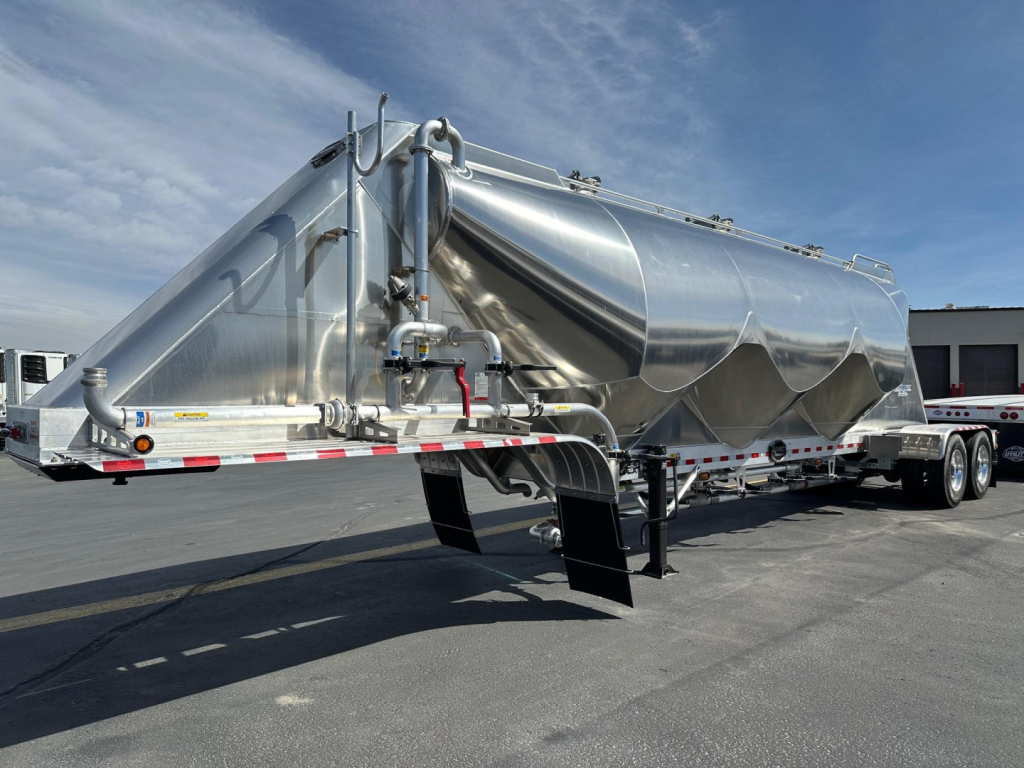
Selling a new 2027 pneumatic - dry bulk trailer? List your new 2027 pneumatic - dry bulk trailer for sale and reach thousands of commercial buyers.
New 2027 Pneumatic - Dry Bulk Trailers
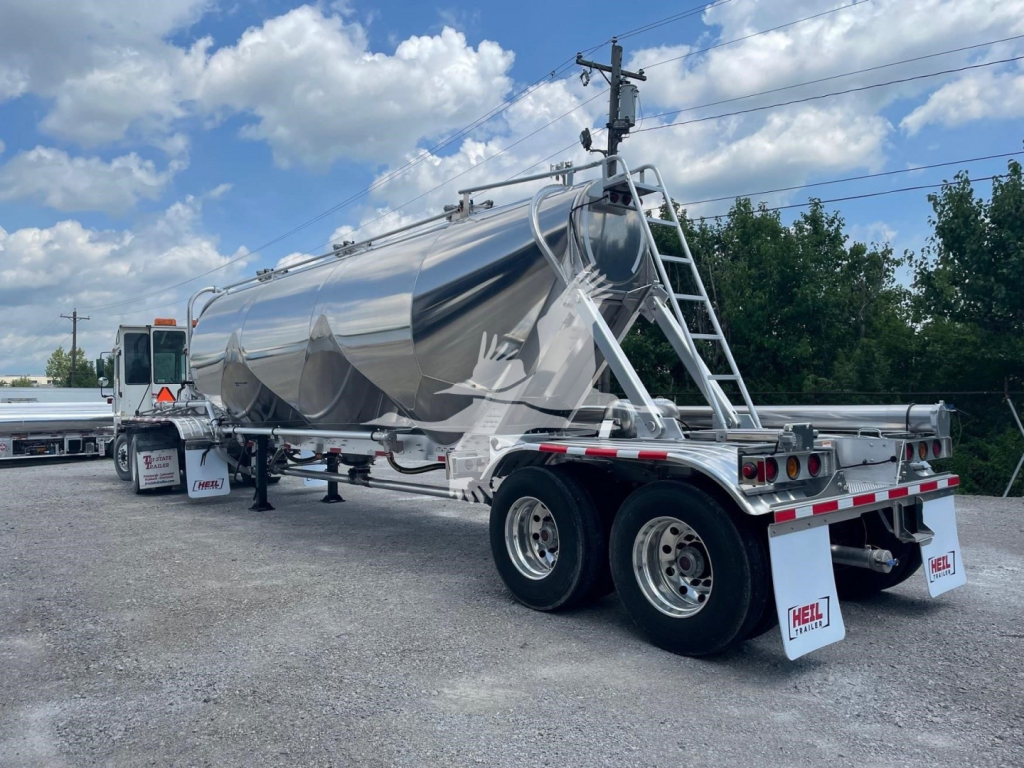
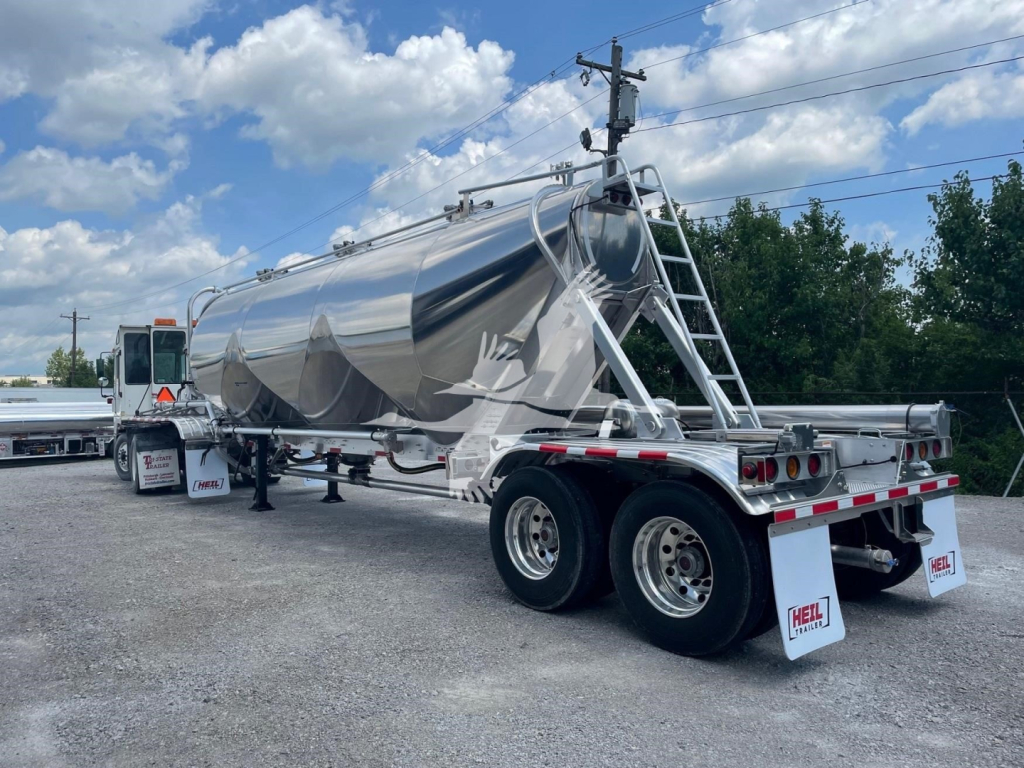
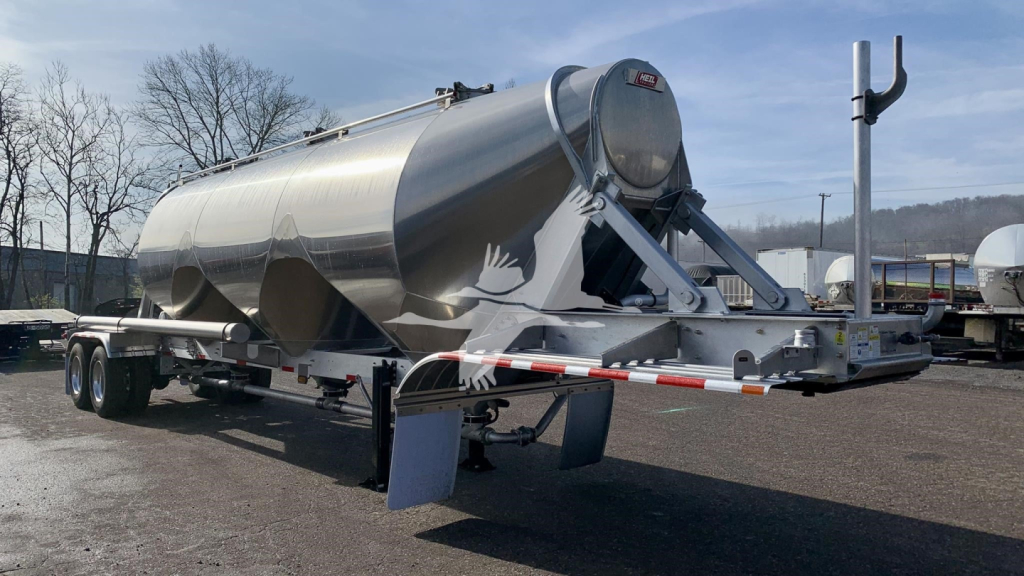
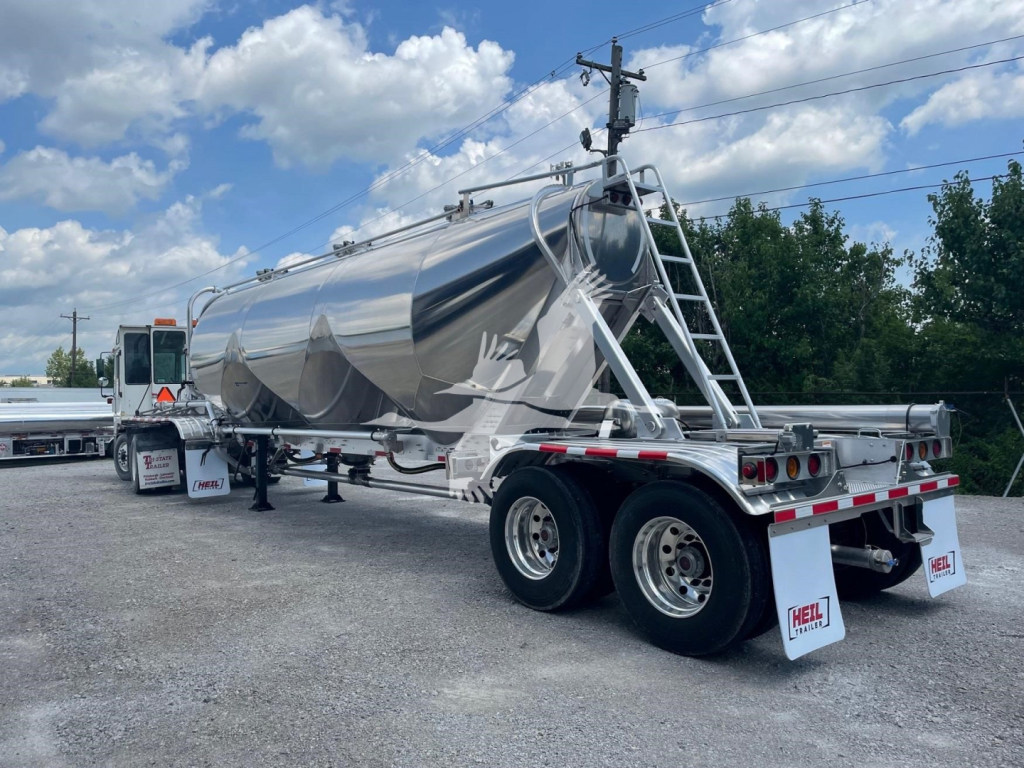
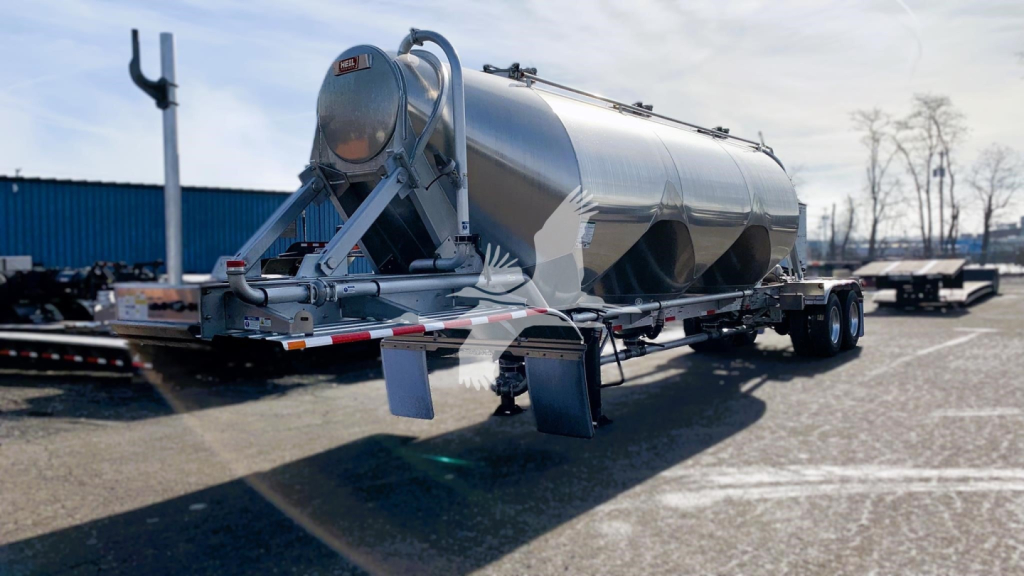
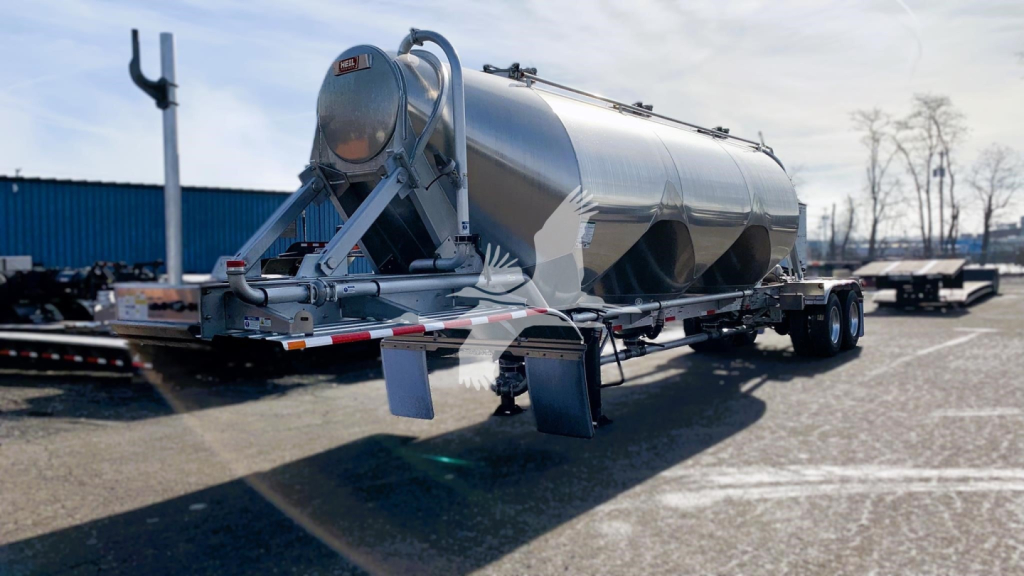
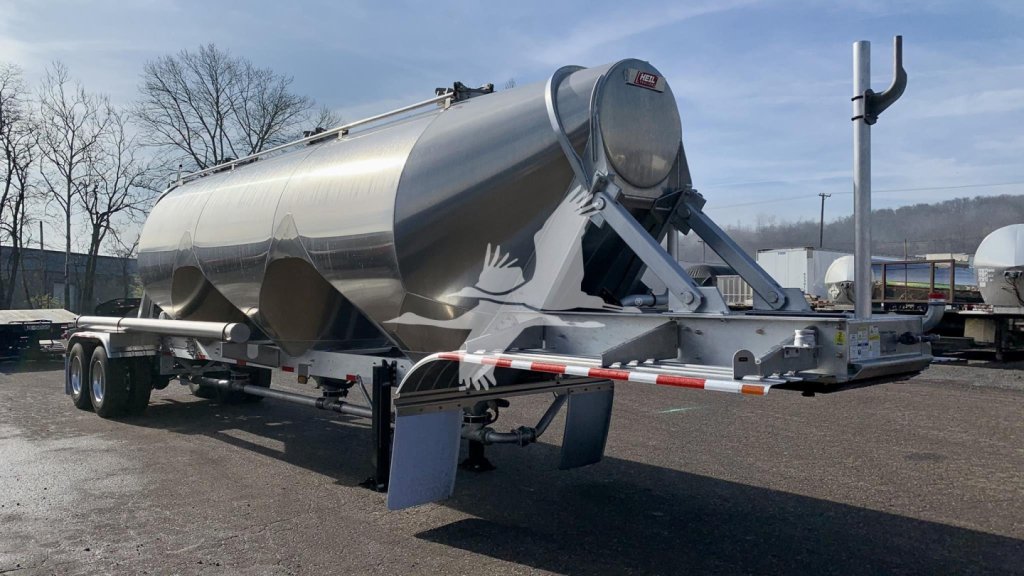
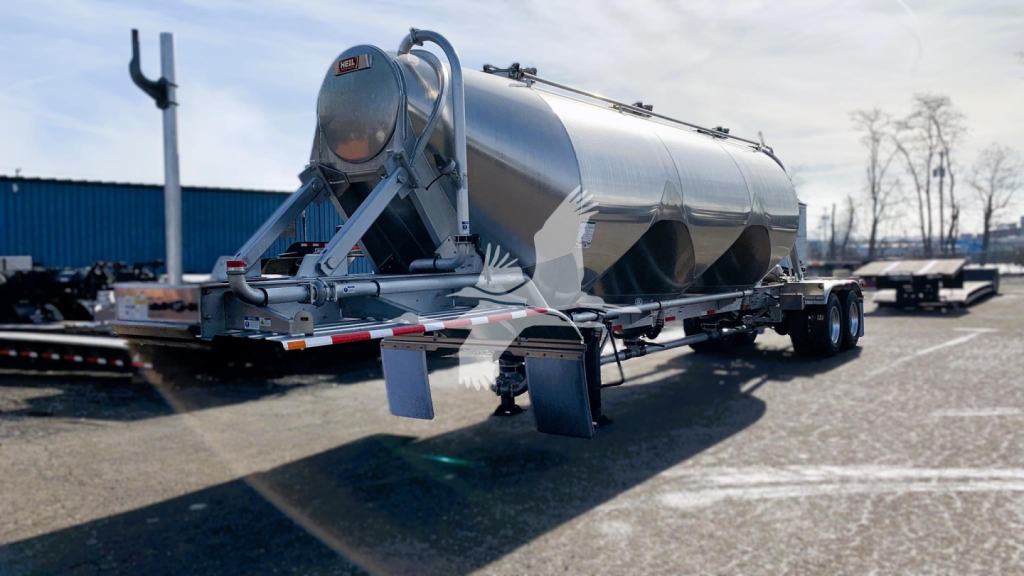
Material choice matters. Aluminum barrel construction, aluminum piping, aluminum wheels, and aluminum end frames help keep tare weight down, which directly affects legal payload and profitability on every load. Buyers should also look closely at hopper design and aeration. Flow cones, vibration systems, bottom-drop tees, and quality butterfly valves all affect how cleanly the trailer unloads and how well it handles fine powders versus coarser products. A three-hopper layout is typical on cement-style pneumatics because it promotes more complete discharge and helps control product movement across the barrel. Manhole count, dome lid access, hose tube length, and gauge placement also make a difference in daily operation, especially when the trailer is being loaded and unloaded multiple times per shift.
Suspension and running gear are just as important as the tank. Air ride suspensions from suppliers like Hendrickson are common on new pneumatic dry bulk trailers because they help protect the barrel and improve ride quality on rough jobsite approaches and regional highway runs. Tandem settings around 49 inches, raised center axle configurations, 11R22.5 rubber, and aluminum wheels are all specs a buyer will regularly see in this category. Landing gear, galvanized hangers, LED work lights, front and rear fenders, ladders with safety rails, and enclosed or protected gauge locations are not cosmetic details. They affect uptime, serviceability, and driver safety. If the trailer will spend time on dirty plant yards or unpaved access roads, those details become even more important.
A buyer comparing new 2027 dry bulk pneumatics should match the trailer to the commodity first, then to the route and unloading system. Cement and fly ash fleets often prioritize low weight, smooth aeration, and reliable rear discharge plumbing. Sand and heavier bulk products may call for stronger wear points, different valve packages, or a body built for more abrasive service. It is also smart to confirm hose storage, blower compatibility, kingpin setting, and axle spread requirements before purchase so the trailer fits the tractor and the work without reconfiguration. In practical terms, the best pneumatic trailer is the one that unloads consistently, carries strong legal payload, and stays simple to maintain over years of plant, terminal, and jobsite use.
Frequently Asked Questions about New 2027 Pneumatic - Dry Bulk Trailers
What is a pneumatic dry bulk trailer used for?
A pneumatic dry bulk trailer is designed to haul dry powdered or granular commodities and unload them using compressed air. Common products include cement, fly ash, lime, sand, flour, resin, and other materials that need closed-system transfer into silos, tanks, or storage vessels. This trailer type is often called a dry bulk pneumatic trailer or cement trailer, although the exact spec depends on the commodity being hauled.
What capacity is common for a new pneumatic dry bulk trailer?
A common spec in this category is roughly 1,040 to 1,050 cubic feet on a 42-foot tandem axle trailer with three hoppers. That size is popular because it offers a strong balance of payload, maneuverability, and unloading performance. Exact usable capacity depends on commodity density, legal weight limits, and the trailer's tare weight.
Why do many buyers choose aluminum construction on pneumatic trailers?
Aluminum construction reduces empty weight, which increases the amount of product that can be carried legally. Aluminum barrels, piping, end frames, and wheels are common on new dry bulk trailers because they improve payload efficiency without giving up the structural design needed for bulk powder service. For fleets running repeated short-haul or regional loads, lower tare weight can make a measurable difference in revenue over time.
What should I look for in the unloading system?
The unloading system should match the commodity and the blower setup used in your operation. Key components include aeration cones or flow cones, tees, product valves, discharge location, hose storage, and gauge access. Fine powders like cement and fly ash usually benefit from smooth aeration and dependable butterfly valves, while more abrasive materials may require attention to wear points and component durability.
Is air ride suspension standard on most new dry bulk pneumatics?
Air ride suspension is very common on new pneumatic dry bulk trailers because it improves ride quality and helps protect the tank and plumbing from harsh road shock. It also helps with product stability and can reduce stress on the trailer over time. Buyers should still review axle spacing, suspension model, tire size, and overall running gear spec to make sure the trailer fits their route, bridge law needs, and maintenance preferences.