
New 2027 Pneumatic - Dry Bulk Trailers For Sale in Pennsylvania
Shop new 2027 pneumatic dry bulk trailers in Pennsylvania. Compare cement trailers, capacities, hopper layouts, axle setups, and specs.
Selling a new 2027 pneumatic - dry bulk trailer? List your new 2027 pneumatic - dry bulk trailer for sale and reach thousands of commercial buyers.
New 2027 Pneumatic - Dry Bulk Trailers in Pennsylvania
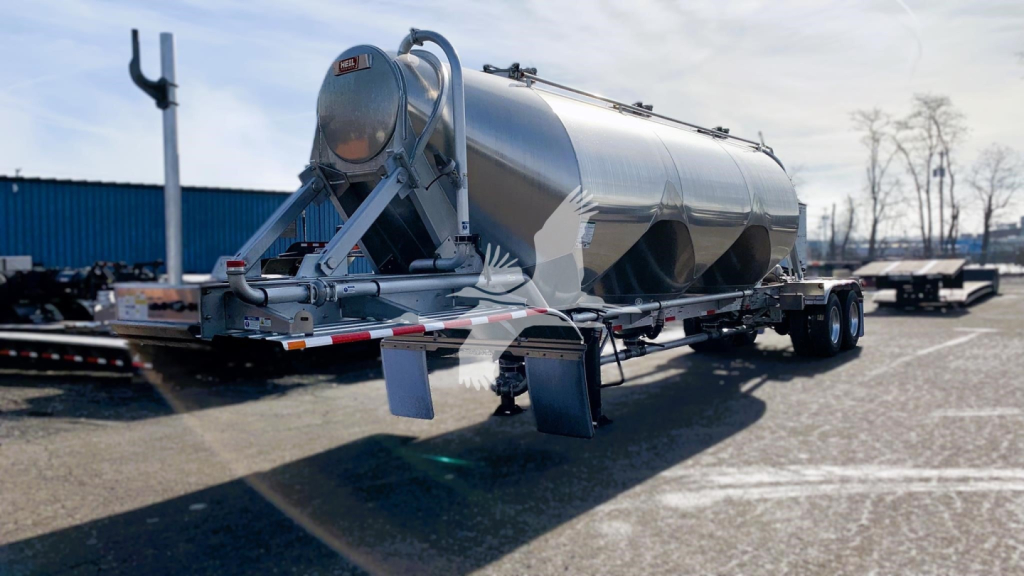
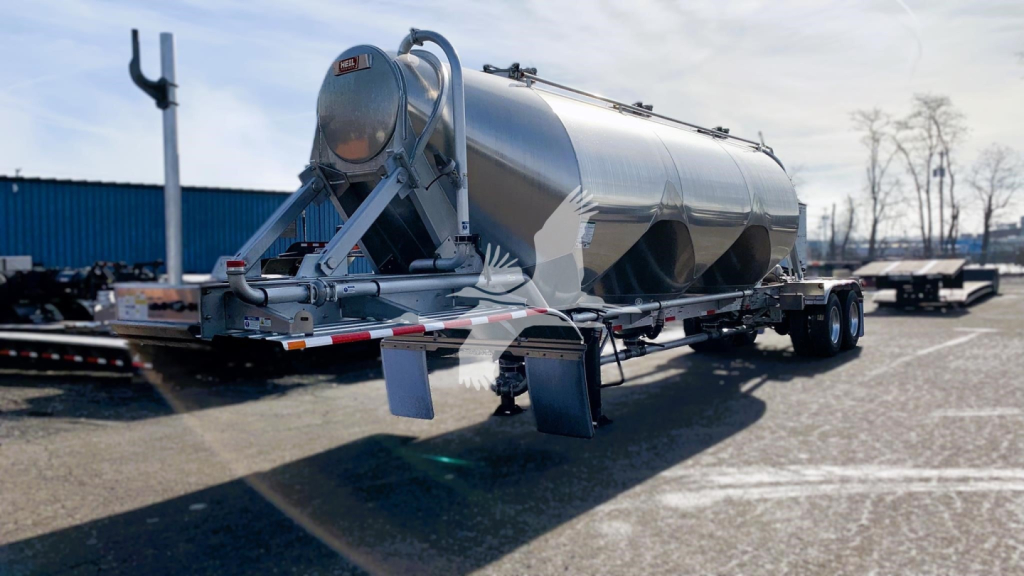
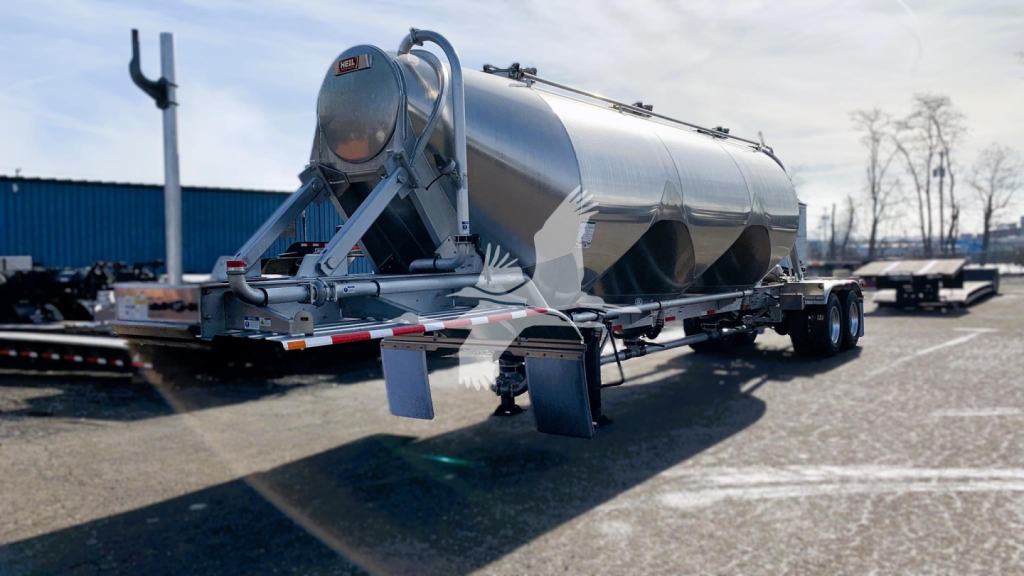
A common setup in this class is a lightweight aluminum barrel with three hoppers, air ride suspension, tandem axles, and a rear discharge layout. Capacities around 1,040 cubic feet are popular for cement work because they offer strong payload potential without pushing tare weight too high. Features such as aeration cones, aluminum piping, butterfly product valves, and under-axle rear discharge are standard items to review closely. Valve size matters for unload performance, and 5-inch product valves are common on cement trailers. Hose tube length, manhole count, ladder placement, and gauge cabinet location also affect day-to-day usability for drivers and plant loading crews.
Suspension and axle configuration deserve close attention, especially for Pennsylvania operations where bridge compliance, site access, and pavement conditions can vary widely. Air ride tandems with a 49-inch setting are typical, and some new pneumatic trailers use raised center axle configurations to improve maneuverability and reduce tire scrub in tighter yards. Tire spec, wheel material, landing gear, and galvanized suspension hardware all influence long-term maintenance cost. Aluminum wheels and aluminum structural components help keep weight down, while galvanized hangers and quality paint on steel parts help protect against road treatment chemicals and year-round exposure.
For buyers comparing new 2027 pneumatic dry bulk trailers, the real question is how the trailer is matched to the commodity and the blower system that will unload it. Cement service often calls for a dedicated spec with flo cones, clean plumbing, and a straightforward rear discharge arrangement. If the operation handles multiple powders, product flow characteristics, moisture sensitivity, and cleanout requirements become more important. A well-spec'd pneumatic dry bulk trailer, also known as a dry bulk tanker or cement trailer, should deliver predictable unloading, low carryover, and a tare weight that supports profitable payloads over the life of the trailer.
Frequently Asked Questions about New 2027 Pneumatic - Dry Bulk Trailers in Pennsylvania
What commodities are pneumatic dry bulk trailers commonly used to haul?
Pneumatic dry bulk trailers are designed for dry, flowable bulk materials that can be unloaded with air pressure. Common commodities include cement, fly ash, lime, sand, mortar mix, plastic pellets, flour, and other powdered or granular products. The exact trailer spec should match the material density, flow characteristics, and cleanout requirements because not every dry bulk commodity behaves the same during loading and discharge.
What size pneumatic dry bulk trailer is typical for cement hauling?
A common cement trailer spec is around 42 feet in length with roughly 1,000 to 1,100 cubic feet of capacity, often in a three-hopper configuration. That size gives many operators a good balance of cubic capacity, tare weight, and maneuverability. The right capacity still depends on product density and legal axle weights, so payload should be evaluated by weight first and cubic volume second.
Why does hopper count matter on a dry bulk trailer?
Hopper count affects discharge efficiency, product flow, and how completely the trailer empties. Three-hopper designs are common on cement trailers because they help move material consistently toward the discharge system and reduce leftover product in the tank. Hopper design, cone shape, and aeration setup work together, so hopper count should be considered along with the trailer's plumbing and valve layout.
What features should buyers pay attention to on a new pneumatic trailer?
The most important items are barrel material, empty weight, total cubic capacity, aeration system, product valve size, discharge location, suspension type, axle spacing, and hose storage. Buyers should also review manhole configuration, landing gear, wheel and tire specs, and corrosion protection on steel components. These details affect payload, unload time, maintenance cost, and how practical the trailer is for everyday terminal and jobsite use.
Is an aluminum pneumatic dry bulk trailer a better choice than a steel one?
Aluminum pneumatic trailers are popular because they reduce tare weight and help maximize legal payload, which is a major advantage in bulk commodity hauling. They also offer good corrosion resistance in many applications. Steel may still be used in certain components or specialized builds, but for many dry bulk operations, an aluminum barrel and aluminum piping package make sense when payload and long-term operating efficiency are priorities.