
New 2027 Heil Pneumatic - Dry Bulk Trailers For Sale in Pennsylvania
New 2027 Heil pneumatic dry bulk trailers for cement and powdered products. Compare specs, capacities, hopper layouts, and suspension options.
Selling a new 2027 heil pneumatic - dry bulk trailer? List your new 2027 heil pneumatic - dry bulk trailer for sale and reach thousands of commercial buyers.
New 2027 Heil Pneumatic - Dry Bulk Trailers in Pennsylvania
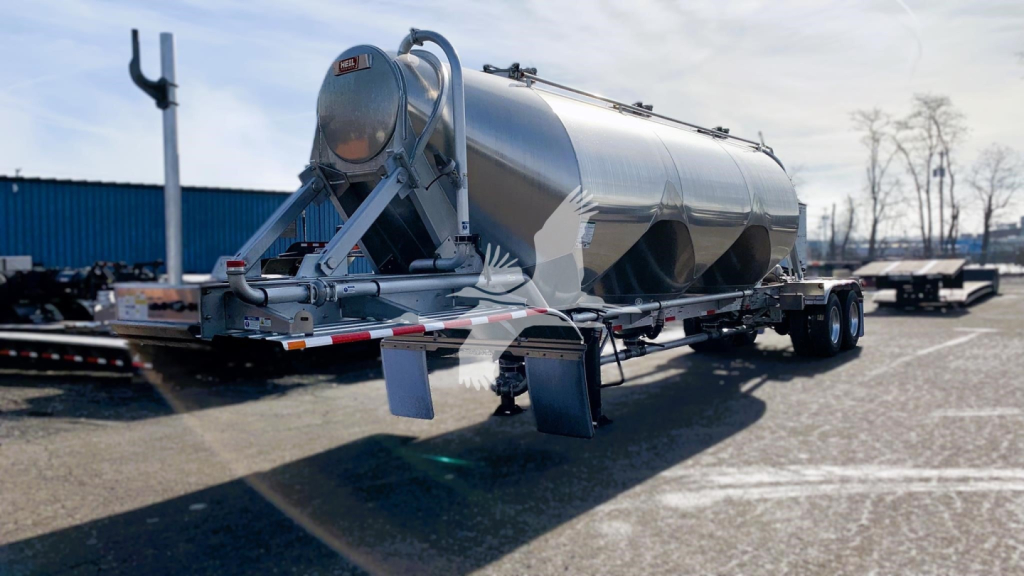
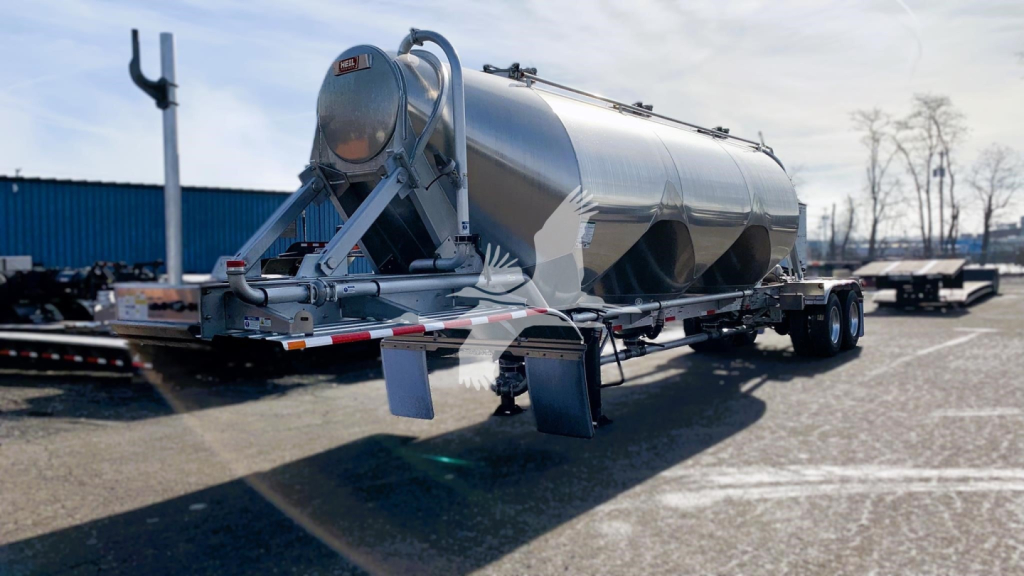
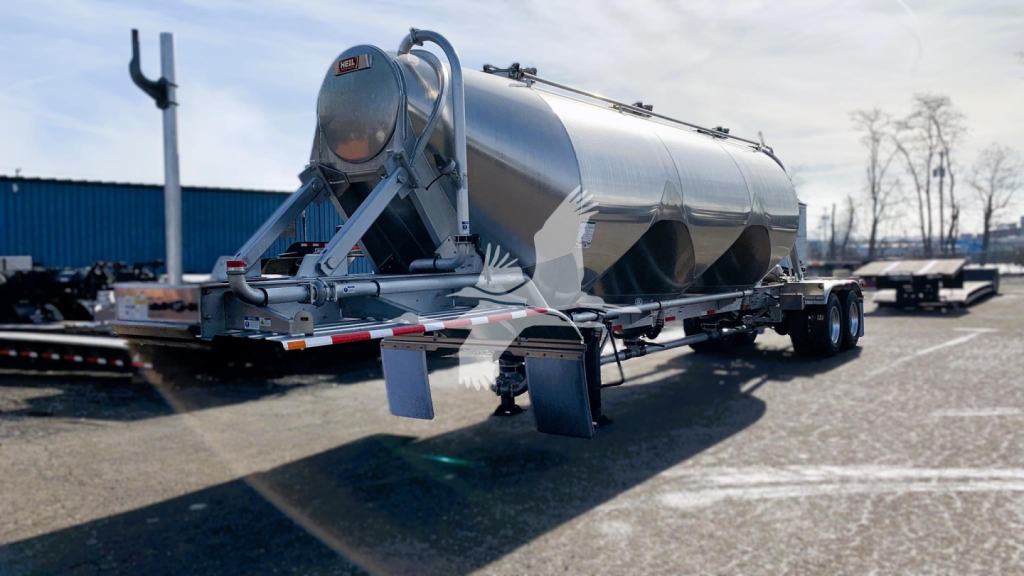
A typical new Heil dry bulk trailer in this class is around 42 feet long with a tandem axle setup, air ride suspension, and an aluminum tank body. Capacities around 1,040 cubic feet are common for cement applications, often paired with a three-hopper design to improve flow and unloading control. Buyers should pay close attention to barrel material, aeration system, product valve size, and discharge routing. Aluminum piping and components help control tare weight, while 5-inch butterfly valves, flo cones, and under-axle rear discharge layouts are practical details that affect unload speed, maintenance, and driver ease of use.
Suspension and running gear matter just as much as tank specs. Air ride suspensions from brands like Hendrickson are common on new pneumatic trailers because they protect the structure, improve ride quality, and help with product stability on rough regional routes. Tandem settings, axle spread, tire size, wheel material, and landing gear should all be matched to the operation’s legal weight targets and terminal conditions. Details like raised center axle configurations, galvanized hangers, aluminum wheels, and hose tube storage can make a noticeable difference in long-term durability and day-to-day convenience.
For Pennsylvania fleets, a pneumatic dry bulk trailer often needs to balance payload with reliability in mixed highway and plant access conditions. Buyers comparing new 2027 Heil trailers should look beyond listed cubic feet and consider actual commodity density, blower compatibility, unload pressure requirements, and service access around valves, gauges, and manholes. A lighter trailer does not always mean a better trailer if the hopper layout or plumbing is not matched to the product. The best choice is usually the one that fits the commodity, unload system, and weight strategy without adding unnecessary complexity.
Frequently Asked Questions about New 2027 Heil Pneumatic - Dry Bulk Trailers in Pennsylvania
What commodities are Heil pneumatic dry bulk trailers commonly used for?
Heil pneumatic dry bulk trailers are commonly used for cement, fly ash, lime, sand, and other dry powdered or granular commodities that can be conveyed with air pressure. The exact fit depends on product density, flow characteristics, and unloading requirements. Cement-focused trailers are usually optimized for heavier material, so cubic capacity, tare weight, and hopper design are selected to maximize legal payload while maintaining smooth unloading.
What should I look at first when comparing pneumatic dry bulk trailers?
Start with cubic capacity, tare weight, hopper count, and barrel material. Those four items determine how much product the trailer can legally haul and how efficiently it will unload. After that, review the aeration system, valve size, discharge location, suspension spec, and plumbing material. Those details affect unloading speed, maintenance cost, and how well the trailer matches your blower and plant setup.
Why is a three-hopper design common on cement trailers?
A three-hopper design helps move heavy powdered product toward the discharge points more consistently during unloading. On cement applications, multiple hoppers can improve product flow and reduce leftover material compared with less optimized layouts. Hopper count by itself is not the whole story, but combined with proper cone shape, aeration, and valve sizing, it supports faster and cleaner unloading.
Are aluminum pneumatic trailers a better choice than steel?
Aluminum pneumatic trailers are often preferred for dry bulk work because they reduce tare weight and improve payload potential. That can be a major advantage in dense commodities like cement where legal gross weight is reached before the tank is fully cubed out. Steel may still be selected in certain severe-duty applications, but aluminum remains a common choice for fleets prioritizing corrosion resistance, lighter weight, and operating efficiency.
Do I need to match the trailer to a specific blower or unloading system?
Yes. Pneumatic dry bulk trailers should be matched to the blower, plumbing layout, and pressure requirements used in your operation. Valve size, discharge routing, aeration design, and line diameter all influence unload performance. A trailer that looks right on paper can become inefficient if it does not match the tractor-mounted blower system or the customer’s receiving setup.