
New Heil Pneumatic - Dry Bulk Trailers For Sale
Shop new Heil pneumatic dry bulk trailers, including cement-ready configurations with lightweight aluminum construction and efficient unloading.
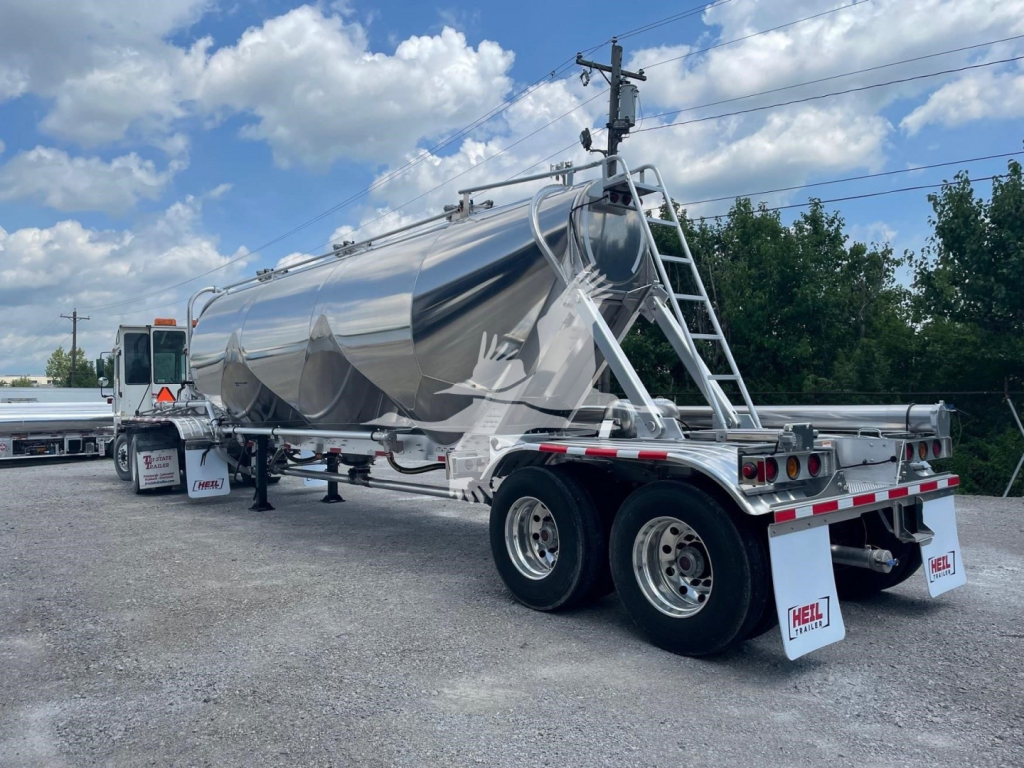
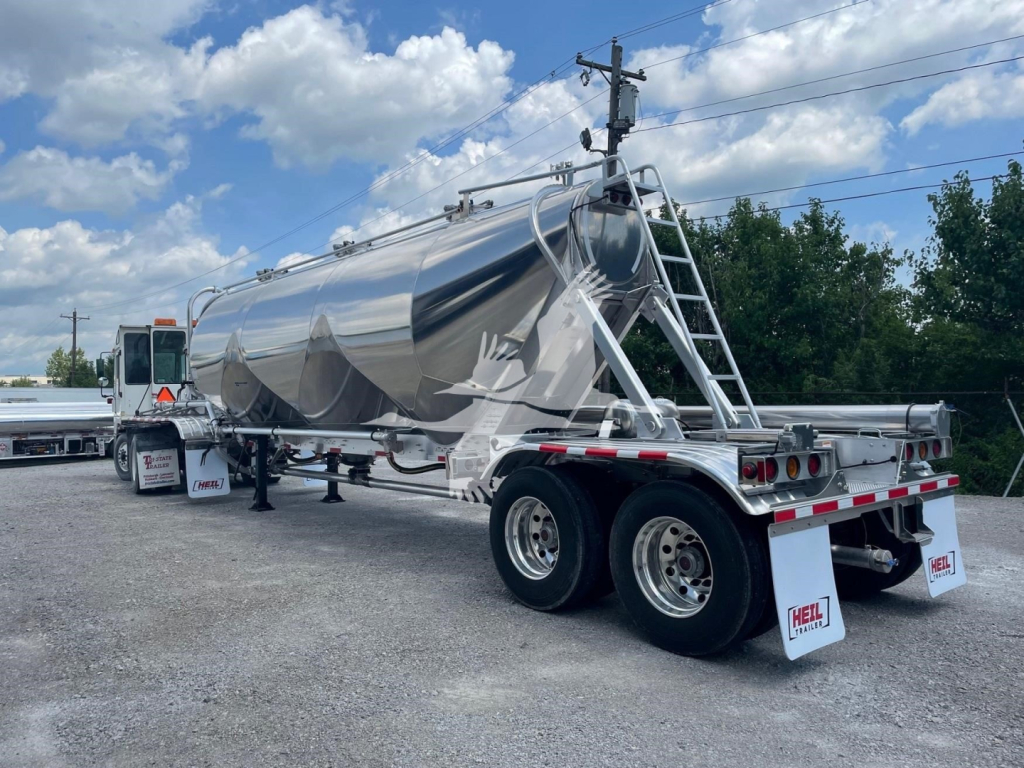
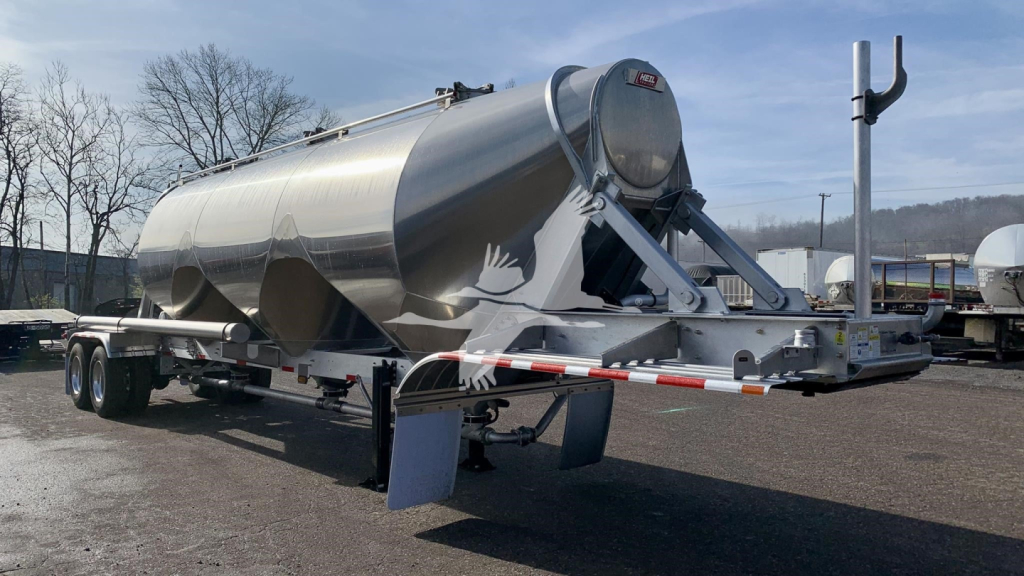
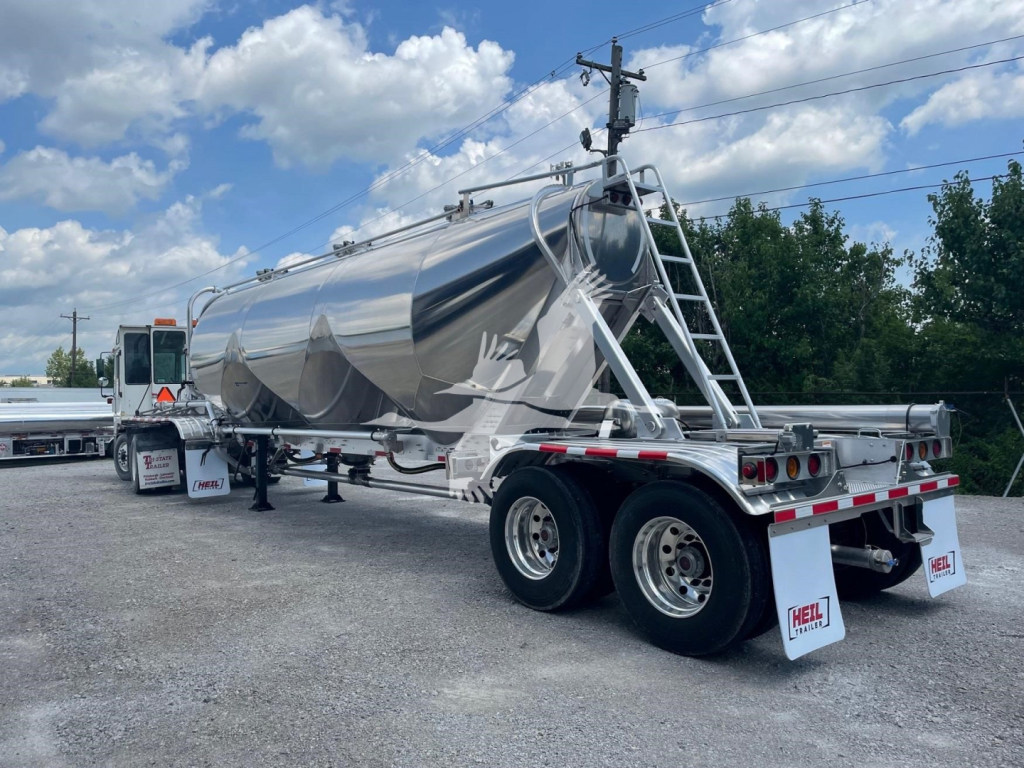
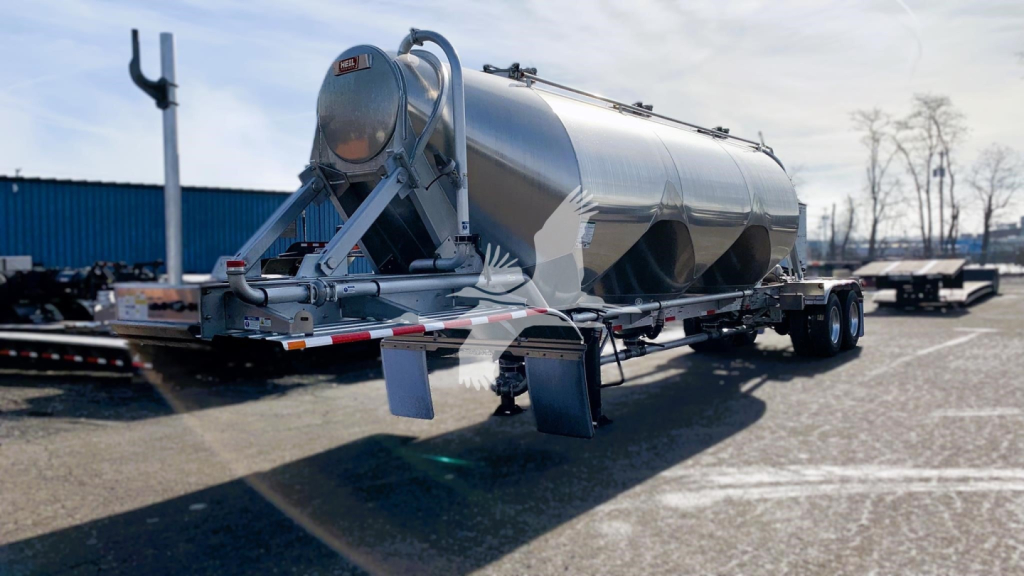
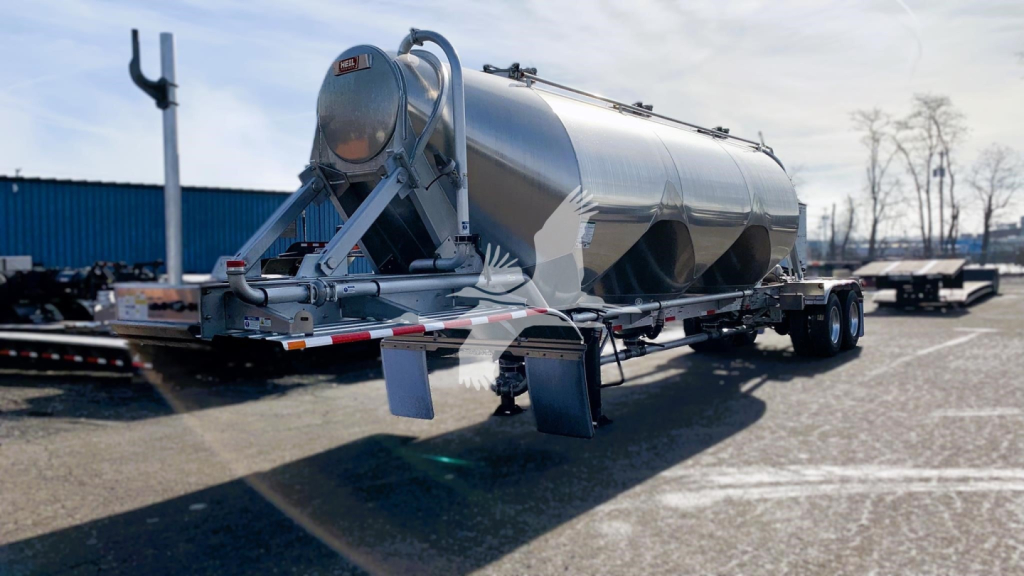
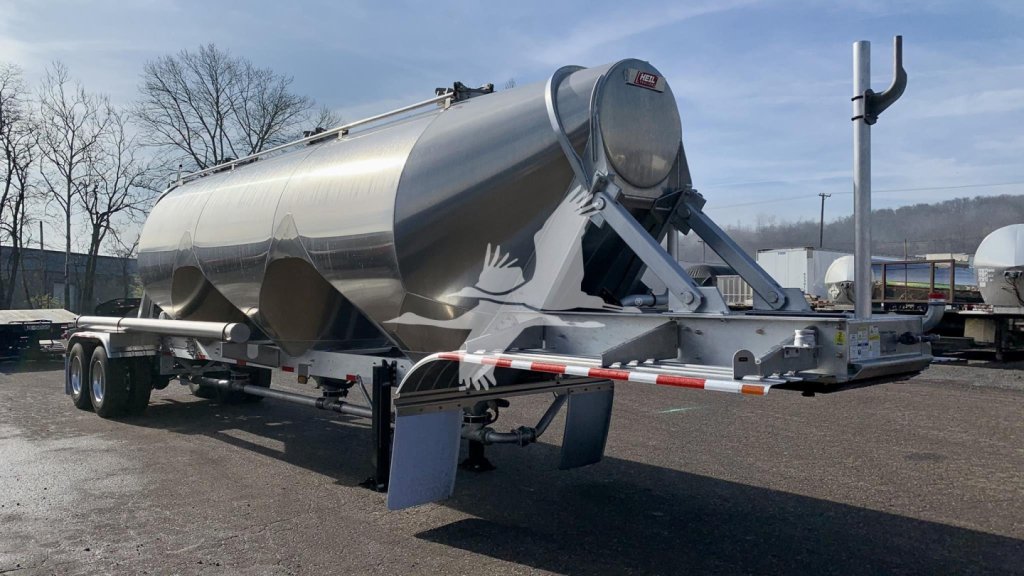
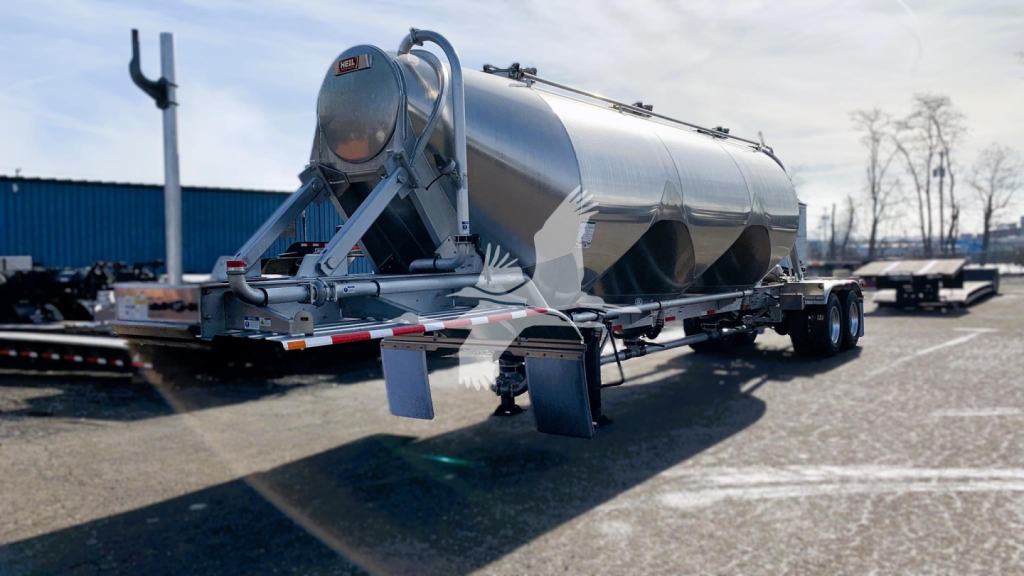
Selling a new heil pneumatic - dry bulk trailer? List your new heil pneumatic - dry bulk trailer for sale and reach thousands of commercial buyers.
New Heil Pneumatic - Dry Bulk Trailers
One of the first things to compare is tank capacity versus tare weight. New Heil dry bulk trailers commonly use aluminum barrel construction, aluminum piping, and aluminum structural components to keep empty weight down and legal payload up. A typical setup in this class is around 42 feet in length with a tandem axle configuration and roughly 1,000-plus cubic feet of capacity, often arranged in a three-hopper design for reliable product flow. Aeration systems such as flo cones, properly sized product valves, and under-axle rear discharge plumbing all matter because unload speed is only as good as the trailer’s ability to keep material moving consistently to the blower.
Suspension and axle layout also deserve close attention, especially if the trailer will run mixed jobsite and highway miles. Air ride suspensions are common on new Heil pneumatic trailers because they help protect the structure, improve ride quality, and support consistent handling under changing load conditions. Buyers should also look at suspension spread, axle rating, tire size, wheel material, and the placement of hose tubes, gauges, ladders, and work lights. Details like galvanized hangers, aluminum fenders, and accessible gauge locations can make a noticeable difference in long-term corrosion resistance, driver convenience, and serviceability.
For cement and other dense bulk commodities, the right trailer is not just about cubic feet on paper. It is about matching barrel design, hopper count, valve sizing, and discharge layout to the products you haul and the blower setup you run. A new Heil pneumatic dry bulk trailer is typically chosen by fleets that want a modern, corrosion-resistant trailer with strong resale appeal and a spec that can be tailored for plant work, terminal loading, and frequent pneumatic unloading. Buyers comparing listings should pay close attention to material construction, discharge configuration, suspension package, and tare weight because those four areas usually determine daily productivity and cost per ton hauled.
Frequently Asked Questions about New Heil Pneumatic - Dry Bulk Trailers
What are Heil pneumatic dry bulk trailers typically used for?
Heil pneumatic dry bulk trailers are commonly used to haul dry, flowable bulk materials that unload through an air system. Typical applications include cement, fly ash, lime, sand, and similar commodities used in construction, industrial processing, and plant supply work. The sealed tank and pneumatic discharge system help keep product clean, reduce contamination risk, and allow unloading where gravity dump equipment is not practical.
Why does aluminum construction matter on a new dry bulk trailer?
Aluminum construction matters because it reduces tare weight and improves corrosion resistance. A lighter trailer can increase legal payload, which is especially important in dense commodity service such as cement and lime. Aluminum barrels, piping, fenders, and structural components can also help extend service life in demanding environments, provided the trailer is maintained correctly and matched to the intended product.
How do hopper count and tank capacity affect performance?
Hopper count and total cubic capacity affect both payload strategy and unload behavior. A three-hopper configuration is common on pneumatic cement trailers because it helps move dense product efficiently toward the discharge system. More capacity is not automatically better if the trailer becomes too heavy for the commodity or if the product does not fluidize well in the barrel design. Buyers should match the tank layout to the material density, expected haul distance, and blower performance.
What specs should a buyer compare first on a new Heil dry bulk trailer?
The most important specs to compare first are total capacity, empty weight, barrel material, hopper configuration, discharge plumbing, suspension type, and axle setup. After that, review product valve size, aeration design, hose tube storage, landing gear, and corrosion-resistant components such as galvanized hangers. These details directly affect payload, unloading efficiency, maintenance cost, and how well the trailer fits the routes and products in your operation.
Do pneumatic dry bulk trailers require a specific tractor or blower setup?
Most pneumatic dry bulk trailers need to be matched with a tractor and blower system that can deliver the air volume and pressure required for the commodity being hauled. Dense products like cement can place different demands on the unload system than lighter powders. Buyers should confirm plumbing compatibility, discharge arrangement, hose size, and PTO or blower requirements before putting a trailer into service so unload times stay efficient and component wear stays under control.