
New Heil Pneumatic - Dry Bulk Trailers For Sale in Pennsylvania
New Heil pneumatic dry bulk trailers for cement, lime, sand, and powder hauling with lightweight aluminum construction and bulk unload efficiency.
Selling a new heil pneumatic - dry bulk trailer? List your new heil pneumatic - dry bulk trailer for sale and reach thousands of commercial buyers.
New Heil Pneumatic - Dry Bulk Trailers in Pennsylvania
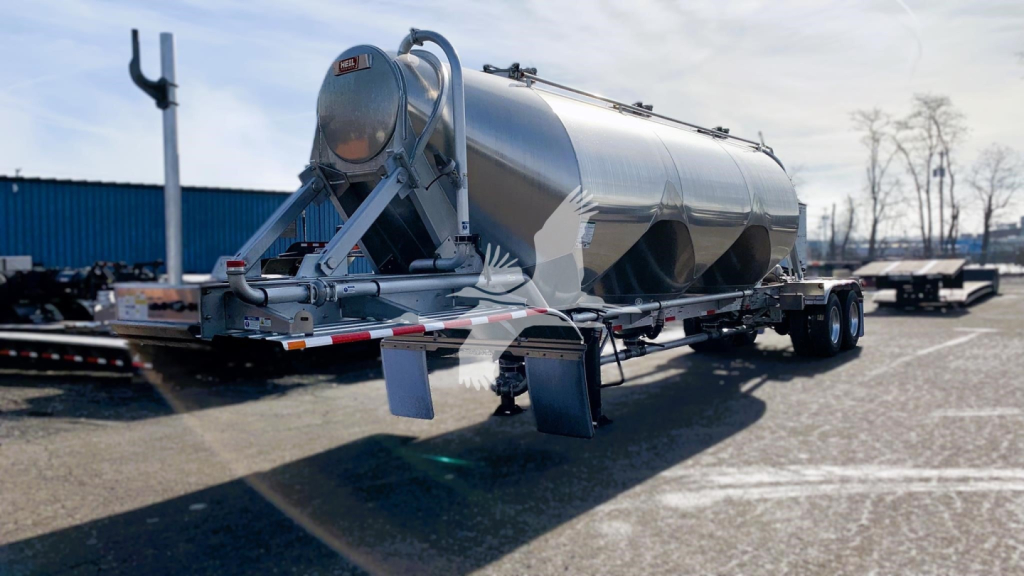
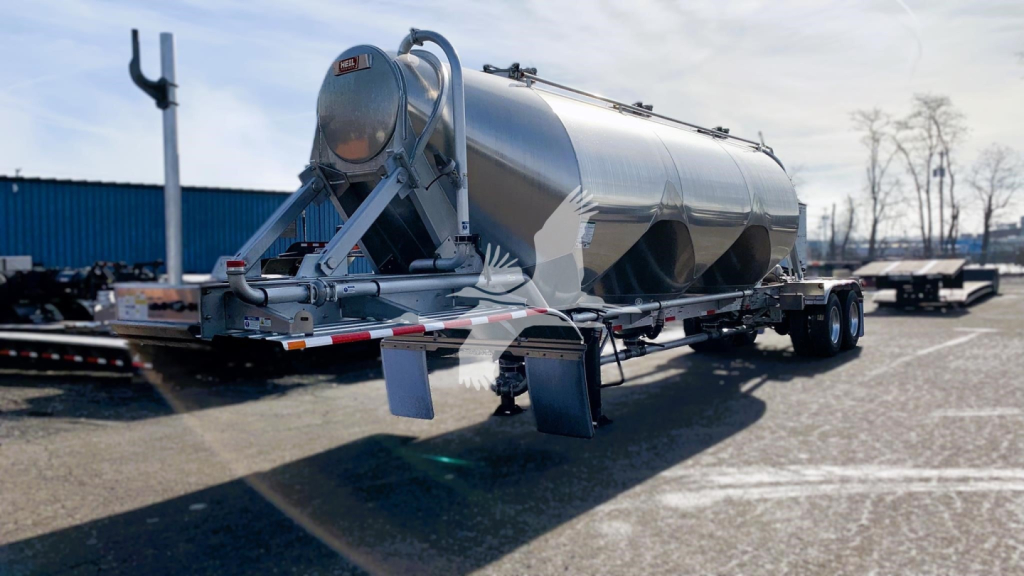
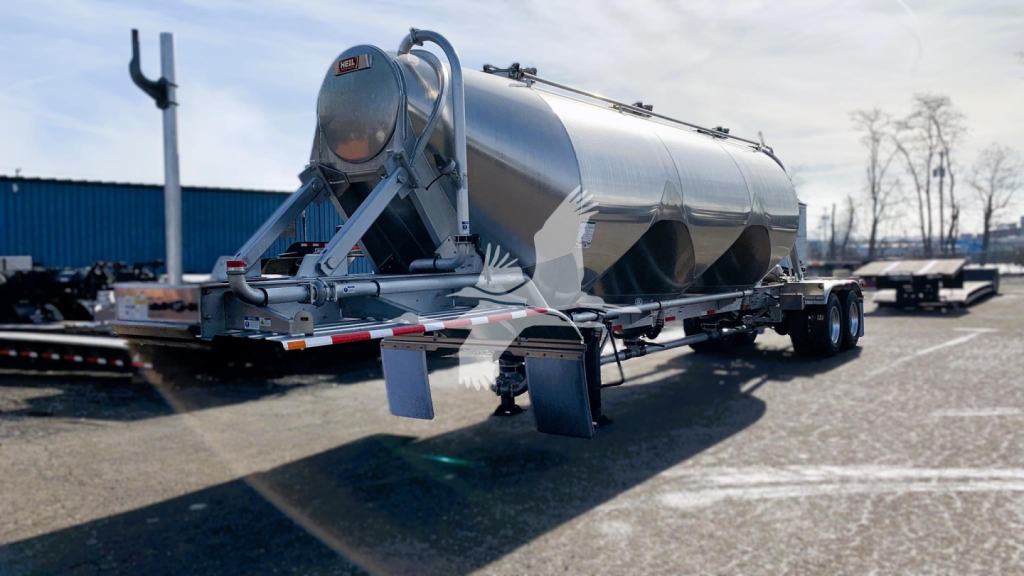
For many buyers, the first decision is barrel construction and capacity. A lightweight aluminum barrel and aluminum piping package helps maximize legal payload while resisting corrosion from abrasive dry commodities. Common specs in this category include tandem axle configurations, air ride suspension, multiple hopper compartments, and capacities around the 1,000 cubic foot range, which is a strong fit for cement and similar dense materials. A three-hopper layout with flo cones and rear discharge plumbing is common because it supports more controlled product movement and efficient cleanout. Manhole count, valve sizing, discharge location, and hose tube configuration all affect how easily the trailer fits your daily unloading routine.
Suspension and axle setup deserve close attention on a new pneumatic trailer. Air ride systems from brands like Hendrickson are popular for protecting the trailer structure, improving ride quality, and handling uneven plant and jobsite surfaces. Buyers should also review suspension spread, kingpin setting, landing gear specification, tire size, and wheel material because those details affect bridge compliance, maneuverability, and long-term maintenance cost. Aluminum wheels, galvanized hangers, and quality coatings on steel parts can add durability in Northeast road conditions where moisture, salt, and seasonal temperature swings are part of normal service.
A Heil pneumatic dry bulk trailer is best judged by how it matches your commodity, blower setup, and unload environment. Dense products like cement require a different ideal configuration than lighter materials, and not every pneumatic trailer is optimized for the same pressure, flow rate, or discharge speed. Buyers should compare cubic capacity, empty weight, product valve design, aeration system, pipe routing, and rear cabinet or gauge layout before making a final decision. The right trailer will load cleanly, unload consistently, and hold up under repetitive bulk cycles without giving away payload or serviceability.
Frequently Asked Questions about New Heil Pneumatic - Dry Bulk Trailers in Pennsylvania
What commodities are commonly hauled in a Heil pneumatic dry bulk trailer?
Heil pneumatic dry bulk trailers are commonly used for cement, lime, fly ash, sand, mortar mix, and other dry powdered or pelletized bulk materials that can be moved by air pressure. The exact commodity matters because product density, abrasiveness, and flow characteristics influence the ideal trailer capacity, hopper design, aeration system, and valve configuration. A trailer set up for cement may not be the best match for every other dry bulk product, so commodity fit should be confirmed early.
What is a typical capacity for a pneumatic dry bulk trailer used for cement?
A common cement-spec pneumatic trailer is around 1,000 to 1,040 cubic feet, often in a three-hopper configuration. That size gives a practical balance between payload and legal road weight when hauling dense material. Buyers should remember that cubic feet alone does not determine payload. Commodity density, trailer tare weight, axle layout, and state weight laws all determine how much material can be carried legally and profitably.
Why do many buyers choose aluminum construction on new dry bulk trailers?
Aluminum construction reduces empty weight and helps increase payload capacity, which is a major advantage in bulk hauling. Aluminum barrels, piping, and structural components also offer good corrosion resistance, which is valuable in year-round service. The tradeoff is that buyers still need to consider wear points, especially when hauling abrasive commodities, and pay attention to how the trailer is spec'd for long-term durability.
What should I look for in the unloading system on a pneumatic trailer?
The unloading system should be matched to your product and your blower operation. Key items include hopper design, aeration cones, pipe routing, discharge location, valve size, and gauge placement. A well-matched system supports smoother product flow, shorter unload times, and less residual material left in the tank. If your routes involve frequent plant unloads or tight delivery windows, discharge efficiency can have a direct effect on daily productivity.
How important is suspension choice on a dry bulk trailer?
Suspension choice is very important because it affects ride quality, trailer stability, structural stress, and tire wear. Air ride suspension is common on pneumatic dry bulk trailers because it helps protect the tank and piping while improving handling on uneven surfaces. Buyers should also review axle spacing, suspension rating, and related running gear specs to make sure the trailer fits both operating conditions and legal weight distribution requirements.