
Heil Pneumatic - Dry Bulk Trailers For Sale
Browse Heil pneumatic dry bulk trailers built for cement, lime, sand, and powders, with aluminum tanks, multiple hoppers, and air ride tandems.
Selling a heil pneumatic - dry bulk trailer? List your heil pneumatic - dry bulk trailer for sale and reach thousands of commercial buyers.
Heil Pneumatic - Dry Bulk Trailers
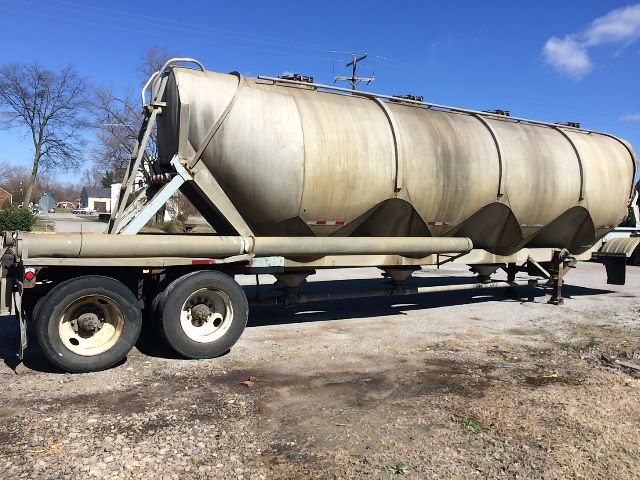
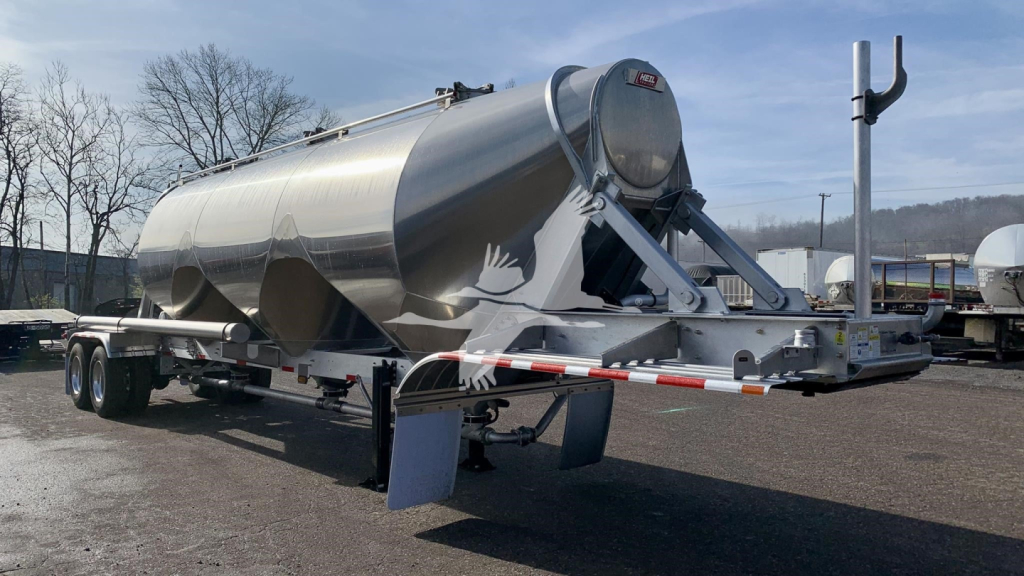
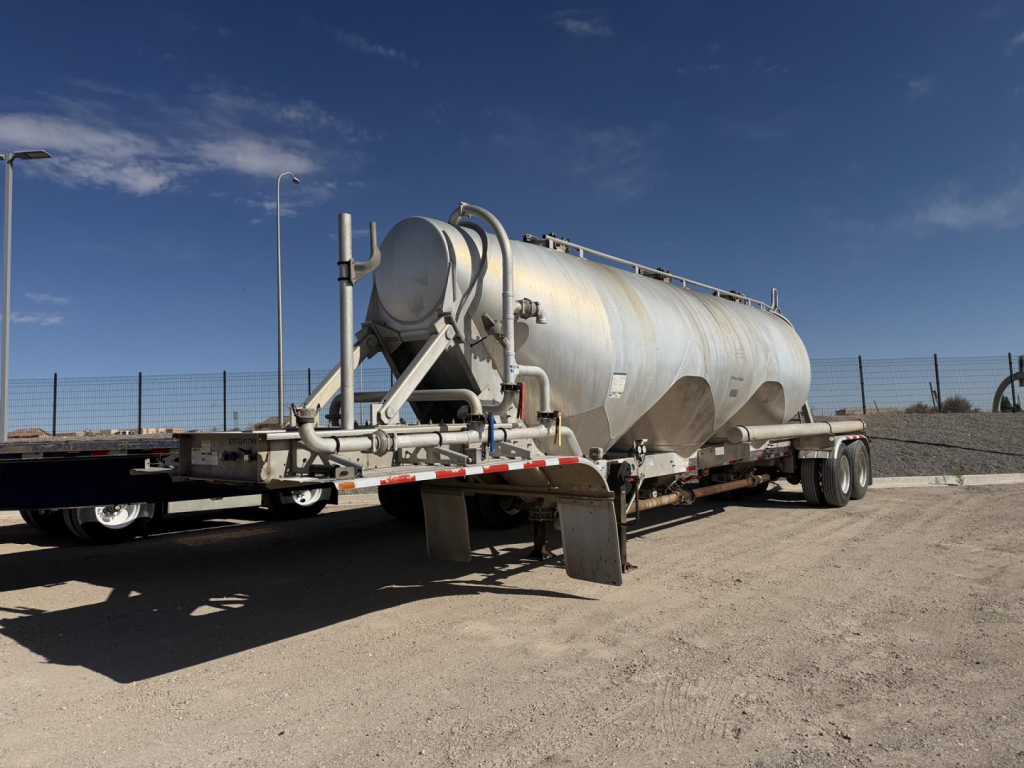
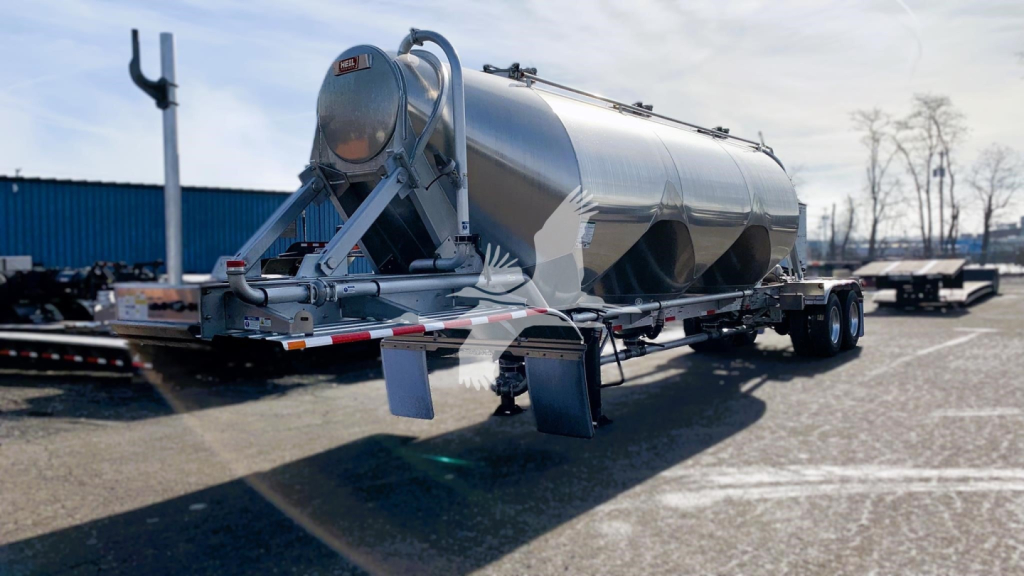
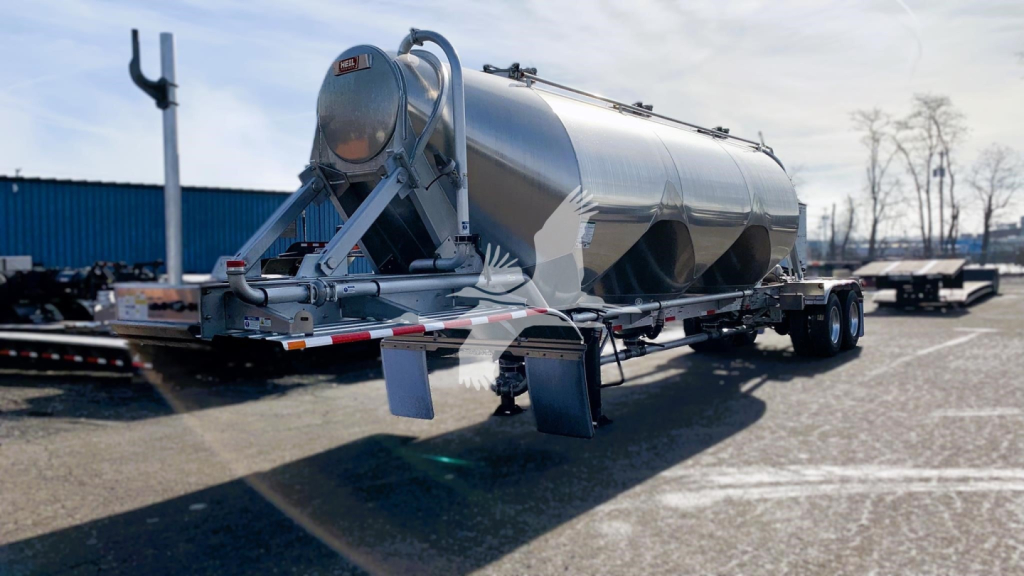
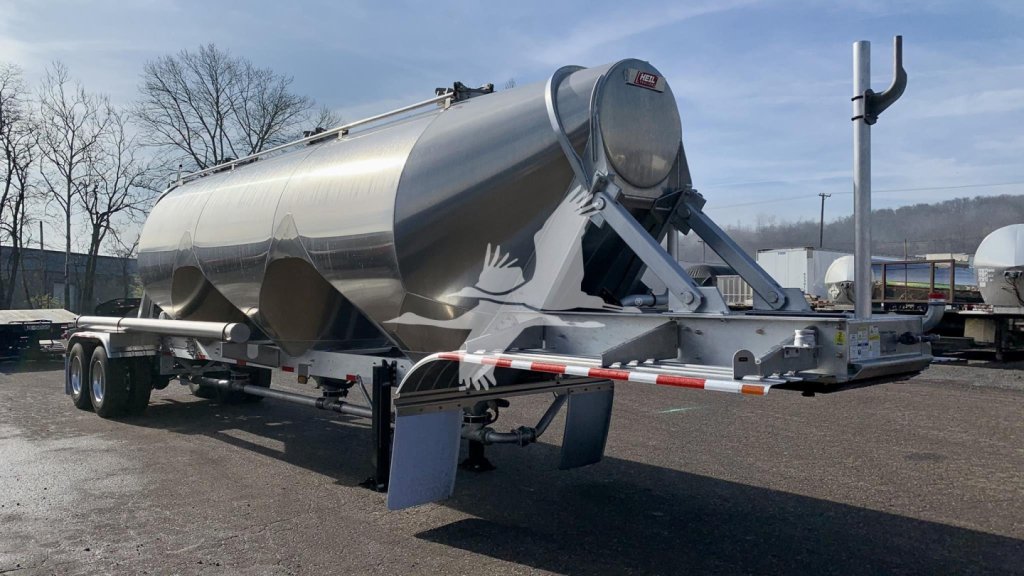
Heil Cementer and Sand Hog style pneumatic trailers are typically set up with three hoppers, three manholes, aeration cones or fluidizing pads, rear discharge plumbing, and 5-inch product valves. That combination is well suited for bulk cement and similar fine materials that need consistent airflow and controlled unloading. Some units are spec'd with aluminum piping and tees to reduce weight, while others use steel or mild steel in wear areas where abrasive product can shorten service life. If you are hauling frac sand or other harsh commodities, pay close attention to tee material, elbow wear, valve condition, and evidence of product erosion in the plumbing. On cement and fly ash work, clean aeration, solid dome seals, and accurate pressure gauges matter just as much as barrel condition.
Suspension and running gear specs are a major buying point in this class. Air ride tandems are common because they protect the trailer structure and help with stability on uneven plant yards and job sites. Buyers should confirm axle spread, suspension setting, tire size, wheel material, landing gear spec, and whether the trailer has a fixed or adjustable coupler. A 49-inch tandem setting, 11R22.5 tires, and mixed aluminum or all-aluminum wheel packages are common examples in this category. It also pays to inspect fenders, hose tube length and diameter, ladder and safety rail setup, work lights, and gauge cabinet placement because these details affect day-to-day usability more than many first-time buyers expect.
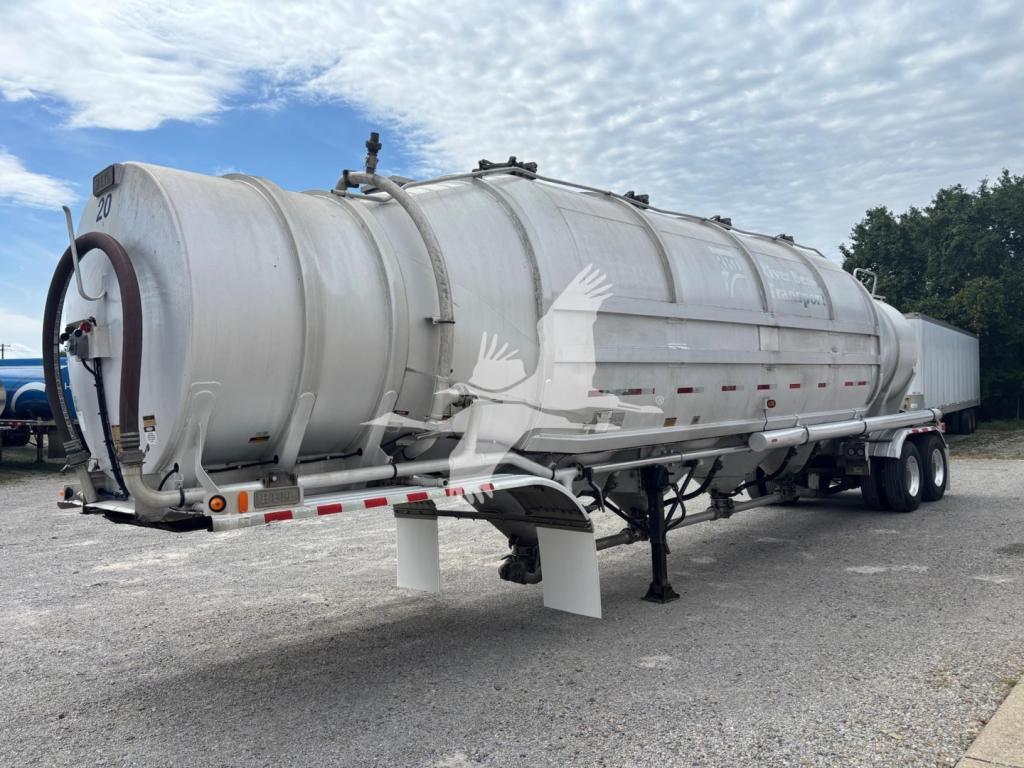
Used Heil pneumatic dry bulk trailers can offer strong value if the pressure system and structure have been maintained correctly. Service records, brake and drum life, line and tank pressure gauge function, and signs of prior repairs around hopper seams, subframe areas, and discharge plumbing deserve close attention. Product history also matters. A trailer that spent its life on cement, lime, or soda ash may show very different wear patterns than one used for abrasive sand service. Heil remains a recognized name in the dry bulk market because the trailers are straightforward to spec, familiar to many fleets and owner-operators, and commonly found in applications where low tare weight, dependable aeration, and predictable unloading performance are the priority.
Frequently Asked Questions about Heil Pneumatic - Dry Bulk Trailers
What commodities are Heil pneumatic dry bulk trailers commonly used to haul?
Heil pneumatic dry bulk trailers are commonly used for cement, fly ash, lime, sand, soda ash, and other dry powdered or granular commodities that can be moved by compressed air. The exact commodity matters because product density, abrasiveness, and flow characteristics affect the ideal trailer spec. Fine powders often favor clean aeration systems and well-sealed domes, while abrasive materials such as frac sand can increase wear on tees, elbows, valves, and discharge plumbing.
What capacity range is typical for a Heil pneumatic dry bulk trailer?
A common capacity range in this category is roughly 1,040 to 1,350 cubic feet, depending on the trailer model and application. Lower-capacity trailers can help maximize legal payload on heavier commodities like cement, while higher-cube trailers are more attractive for lighter products. Buyers should balance cubic capacity against tare weight, axle configuration, and local bridge laws rather than assuming the largest tank is always the best fit.
Why do many buyers prefer aluminum Heil pneumatic trailers?
Aluminum construction is popular because it reduces tare weight and can improve payload on weight-sensitive bulk lanes. Many Heil pneumatic dry bulk trailers use aluminum barrels, end frames, struts, piping, or wheel packages to save weight. Buyers still need to consider where steel components may be beneficial, especially in high-wear plumbing areas or in applications with abrasive product that can shorten the life of lighter materials.
What should I inspect first on a used Heil pneumatic dry bulk trailer?
Start with the pressure and discharge system because unloading performance is central to the trailer's value. Check the condition of aeration components, product valves, piping, tees, elbows, gauges, manhole seals, and hose storage. After that, inspect hopper seams, frame and suspension mounting points, landing gear, brakes, drums, tires, and signs of barrel or plumbing repairs. A trailer that looks clean but has weak aeration or worn discharge components can become expensive quickly.
What is the difference between a cement trailer and a sand-spec pneumatic trailer?
A cement trailer is generally optimized for fine powdered products that fluidize easily, with attention to aeration efficiency, discharge consistency, and low tare weight. A sand-spec pneumatic trailer, often associated with names like Sand Hog, is typically configured to handle more abrasive material and may use heavier-duty tees, plumbing, or protective wear components. The right choice depends on the commodity mix, expected unload pressure, and how much abrasive wear your operation sees over time.