
2027 Heil Pneumatic - Dry Bulk Trailers For Sale
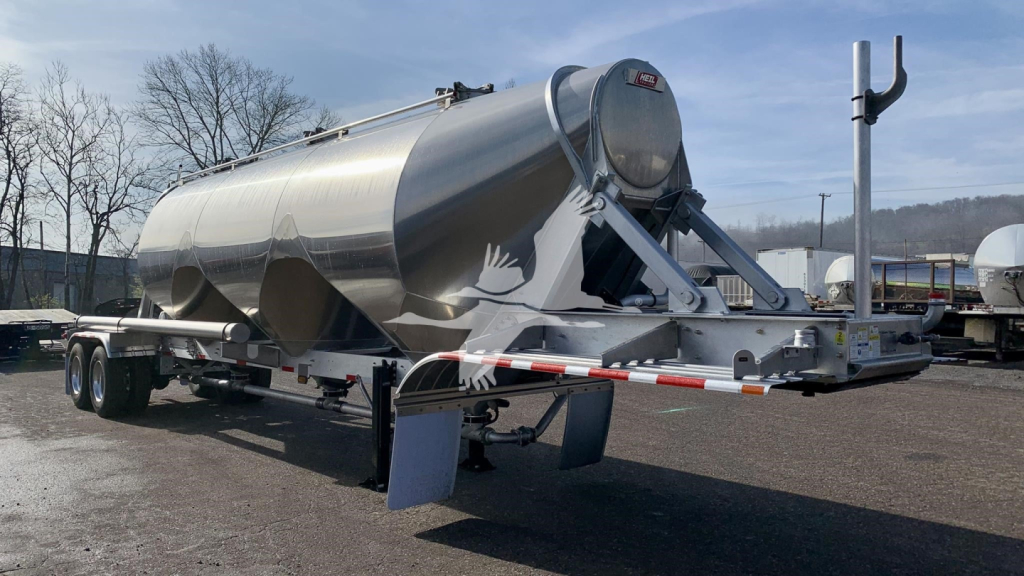
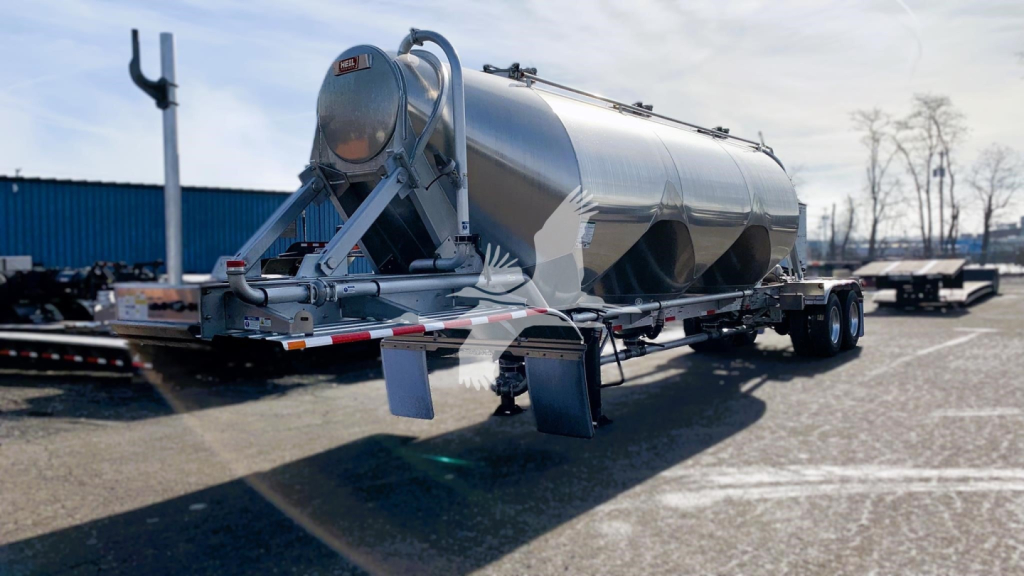
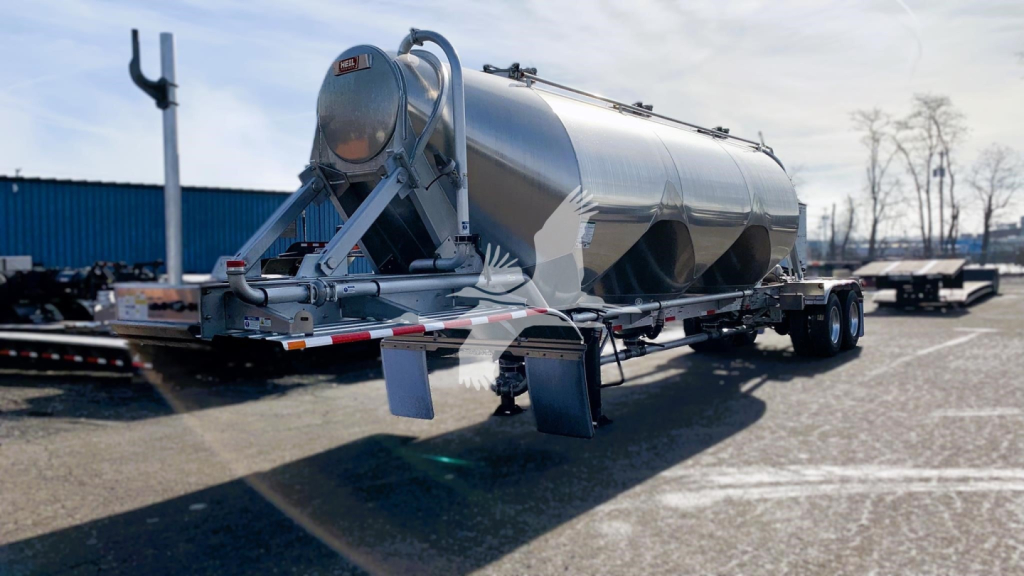
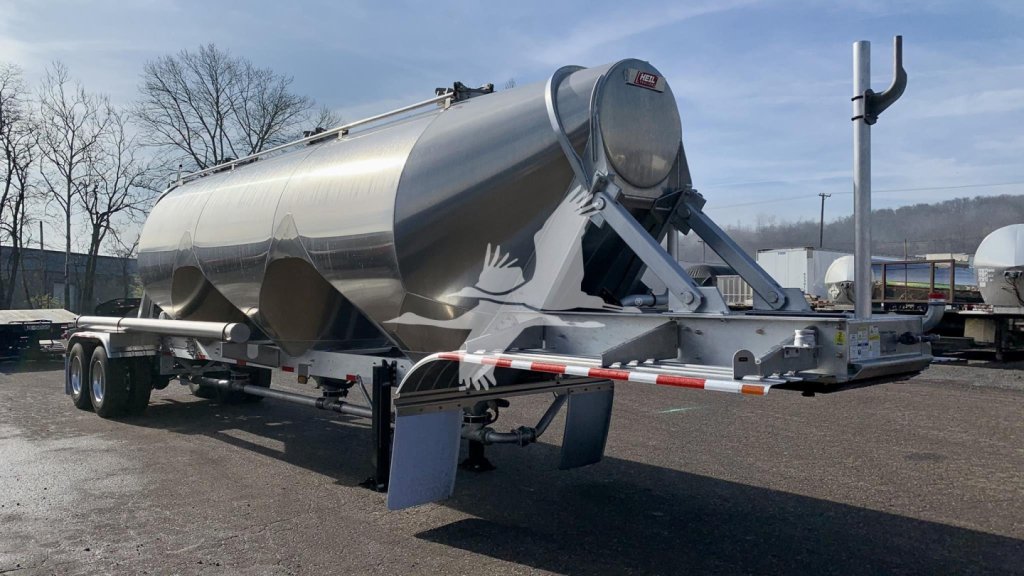
Shop 2027 Heil pneumatic dry bulk trailers, including cementer-style tanks with lightweight aluminum construction and 3-hopper unloading setups.
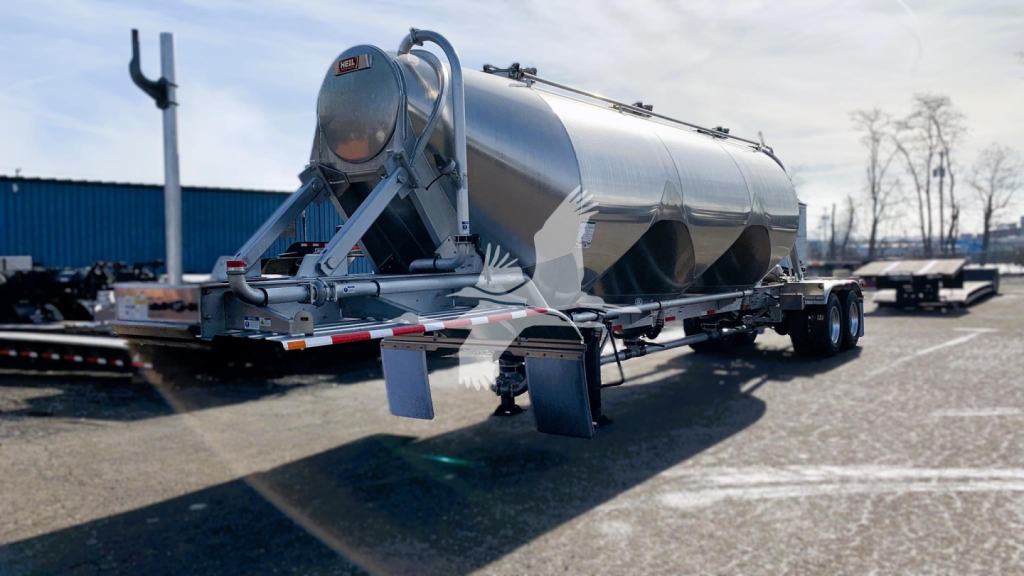
Selling a 2027 heil pneumatic - dry bulk trailer? List your 2027 heil pneumatic - dry bulk trailer for sale and reach thousands of commercial buyers.
2027 Heil Pneumatic - Dry Bulk Trailers
For most operations, the biggest buying decision is matching the tank to the product. Heavier commodities like cement and fly ash generally favor smaller cubic foot capacities to stay legal on gross weight, while lighter products may justify larger barrel volume. Aluminum barrel construction, aluminum piping, and aluminum end frames help control tare weight and improve corrosion resistance. Three-hopper designs are common because they promote more complete unloading and better product movement into the cones. Aeration systems such as flo cones, quality butterfly product valves, and properly routed piping all affect unload speed, residual product left in the tank, and how consistently the trailer performs from plant to jobsite.
Suspension and running gear deserve just as much attention as the tank itself. Many Heil dry bulk trailers are spec'd with air ride suspension, 49-inch tandem settings, 11R22.5 rubber, and aluminum wheels to balance ride quality, serviceability, and weight. Buyers hauling into tight plants or uneven jobsite entrances should pay attention to axle spread, raised-center or standard suspension configurations, and under-axle rear discharge layouts. Hose tube length, ladder placement, gauge location, cabinet access, landing gear spec, fenders, and work lights all matter in daily use because pneumatic work is repetitive and time-sensitive. A trailer that is easy to hook to a blower, read at a glance, and clean out between loads usually earns its keep faster than one that only looks good on paper.
When comparing Heil pneumatic dry bulk trailers for sale, focus on the complete unloading package instead of just the year and cubic feet. Check manhole count, valve brand and size, aeration design, discharge plumbing, and the condition of pressure gauges and seals. For used units, maintenance records, prior commodity history, brake and tire condition, and barrel cleanliness are especially important because contamination and air leaks can cost real money. For new-spec trailers, pay close attention to how the trailer is configured for your blower setup, lane weights, and commodity density. A well-matched Heil dry bulk trailer can deliver fast unloads, low product retention, and strong payload efficiency over a long service life.
Frequently Asked Questions about 2027 Heil Pneumatic - Dry Bulk Trailers
What products are commonly hauled in a Heil pneumatic dry bulk trailer?
Heil pneumatic dry bulk trailers are commonly used for cement, fly ash, lime, sand, soda ash, and certain plastic or mineral products that can be conveyed with air pressure. The exact commodity matters because product density and flow characteristics determine the right cubic capacity, hopper design, and valve setup. Heavier products usually require a lower cubic foot trailer to stay legal on weight, while lighter products can use more volume.
What cubic foot capacity is typical for a cementer-style pneumatic trailer?
A common cementer-style Heil pneumatic trailer falls around 1,000 to 1,040 cubic feet, often with a 42-foot overall length and three hoppers. That size is popular because it balances legal payload, unload efficiency, and maneuverability for cement and similar dense bulk commodities. Larger capacity is not always better if the material is heavy enough to limit payload before the tank is full.
Why is a three-hopper design popular on dry bulk trailers?
Three-hopper pneumatic trailers are popular because they improve product flow toward the discharge points and help reduce leftover material in the tank after unloading. This can shorten unload times and make changeovers easier when the trailer is used for similar commodities. Hopper count also affects cleanout and how evenly the trailer handles different load positions.
What should I inspect on a used pneumatic dry bulk trailer?
On a used pneumatic trailer, buyers should inspect the barrel, cones, piping, valves, manhole seals, pressure gauges, suspension, brakes, tires, and landing gear. Commodity history is important because some products leave residue or create moisture-related issues if the tank was not maintained correctly. It also helps to review maintenance records and confirm that the discharge system holds pressure and unloads cleanly without air leaks.
What specs matter most when choosing a new Heil dry bulk trailer?
The most important specs are cubic capacity, empty weight, barrel material, hopper count, discharge configuration, suspension type, axle setting, and valve and aeration components. These details affect legal payload, unload speed, maintenance cost, and compatibility with the blower equipment your operation uses. Small spec differences, such as under-axle rear discharge, hose tube length, or gauge placement, can also make a major difference in everyday productivity.