
Heil Pneumatic - Dry Bulk Trailers For Sale in Pennsylvania
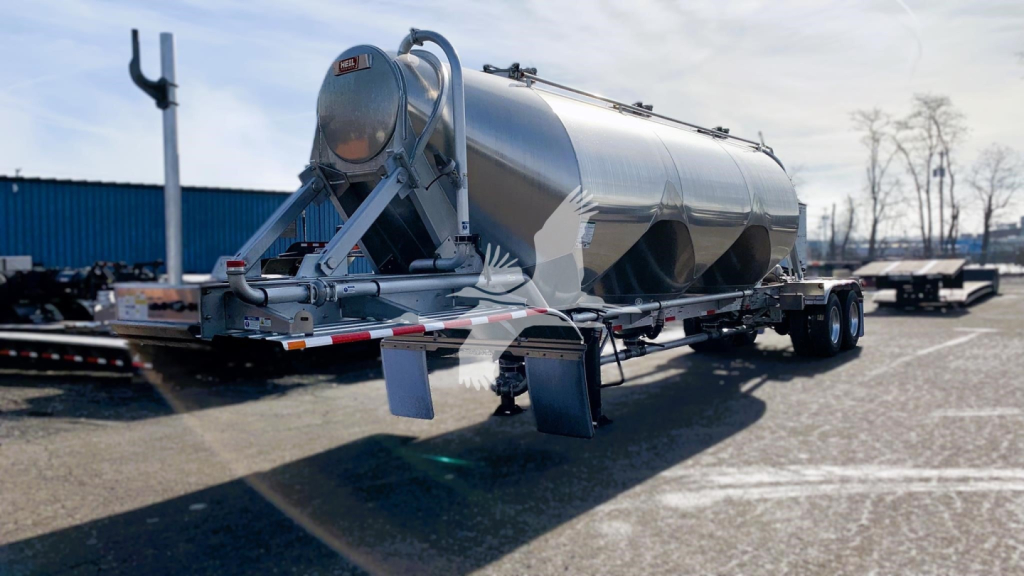
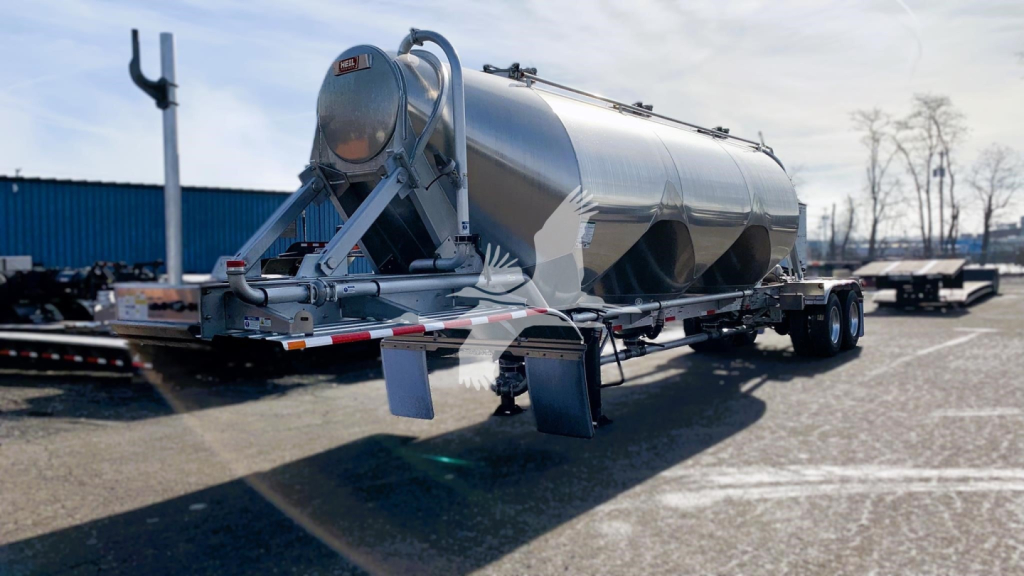
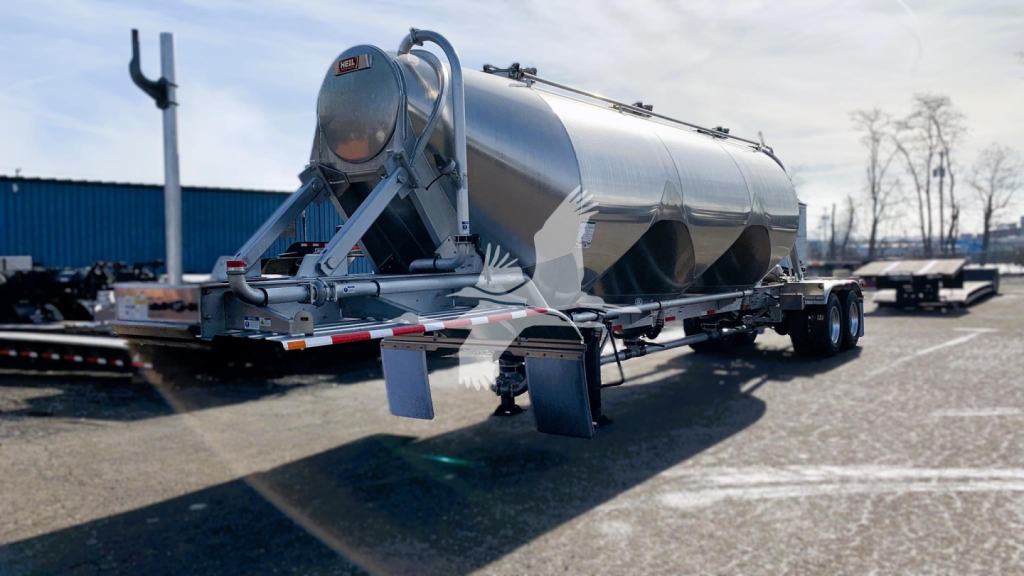
Heil pneumatic dry bulk trailers for hauling cement, lime, sand, and other dry products with lightweight aluminum construction and efficient unloading.
Selling a heil pneumatic - dry bulk trailer? List your heil pneumatic - dry bulk trailer for sale and reach thousands of commercial buyers.
Heil Pneumatic - Dry Bulk Trailers in Pennsylvania
A common Heil Cementer configuration in this class is a lightweight aluminum barrel around 42 feet long with roughly 1,040 cubic feet of capacity, three hoppers, and tandem axles on air ride suspension. That kind of setup is aimed at maximizing legal payload while keeping the trailer maneuverable enough for plant work and regional delivery. Aluminum end frames, struts, piping, and wheels help reduce tare weight, while components like Flo Cones, 5-inch butterfly product valves, and rear discharge plumbing are chosen to keep product moving efficiently during blow-off. If your freight is dense, such as cement or lime, a three-hopper design and clean cone geometry matter because they affect how completely the trailer evacuates and how consistently it feeds air.
The unloading system deserves close attention on any pneumatic trailer. Buyers should look at the aeration design, pipe routing, valve quality, hose tube storage, gauge placement, and whether the trailer is set up for under-axle rear discharge or another preferred layout. Pneumatic trailers live or die by maintenance discipline, so practical details like accessible plumbing, durable fenders, galvanized hangers, and quality landing gear have real value over time. Air ride suspensions from brands like Hendrickson are common because they help protect the trailer structure and commodity during rough regional hauling, and a 49-inch tandem setting is a familiar spec for operators balancing bridge compliance with plant access.
Heil has long been a recognized name in bulk hauling because these trailers are designed around payload efficiency, structural durability, and repeatable unloading performance. For a buyer, the right trailer is less about the badge on the nose and more about matching barrel material, capacity, axle configuration, and discharge hardware to the actual product hauled every day. Dense powders, abrasive material, and frequent unload cycles all put different demands on the tank and plumbing. A well-matched Heil pneumatic dry bulk trailer can deliver strong payload economics, quick turn times, and lower operating frustration when the spec fits the route, the compressor setup, and the commodity.
Frequently Asked Questions about Heil Pneumatic - Dry Bulk Trailers in Pennsylvania
What is a Heil pneumatic dry bulk trailer used for?
A Heil pneumatic dry bulk trailer is used to transport dry bulk commodities that are unloaded with air pressure rather than dumping. Common products include cement, fly ash, lime, sand, flour, and plastic resin, depending on the tank design and plumbing. These trailers are especially common in construction supply, industrial minerals, and plant-to-terminal operations where clean, controlled unloading is required.
How do I choose the right cubic foot capacity for a dry bulk trailer?
The right capacity depends on the density of the commodity and the legal gross weight you expect to run. Dense products like cement and lime usually reach weight before they fill the tank, so buyers often focus on minimizing trailer tare weight and choosing hopper geometry that unloads cleanly. Lighter commodities may need more cubic capacity to maximize revenue per trip. The best spec balances payload, bridge laws, route restrictions, and unload efficiency.
Why are aluminum pneumatic trailers so common?
Aluminum construction is common because it reduces empty weight and helps increase legal payload. On a pneumatic dry bulk trailer, aluminum barrels, piping, end frames, and wheels can make a meaningful difference in how much product the trailer can haul on every trip. Buyers should still consider the commodity being hauled, because abrasive materials and high-cycle service may influence the value of specific reinforcement, wear protection, or component choices.
What should I inspect on a used pneumatic dry bulk trailer?
Key inspection points include the barrel condition, weld integrity, hopper and cone areas, discharge plumbing, butterfly valves, aeration system, gauges, and hose tube condition. Buyers should also check suspension wear, axle alignment, landing gear, wheel-end condition, and any signs of product leakage or repeated patching. A pneumatic trailer can look clean and still have expensive issues in the air system or discharge plumbing, so service history and a careful pressure-system review are important.
Does hopper count matter on a dry bulk trailer?
Yes. Hopper count affects product flow, unload consistency, and how well the tank handles different commodities. A three-hopper trailer is common for dense bulk products because it can improve evacuation and keep product moving evenly toward the discharge system. The ideal hopper arrangement depends on the commodity, expected unload locations, and how much importance you place on complete cleanout versus maximum simplicity.