
New 2027 Heil Pneumatic - Dry Bulk Trailers For Sale
Shop new 2027 Heil pneumatic dry bulk trailers, including cementer configurations with lightweight aluminum construction and bulk hauling specs.
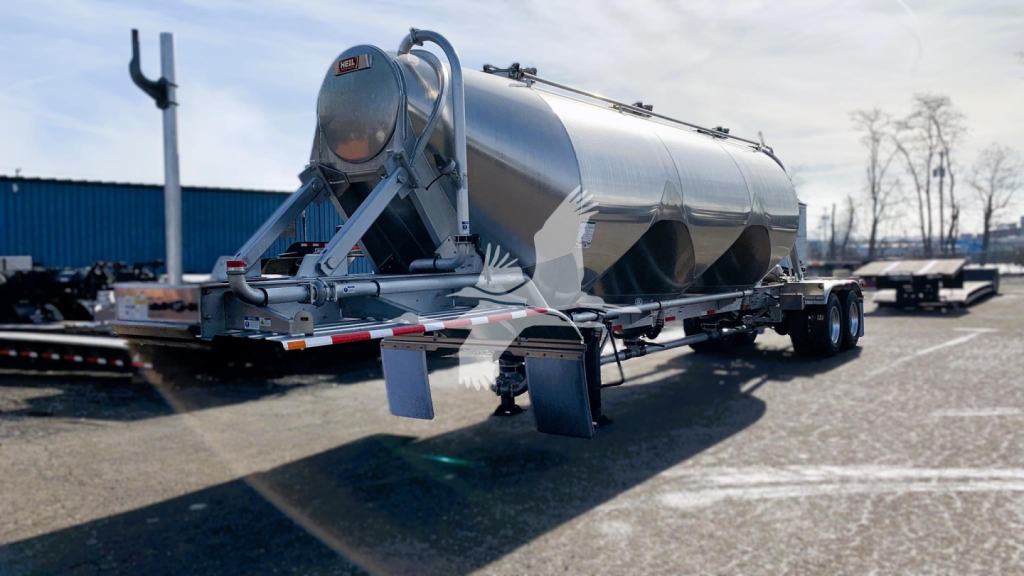
Selling a new 2027 heil pneumatic - dry bulk trailer? List your new 2027 heil pneumatic - dry bulk trailer for sale and reach thousands of commercial buyers.
New 2027 Heil Pneumatic - Dry Bulk Trailers
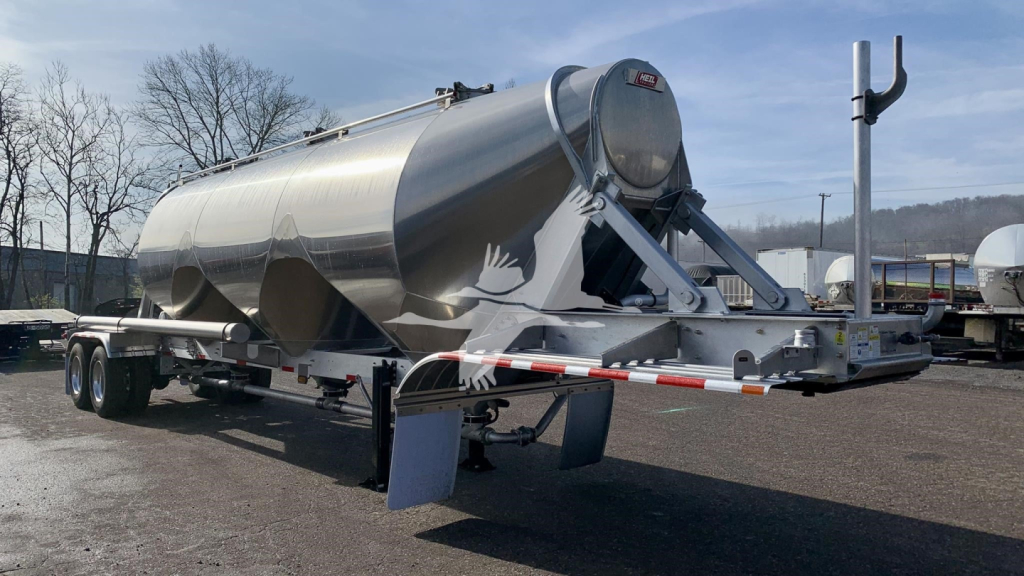
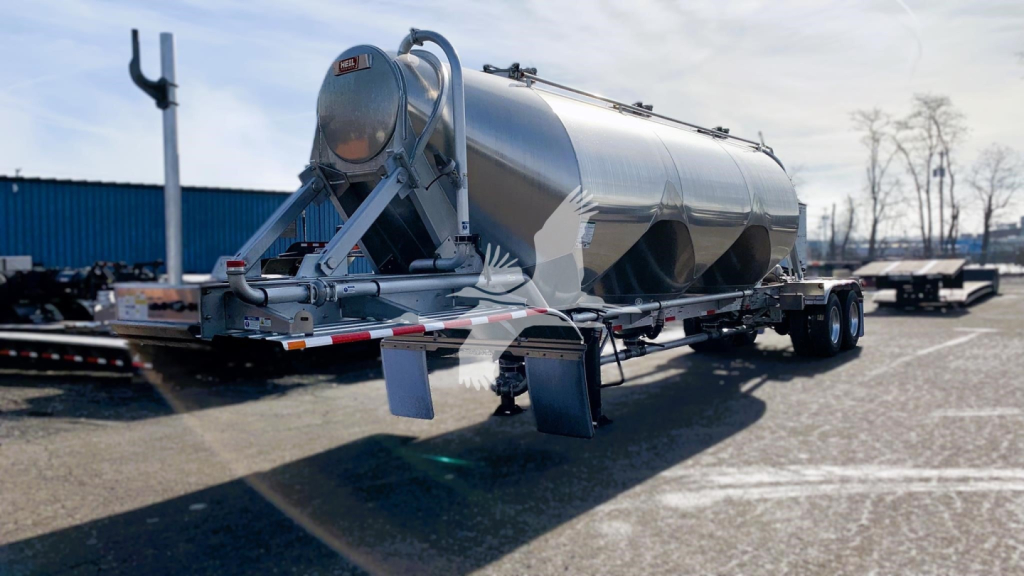
A typical new Heil dry bulk trailer in this class uses an aluminum barrel and aluminum piping to keep tare weight down while maintaining corrosion resistance. Common configurations include a 42-foot overall length, 96-inch width, tandem axle layout, and around 1,040 cubic feet of capacity with a three-hopper design. Aeration systems such as Flo Cones help move product consistently to the discharge point, and 5-inch butterfly valves are a standard choice for controlling flow during unloading. Rear discharge plumbing, hose tube storage, multiple manholes, and accessible gauge placement all matter in daily use because they affect turnaround time, cleanout, and driver convenience.
Suspension and running gear deserve close attention on a pneumatic trailer because bulk loads are sensitive to weight distribution and road conditions. Air ride suspension is common for product stability and chassis durability, and many buyers prefer proven setups from brands like Hendrickson. Tandem settings, axle placement, tire size, and wheel material all factor into bridge compliance, maintenance cost, and payload strategy. Features like galvanized hangers, aluminum fenders, quality landing gear, and LED work lights are not cosmetic details. They directly affect service life, ease of operation, and uptime in tough bulk-hauling environments.
For buyers comparing new 2027 Heil pneumatic dry bulk trailers, the real decisions usually come down to commodity type, target payload, unload system compatibility, and regional operating requirements. Heavier commodities favor cementer specs with lower cube and lighter tare, while lighter products may justify more volume. It is also worth confirming blower requirements, hose length needs, valve style, hopper count, and access layout before making a final choice. A well-matched pneumatic trailer can improve unload speed, reduce residual product, and lower lifecycle cost over years of bulk service.
Frequently Asked Questions about New 2027 Heil Pneumatic - Dry Bulk Trailers
What products are Heil pneumatic dry bulk trailers commonly used to haul?
Heil pneumatic dry bulk trailers are commonly used for cement, fly ash, lime, sand, mortar, and other dry powdered or granular commodities that unload through an air-assisted system. The exact trailer specification should match the commodity density and flow characteristics because heavier materials often require a cementer-style configuration with lower cubic capacity and lighter empty weight to maximize legal payload.
What does a cementer configuration mean on a pneumatic dry bulk trailer?
A cementer is a pneumatic dry bulk trailer designed for dense materials such as cement and fly ash. These trailers usually have a lower cubic capacity than trailers built for lighter commodities, which helps keep gross weight legal while still carrying an efficient payload. Buyers often look for aluminum construction, multiple hoppers, effective aeration, and reliable discharge valves in this setup.
Why are aluminum barrels and aluminum piping so common on pneumatic trailers?
Aluminum construction reduces tare weight, which gives the trailer more payload potential without sacrificing corrosion resistance. That matters in dry bulk applications where every pound of empty weight affects revenue. Aluminum piping and structural components can also help with long-term durability, especially in fleets that run high annual miles or operate in regions where moisture and road treatment chemicals accelerate corrosion.
What specifications matter most when comparing new pneumatic dry bulk trailers?
The most important specifications are cubic capacity, trailer length, hopper count, barrel material, discharge layout, valve size, suspension type, axle configuration, and tare weight. Buyers should also review aeration design, hose tube capacity, manhole count, landing gear, and gauge placement. Those details affect unloading speed, product cleanout, maintenance access, and day-to-day driver efficiency.
How do I choose the right dry bulk trailer capacity for my operation?
Start with the commodity you haul most often and its pounds per cubic foot. Heavy products like cement usually require lower-cube trailers so the load stays legal on axle and gross weight limits. Lighter products may allow a higher-volume trailer. The right choice depends on payload goals, route laws, plant requirements, blower setup, and how often the trailer will be dedicated to one product versus multiple materials.