
New Pneumatic - Dry Bulk Trailers For Sale
New pneumatic dry bulk trailers for cement, lime, fly ash, flour, and plastic pellets. Compare cubic capacity, hopper design, discharge, and spec details.
Selling a new pneumatic - dry bulk trailer? List your new pneumatic - dry bulk trailer for sale and reach thousands of commercial buyers.
New Pneumatic - Dry Bulk Trailers
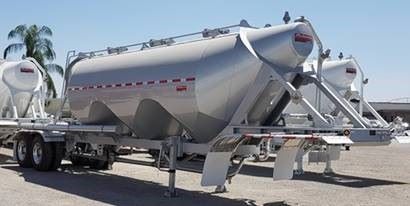
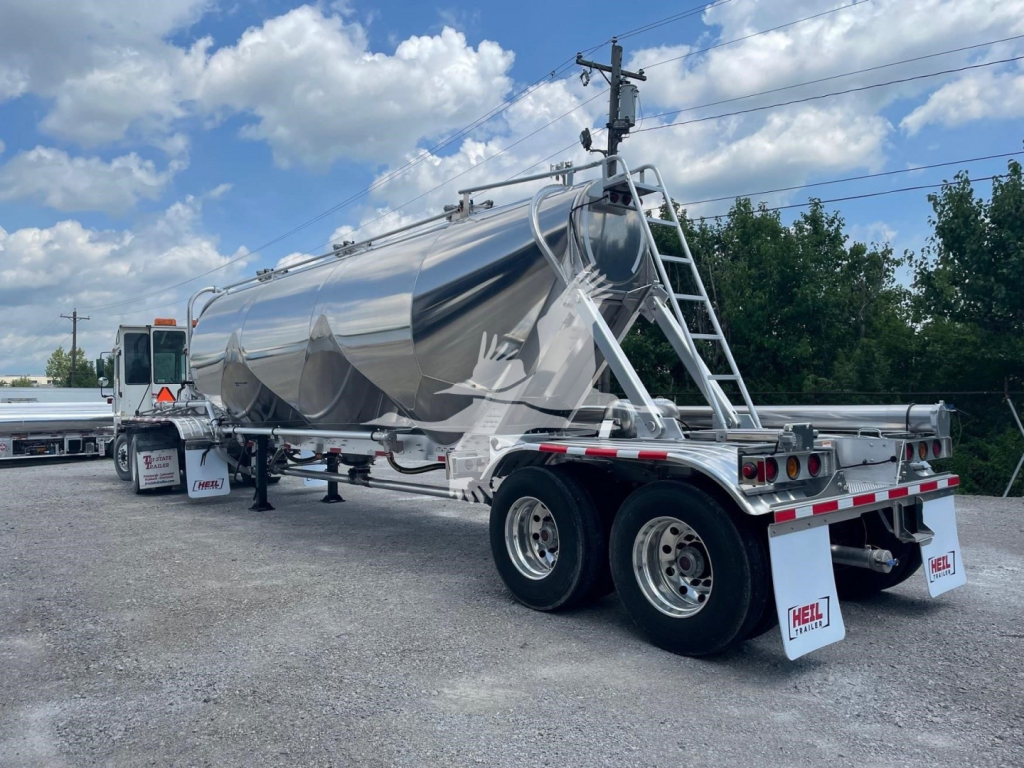
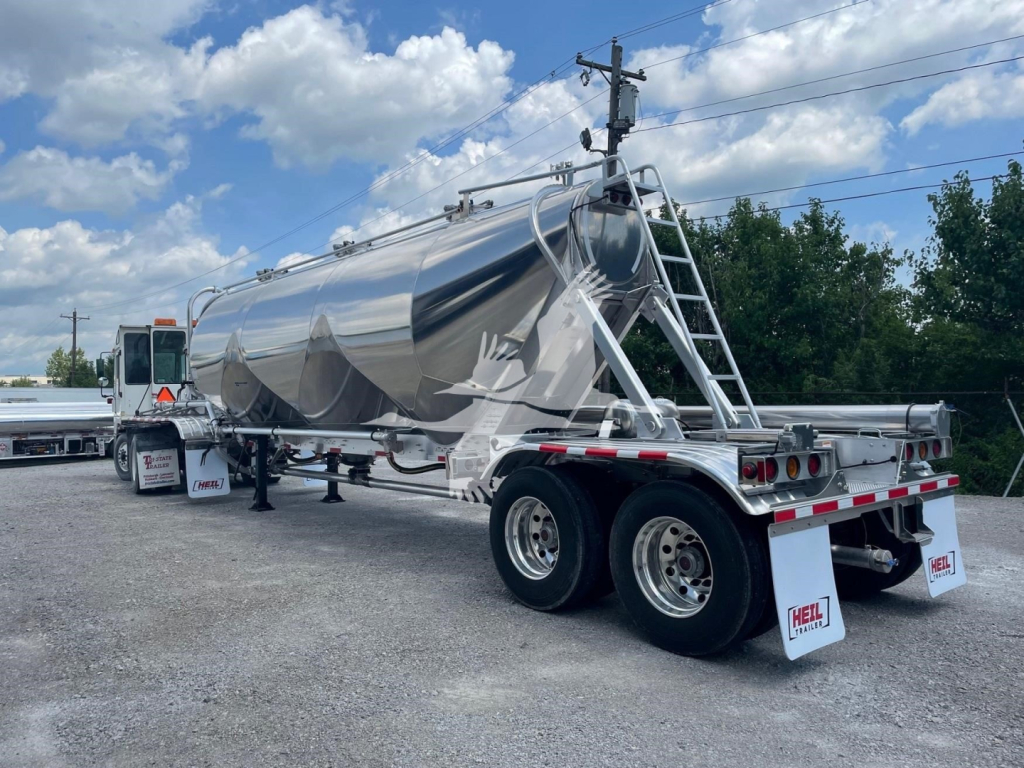
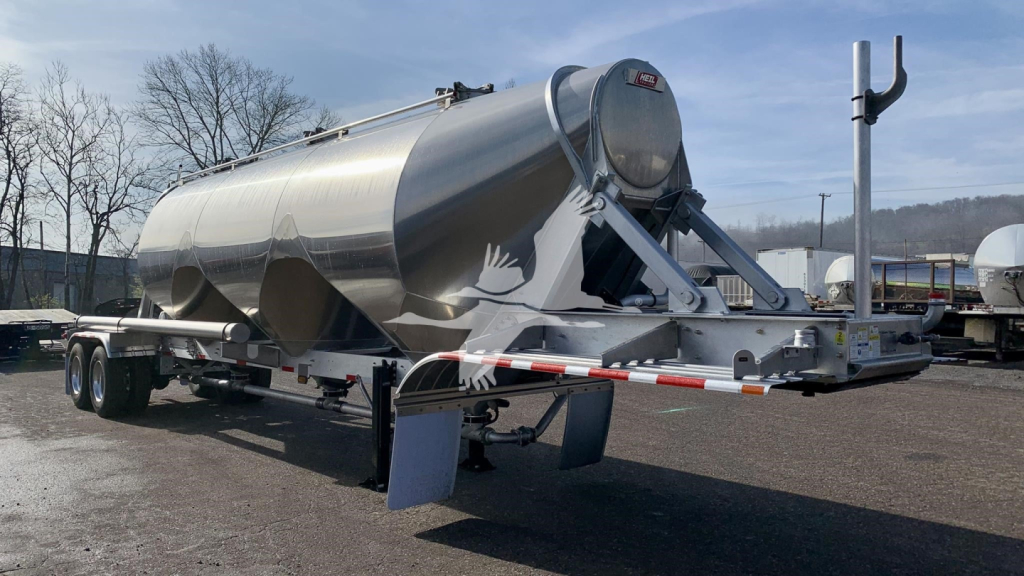
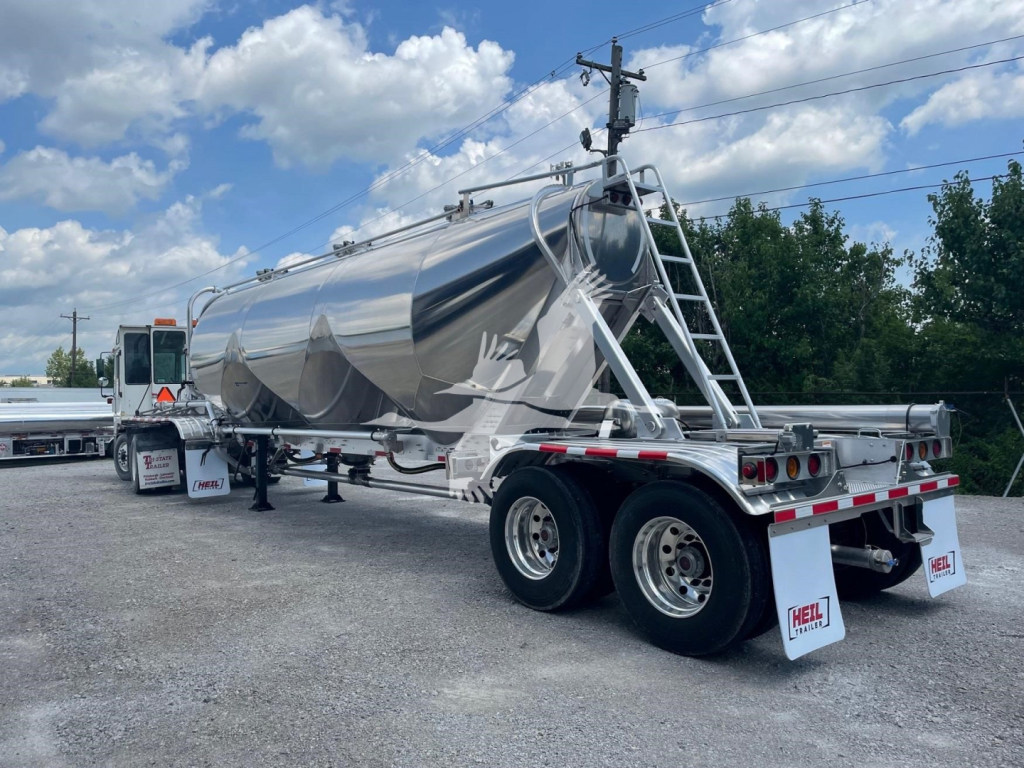
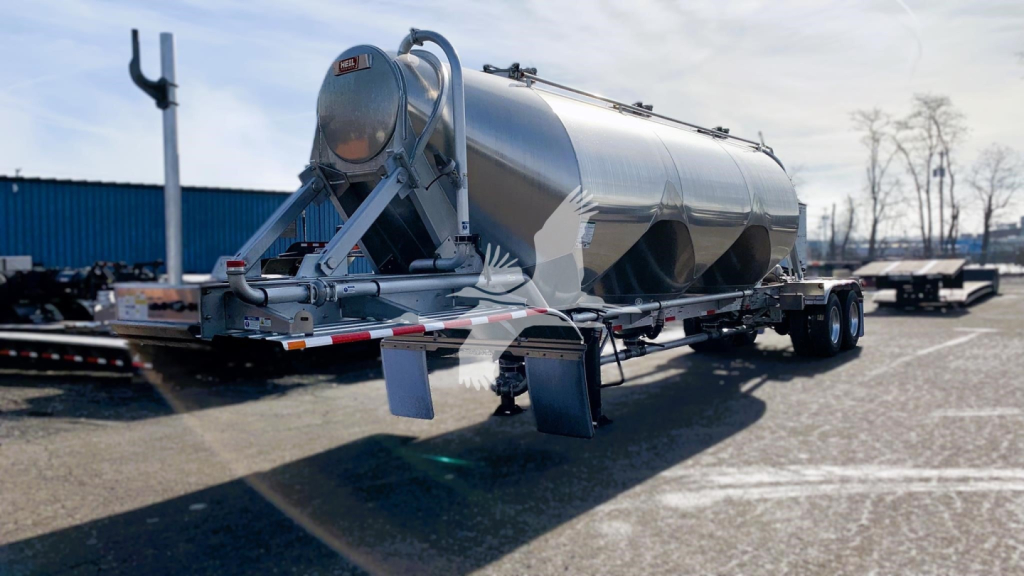
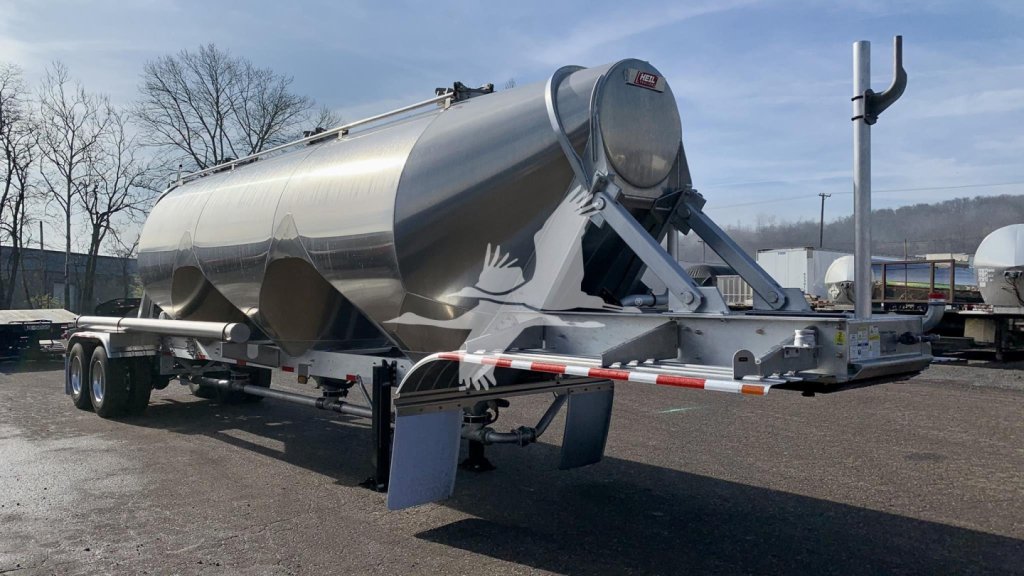
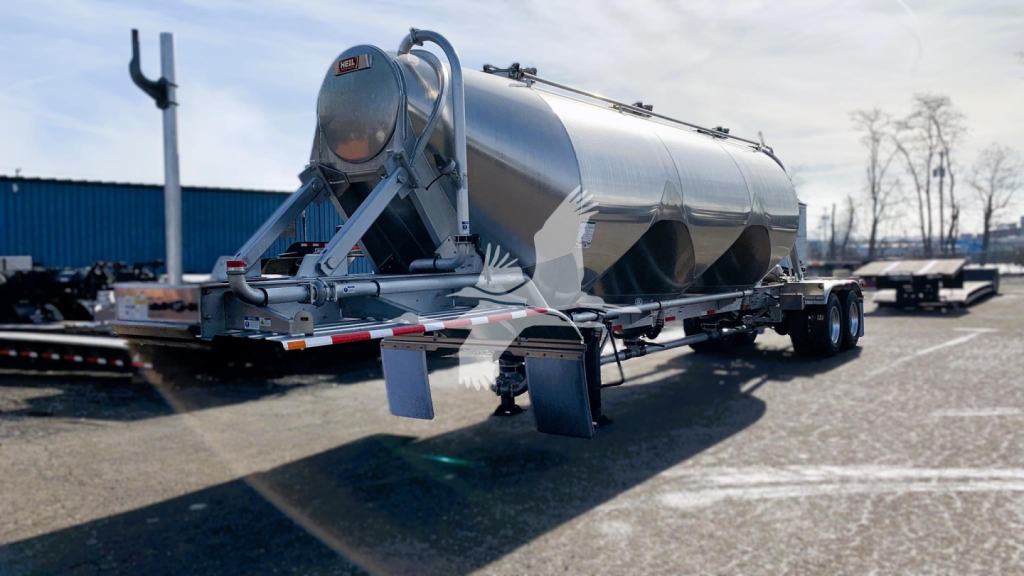
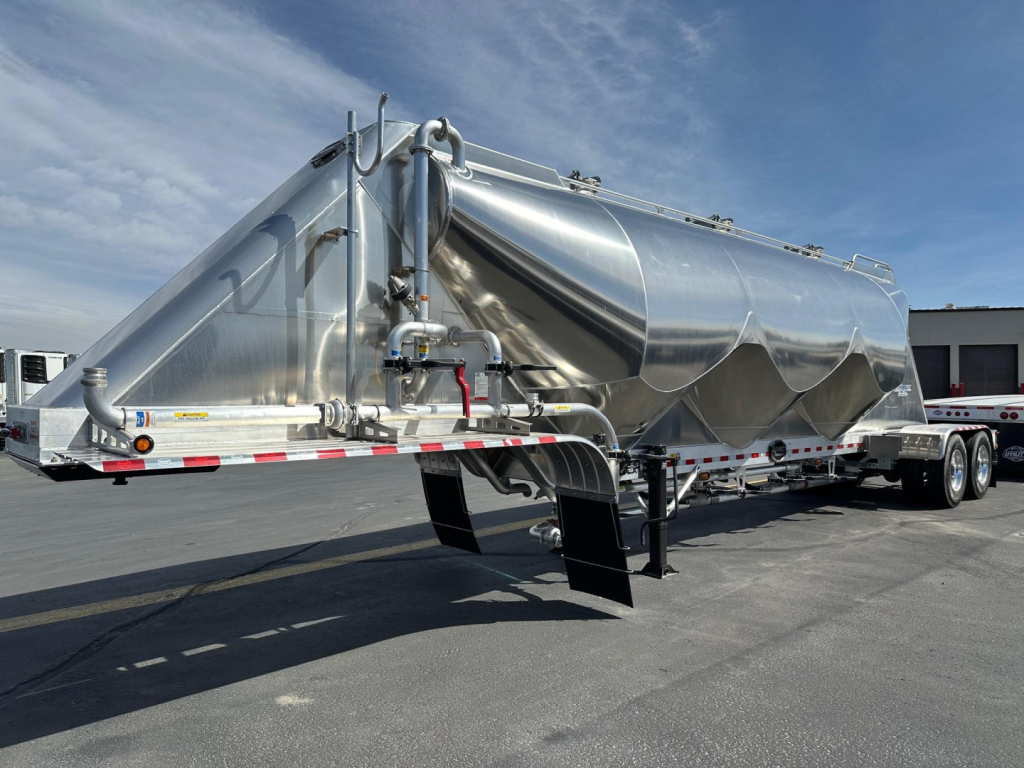
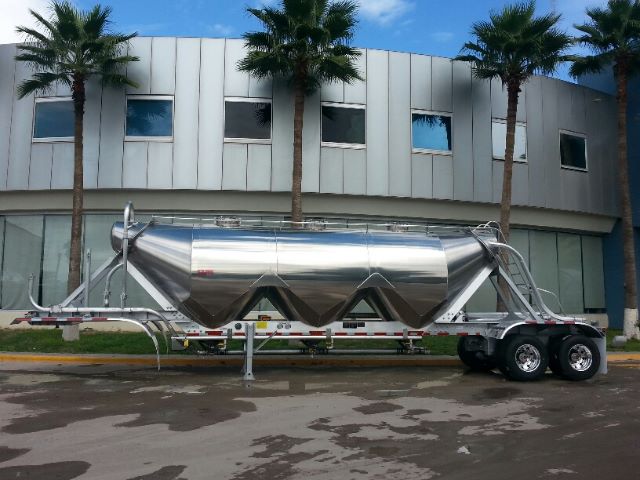
Most new pneumatic trailers in this segment use aluminum construction to keep tare weight down and improve payload. Tandem axle air ride suspensions are standard on many specs, often with 11R22.5 tires, aluminum wheels, and 42-foot to 44-foot overall length. Hopper count matters more than some buyers expect. Three-hopper designs are common because they balance product evacuation, structural simplicity, and unloading efficiency. Food grade specifications typically add details such as dedicated product piping, smoother interiors, cleaner sealing points, and aeration systems intended to protect product quality and improve discharge consistency.
Discharge layout and plumbing should match the commodity and the terminal environment. Many trailers are set up with 5-inch product lines, rear discharge, BTI tees, butterfly valves, aeration, filter canisters, hose tubes, and roadside control placement. Those details directly affect unload time, line pressure, cleanout, and driver ease of use. If the trailer will haul difficult materials, look closely at aeration design, cone geometry, valve quality, and whether the unit uses top air or a rear-only configuration. Raised axles, adjustable couplers, load gauges, landing gear spec, fender package, and work light placement also make a real difference in daily service, especially on high-cycle regional work.
For a buyer comparing new pneumatic dry bulk trailers for sale, the best spec is the one that fits the product first and the route second. Dense commodities like cement can make a smaller cubic capacity trailer the smarter legal-payload choice, while lighter materials may call for a larger cube body. Food grade service, construction materials, line size, suspension setting, and discharge arrangement should all be reviewed as a package rather than as isolated options. A well-matched pneumatic trailer unloads efficiently, stays compliant on weight, and reduces product carryover, maintenance downtime, and driver frustration.
Frequently Asked Questions about New Pneumatic - Dry Bulk Trailers
What is a pneumatic dry bulk trailer used for?
A pneumatic dry bulk trailer is used to haul dry commodities that can be unloaded with compressed air through a sealed piping system. Common products include cement, lime, fly ash, flour, sugar, and plastic pellets or resin. These trailers are designed for clean, contained unloading at plants, terminals, and job sites where gravity-only discharge is not practical or where product control is critical.
How do I choose the right cubic foot capacity for a new dry bulk trailer?
Capacity should be matched to the density of the material you plan to haul, not just the largest available cubic footage. Dense products such as cement and lime can gross out before the trailer is full, so a lower-cube trailer may deliver the best legal payload. Lighter materials such as flour or plastic resin often need more cubic volume to maximize revenue per trip. The right choice balances commodity density, axle laws, route restrictions, and tare weight.
What features matter most on a food grade pneumatic trailer?
Food grade pneumatic trailers need more than a label. Buyers should pay attention to the interior finish, product piping material, sealing surfaces, manhole and dome lid design, aeration system, and how easily the trailer can be cleaned between loads. Dedicated food service units are commonly spec'd to reduce contamination risk, protect product quality, and meet shipper requirements for sanitary bulk transport.
Is rear discharge better than other pneumatic discharge layouts?
Rear discharge is popular because it simplifies hose connection and can be efficient for many terminal and plant setups. The best layout still depends on your unloading points, blower system, hose routing, and the commodities you move. Buyers should compare rear discharge location, line diameter, valve quality, tee design, and control placement because those details affect unload time, product recovery, and driver workload.
Why is aluminum construction common on new pneumatic dry bulk trailers?
Aluminum is widely used because it lowers empty weight compared with heavier constructions, which helps preserve legal payload. It also offers good corrosion resistance for many bulk applications and is common in the barrel, end frames, piping, and wheel package on modern specs. Lower tare weight can be especially important in dry bulk operations where payload margin directly affects trip profitability.