
New Pneumatic - Dry Bulk Trailers For Sale in Ohio
New pneumatic dry bulk trailers for hauling cement, lime, fly ash, and other powders. Compare capacities, hopper layouts, and axle specs.
Selling a new pneumatic - dry bulk trailer? List your new pneumatic - dry bulk trailer for sale and reach thousands of commercial buyers.
New Pneumatic - Dry Bulk Trailers in Ohio
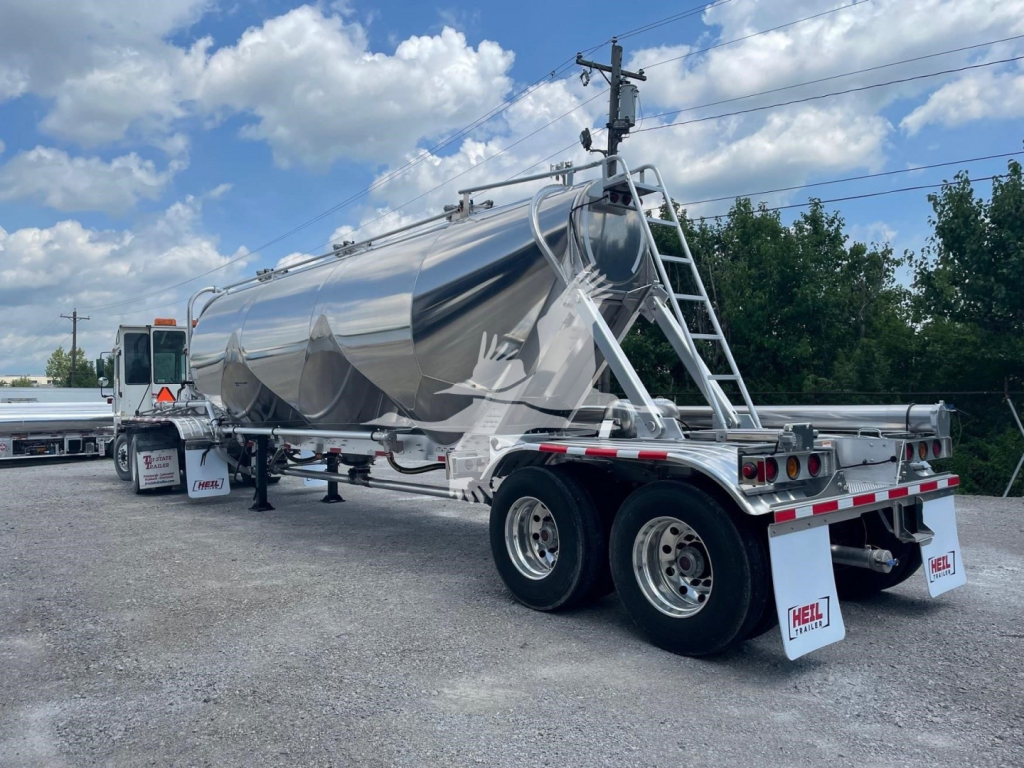
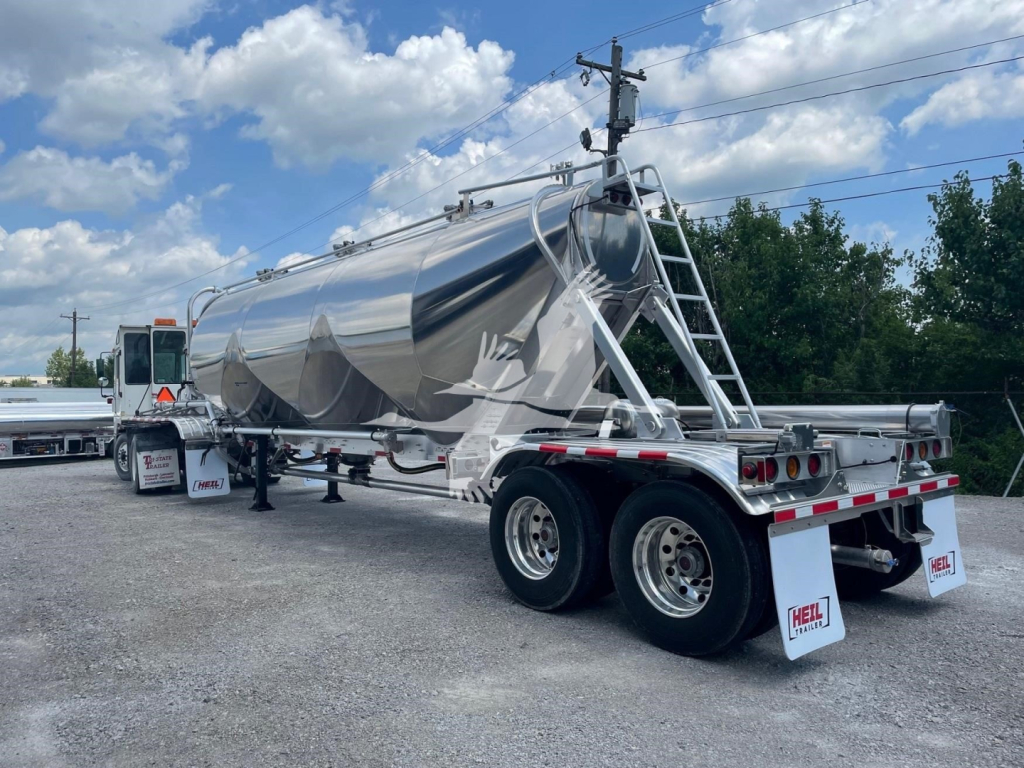
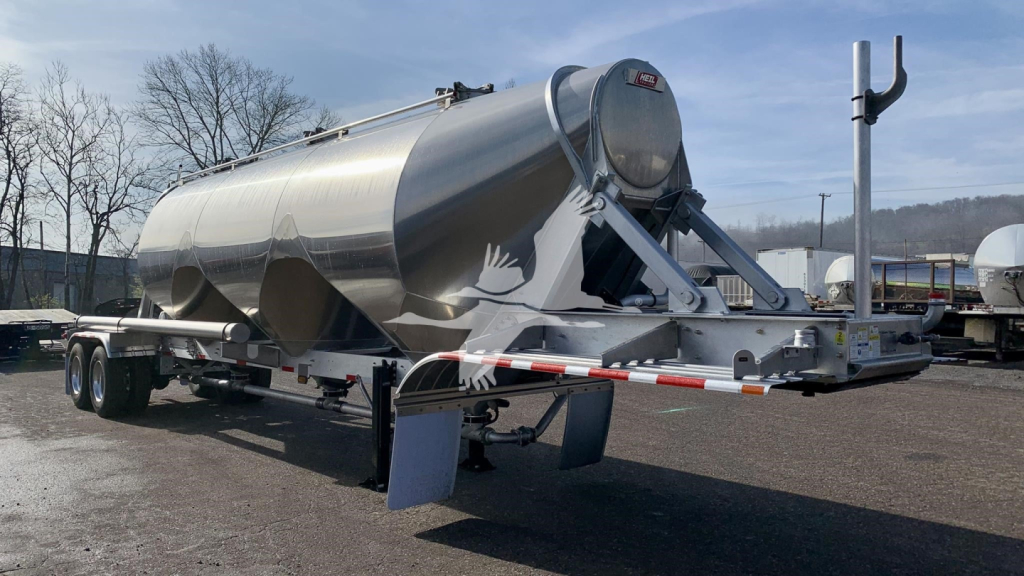
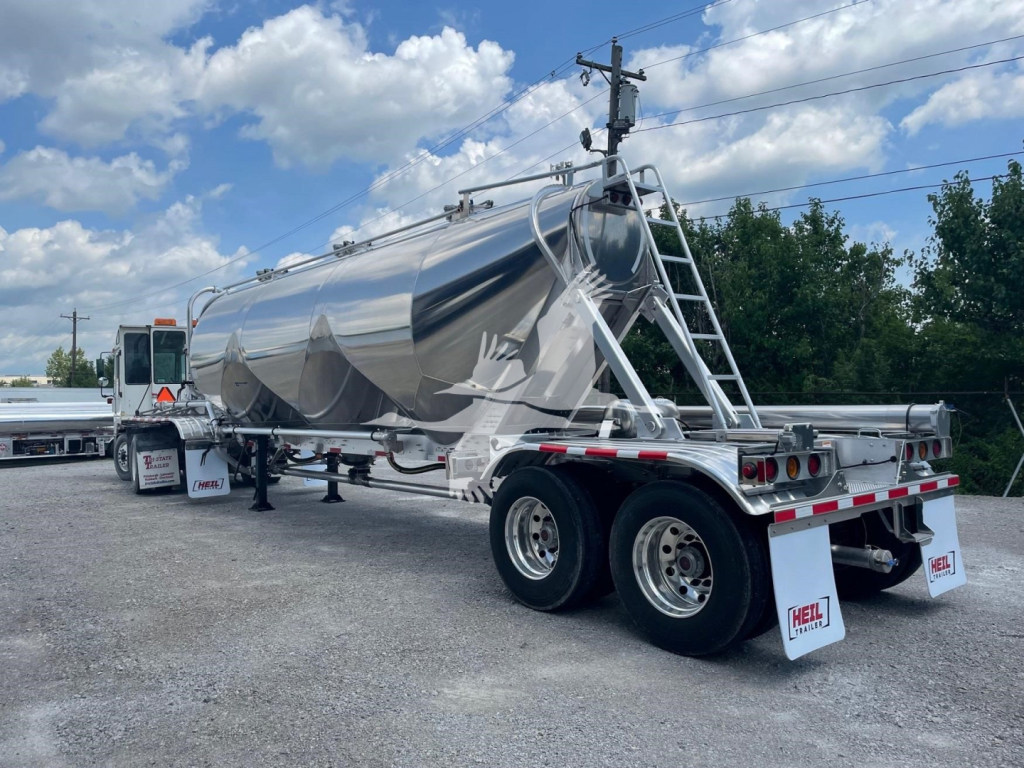
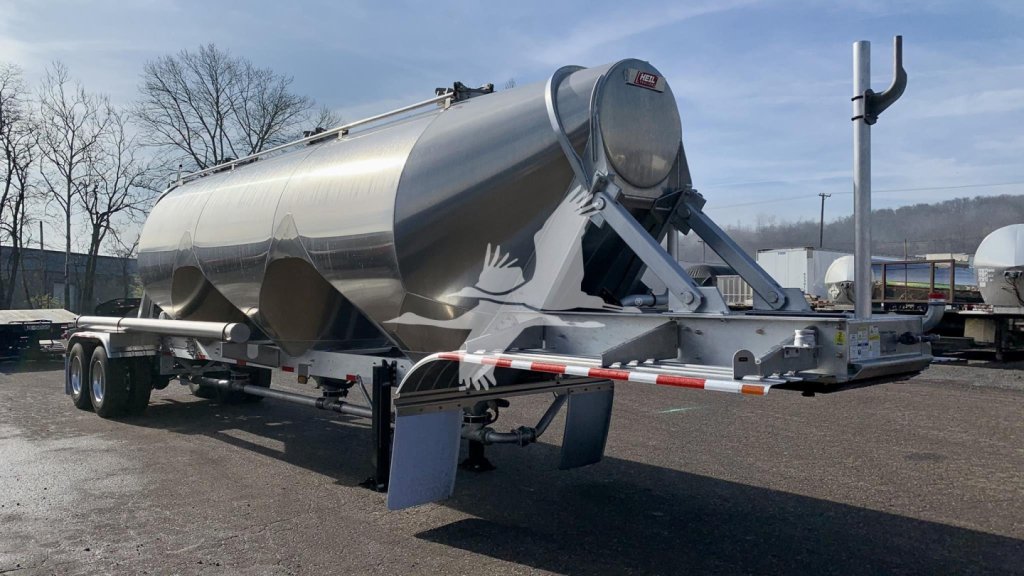
The biggest buying decisions usually come down to barrel design, hopper count, and discharge configuration. Three-hopper pneumatic trailers are common because they promote more complete unloading and better product flow to the cones. Aeration systems such as flo cones help fluidize material and reduce residual product left in the tank. Rear discharge plumbing, 5-inch product valves, aluminum piping, and quality tees all matter because restriction points and component wear directly affect unload time and maintenance cost. Buyers comparing new units should also look closely at manhole count, hose tube length and diameter, and gauge placement, since these details affect loading access, jobsite usability, and driver efficiency.
Running gear matters just as much as the barrel. Tandem axle air ride suspension is standard on many new pneumatic dry bulk trailers because it protects the structure, improves ride quality, and handles varying load conditions well. Suspension settings, axle spacing, and kingpin location should be matched to state bridge laws and the tractor wheelbase you expect to use. Raised center axle setups are also common on tandem configurations. Aluminum wheels, galvanized hangers, and corrosion-resistant components are especially valuable in Ohio, where road treatment and seasonal weather can shorten the life of untreated steel parts. Tire size, load rating, and landing gear spec should be reviewed with the same care as the tank itself because these trailers spend a lot of time at plants, terminals, and uneven unload sites.
A new pneumatic dry bulk trailer appeals to fleets that want current emissions-site compatibility from their tractor-trailer combination, a fresh maintenance baseline, and modern component specs. Look for an unload system that matches your blower package and target PSI, and confirm compatibility with the products you intend to haul. The right trailer is not simply the largest one available. It is the one that delivers the best payload for the commodity, unloads cleanly, holds up under repeated pressure cycles, and fits your operating region’s bridge and axle requirements.
Frequently Asked Questions about New Pneumatic - Dry Bulk Trailers in Ohio
What is a pneumatic dry bulk trailer used for?
A pneumatic dry bulk trailer is used to haul dry, flowable commodities that can be loaded through top openings and unloaded with air pressure. Common products include cement, lime, fly ash, sand, flour, and plastic pellets or resin, depending on the trailer design. These trailers are sealed systems, which helps protect product quality and allows discharge into storage silos or plant systems without dumping the trailer body.
How do I choose the right capacity for a new dry bulk trailer?
Capacity should be matched to the commodity’s density, not just the largest cubic foot number available. Heavier products such as cement and lime often require a smaller or mid-range cubic capacity so the trailer can stay legal on gross weight while still maximizing payload. Lighter commodities may justify a larger tank. Buyers should compare cubic capacity, trailer tare weight, axle spacing, and the legal bridge limits in the states where the trailer will run.
Why are three-hopper pneumatic trailers so common?
Three-hopper configurations are common because they improve product flow and help empty the barrel more completely during unloading. Multiple hoppers shorten the distance material has to move inside the tank and work well with aeration systems such as flo cones. For dense powders, that can mean faster unloads, less leftover material, and more consistent discharge performance over time.
What specs matter most on a new pneumatic dry bulk trailer?
The most important specs usually include barrel material, cubic capacity, hopper count, aeration design, product valve size, discharge location, suspension type, axle setting, and tare weight. Aluminum barrels and piping are popular because they reduce empty weight and resist corrosion. Buyers should also review manhole layout, hose storage, landing gear, wheel and tire package, and the compatibility of the trailer with the blower system used by the tractor.
Are pneumatic dry bulk trailers a good fit for Ohio operations?
Yes, but Ohio buyers should pay close attention to axle configuration, suspension setting, and corrosion resistance. State and regional bridge laws can affect how much payload a trailer can legally carry, especially with dense commodities. Corrosion-resistant features such as aluminum components and galvanized hangers are also valuable in Midwest service because winter road treatment can be hard on steel parts and undercarriage components.