
New 2027 Pneumatic - Dry Bulk Trailers For Sale in Ohio
Shop new 2027 pneumatic dry bulk trailers in Ohio. Compare 1040 cu ft cement and bulk tanker specs, axle setups, materials, and unloading features.
Selling a new 2027 pneumatic - dry bulk trailer? List your new 2027 pneumatic - dry bulk trailer for sale and reach thousands of commercial buyers.
New 2027 Pneumatic - Dry Bulk Trailers in Ohio
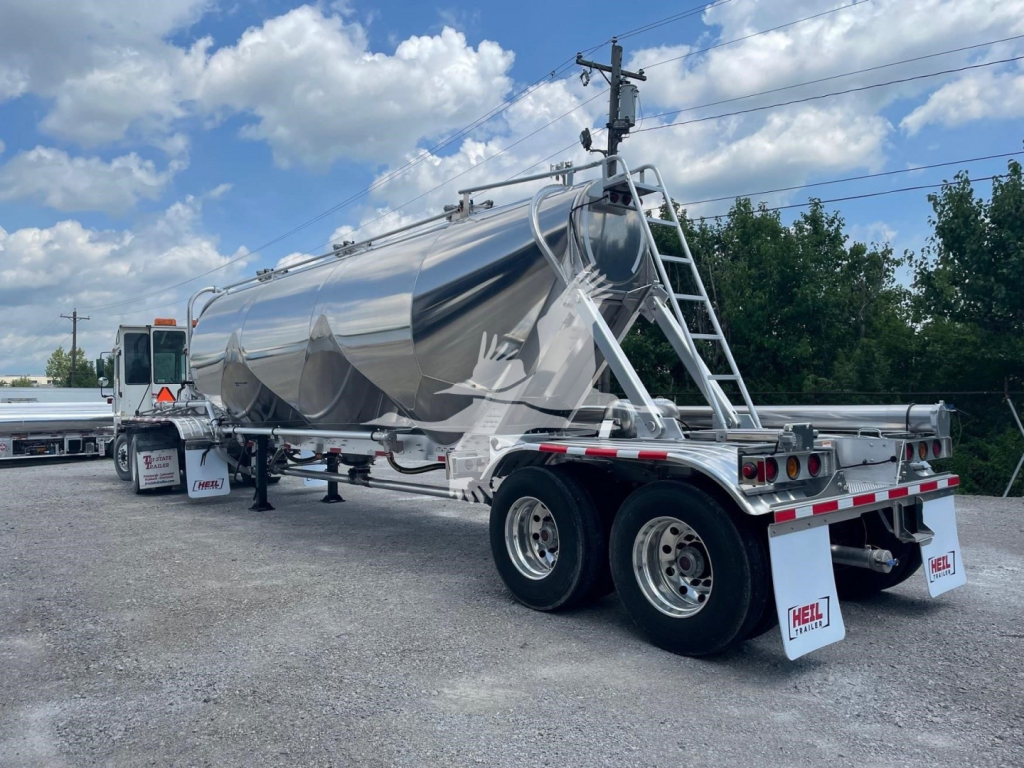
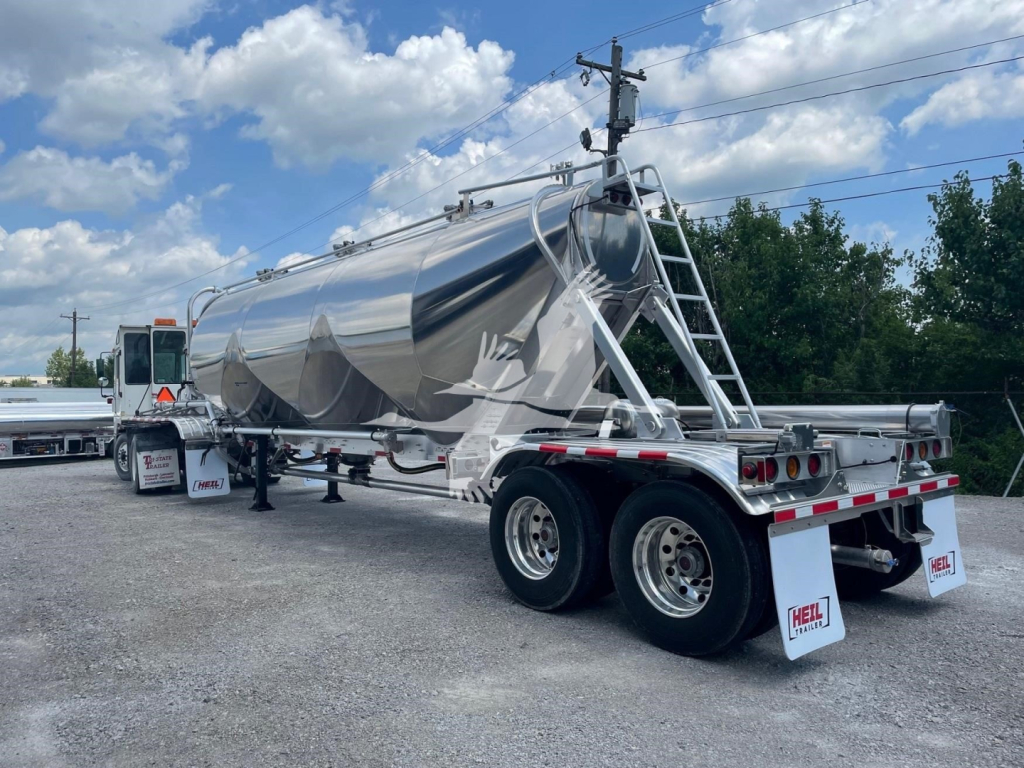
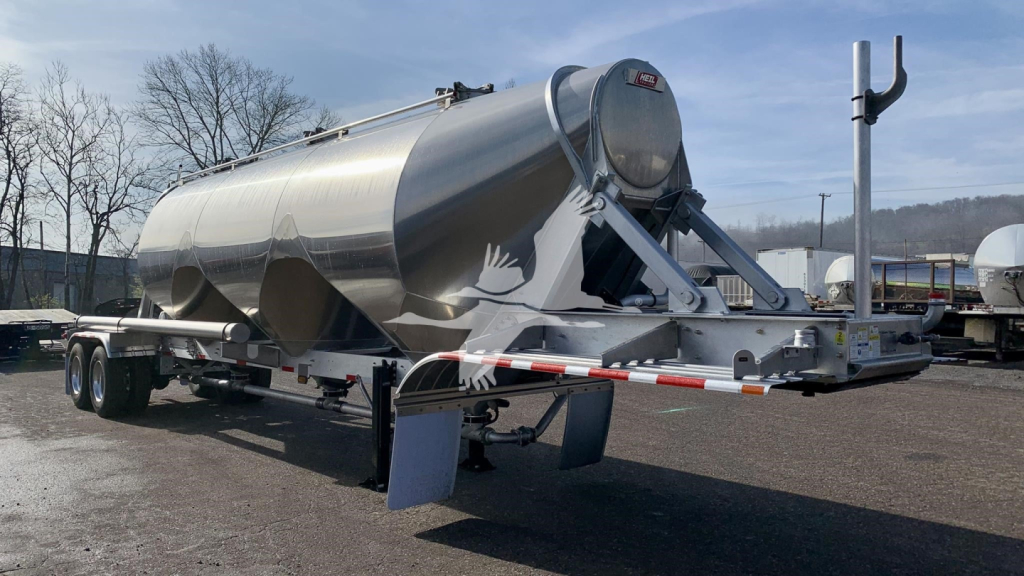
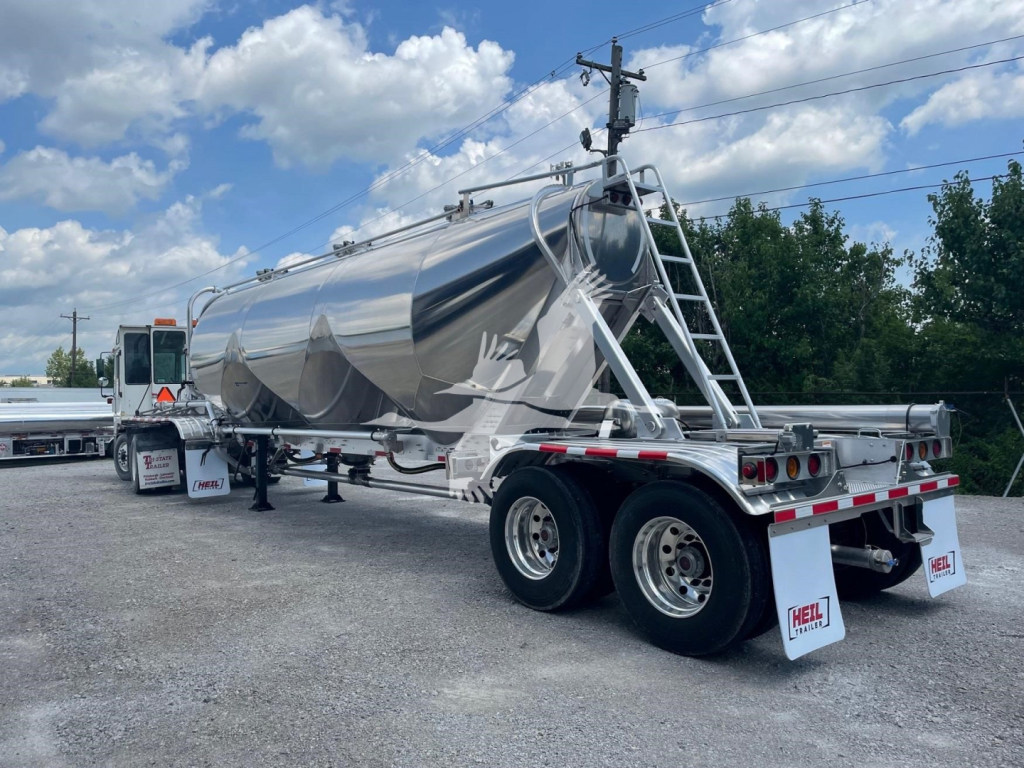
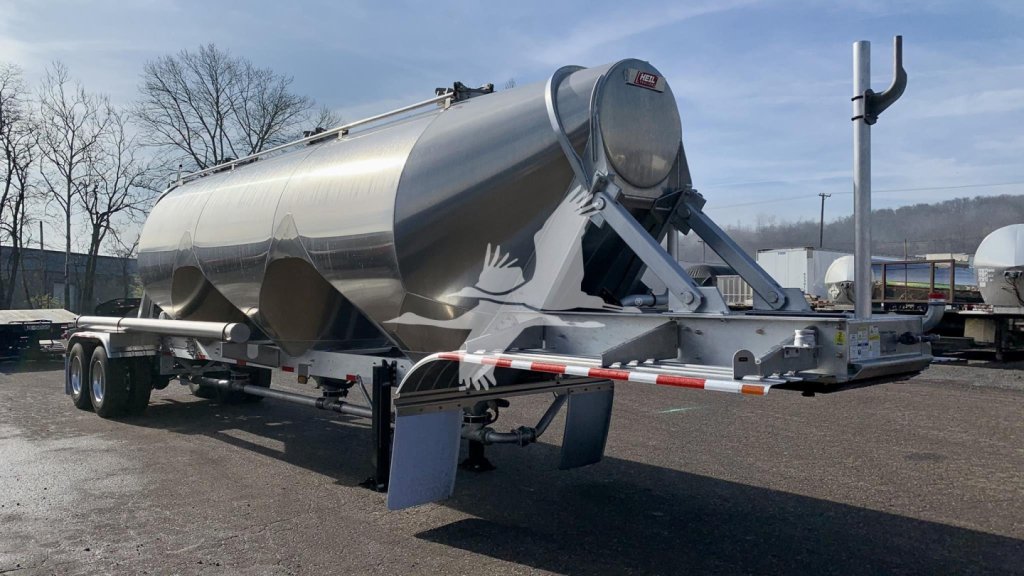
For many operations, the key design choice is how the trailer handles airflow and product movement. Aeration cones or fluidizing pads help keep powdered material suspended during unload, while aluminum piping and tees reduce weight and resist corrosion. Rear discharge plumbing under the axles is common on cement and construction bulk trailers because it keeps the system compact and familiar to drivers and plant personnel. Product valves, usually in a 4-inch or 5-inch butterfly configuration, matter because valve quality directly affects unload control, sealing, and service life. Hose tube size, manifold access, gauge placement, and ladder location also deserve attention because they impact everyday loading and unloading efficiency more than many buyers expect.
Material selection is another major factor. Aluminum barrel construction, aluminum end frames, and aluminum wheels help keep tare weight down, which can translate to better legal payload on dense commodities. New pneumatic trailers often pair that lightweight construction with air ride suspension, tandem settings around 49 inches, and fleet-grade landing gear from suppliers such as Holland or Hendrickson. In Ohio and across the Midwest, that combination is popular for ready-mix supply, cement distribution, terminal work, and regional dry bulk lanes where a balance of durability, smooth ride, and predictable maintenance costs matters. Raised-center axle suspension setups are also seen in this category because they can improve maneuverability and reduce scrub in tight plant yards.
A buyer comparing new 2027 pneumatic dry bulk trailers should confirm commodity type, required cube, legal bridge limits, blower compatibility, and plant unloading requirements before focusing on price alone. Dense products like cement and lime can cube out differently than lighter materials, so the right trailer is not always the one with the largest tank. Check hopper count, manhole access, valve brand, hose storage, fender design, and galvanized steel components in the running gear area, especially if the trailer will run year-round in Ohio road conditions. A well-spec'd dry bulk pneumatic trailer should unload cleanly, seal tightly, stay light on tare, and match the pressure and airflow demands of the products and facilities it serves.
Frequently Asked Questions about New 2027 Pneumatic - Dry Bulk Trailers in Ohio
What is a pneumatic dry bulk trailer used for?
A pneumatic dry bulk trailer is used to haul dry, flowable bulk commodities that unload through a pressurized air system rather than by dumping. Common products include cement, fly ash, lime, sand, flour, and plastic resin, although the exact trailer spec should match the density and flow characteristics of the commodity. These trailers are favored when the delivery point requires closed-system unloading into silos or storage vessels.
How do I choose the right cubic capacity for a dry bulk trailer?
The right capacity depends on commodity density, target payload, and axle law limits in the states where the trailer will operate. Dense materials such as cement and lime often hit legal gross weight before the tank is filled, so a buyer may prioritize lower tare weight and efficient hopper design over maximum cubic feet. Lighter products may need more cube to maximize revenue per load. Capacity should be considered alongside empty weight, axle spread, and the commodity's pounds-per-cubic-foot rating.
Why are aluminum pneumatic trailers so common?
Aluminum construction is common because it reduces trailer weight without giving up the corrosion resistance many dry bulk applications need. Lower tare weight can improve payload on dense products, and aluminum barrels, piping, and structural components typically hold up well in cement and powder service. Buyers should still inspect the specification closely, since some steel components remain in suspension, hangers, and underframe areas where protective coatings or galvanizing become important.
What features matter most on a new cement or dry bulk pneumatic trailer?
The most important features are usually hopper configuration, aeration system design, discharge plumbing layout, valve size and brand, barrel material, suspension type, and hose storage. A three-hopper layout is common for cement service because it helps promote complete unloads and controlled product flow. Air ride suspension, quality butterfly valves, accessible gauges, and durable landing gear also matter because they affect unloading performance, driver usability, and long-term maintenance costs.
Do I need to match the trailer to a specific blower or unloading system?
Yes. Pneumatic dry bulk trailers should be matched to the blower, tractor PTO setup, and the pressure and airflow requirements at the receiving facility. Some commodities unload best with specific airflow characteristics, and some plants have preferred hose sizes, fittings, or discharge locations. Confirming compatibility before purchase helps avoid slow unloads, excessive product retention, and unnecessary strain on the trailer's piping and valve system.