
New 2027 Heil Pneumatic - Dry Bulk Trailers For Sale in Ohio
Shop new 2027 Heil pneumatic dry bulk trailers with lightweight aluminum construction, 1040 cu. ft. capacity, and specs built for cement hauling.
Selling a new 2027 heil pneumatic - dry bulk trailer? List your new 2027 heil pneumatic - dry bulk trailer for sale and reach thousands of commercial buyers.
New 2027 Heil Pneumatic - Dry Bulk Trailers in Ohio
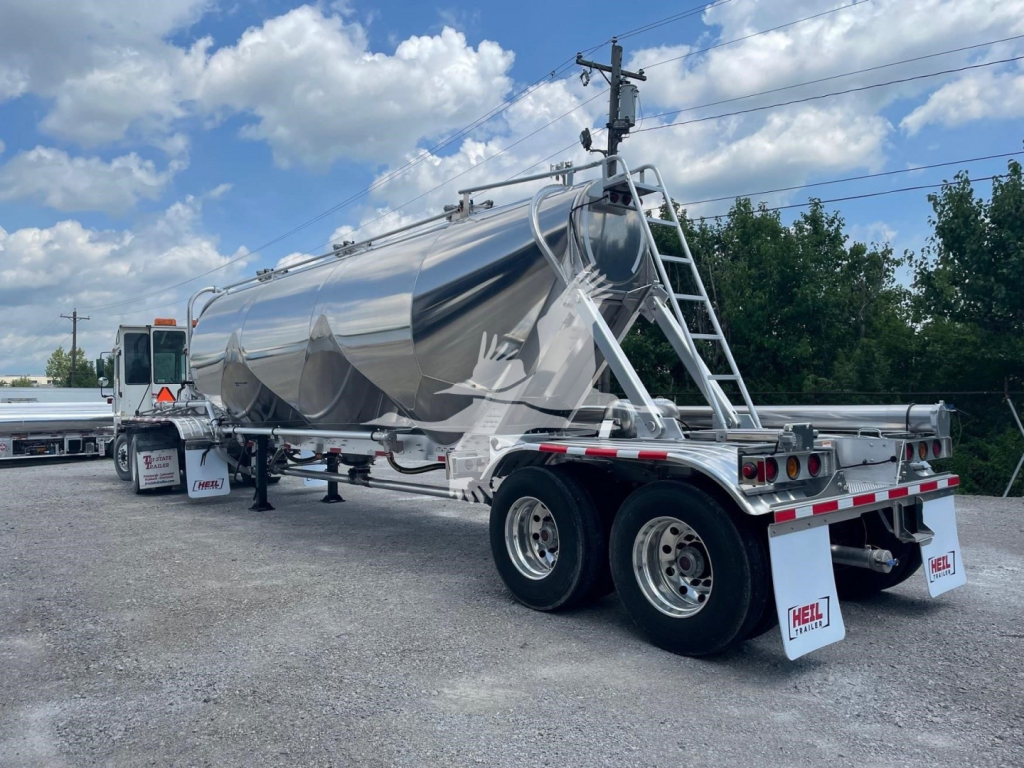
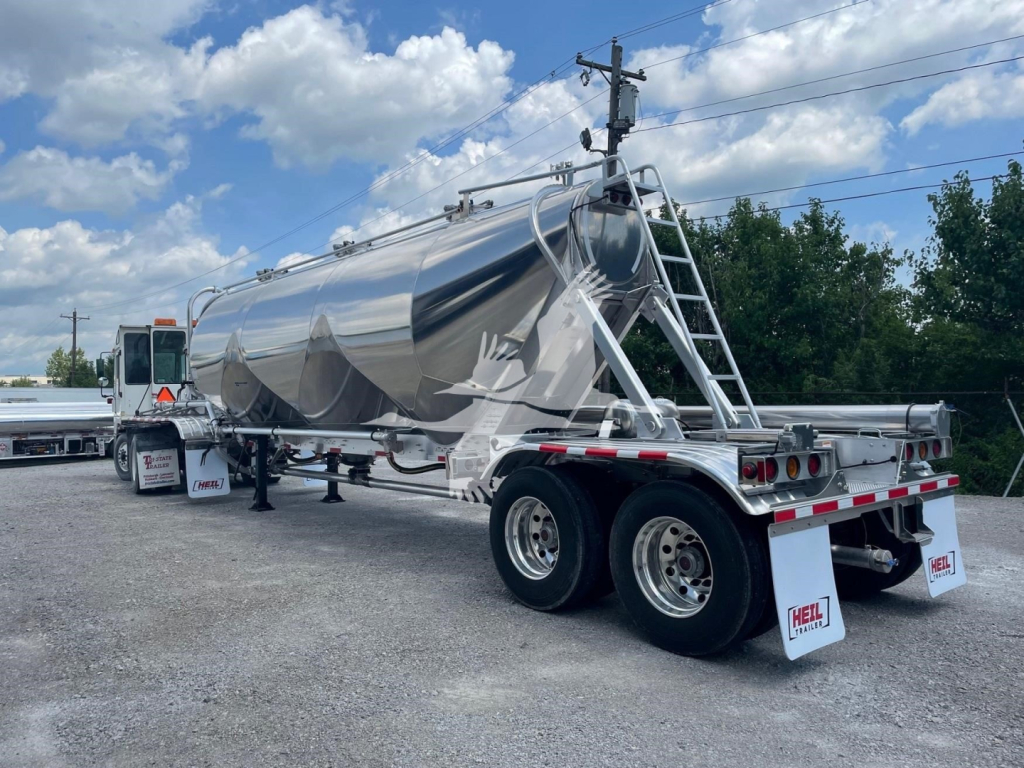
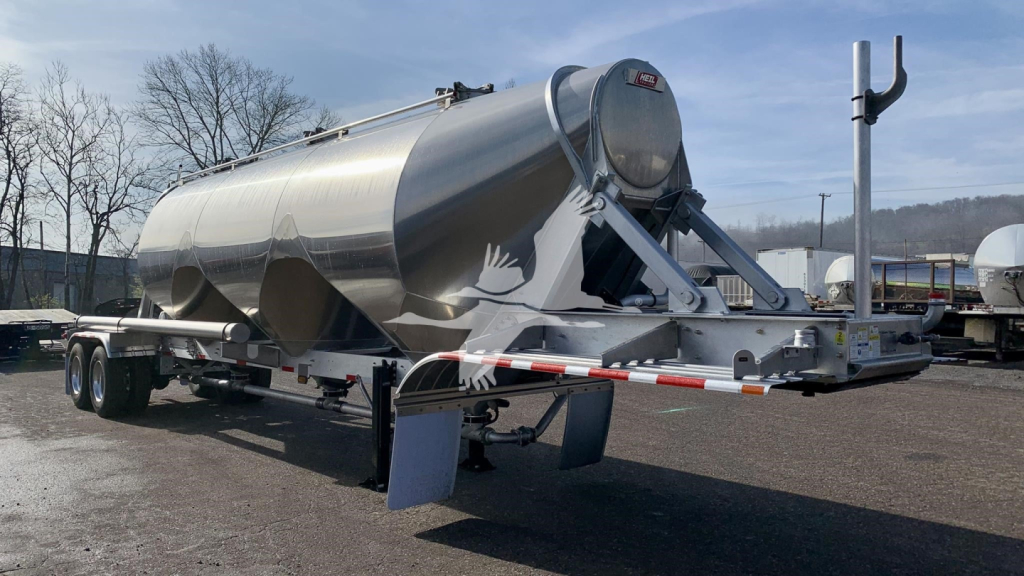
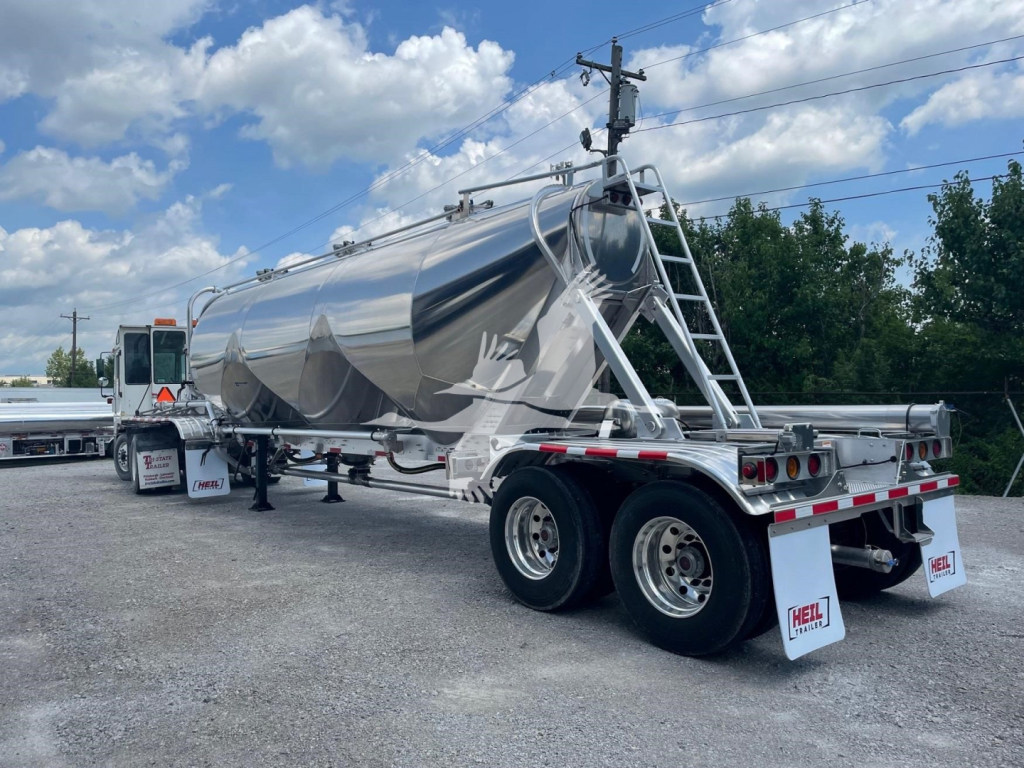
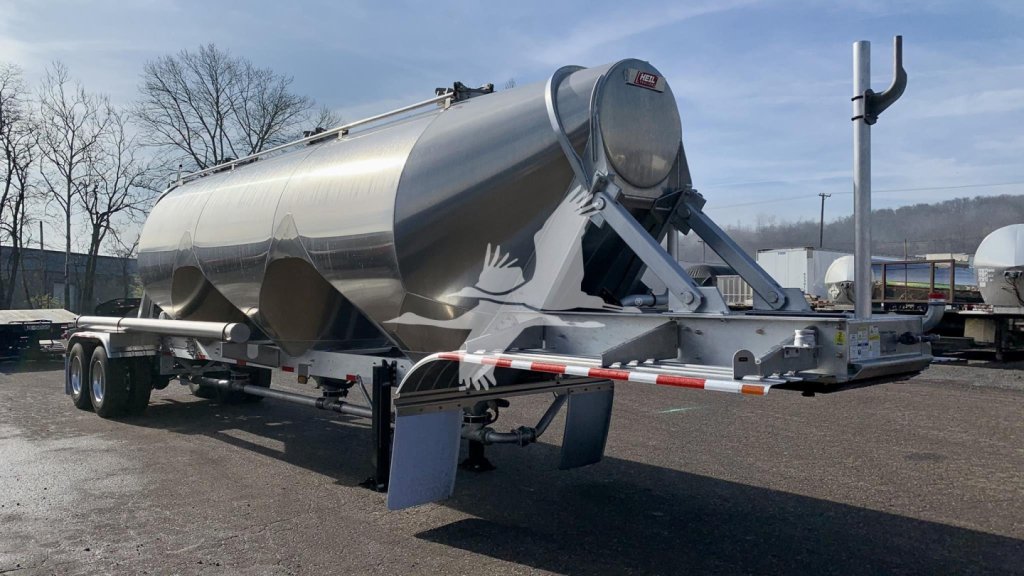
A lot of the buying decision comes down to material and plumbing layout. Lightweight aluminum barrel construction, aluminum end frames, aluminum piping, and aluminum tees help keep empty weight down, which is critical on heavy commodities. Typical specs in this group include aeration cones, 5-inch butterfly product valves, rear discharge plumbing, and multiple manholes for access and inspection. On a dry bulk trailer, those details directly affect how well the trailer fluidizes product, how evenly it unloads, and how much downtime you deal with from carryback or hard-to-clean piping.
Suspension and running gear deserve close attention because these trailers often spend their lives on a mix of highway miles, plant yards, and jobsite approaches. Tandem air ride suspension, common 49-inch settings, 11R22.5 rubber, and aluminum wheels are standard choices for a reason. They support a stable ride, help protect the tank and plumbing, and keep service straightforward. Buyers in Ohio and across the Midwest often prioritize corrosion resistance on hardware and hangers, durable paint on steel components, and practical access features like rear ladders, hose tubes, work lights, and gauge placement that make daily unloading easier for drivers.
Heil has long been a recognized name in pneumatic trailers, and models such as the Super Jet and Cementer are known for straightforward spec packages aimed at bulk powder work. When comparing new pneumatic dry bulk trailers for sale, pay attention to cubic capacity versus legal payload, hopper count, discharge location, valve brand, suspension package, and how the trailer is set up for your blower and hose routine. The right trailer in this category is not just about capacity on paper. It is about matching the tank design and unload system to the exact commodity, route profile, and customer requirements you run every day.
Frequently Asked Questions about New 2027 Heil Pneumatic - Dry Bulk Trailers in Ohio
What are Heil pneumatic dry bulk trailers commonly used for?
Heil pneumatic dry bulk trailers are commonly used to haul cement, lime, fly ash, sand, and other dry powdered or granular commodities that unload through a pressurized system. They are designed for clean, contained discharge into silos and storage systems, which makes them a standard choice for construction material supply, ready-mix support, industrial minerals, and plant-to-jobsite bulk transport.
Why does aluminum construction matter on a pneumatic dry bulk trailer?
Aluminum construction matters because it reduces tare weight, which is especially important when hauling dense products like cement or fly ash. A lighter trailer can improve legal payload potential without sacrificing needed capacity. Aluminum also offers corrosion resistance, which helps on trailers exposed to weather, road treatment chemicals, and repeated washdowns around cement and aggregate operations.
Is a 1,040 cubic foot pneumatic trailer a good size for cement work?
A 1,040 cubic foot pneumatic trailer is a very common size for cement and similar dense bulk materials because it balances cubic volume with realistic legal weight limits. With heavy commodities, buyers are usually weight-limited before they are cube-limited, so a trailer in this range often makes more sense than a larger tank. It gives operators useful capacity while keeping the trailer practical for highway use and regional hauling.
What features affect unloading performance on a dry bulk trailer?
Unloading performance depends on the aeration system, hopper design, valve size, discharge plumbing, and how well the trailer matches the blower setup used in your fleet. Features such as aeration flo cones, properly sized butterfly valves, and efficient rear discharge plumbing help the product fluidize and move consistently. Good plumbing design can reduce unload time, minimize leftover product in the tank, and make cleanup easier between loads.
What should a buyer compare first when shopping new pneumatic dry bulk trailers?
The first comparison points should be the commodity being hauled, the trailer's empty weight, total cubic capacity, hopper configuration, and suspension setup. After that, look at plumbing materials, valve brand, discharge layout, hose storage, and serviceability of wear items. Those details have a direct impact on payload, unload speed, maintenance cost, and how well the trailer fits your day-to-day operating routine.