
New Pneumatic - Dry Bulk Trailers For Sale in Pennsylvania
New pneumatic dry bulk trailers for sale in Pennsylvania. Compare cement and powder haulers by capacity, weight, hopper design, discharge setup, and specs.
Selling a new pneumatic - dry bulk trailer? List your new pneumatic - dry bulk trailer for sale and reach thousands of commercial buyers.
New Pneumatic - Dry Bulk Trailers in Pennsylvania
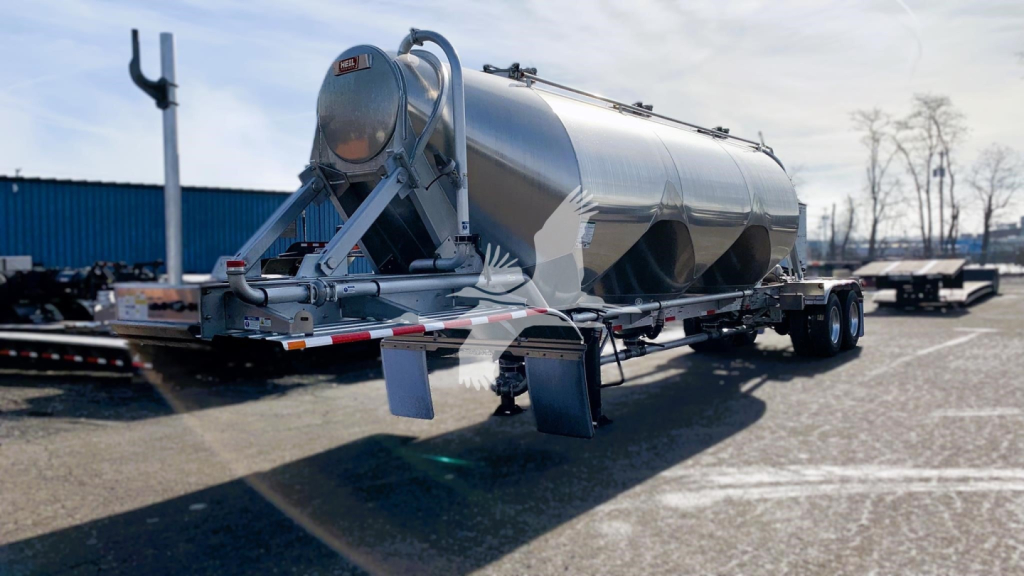
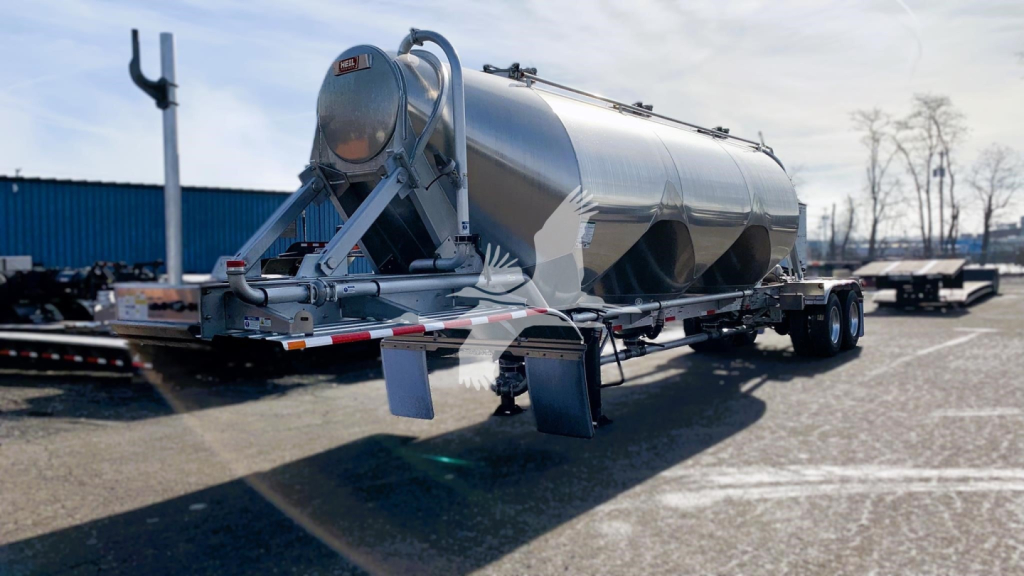
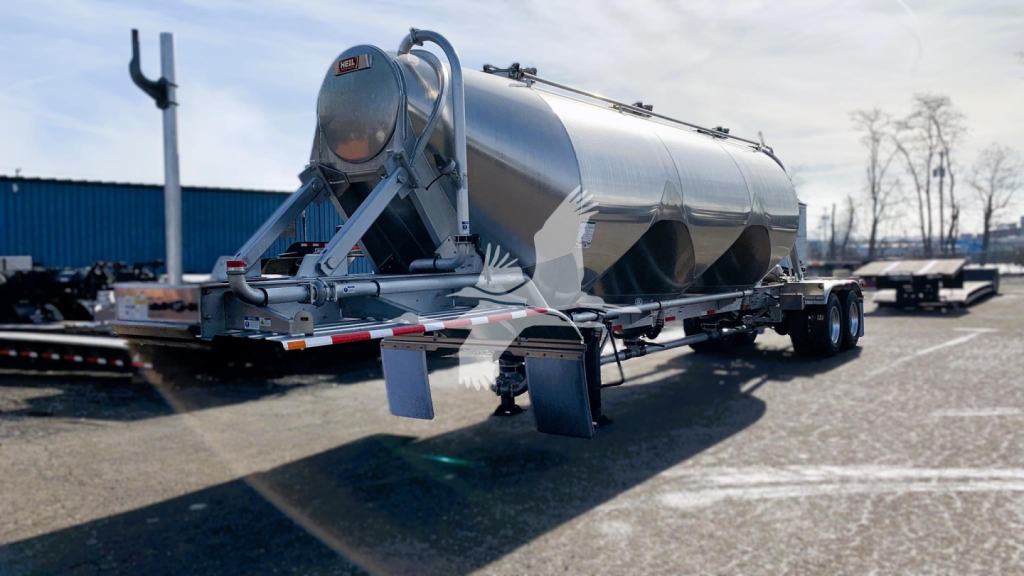
A common setup in this category is a tandem axle trailer around 42 feet long with about 1,000 to 1,040 cubic feet of capacity and a three-hopper barrel. That configuration is popular because it balances legal payload, maneuverability, and dependable flow to the discharge system. Buyers should pay close attention to barrel construction, hopper geometry, aeration design, and plumbing layout. Flo cones, aluminum piping, quality tees, and 5-inch butterfly valves all affect unloading efficiency and maintenance over time. Rear discharge under the axles is a common arrangement for bulk cement work, and hose tube length matters if the trailer will serve a range of plant and jobsite layouts.
Suspension and running gear deserve as much attention as the tank itself. Air ride suspension is the standard choice for dry bulk because it helps protect the trailer structure and improves stability on uneven surfaces. Tandem settings, axle spacing, tire size, wheel material, and landing gear all affect service life and operating cost. In Pennsylvania, buyers often want a spec that can handle mixed highway and plant access conditions, so details like galvanized hangers, aluminum wheels, corrosion-resistant components, and durable paint on steel parts can make a difference in long-term ownership. LED work lights, ladder placement, fenders, and gauge cabinet location also matter more than they may seem once drivers are unloading in bad weather or low light.
For new trailer buyers, the main advantage is getting a current spec with modern valves, clean plumbing, fresh suspension components, and no unknown wear in the barrel or discharge system. The smartest comparison is not just price. It is how the trailer is configured for the product you haul, the blower setup you plan to run, unload time expectations, and how easily your technicians can service valves, lines, and aeration components. A well-matched pneumatic dry bulk trailer will unload consistently, stay lighter on tare weight, and hold up under repeated pressure cycles without becoming a maintenance problem.
Frequently Asked Questions about New Pneumatic - Dry Bulk Trailers in Pennsylvania
What commodities are pneumatic dry bulk trailers typically used for?
Pneumatic dry bulk trailers are designed for dry, flowable products that can be moved by air pressure through a closed discharge system. Common commodities include cement, fly ash, lime, sand, flour, plastic pellets, and mineral powders. The exact trailer spec should match the material's density, flow characteristics, and sensitivity to contamination or moisture.
What size pneumatic dry bulk trailer is most common?
A common new-spec dry bulk trailer is around 42 feet in length with tandem axles and roughly 1,000 to 1,040 cubic feet of capacity. Three-hopper designs are widely used because they promote good material flow and work well in cement and construction-related service. The right capacity still depends on commodity weight, target payload, and state bridge laws.
Why does empty weight matter so much on a dry bulk trailer?
Empty weight directly affects payload, and payload drives revenue in bulk hauling. Aluminum barrels, aluminum piping, aluminum wheels, and other lightweight components can help reduce tare weight while maintaining strength. Buyers still need to balance weight savings against durability, especially if the trailer will see frequent loading cycles, rough plant surfaces, or demanding discharge schedules.
What discharge and valve features should buyers pay attention to?
Key items include hopper design, aeration system type, pipe routing, tee construction, valve size, and discharge location. A 5-inch butterfly valve is common on cement-spec trailers, and under-axle rear discharge is widely used. These components affect unload speed, product flow, cleanout, and maintenance access, so they should be reviewed as carefully as the tank capacity.
Is air ride suspension the best choice for a pneumatic dry bulk trailer?
Air ride is the preferred suspension on most pneumatic dry bulk trailers because it helps cushion the trailer structure, improves ride quality, and supports stable handling under load. It is especially useful for protecting the barrel, plumbing, and welded components over time. Buyers should also review axle spacing, suspension brand, and serviceability when comparing trailer specs.