
New 2027 Dump Trailers For Sale
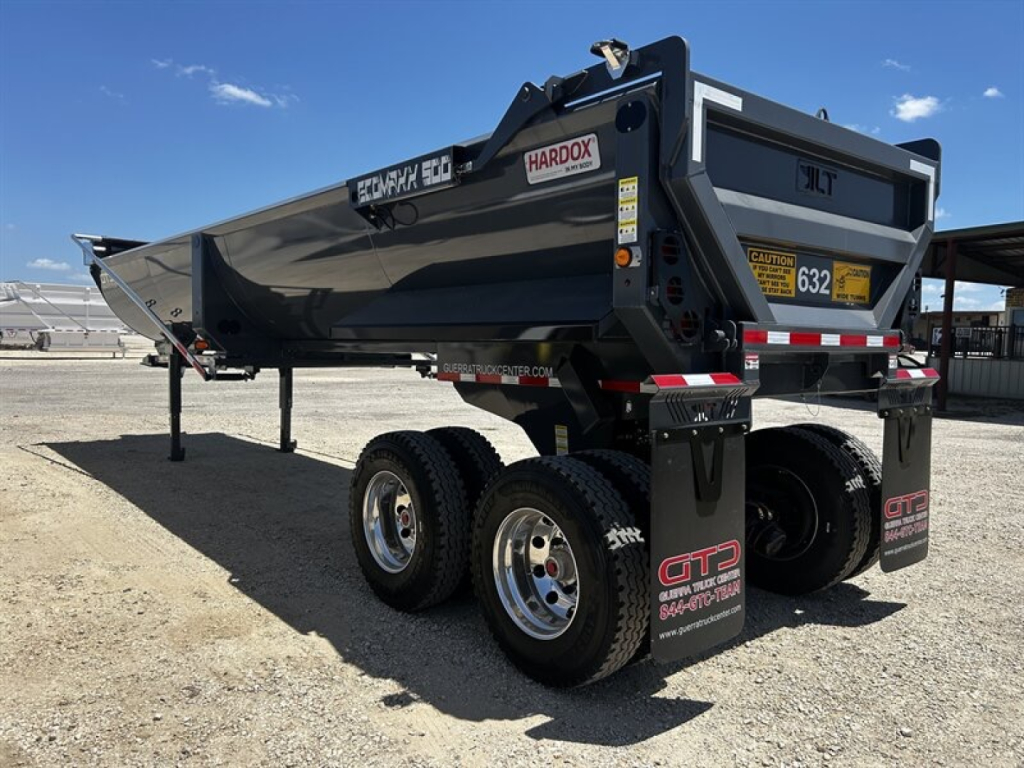
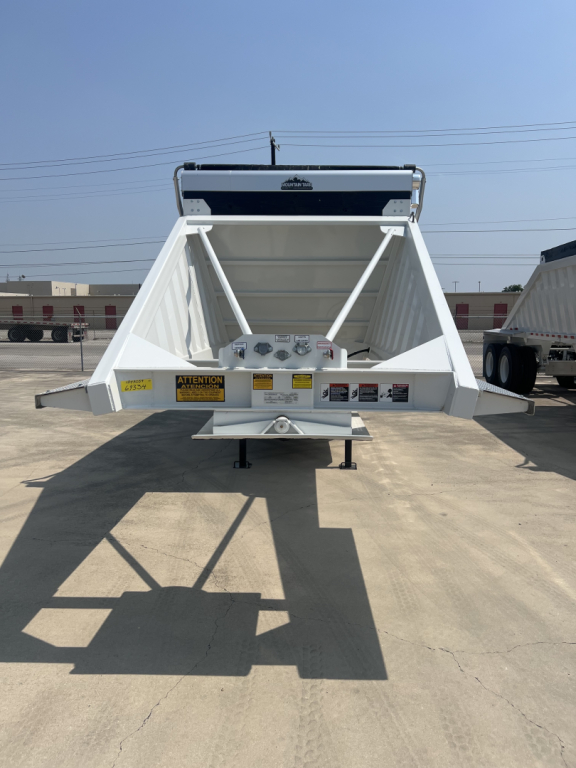
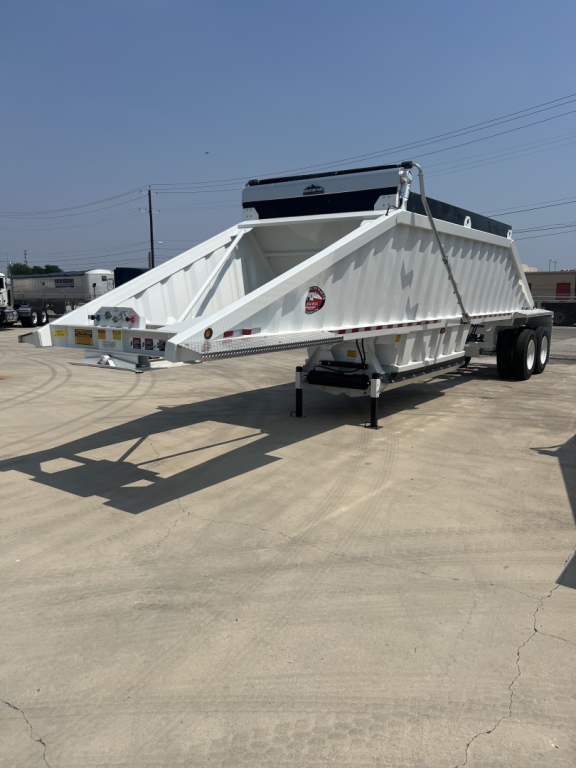
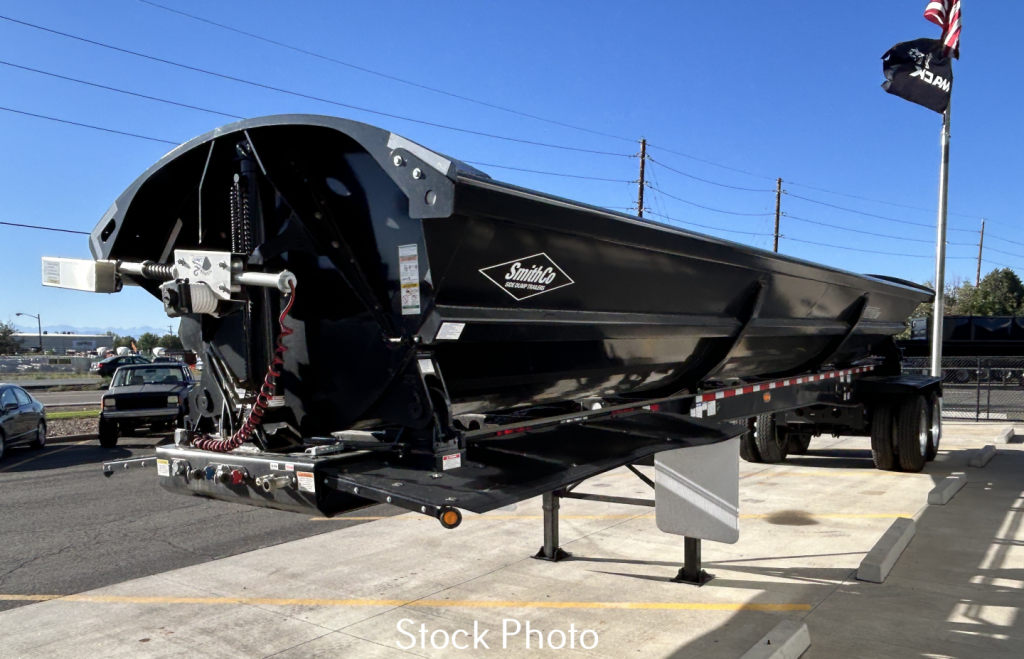
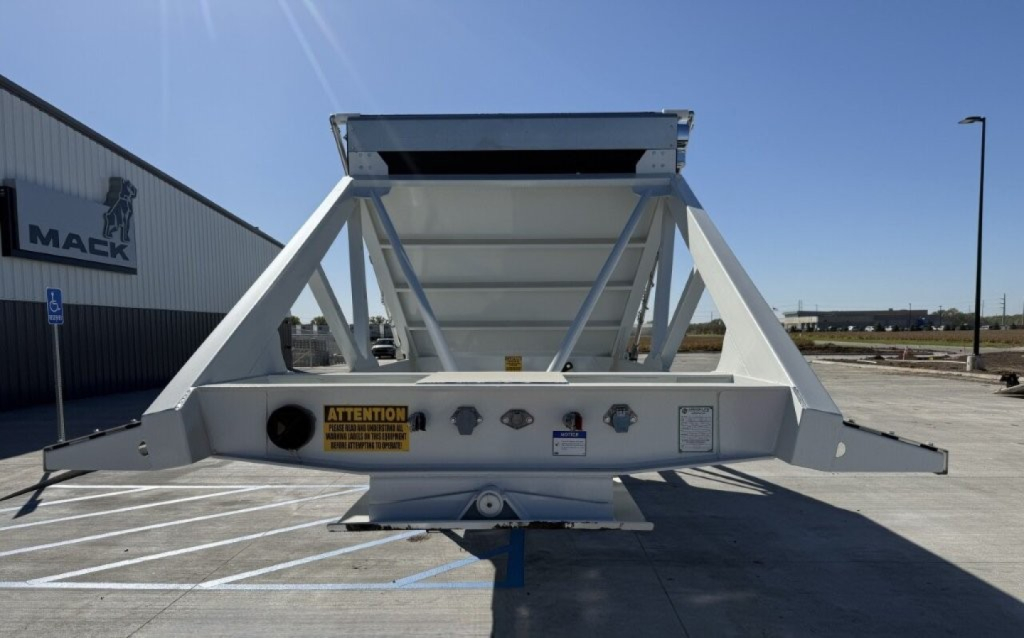
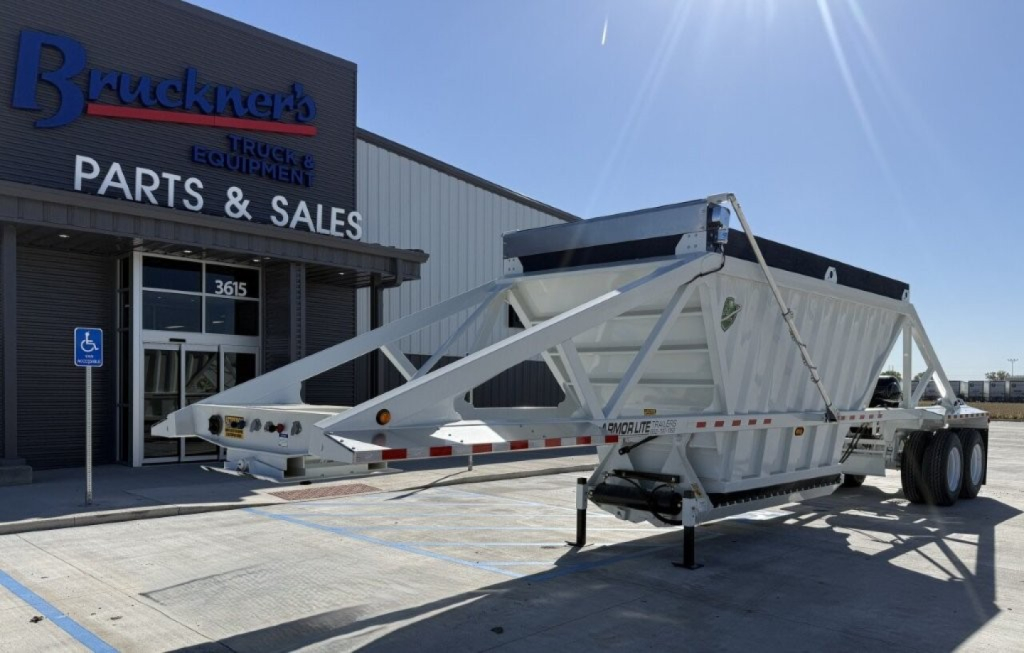
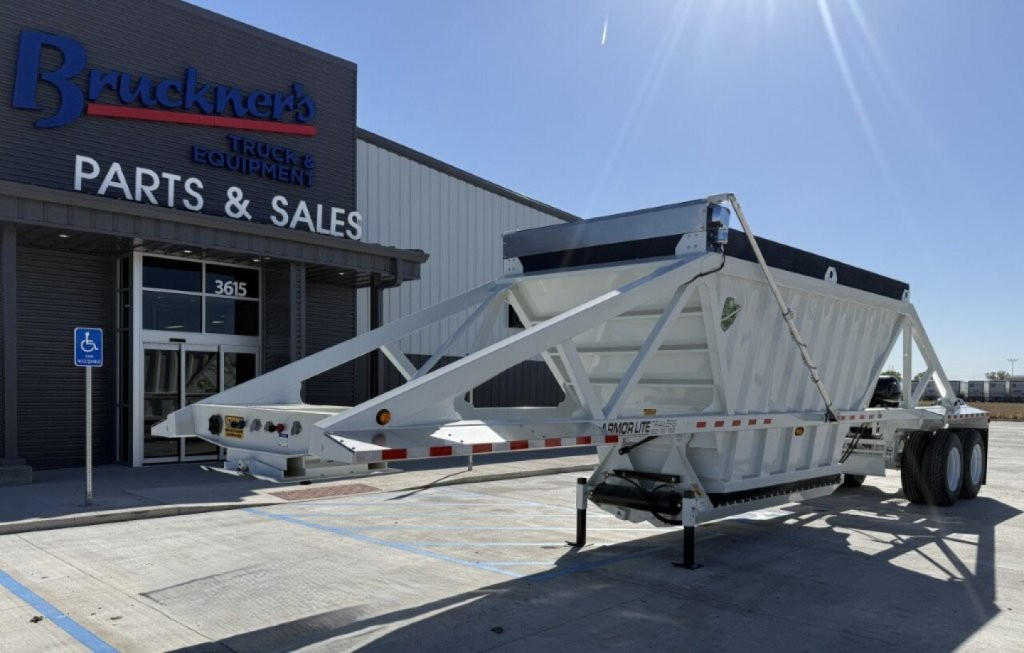
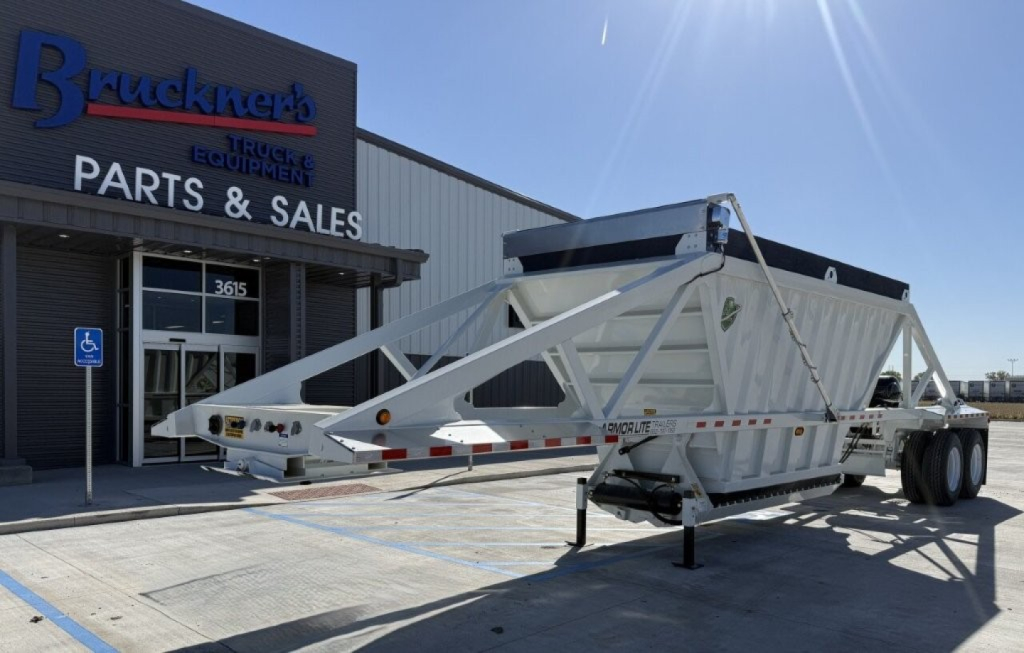
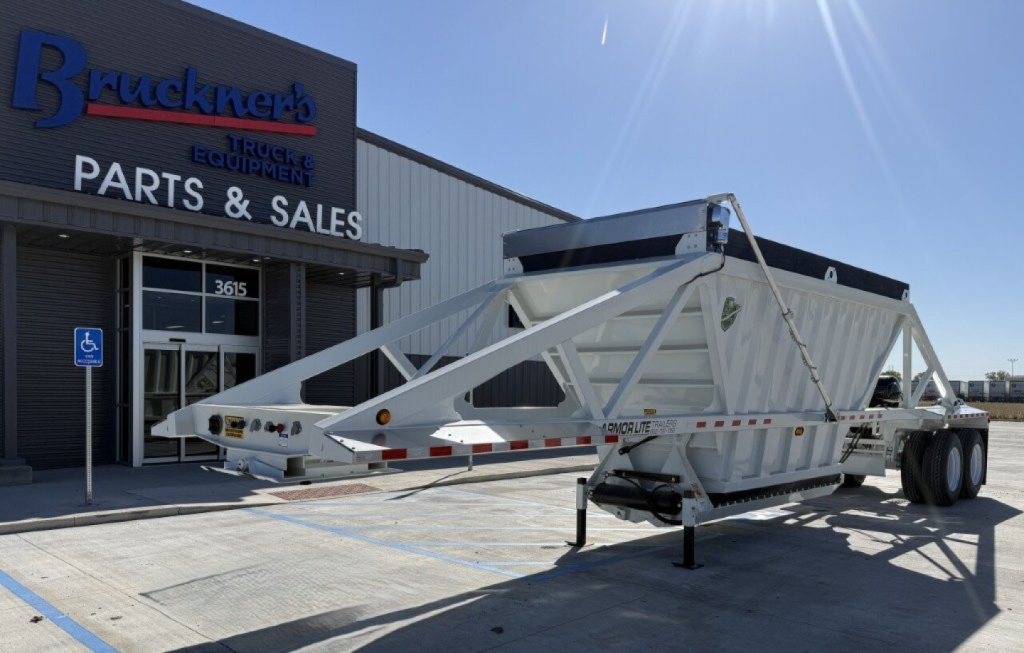
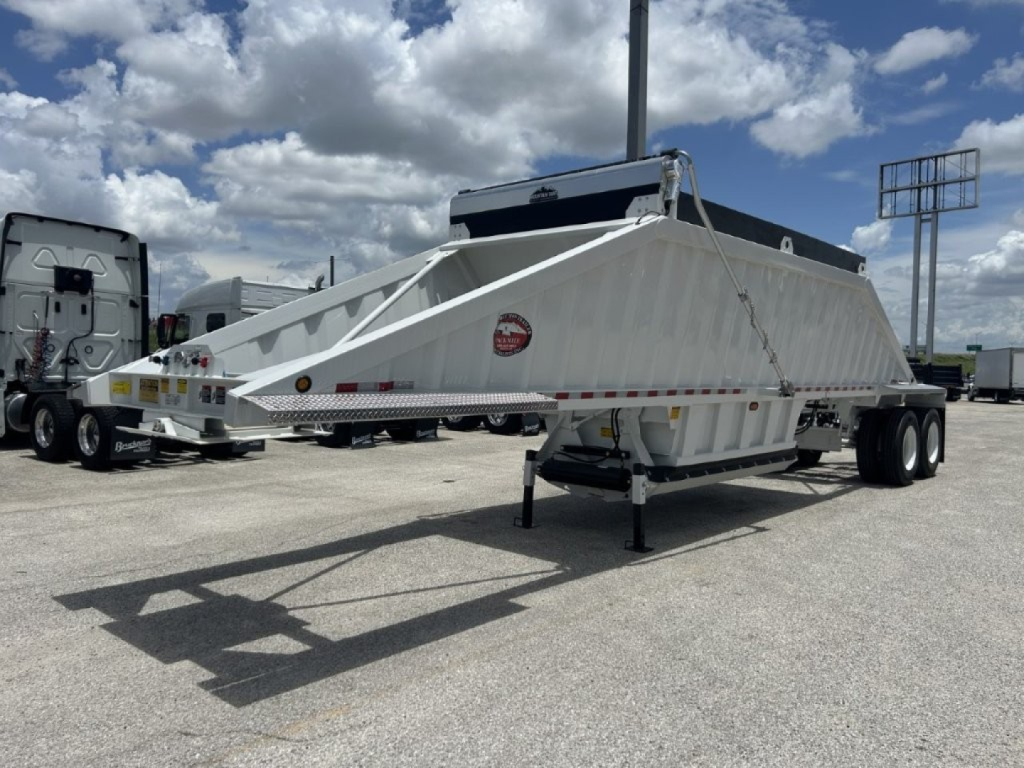
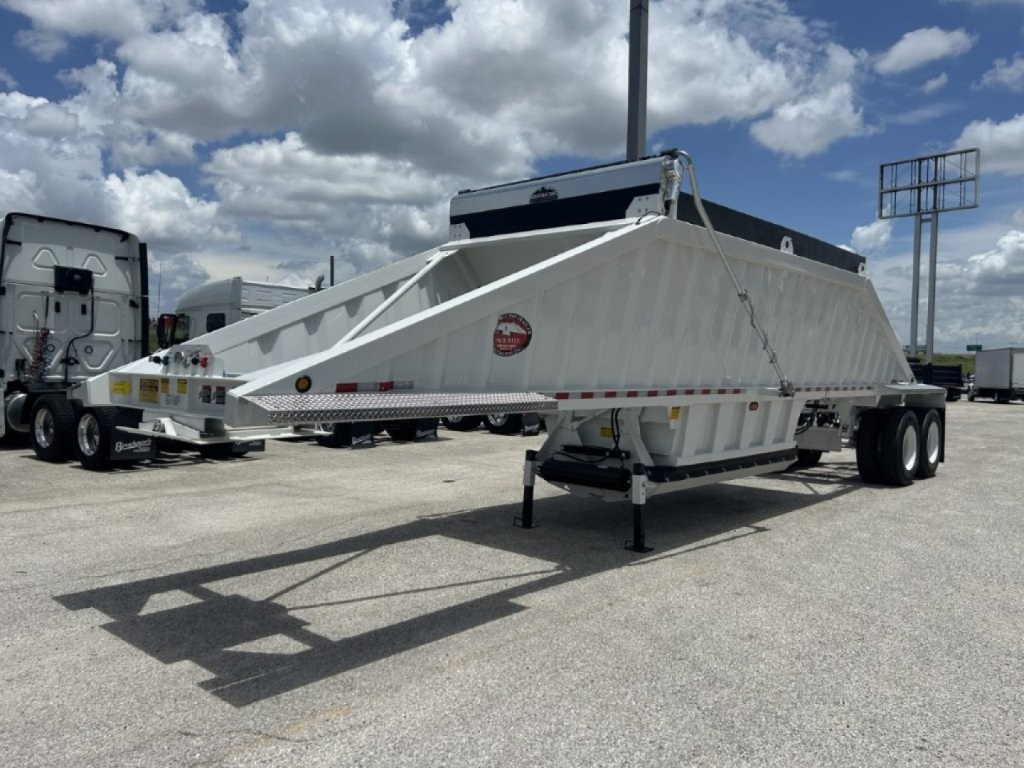
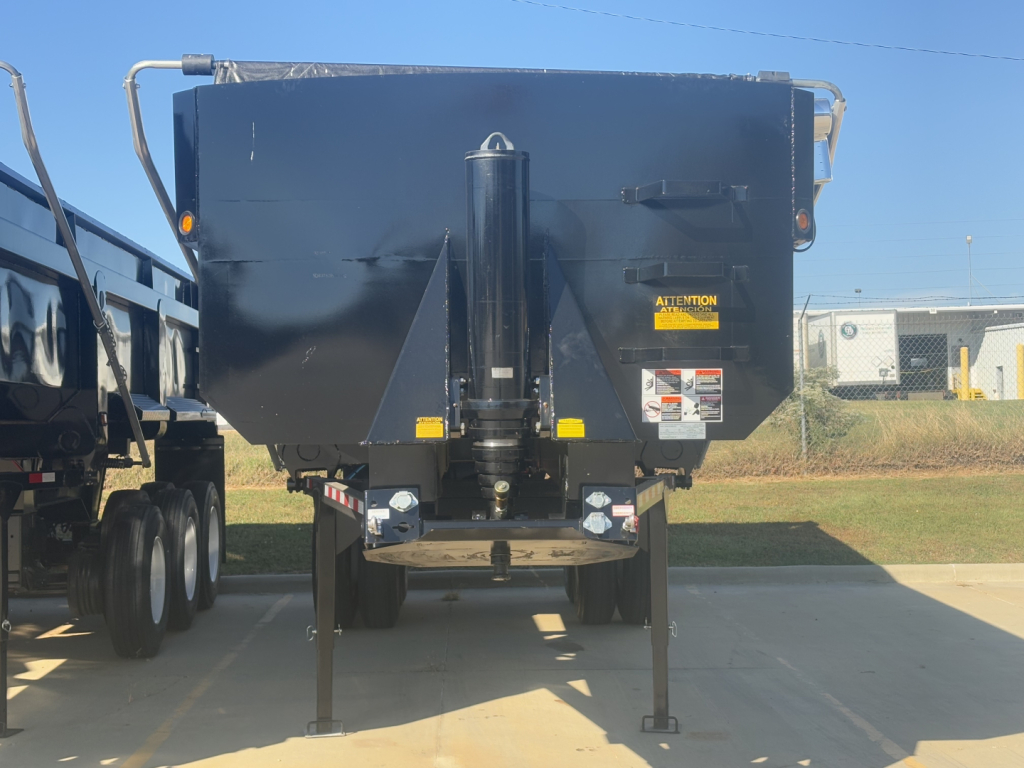
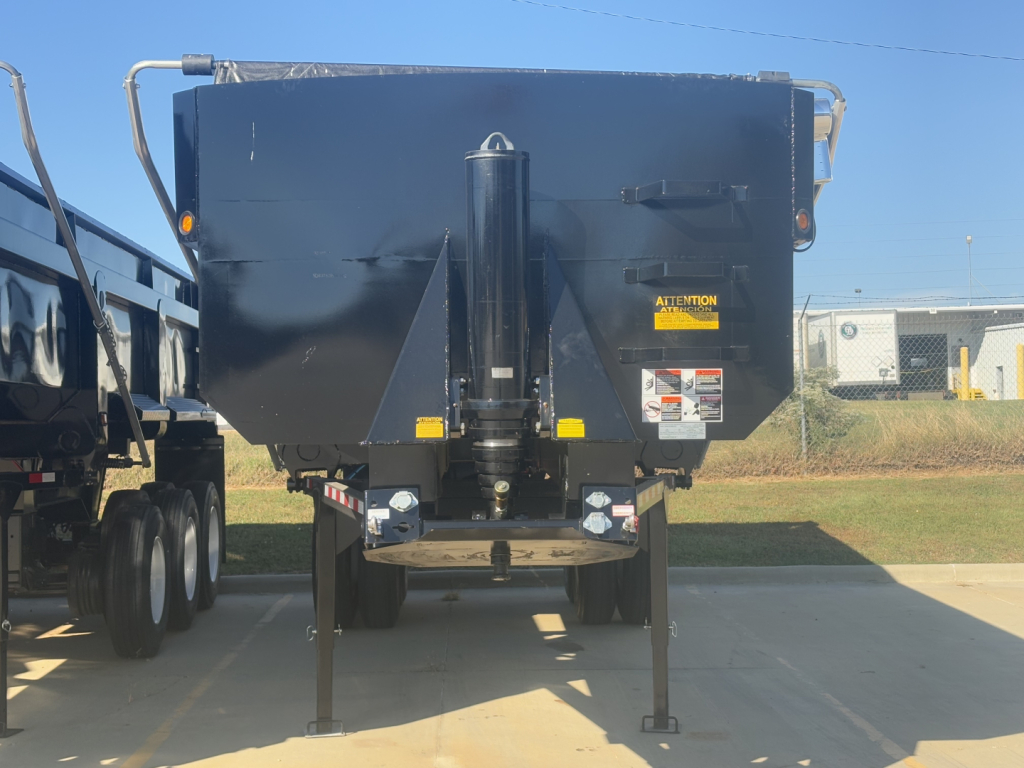
Shop new 2027 dump trailers for sale, including end dumps, bottom dumps, and side dumps with air ride, spring ride, tarp systems, and tandem axles.
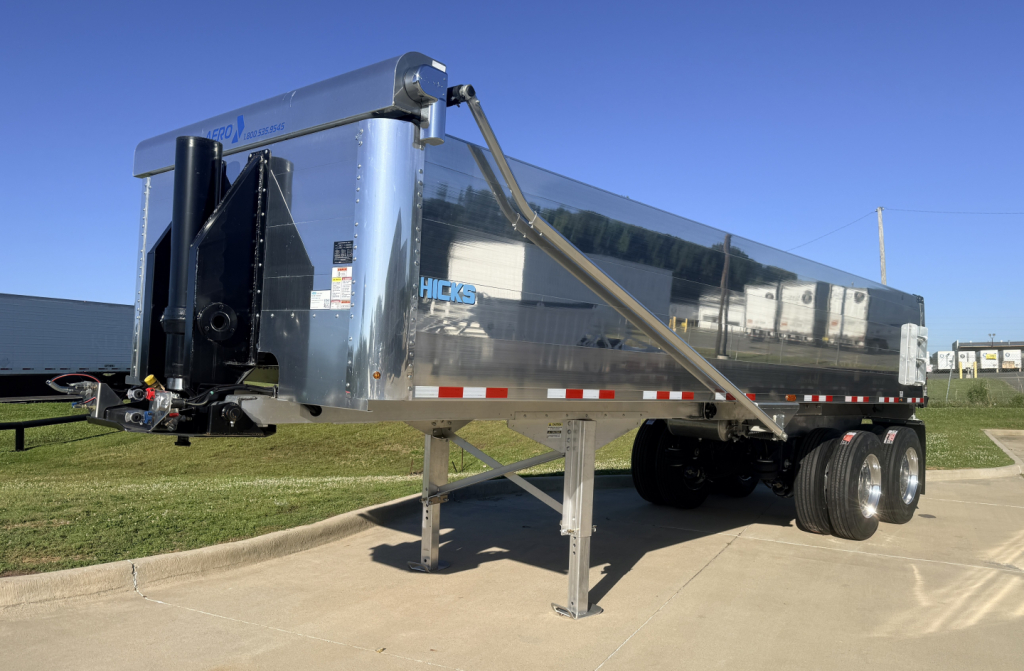
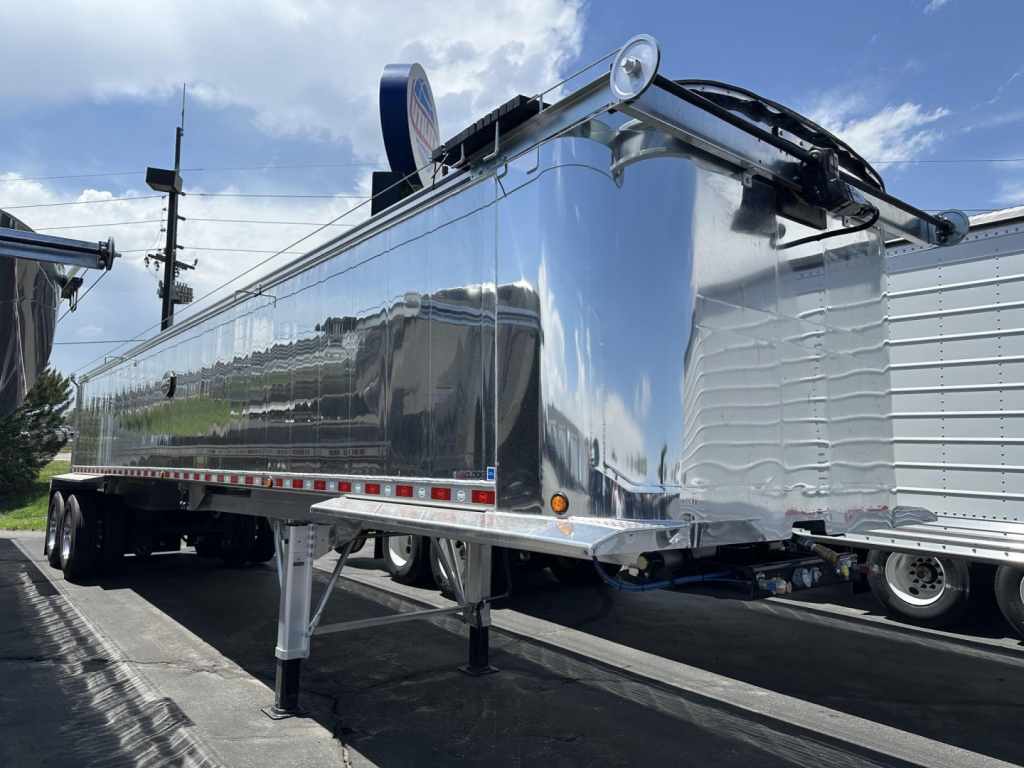
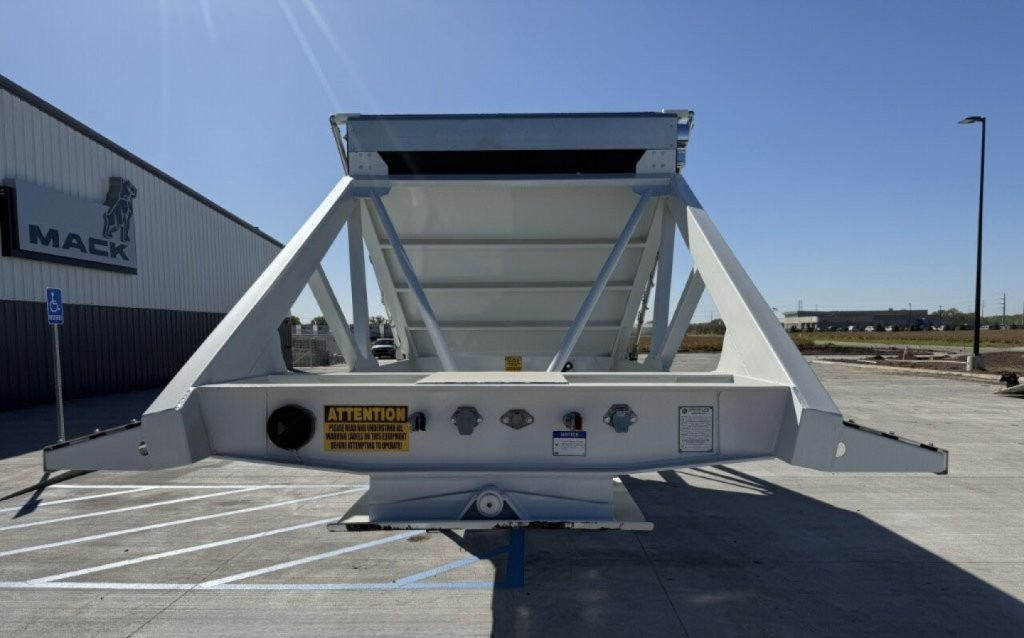
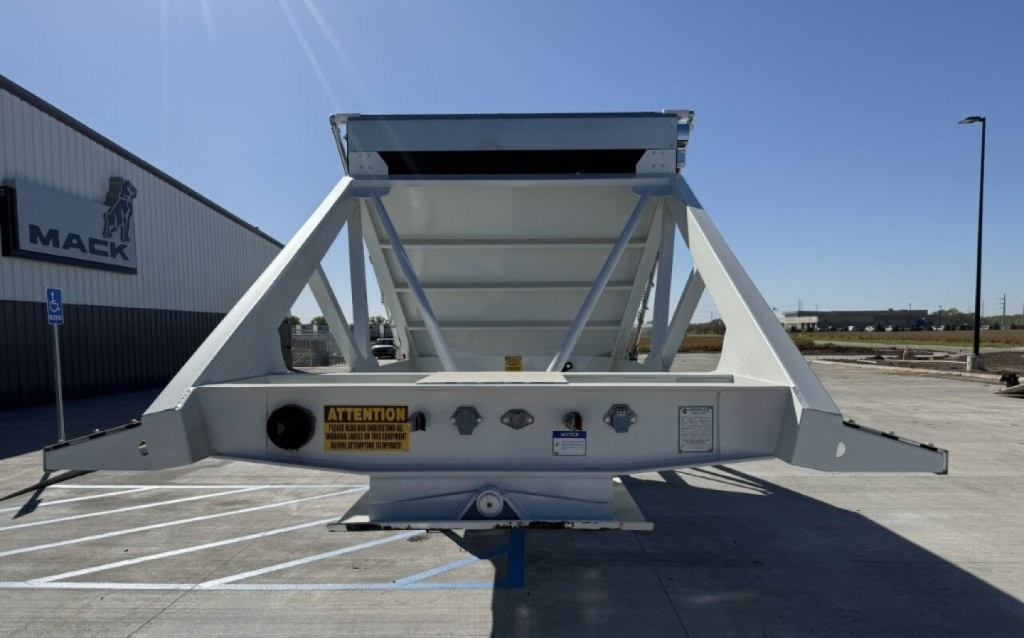
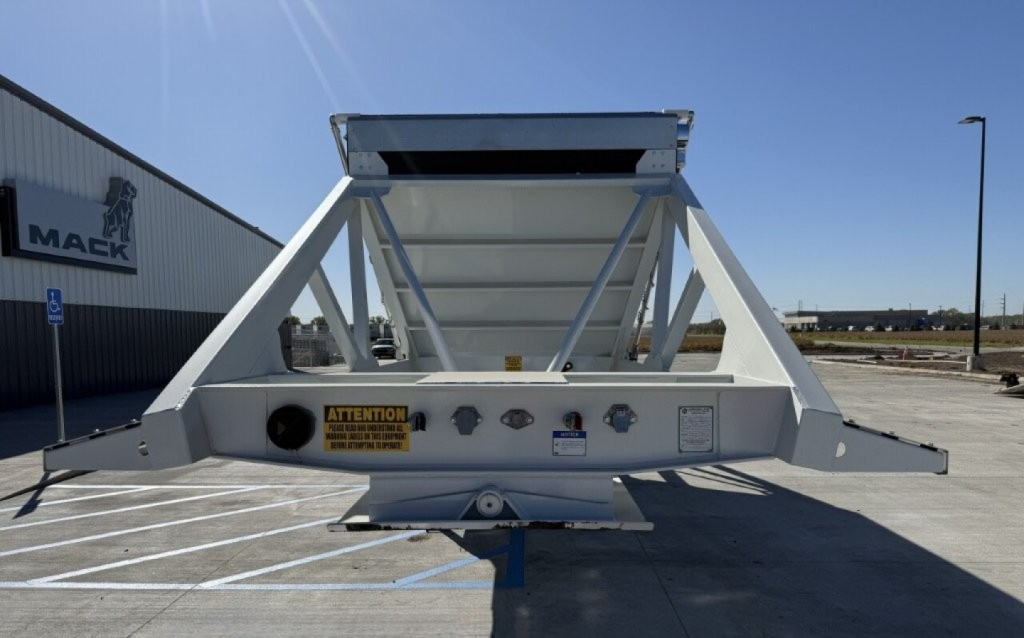
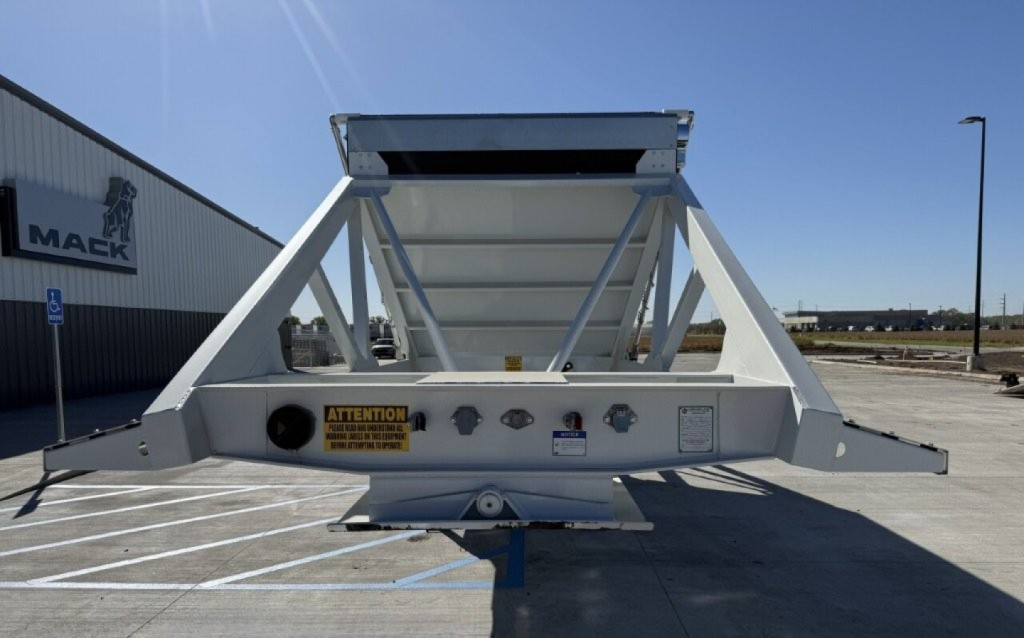
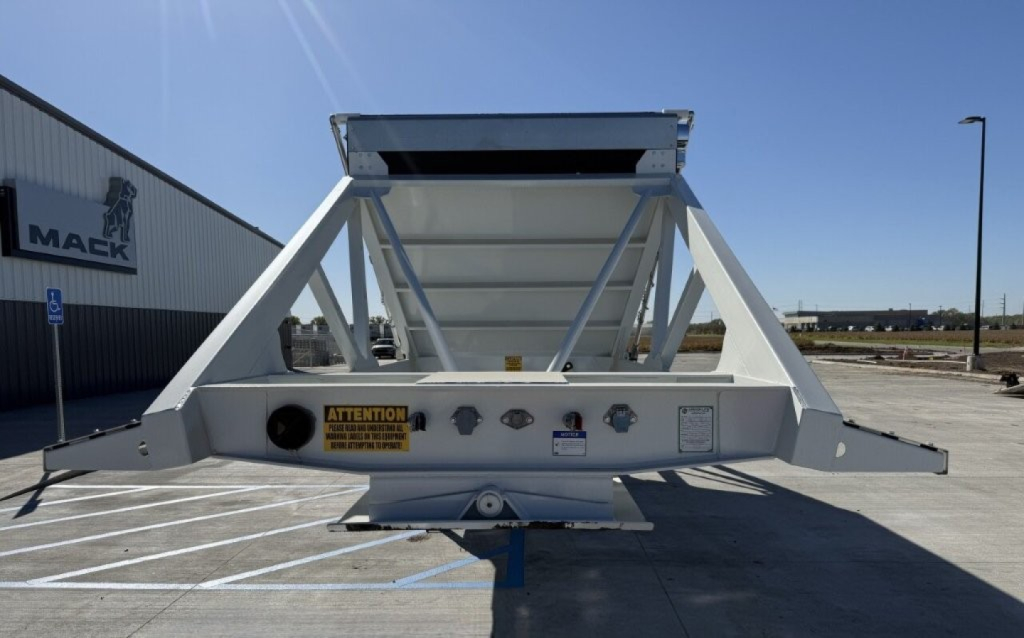
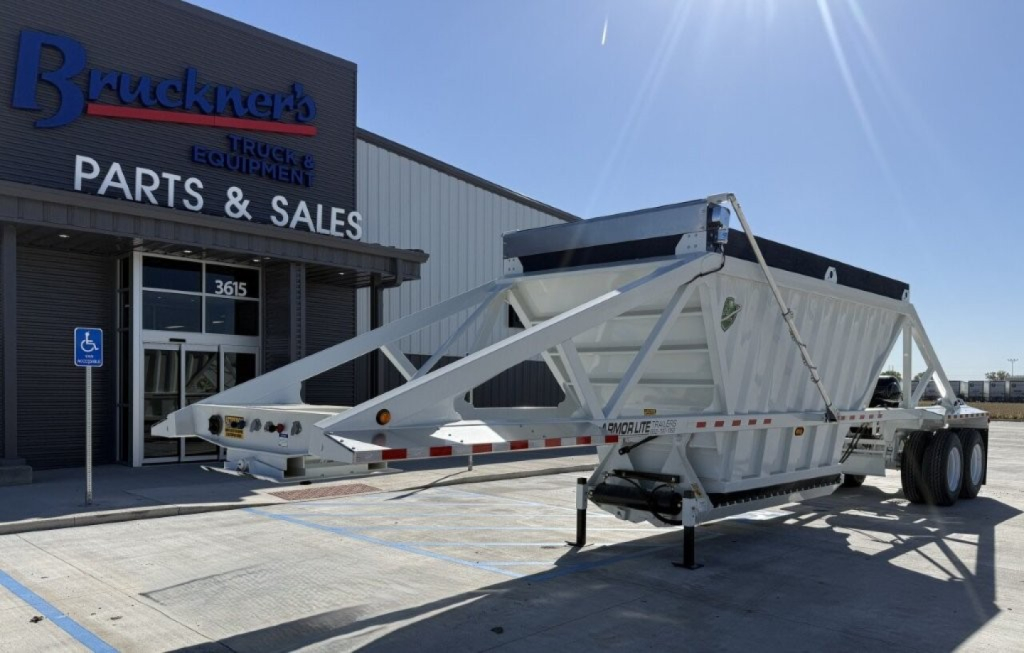
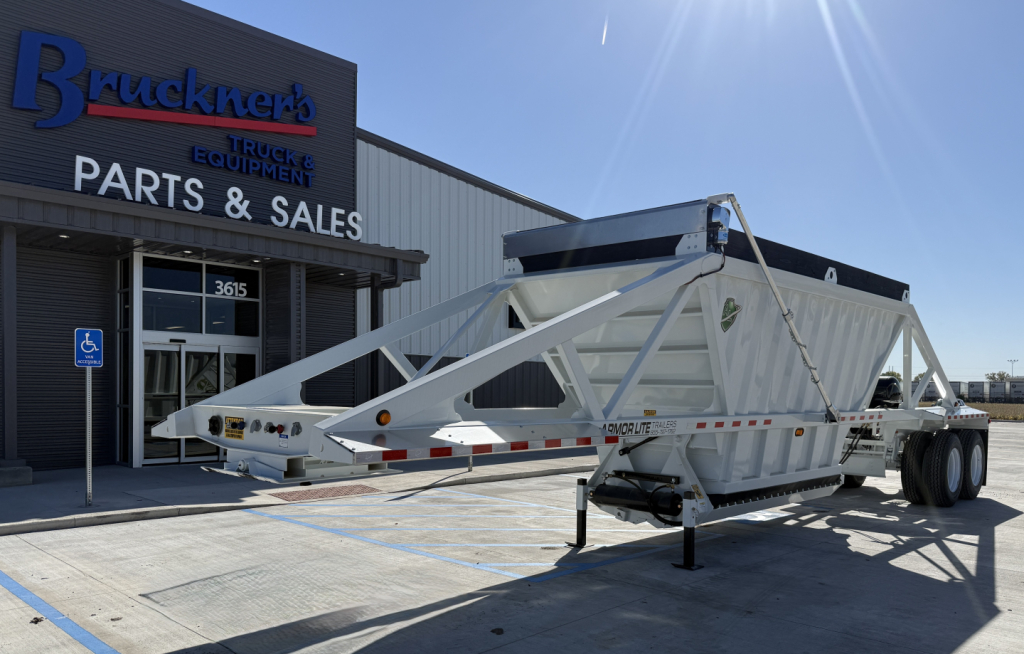
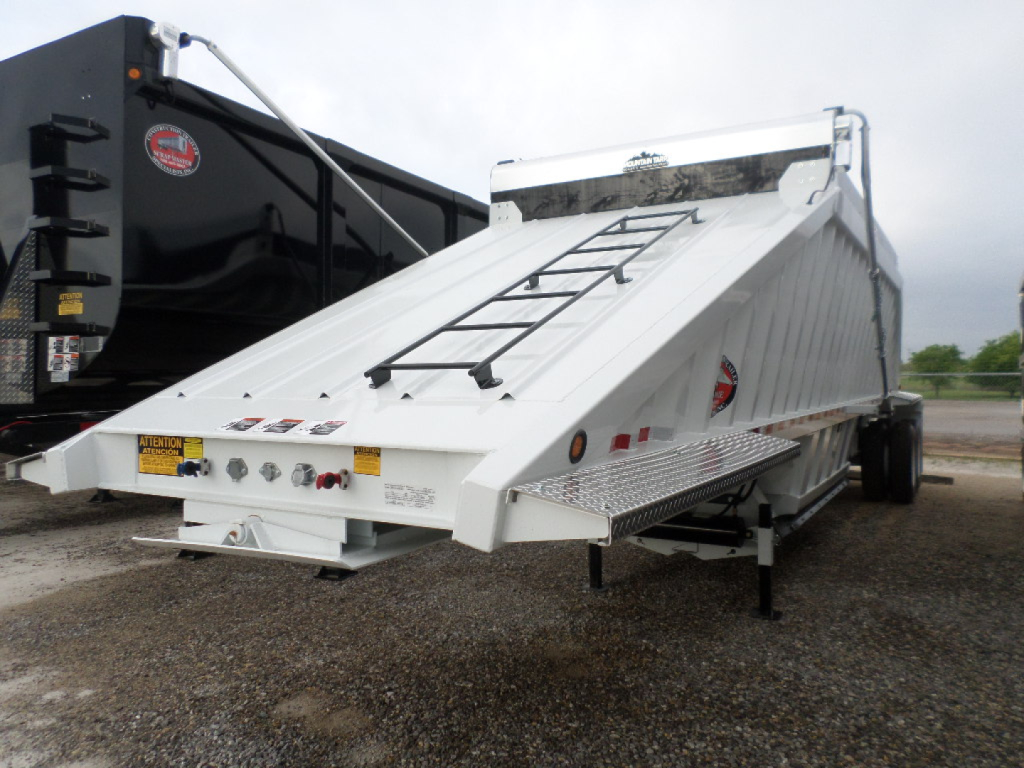
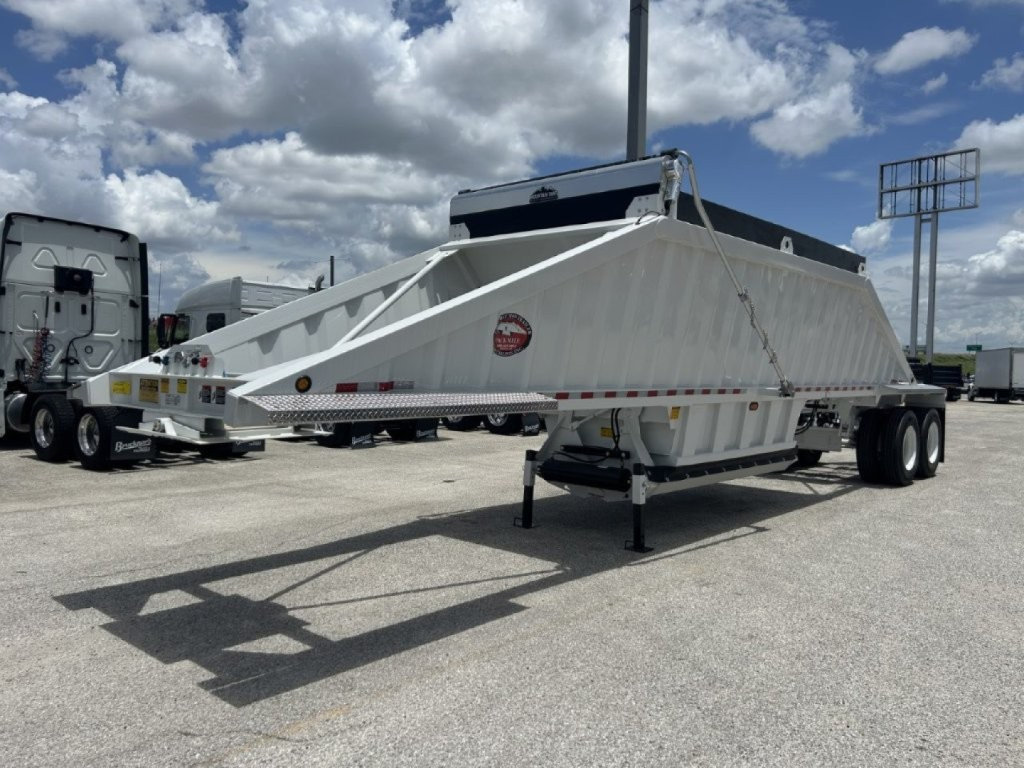
Showing 1 to 28 of 67 results
Selling a new 2027 dump trailer? List your new 2027 dump trailer for sale and reach thousands of commercial buyers.
New 2027 Dump Trailers
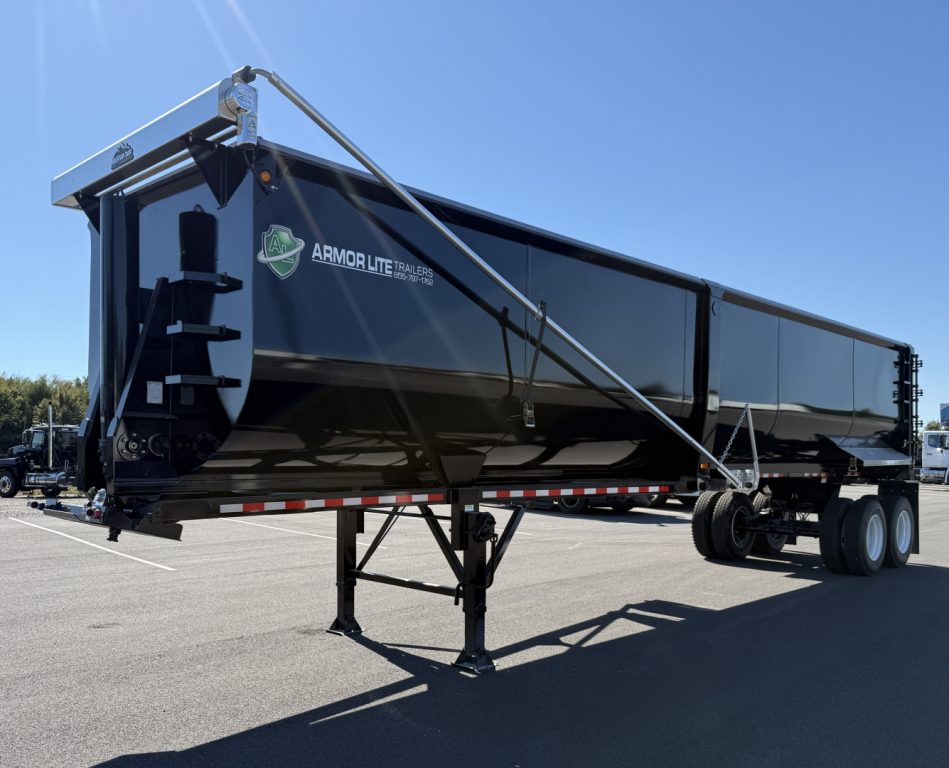
Material type drives the body decision. Aluminum dump trailers reduce tare weight and increase payload potential, which can be a major advantage in high-volume hauling. Steel bodies generally hold up better in abrasive applications and repeated impact loading, especially with rock, riprap, asphalt millings, and demolition material. Frameless end dumps save weight and maximize capacity, while frame-type designs can appeal to fleets that prioritize durability and predictable structural support. Common specs in this category include 34-foot to 40-foot lengths, tandem axle layouts, capacities in the 20-plus to 40-plus cubic yard range, 54-inch sidewalls or board configurations, electric tarp systems, liners, push blocks, fenders, and 11R24.5 rubber on steel or aluminum wheels.
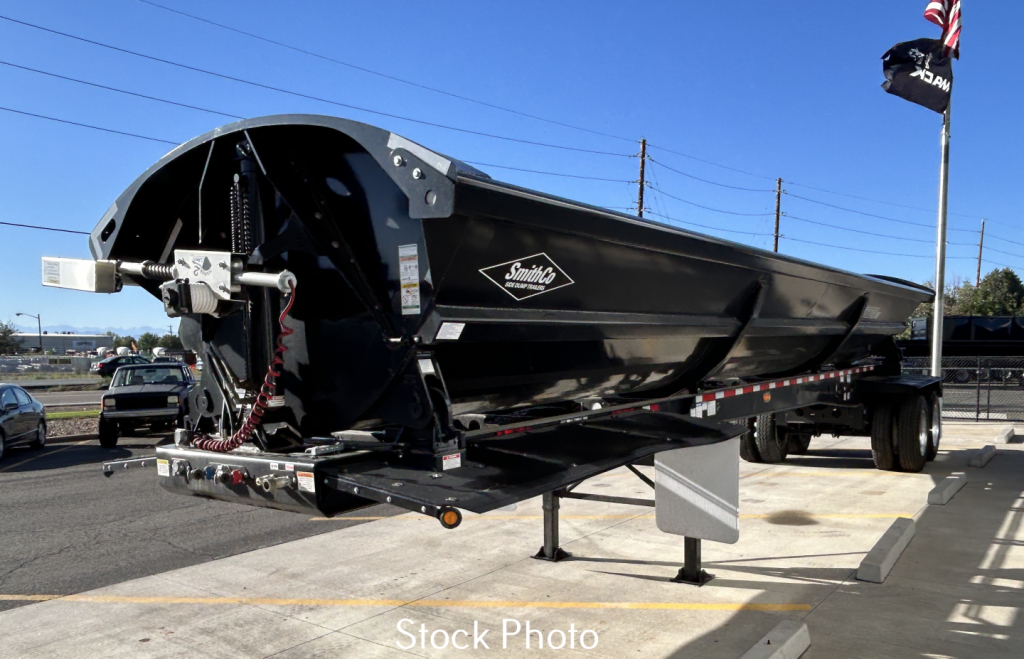
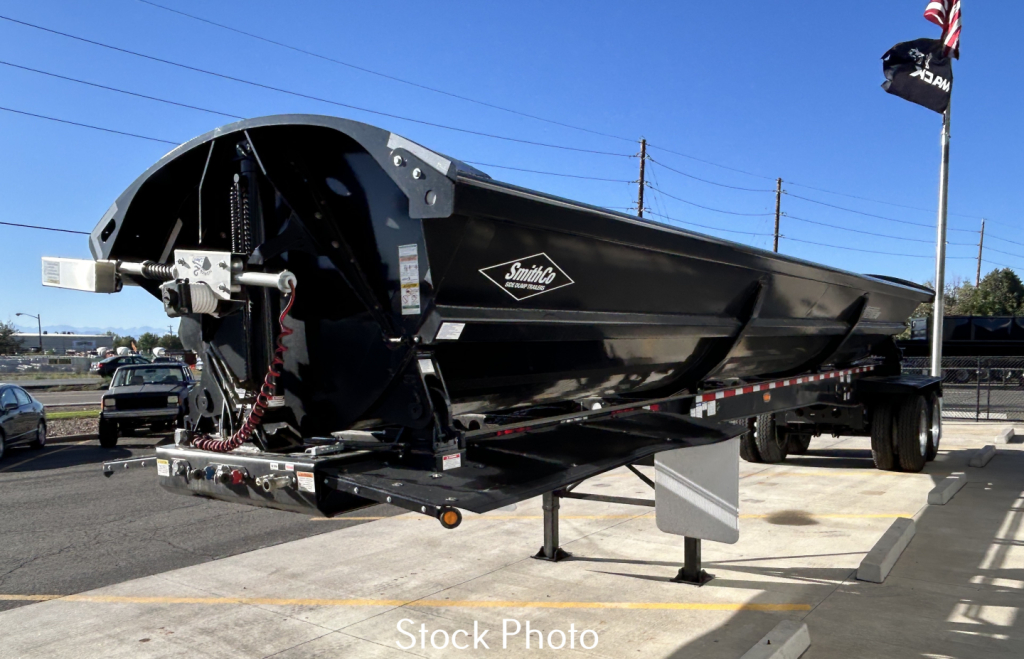
Suspension and gate configuration affect both productivity and operating cost. Air ride is often chosen for better ride quality, less cargo shock, and improved resale appeal, while spring ride remains popular for lower upfront cost and simpler maintenance in severe service. On end dumps, buyers should look closely at hoist geometry, rear hinge design, gate style, and body shape, especially if sticky or mixed material is common. On bottom dumps, pay attention to hopper count, gate controls, limiter setup, and spread accuracy. On side dumps, cylinder mounting, pivot design, and tub corner reinforcement are important because they directly influence stability and long-term structural life. Tarp systems, windrow deflectors, quick-release valves, lift axles, scissor hoists, and ladder placement also deserve attention because they affect day-to-day usability more than many buyers expect.
A new 2027 dump trailer should be matched to legal payload targets, unloading surface conditions, and how often it leaves the pavement. Fleets running highway aggregate or asphalt support often focus on tare weight, quick cycle times, and clean discharge. Contractors in uneven terrain may put more value on side-dump stability or heavier steel construction. Buyers should also confirm kingpin setting, axle spacing, closed or spread tandem layout, liner package, tire size, light package, and tarp operation before comparing price alone. The best dump trailer is the one built around the material, route, and unloading method, not just the advertised cubic yards.
Frequently Asked Questions about New 2027 Dump Trailers
What is the difference between an end dump, bottom dump, and side dump trailer?
An end dump trailer unloads by raising the front of the body and discharging out the rear, making it a strong choice for bulk material hauling and high-capacity work. A bottom dump, also called a belly dump, releases material through gates underneath the trailer and is preferred for controlled spreading of aggregate or road base. A side dump discharges to the side through a rolling tub design and is valued for stability, fast unloading, and performance in rough or uneven ground conditions.
Is aluminum or steel better for a new dump trailer?
Aluminum is usually the better choice when payload and tare weight are the priority, especially in bulk commodity hauling where every pound counts. Steel is typically better suited for severe-service applications involving abrasive, sharp, or impact-heavy material such as rock, scrap, and demolition debris. The right answer depends on the material being hauled, the expected duty cycle, and how important payload versus body durability is to the operation.
What suspension is best on a dump trailer, air ride or spring ride?
Air ride generally provides better ride quality, reduced shock to the trailer and cargo, and broader appeal in resale markets. Spring ride is simpler and often less expensive up front, which can make sense for hard-use applications where ease of maintenance is a priority. Buyers should match suspension choice to haul distance, road conditions, maintenance practices, and the type of material being moved.
How do I choose the right cubic yard capacity for a dump trailer?
Cubic yard capacity should be matched to the material's weight, not just its volume. Lightweight materials can justify a larger tub, but dense materials such as wet sand, gravel, or asphalt can reach legal gross weight limits long before the body is full. Buyers should calculate payload using material density, local bridge-law and axle regulations, and the tractor-trailer combination's empty weight before selecting a body size.
What options matter most on a new 2027 dump trailer?
The most important options are the ones that affect safety, cycle time, and service life. Tarp systems, liners, gate controls, suspension type, axle configuration, lift axles, push blocks, kingpin setting, tire size, and lighting package all have real operating impact. For severe or specialized work, details like windrow deflectors, quick-release valves, reinforced tub corners, slope sheets, and gate limiters can make a noticeable difference in unloading performance and maintenance cost.