
New 2027 Smithco Dump Trailers For Sale
Shop new 2027 Smithco dump trailers, including side dump configurations with AR450 tubs, air ride suspensions, heavy-duty cylinders, and tarp systems.
Selling a new 2027 smithco dump trailer? List your new 2027 smithco dump trailer for sale and reach thousands of commercial buyers.
New 2027 Smithco Dump Trailers
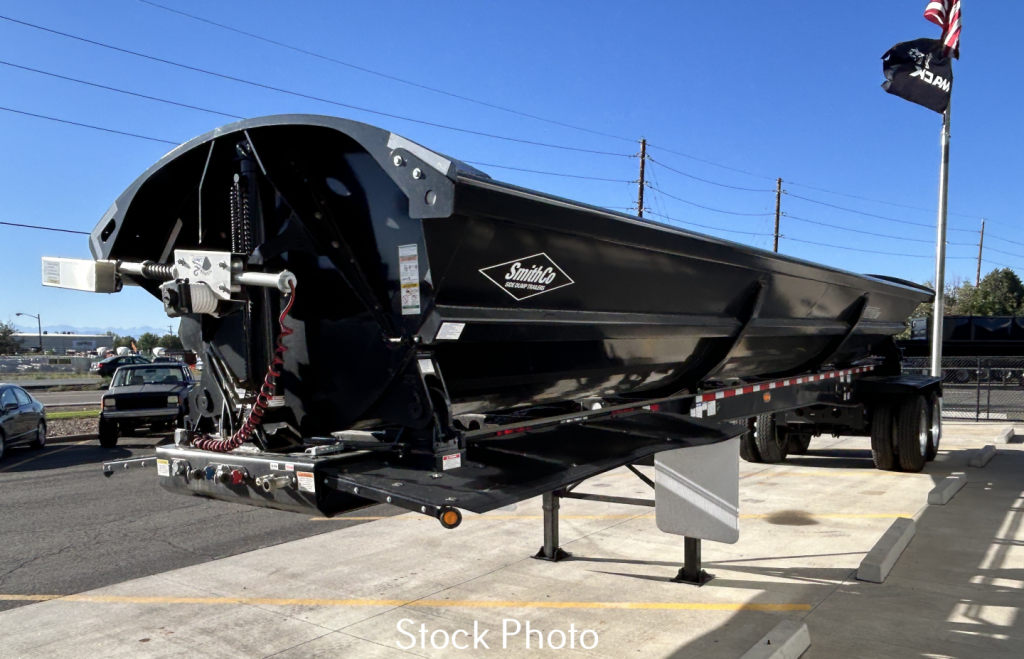
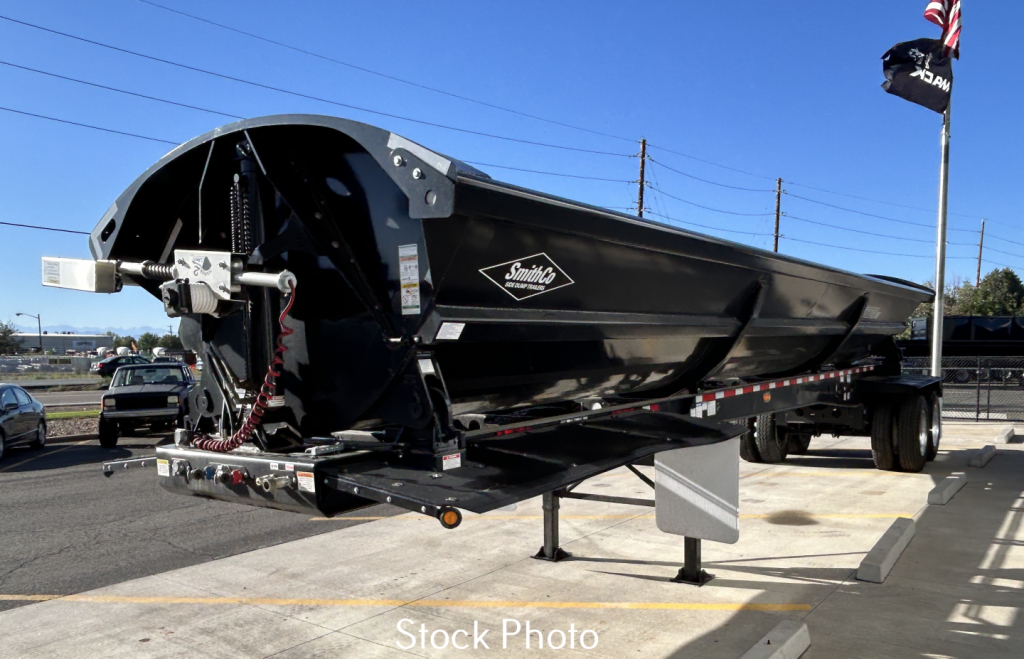
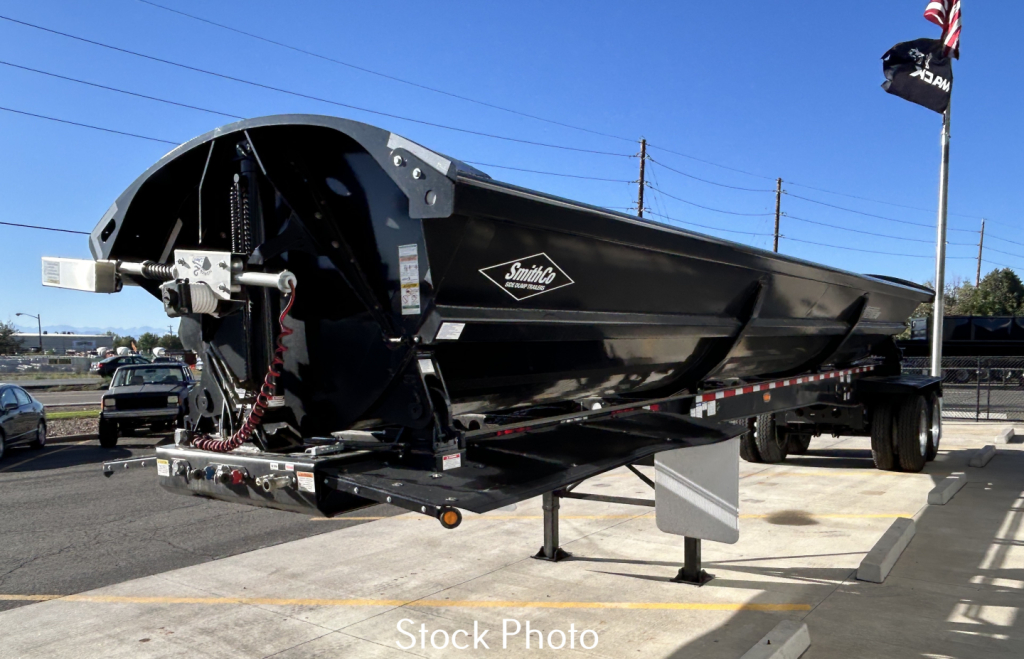
A lot of buyers start with the tub and cylinder package. Smithco side dumps commonly use AR450 steel in the sides and floor, which is a practical choice for abrasive material such as rock, gravel, riprap, and milled asphalt. Common body specs include 34-foot tubs on 40-foot trailers, half-round or rock tub designs, and capacities in the range of roughly 23 cubic yards water level to around 31 cubic yards heaped, depending on setup. Heavy-duty 6-inch cylinders, dual pivot points, and 2-way hydraulic valve systems are common on this class of trailer because they directly affect dump control, cycle confidence, and long-term structural performance.
Running gear and suspension deserve close attention because these trailers often work in mixed on-road and jobsite conditions. Air ride setups from suppliers like Ridewell are common, along with 25,000-pound axles, closed tandem arrangements, and tri-axle versions with lift axle options for fleets balancing payload, bridge law, and tire wear. Typical wheel and tire packages include 11R24.5 or 11R22.5 rubber, with steel inner and aluminum outer wheel combinations seen on some specifications. Buyers should also compare brake sizing, ABS configuration, axle spacing, hub package, and kingpin setting. Features like a removable kingpin, remote grease lines to the fifth wheel plate and cylinders, liquid-filled air gauge, mechanical scale, and dump valve can make a real difference in daily serviceability and load management.
Tarping and safety equipment are also central to the spec. Many new Smithco dump trailers are outfitted with electric mesh rollover tarps, tarp lockout systems, LED lighting, fenders, push blocks, ICC bumpers, and two-speed landing gear. Those details matter if the trailer will spend its life moving loose aggregate, wet clay, asphalt-related material, or demolition loads that demand secure cover and dependable unloading. If the work involves frequent off-camber dumping, rough access roads, or high production hauling, a properly spec'd Smithco side dump trailer offers a durable and efficient solution with less tip-over risk than a traditional end dump.
Frequently Asked Questions about New 2027 Smithco Dump Trailers
What makes a Smithco side dump trailer different from a traditional end dump trailer?
A side dump trailer unloads by rolling the tub to the side with hydraulic cylinders instead of lifting the body straight up. That lower dumping profile helps reduce rollover risk on uneven ground and allows faster cycle times in many aggregate and construction applications. For fleets working on road shoulders, soft jobsites, or areas with overhead clearance limits, a side dump is often the safer and more productive choice.
What materials are new Smithco dump trailers commonly built to haul?
This category is commonly used for rock, sand, gravel, dirt, millings, demolition debris, and other abrasive bulk materials. AR450 steel tubs are especially well suited for high-wear applications because they hold up better against impact and abrasion than lighter general-purpose body materials. The exact match depends on body shape, tub thickness, and whether the trailer is spec'd for quarry work, paving support, or general construction hauling.
Why is AR450 steel important in a dump trailer tub?
AR450 is an abrasion-resistant steel used to improve body life in severe service. In a side dump trailer, AR450 sides and floors help resist wear from sharp rock, heavy aggregate, and repeated loading with hard material. Buyers looking at long-term cost should pay attention to tub material because body life, weld integrity, and repair frequency are heavily influenced by the steel grade.
What should I look for in the suspension and axle setup on a Smithco dump trailer?
Focus on payload target, legal axle distribution, road conditions, and maintenance priorities. Tandem axle air ride trailers are common for balanced on-road performance, while tri-axle setups with a lift axle can help fleets manage bridge compliance and carry more material where regulations allow. Axle rating, axle spacing, brake size, tire size, and hub package all affect durability, service intervals, and how well the trailer performs under heavy cyclic loads.
Are tarp systems and grease line options worth having on a new dump trailer?
Yes, especially on trailers that run daily. An electric tarp system improves load containment and speeds up turnarounds, while a tarp lockout system adds safety during dump operation. Remote grease lines to the fifth wheel area and cylinder pivots reduce service time and make it more likely that routine lubrication actually gets done, which can help extend component life in high-hour applications.