
New 2027 Dump Trailers For Sale in Texas
Shop new 2027 dump trailers in Texas. Compare lengths, cubic yard capacity, suspension, tub design, tarp systems, and aggregate-ready specs.

Selling a new 2027 dump trailer? List your new 2027 dump trailer for sale and reach thousands of commercial buyers.
New 2027 Dump Trailers in Texas
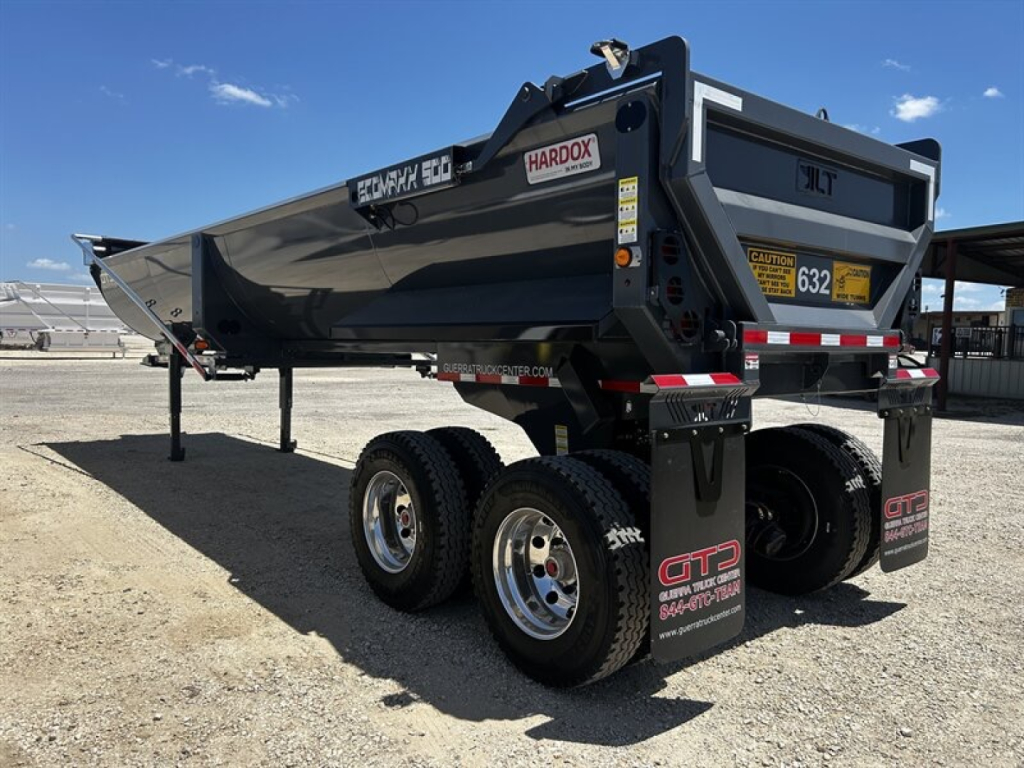
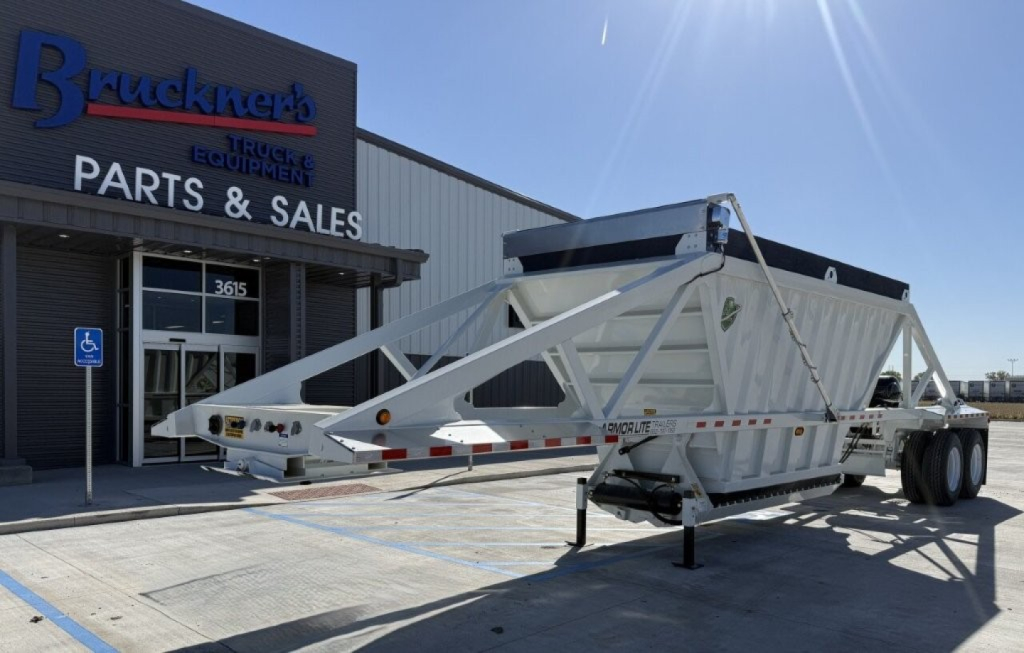
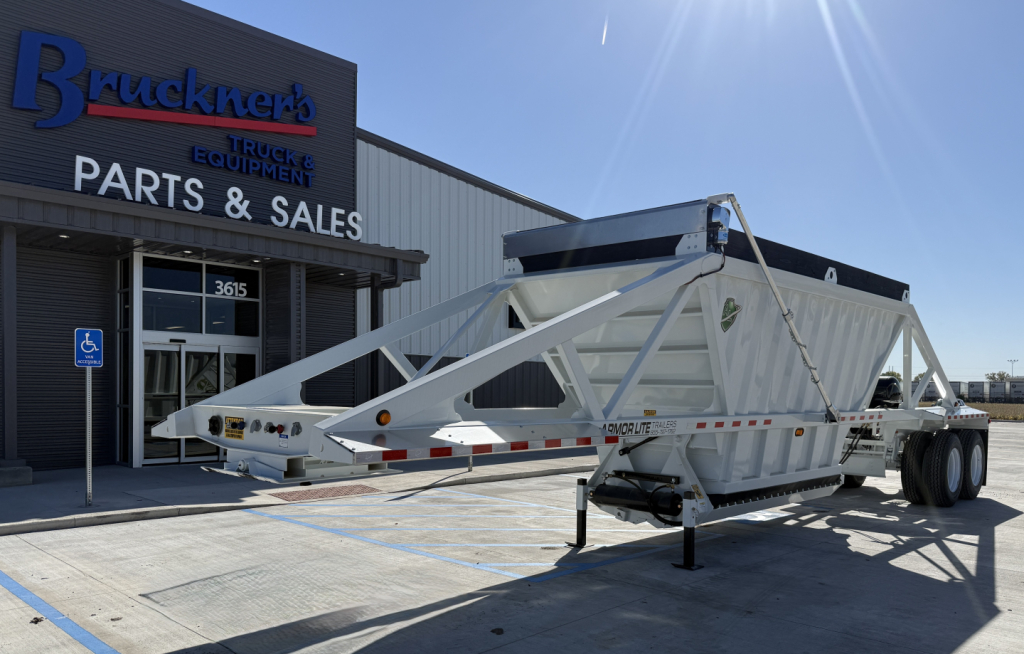
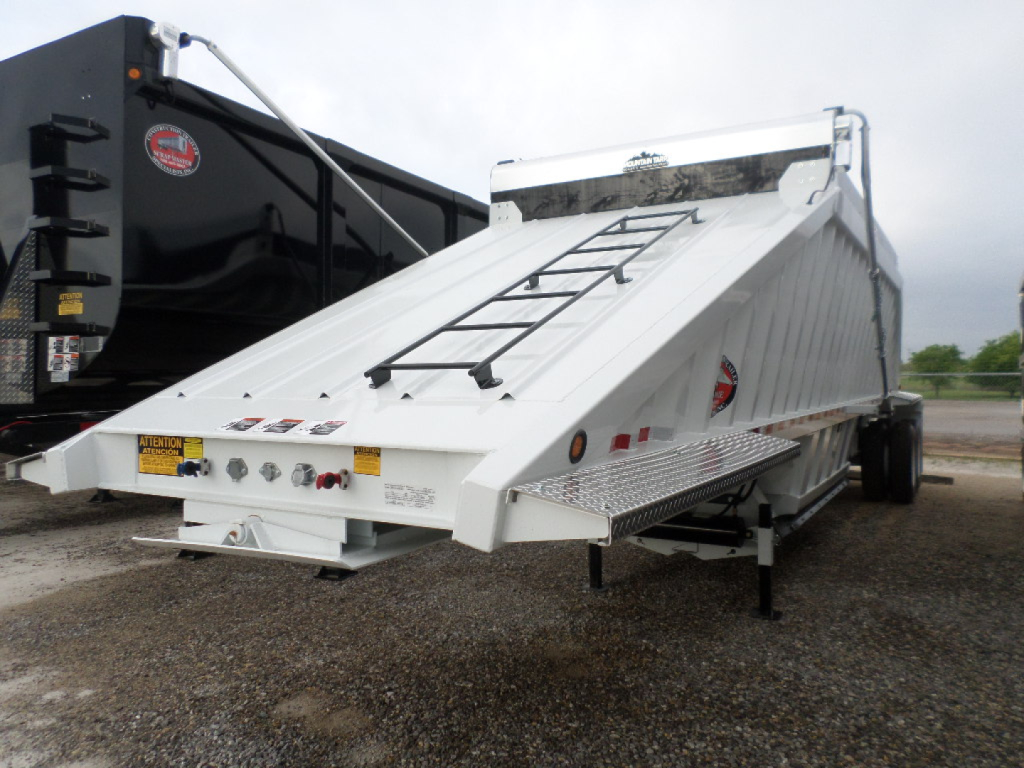
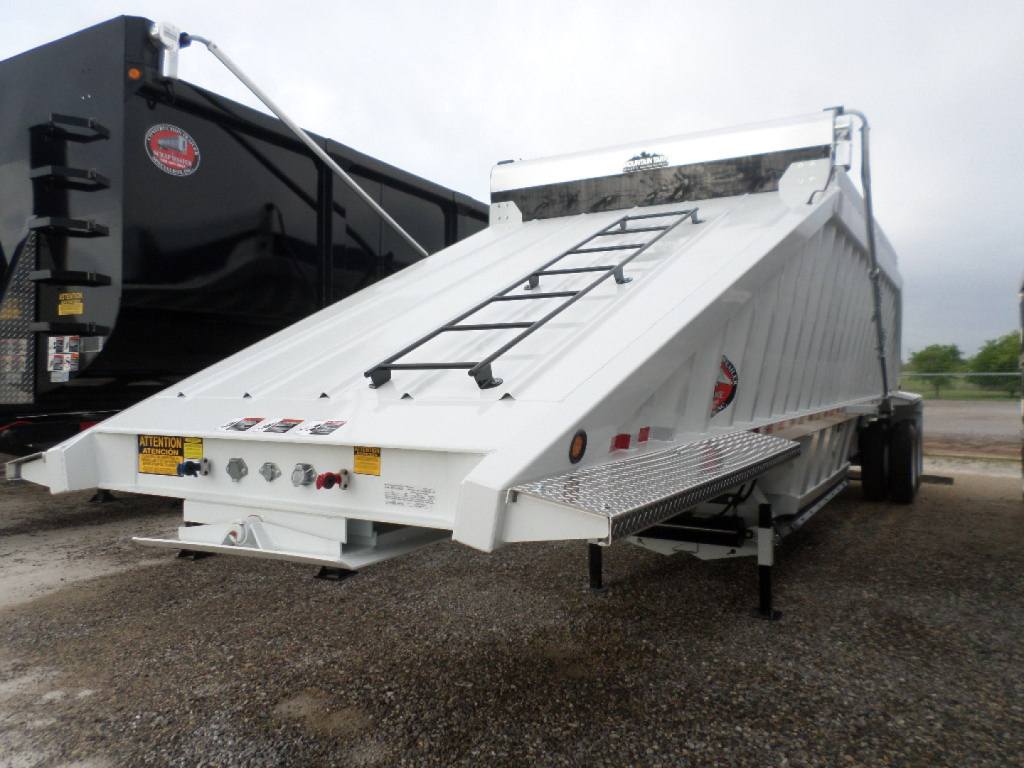
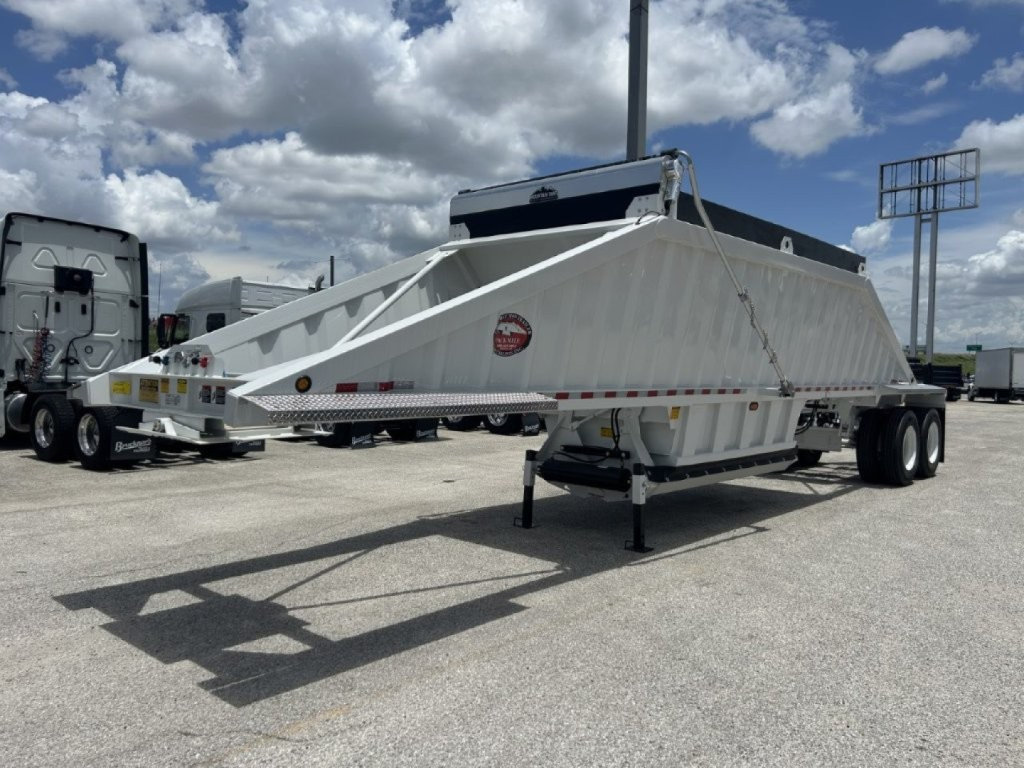
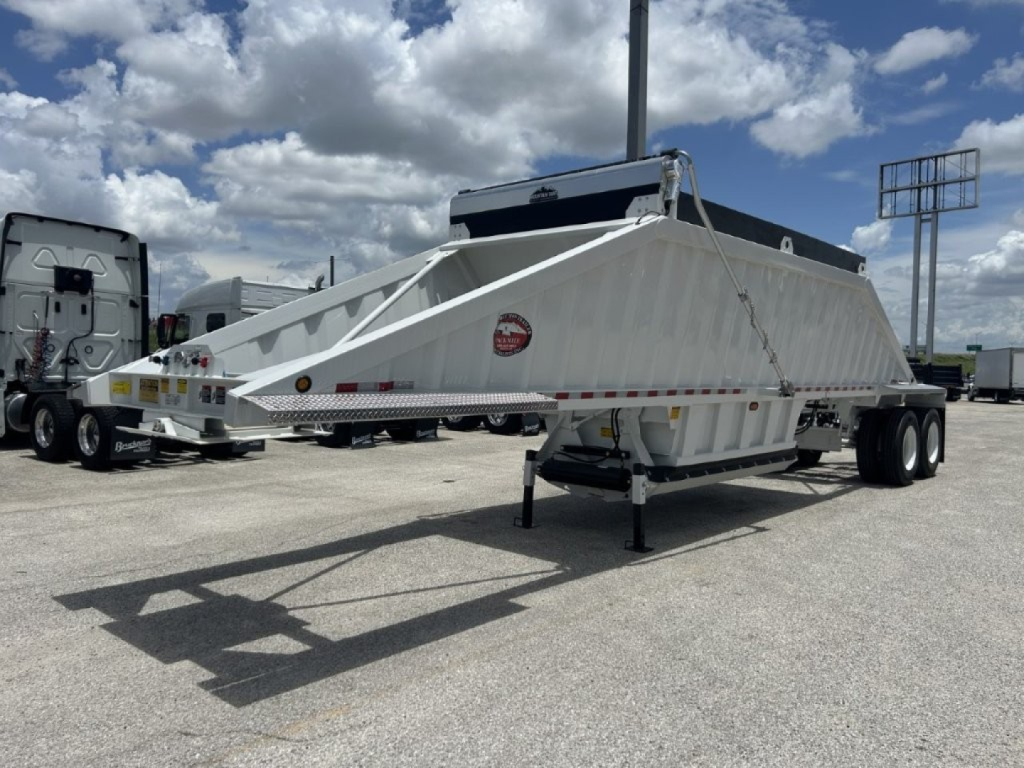
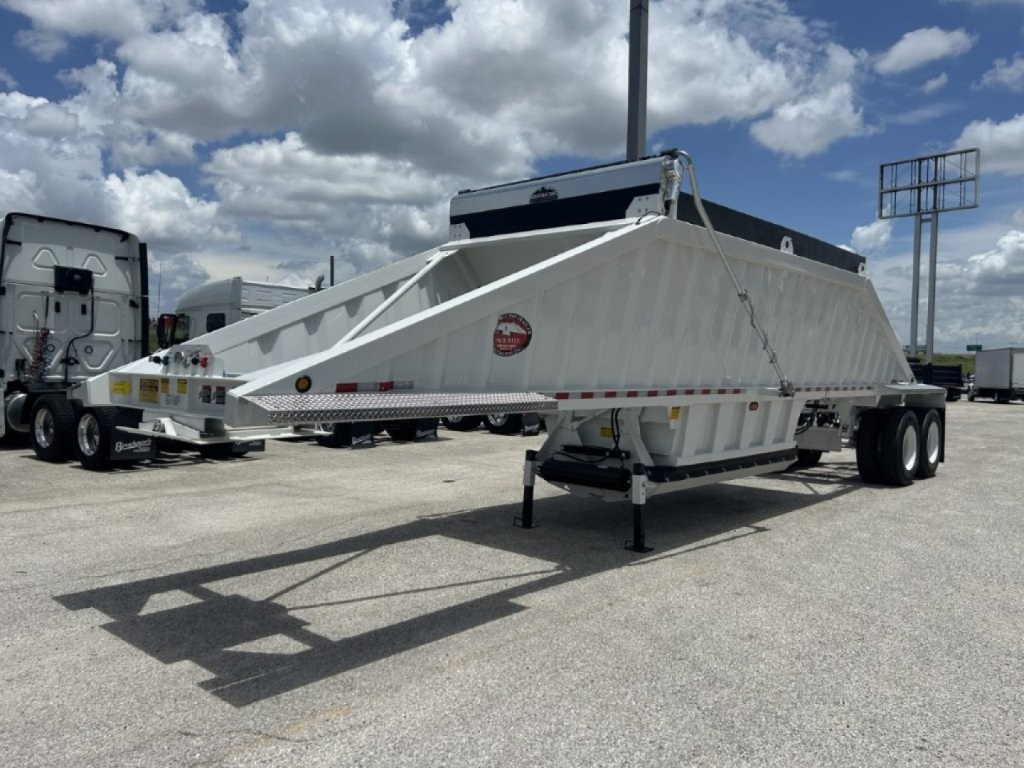
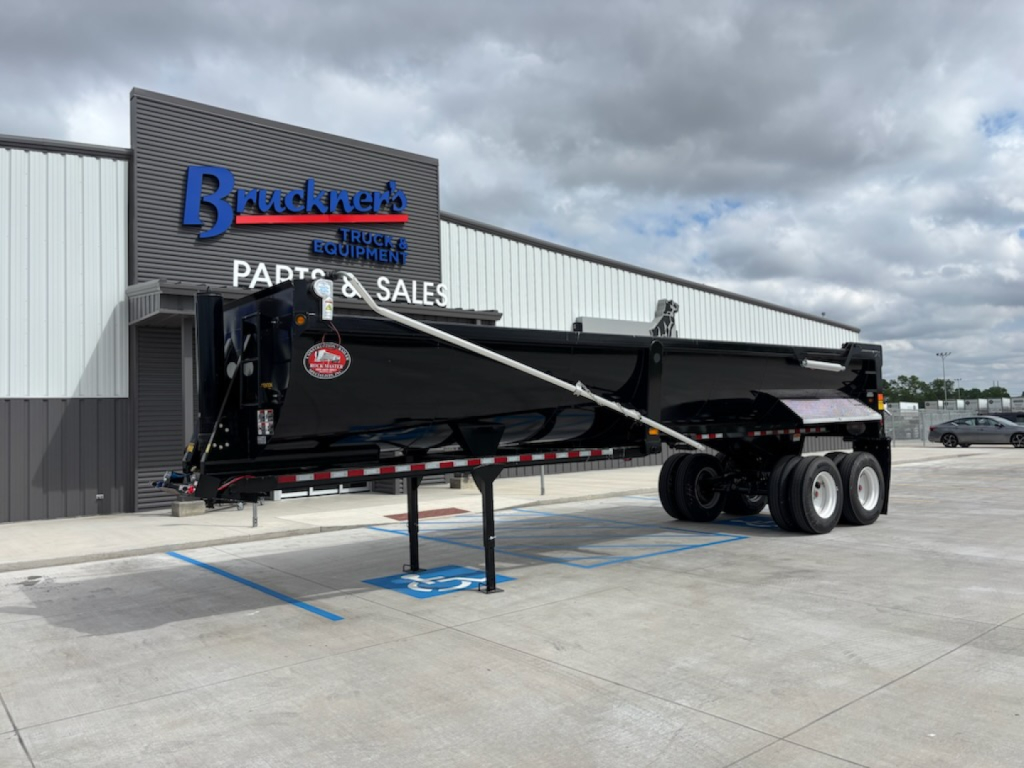
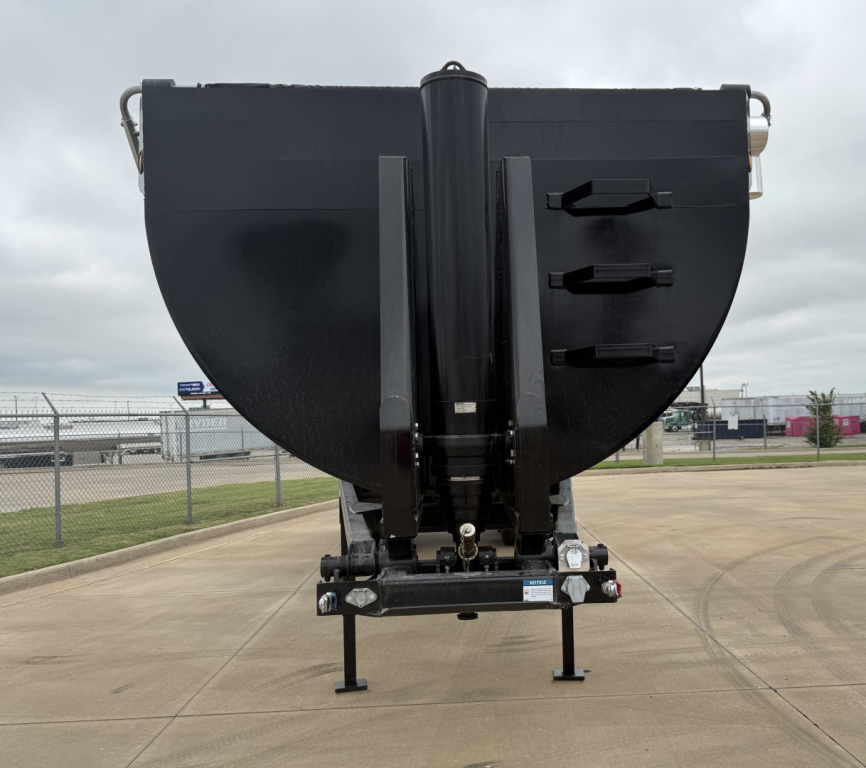
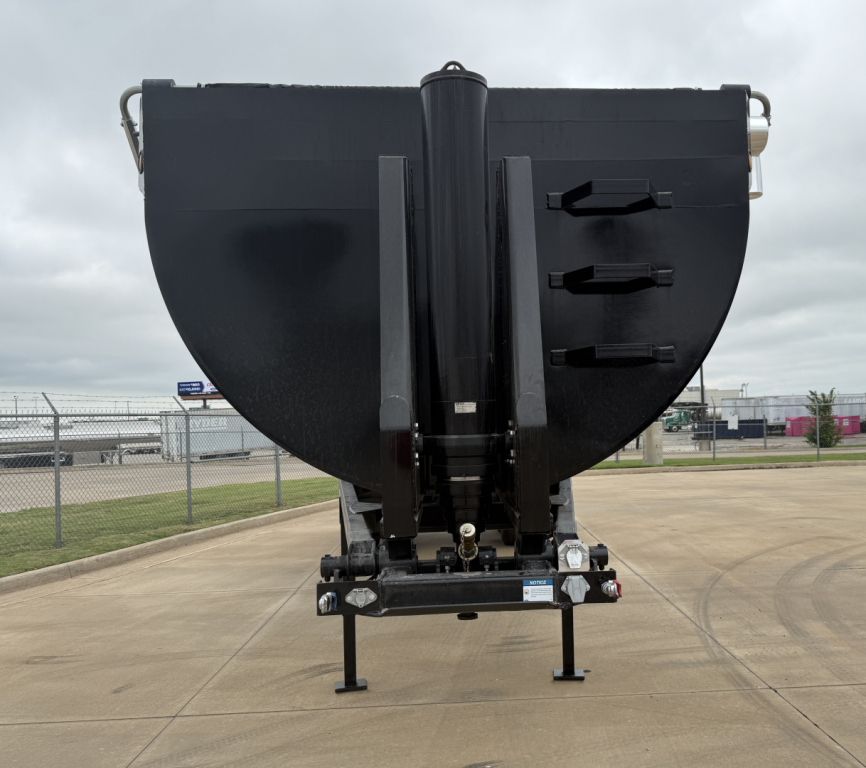
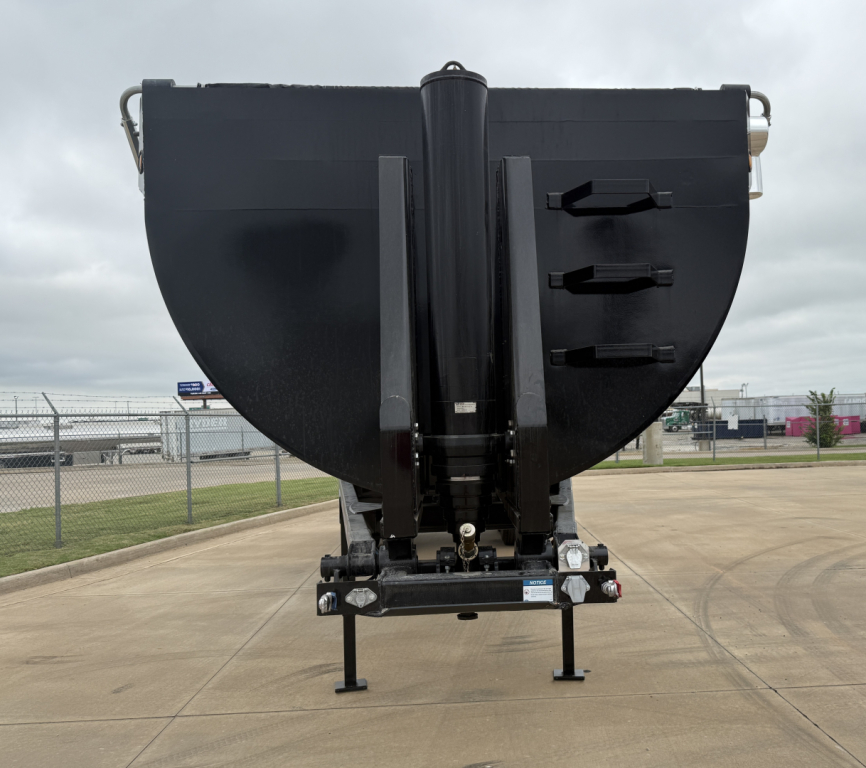
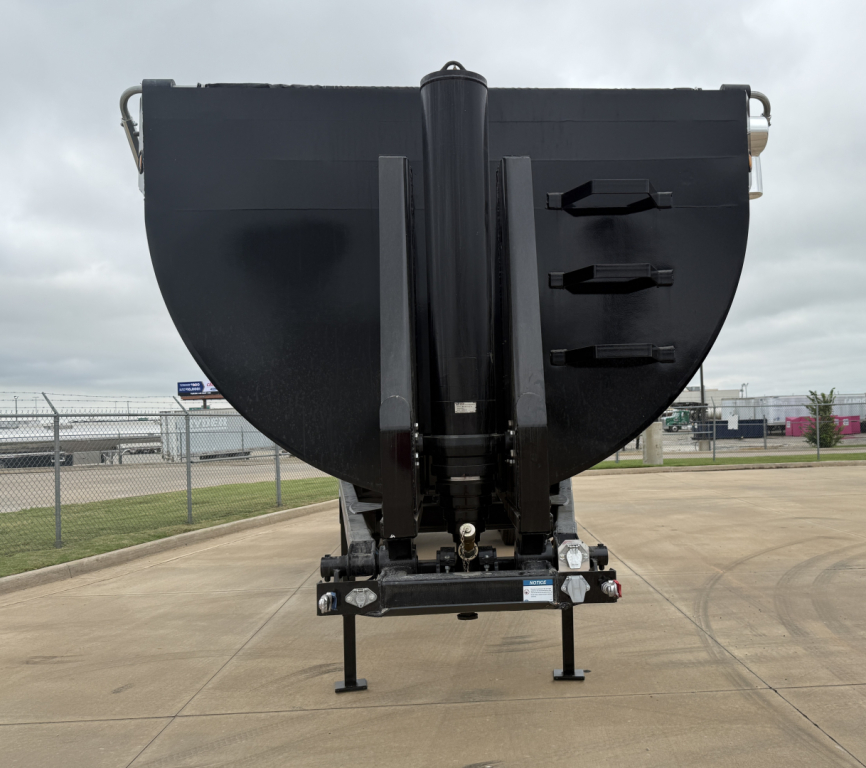
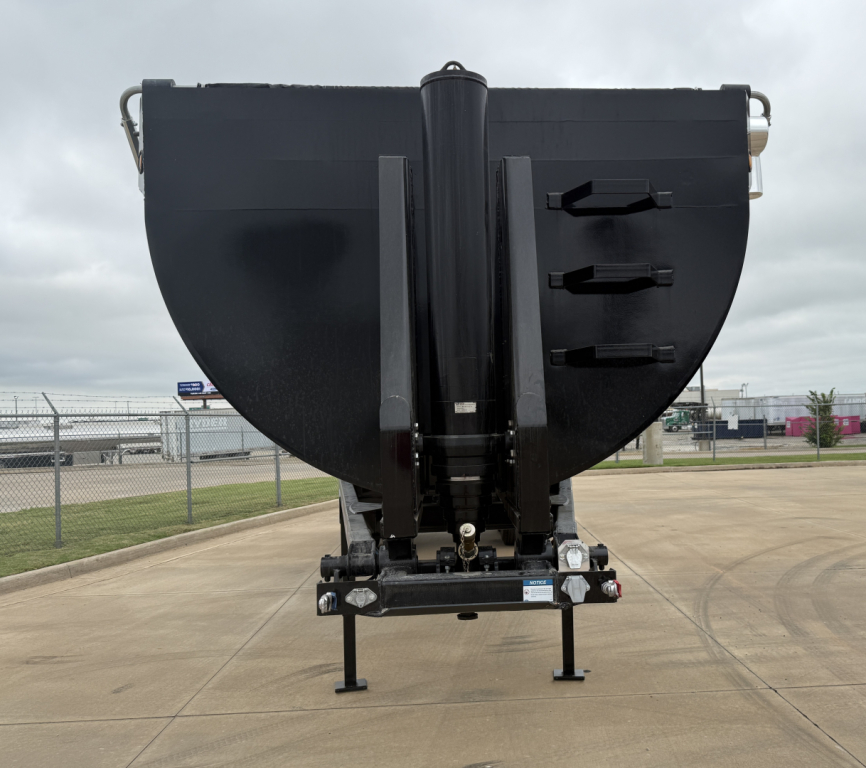
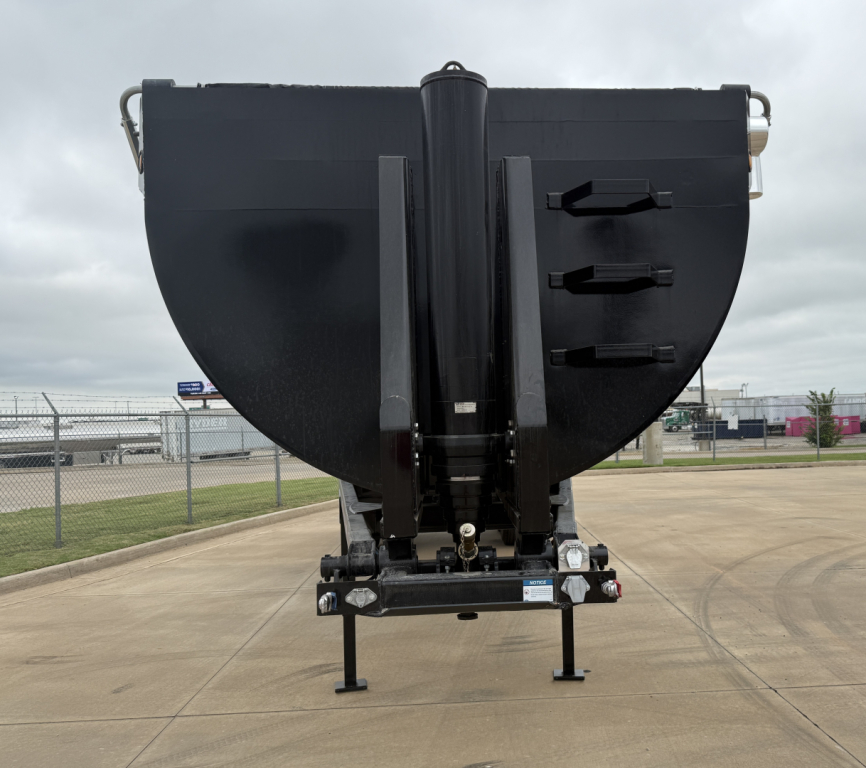
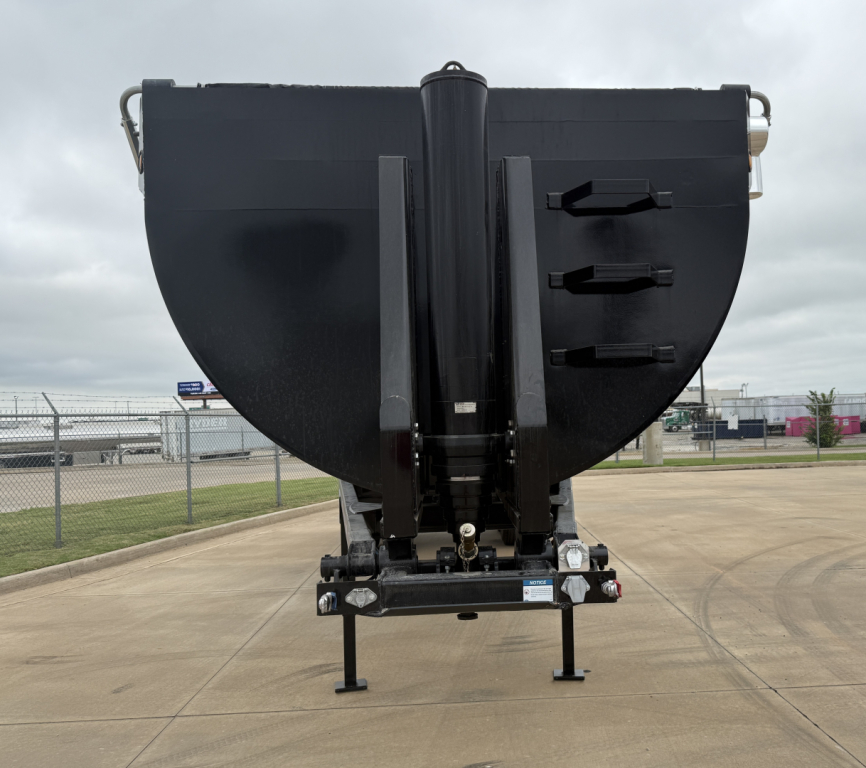
Body design drives how the trailer performs day to day. A 10-inch board setup and 23.5-yard body is a familiar combination for general aggregate hauling, while self-shedding top rails, slope sheets, and windrow deflectors help material clear cleanly and keep loading and unloading efficient. High-lift gates and 6-way gate controls matter if you need more flexibility at the dump site, especially when spreading or controlling discharge. Buyers in Texas should also pay attention to tub length, overall trailer length, and gate style in relation to haul roads, paver work, and plant loading practices.
Suspension, wheels, and tire package affect both maintenance cost and stability. Spring ride remains a common and proven choice on dump trailers because it is straightforward to service and well understood by most fleets. Single-point suspension setups can also be attractive on certain severe-duty applications. Many new dump trailers in this class run 11R24.5 rubber on steel wheels, often with chip- and chunk-resistant compounds for quarry and construction use. Air tank size, quick-release valves, and push block design are worth checking because they influence brake response, trailer handling, and compatibility with site equipment.
Tarp system and small spec details are not small in real use. Electric flip tarp systems are common because they speed up securement and help drivers stay compliant without climbing. Aluminum diamond plate fenders, extended push blocks, and clean gate hardware all hold up better when the trailer is working every day in dirt, stone, and asphalt environments. When comparing new 2027 dump trailers, focus on cubic yard rating, empty weight, tub material, suspension type, gate operation, and whether the trailer is built for high-volume aggregate work or heavier abrasive material. The right dump trailer is the one that matches your legal payload targets, dump-site conditions, and maintenance tolerance without giving up uptime.
Frequently Asked Questions about New 2027 Dump Trailers in Texas
What is the most important difference between a lightweight dump trailer and a heavy-duty dump trailer?
The main difference is payload versus structural durability. A lightweight dump trailer, often called a skeleton-style trailer, is designed to reduce tare weight so you can haul more legal payload on every trip. A heavy-duty dump trailer uses thicker tub material and more robust construction for abrasive or high-impact loads such as rock, demolition material, and millings. If your freight is relatively consistent and not highly abrasive, a lighter trailer can improve revenue per load. If your work is severe-duty, the heavier trailer usually pays back in reduced tub wear and longer service life.
How much capacity does a typical dump trailer have?
A common end dump trailer in this class is around 40 feet long with roughly 23.5 cubic yards of capacity, but actual usable capacity depends on material density, side height, and legal gross weight limits. Cubic yards tell you volume, not payload. Sand, gravel, asphalt, and rock all scale differently, so buyers need to match body size to the weight of the material they plan to haul. In many cases, legal weight will limit the load before the body is physically full.
Is spring ride a good choice for a dump trailer?
Yes, spring ride is a common choice because it is durable, simple, and widely serviceable. Many fleets prefer it for dump applications where trailers see rough roads, quarry entrances, and uneven jobsite surfaces. It can be less complex than some alternatives and easier to maintain in severe-duty use. The tradeoff is that ride quality may not be as refined as other suspension types, so the right choice depends on your operating environment, maintenance practices, and driver preference.
What features help a dump trailer unload cleanly and safely?
Key features include slope sheets, self-shedding top rails, a properly designed gate, and a reliable tarp system. Slope sheets help direct material and reduce hang-up inside the body. Self-shedding top rails reduce material buildup along the upper structure. High-lift or controlled-discharge gates improve unloading flexibility and can help when spreading material. A dependable electric tarp system keeps loads covered and reduces the need for drivers to climb, which improves both efficiency and safety.
What should a Texas buyer pay attention to when comparing new dump trailers?
Texas buyers should look closely at empty weight, axle configuration, body length, suspension, tub material, and tire package because those specs affect legal payload, durability, and suitability for local hauling conditions. Quarry work, asphalt plants, road construction, and long rural haul routes can each call for a different setup. It is also smart to consider common serviceability items such as gate controls, brake valve configuration, tarp reliability, and tire availability, since downtime in a dump operation can quickly erase any upfront savings.