
New 2027 Dump Trailers For Sale in Oklahoma
Shop new 2027 dump trailers in Oklahoma. Compare frameless and quarter frame specs, capacities, suspensions, gates, tarps, and liner options.
Selling a new 2027 dump trailer? List your new 2027 dump trailer for sale and reach thousands of commercial buyers.
New 2027 Dump Trailers in Oklahoma
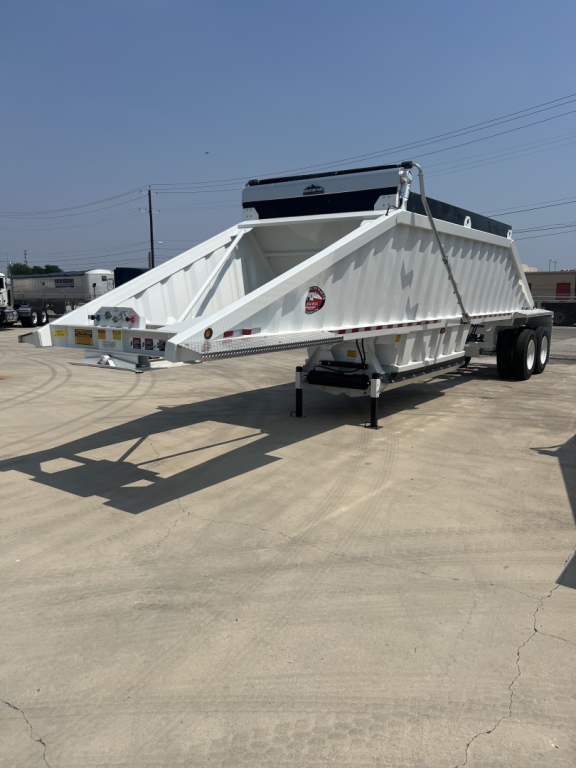
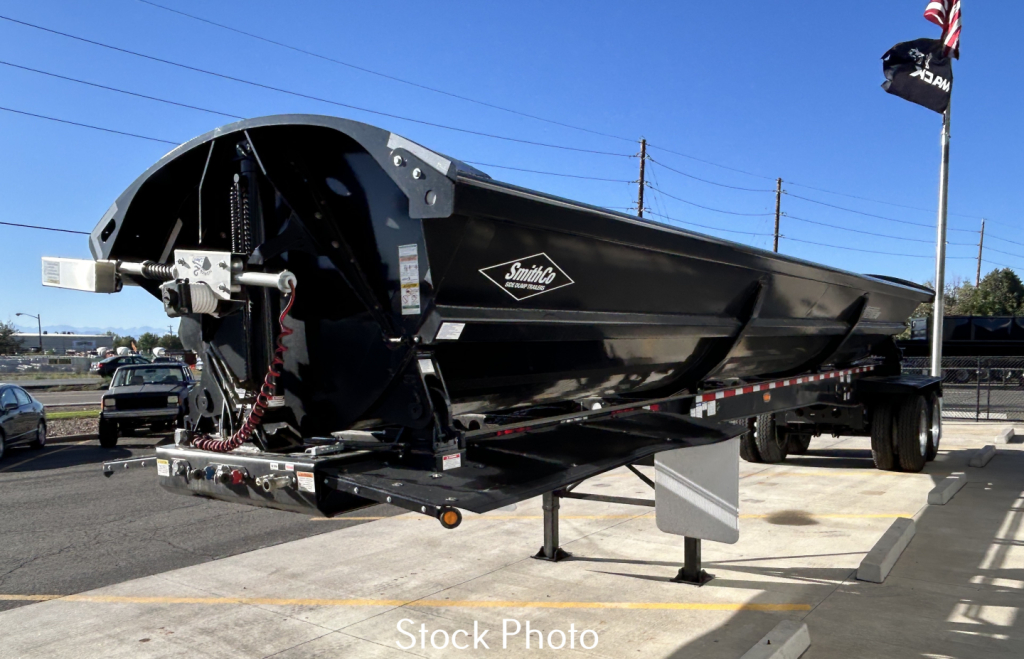
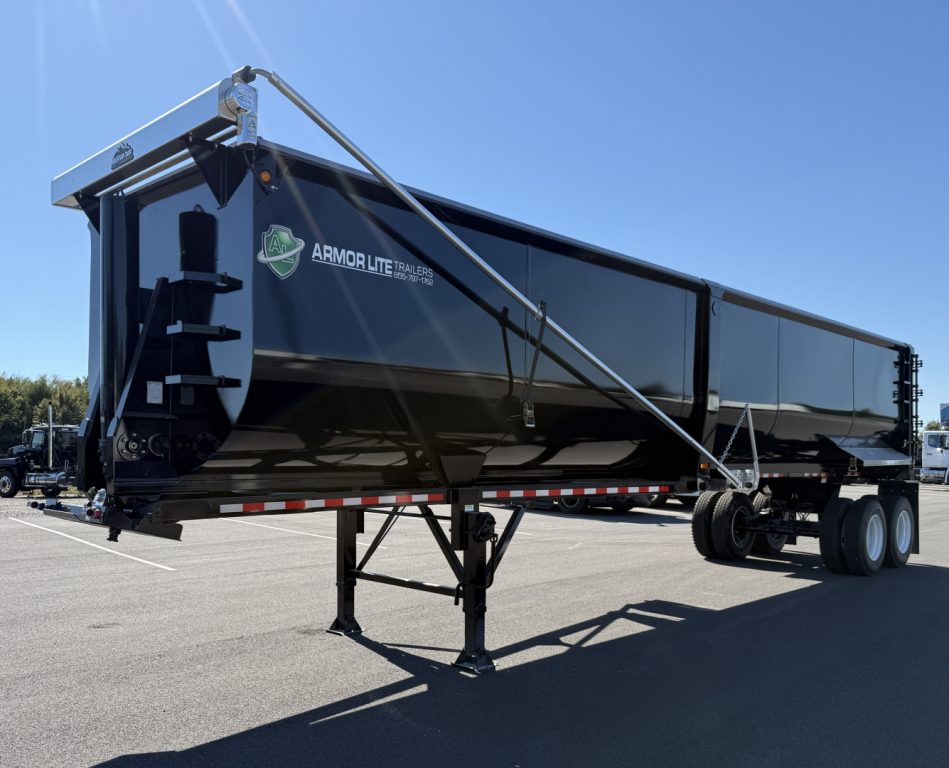
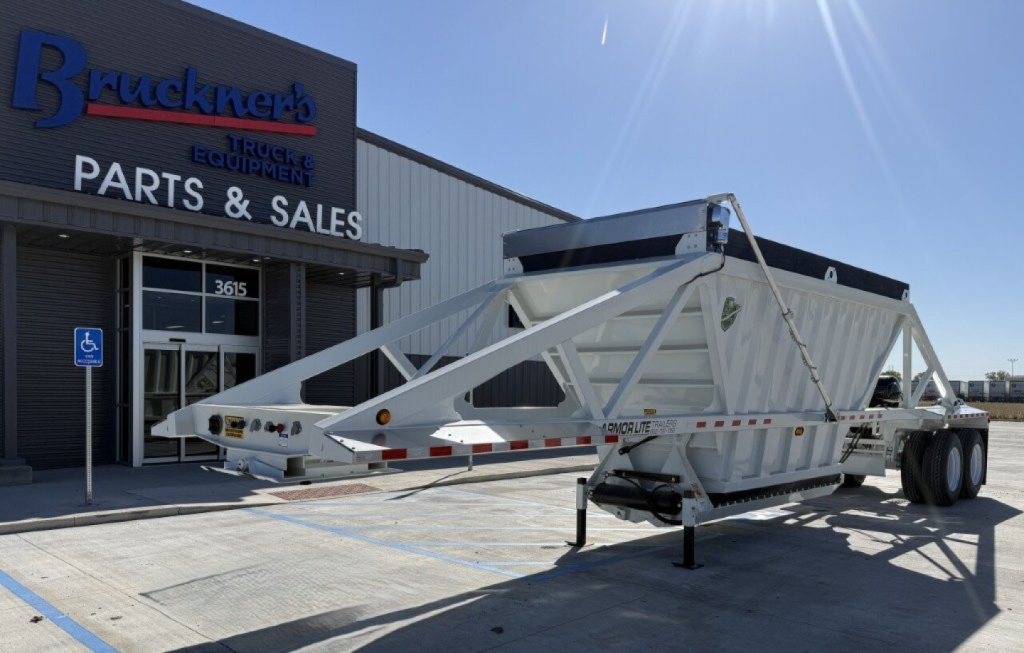
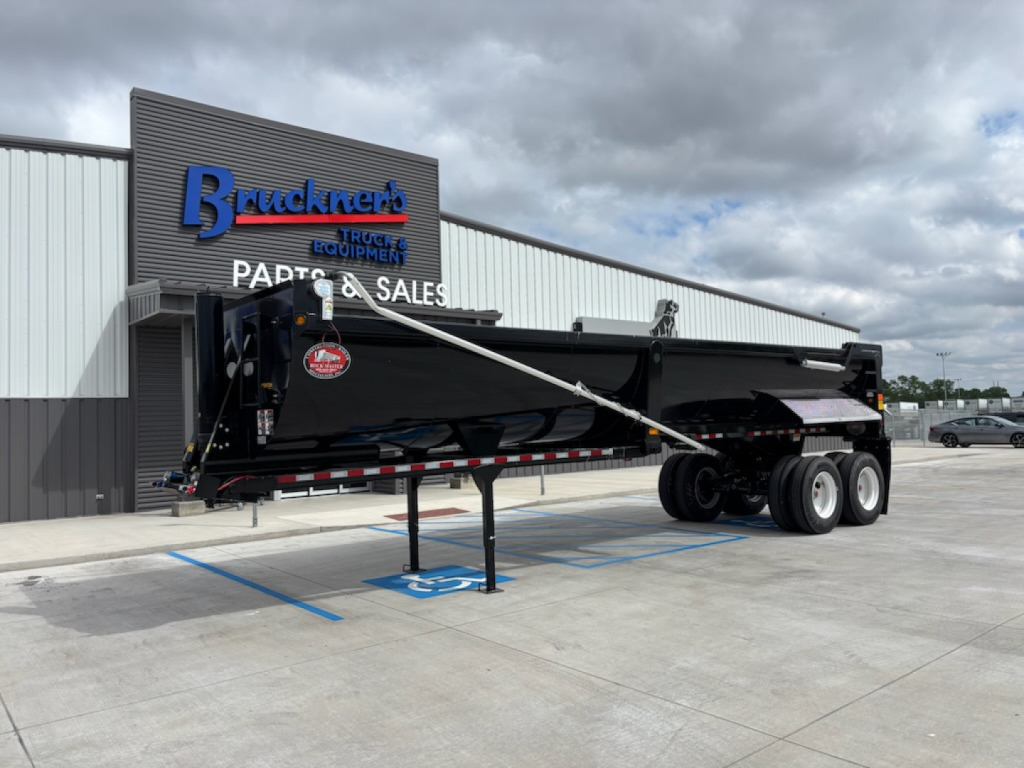
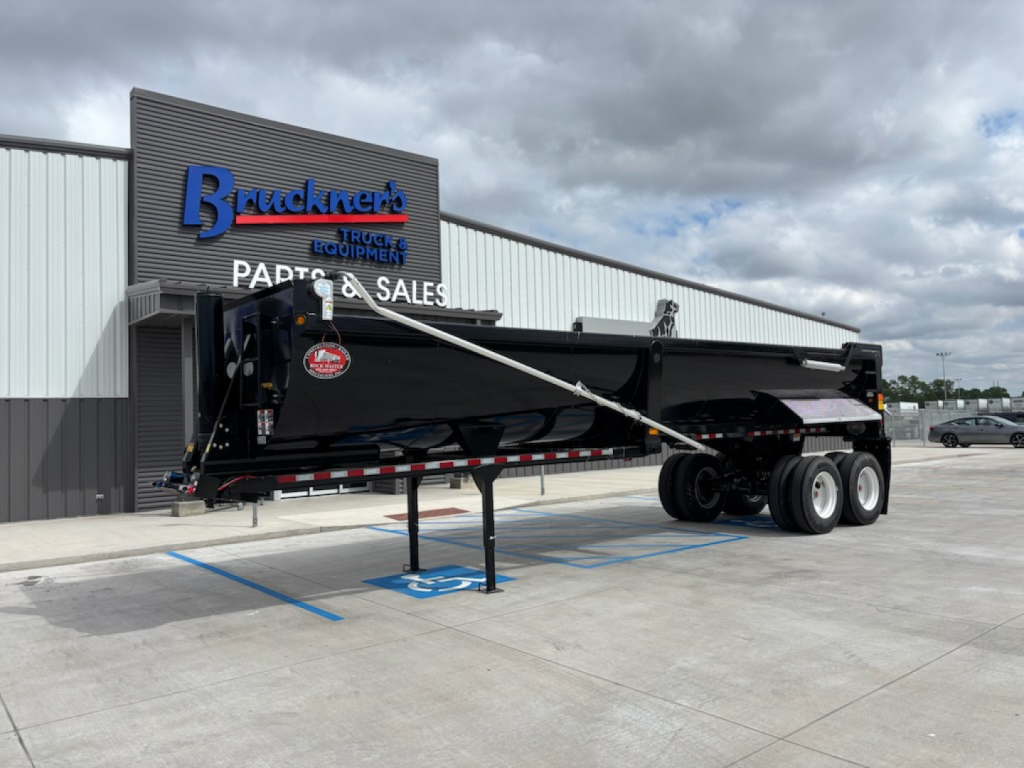
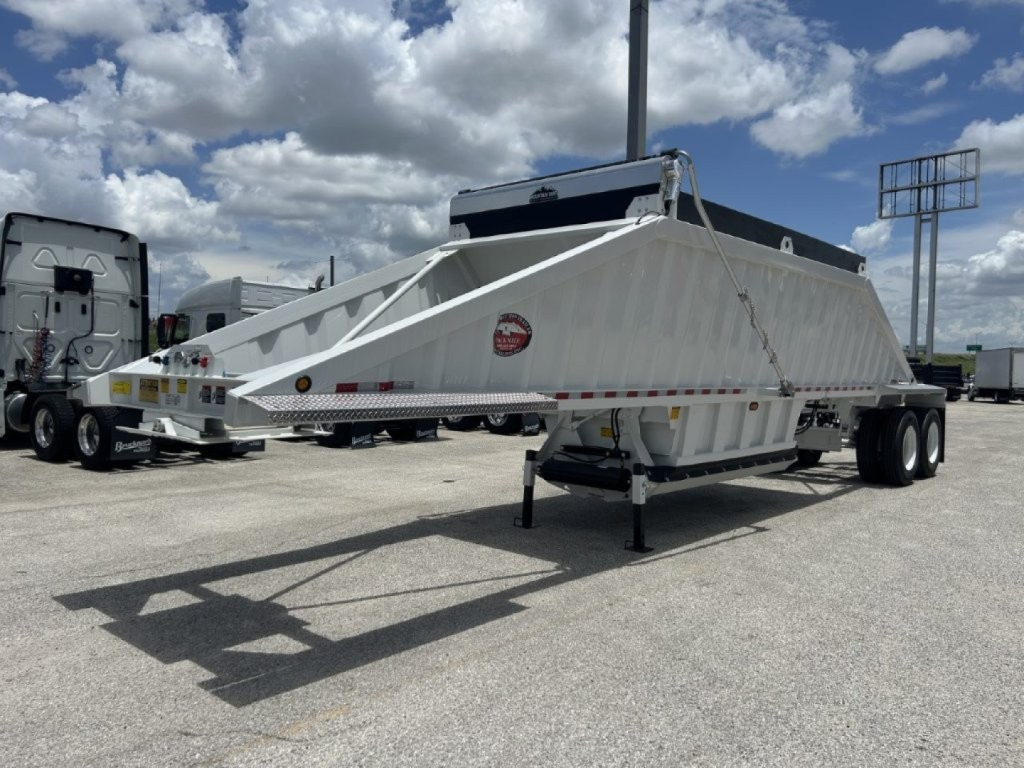
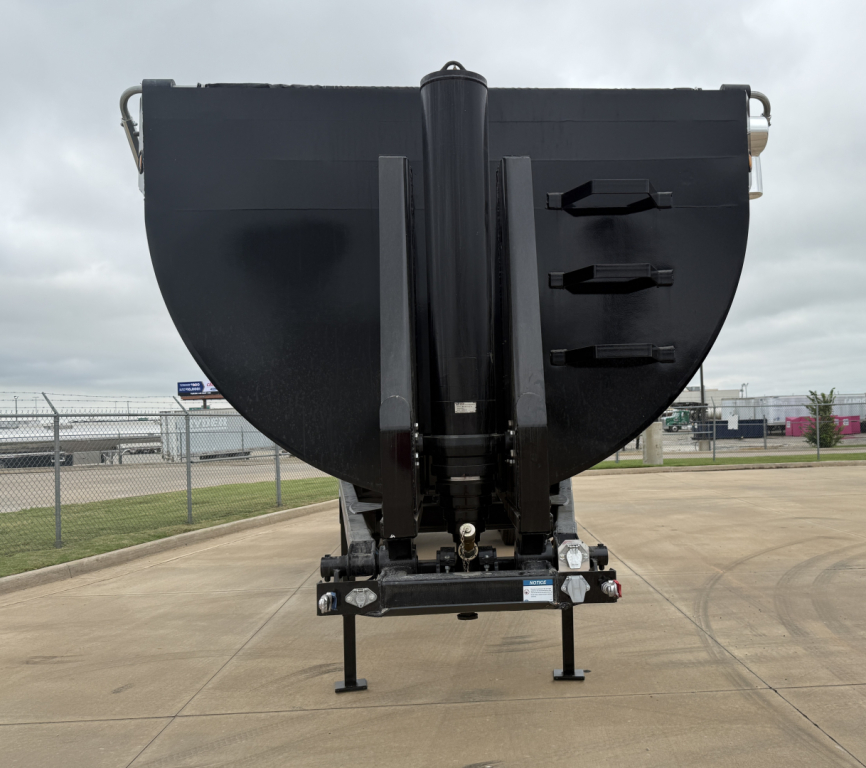
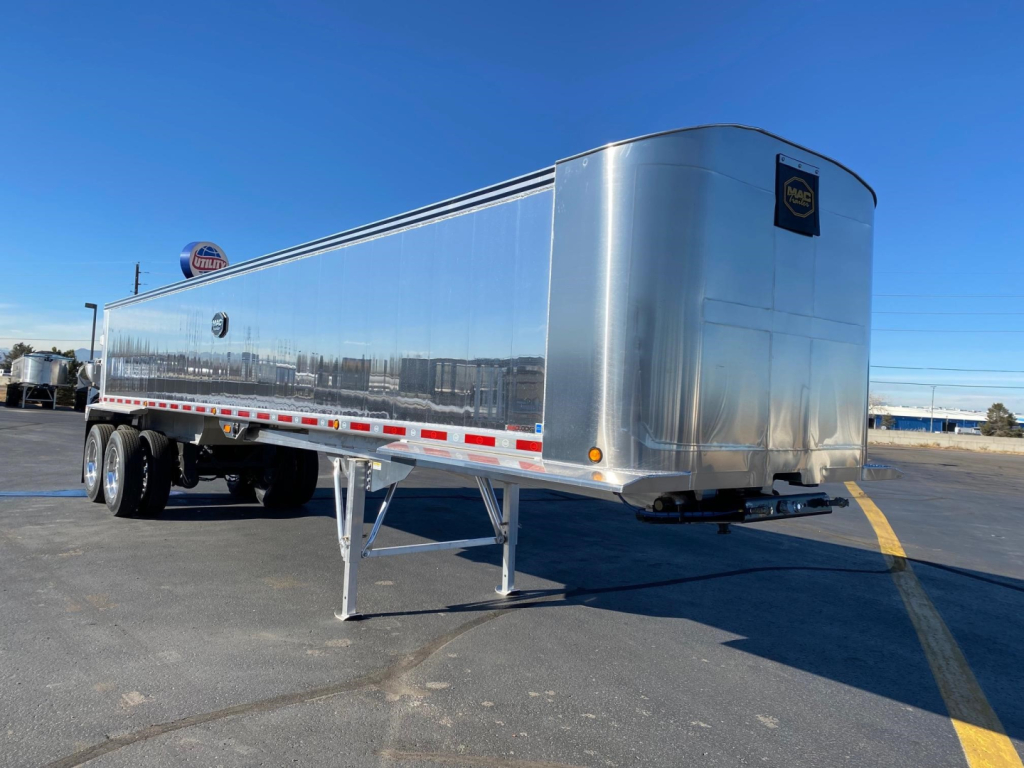
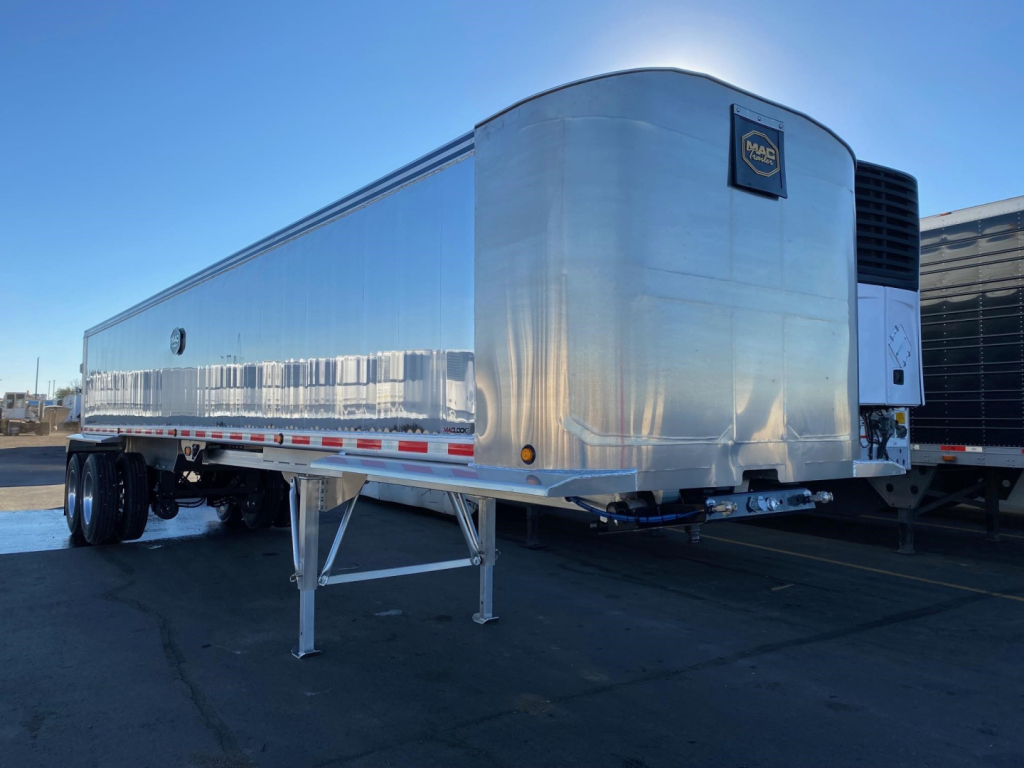
The first decision is usually body style and construction. A frameless half-round dump trailer sheds material cleanly and holds up well in abrasive service because the curved tub reduces material hang-up and stress points. A lightweight flat-sided or quarter-frame trailer can improve payload and may suit operators hauling less abrasive bulk commodities. Buyers should look closely at side height, tub thickness, liner spec, and gate style. A 1/4-inch abrasion-resistant tub, factory liner, top-hinge gate, or high-lift gate can make a meaningful difference depending on whether the trailer is unloading sticky dirt, broken asphalt, or larger aggregate. Front and rear slope sheets, windrow deflectors, and sealed gates are also worth attention when spillage control and clean discharge are priorities.
Suspension and axle layout affect both legal payload and jobsite behavior. Tandem air ride remains popular for ride quality and trailer protection, while spring ride still appeals to fleets that want mechanical simplicity and lower upfront cost. A front lift axle can help reduce tire scrub and improve bridge compliance when empty or lightly loaded. Common specs in this class include 11R24.5 rubber, steel or aluminum wheels, 102-inch axle settings, and electric tarp systems such as flip tarps or flip-and-go setups. In Oklahoma, buyers should also think about how the trailer will perform on uneven access roads, oilfield approaches, and rural county routes where body flex, hoist geometry, and rear gate clearance all matter.
Small spec details separate a trailer that works from one that works efficiently. Ladder placement, fender coverage, LED lighting, 6-way wiring, larger air tanks, quick-release valves, extended push blocks, and landing gear style all affect daily usability and uptime. For a buyer comparing new 2027 dump trailers for sale, the best value is usually the trailer whose body material, suspension, cubic yard capacity, and gate configuration match the commodity first. Payload is important, but durability, clean discharge, tarp reliability, and stable dumping characteristics are what determine long-term operating cost.
Frequently Asked Questions about New 2027 Dump Trailers in Oklahoma
What is the difference between a frameless half-round dump trailer and a quarter-frame dump trailer?
A frameless half-round dump trailer uses the body itself as the primary structure, which reduces weight and helps material slide out cleanly during unloading. It is a strong choice for aggregate, asphalt millings, sand, and other bulk materials that can hang up in flatter bodies. A quarter-frame or lightweight dump trailer adds structural support and may be better suited for buyers focused on lower tare weight or a different mix of bulk commodities. The right choice depends on the material, the road conditions, and how aggressively the trailer will be loaded.
What cubic yard capacity is common for new dump trailers?
Many new dump trailers in this class fall between about 23 and 43 cubic yards, with body lengths commonly ranging from 32 to 40 feet. Capacity should be matched to material density, not just volume. A trailer that carries light material efficiently may be overweight quickly when loaded with wet sand, rock, or demolition debris. Buyers should check both cubic yard rating and intended commodity so the trailer can maximize legal payload without sacrificing durability.
Is air ride or spring ride better on a dump trailer?
Air ride is often preferred for ride quality, reduced shock to the trailer structure, and better protection for components over rough roads. It is common on higher-spec dump trailers and can be a good fit for fleets that want less vibration and potentially better long-term trailer life. Spring ride is simpler and generally less expensive to buy and maintain, which appeals to some operators in severe-duty applications. The better suspension is the one that matches the route, maintenance philosophy, and expected service environment.
What gate and tarp options matter most on a dump trailer?
Gate style affects how the trailer unloads and what commodities it can handle. A top-hinge gate works well for many bulk materials, while a high-lift gate can improve clearance for larger material or controlled discharge. Sealed gates help reduce leakage with smaller aggregate or wet material. On the tarp side, electric flip tarps and flip-and-go systems improve load security, reduce manual labor, and help with compliance on public roads. These options matter because they directly affect unloading speed, material control, and driver convenience.
Why do some dump trailers have liners, Hardox tubs, or abrasion-resistant bodies?
These specs are used to extend body life and improve discharge when hauling abrasive or sticky materials. A Hardox or similar abrasion-resistant tub provides better wear resistance than a lighter general-purpose body when the trailer is used for rock, demolition, or asphalt-related work. A liner can reduce material sticking and protect the base tub from wear, especially in repeated severe-duty loading cycles. For buyers running tough commodities every day, these options often pay back through lower repair costs and longer body life.