
New 2027 Armor Lite Dump Trailers For Sale in Oklahoma
Shop new 2027 Armor Lite dump trailers in Oklahoma. Compare lightweight end dumps and scrap trailers with Hardox tubs, tarp systems, and more.
Selling a new 2027 armor lite dump trailer? List your new 2027 armor lite dump trailer for sale and reach thousands of commercial buyers.
New 2027 Armor Lite Dump Trailers in Oklahoma
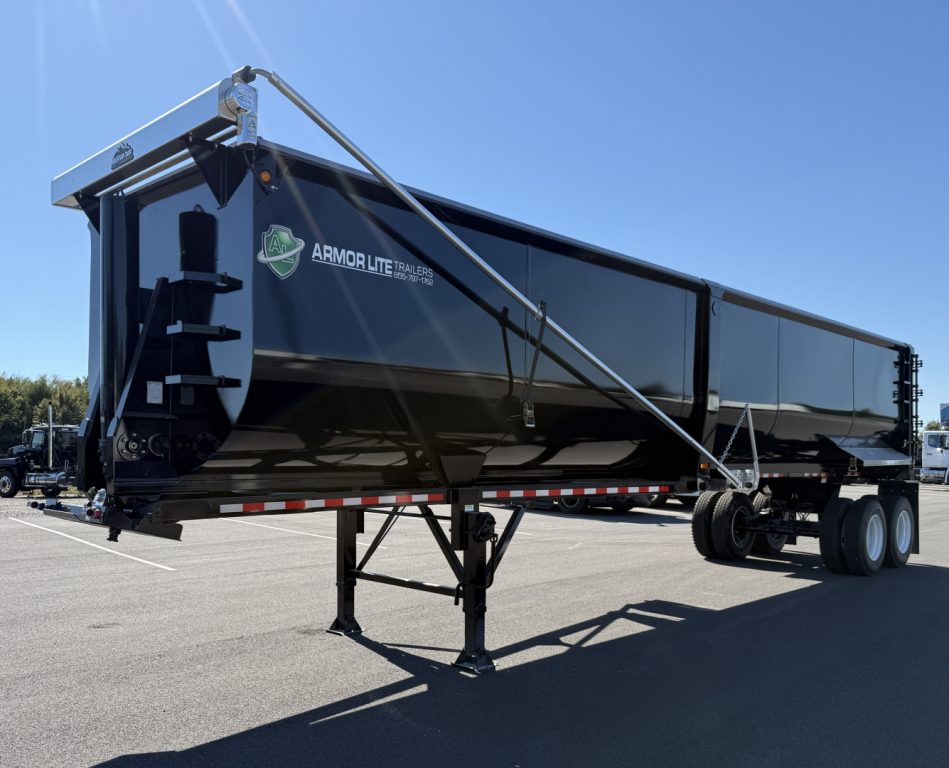
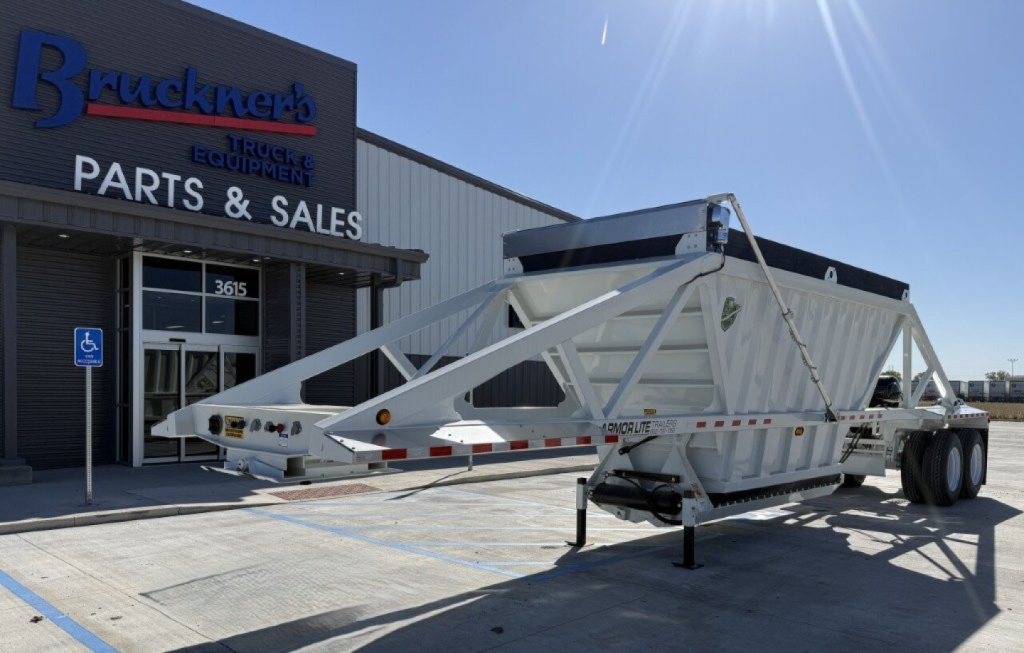
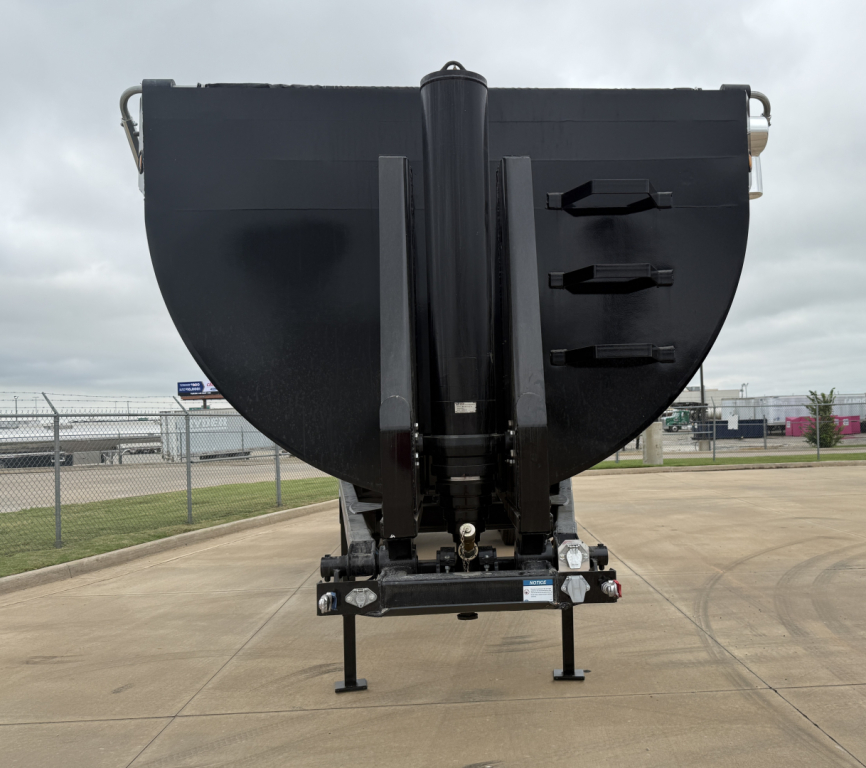
One of the first decisions is tub construction. Armor Lite dump trailers are often spec'd with Hardox or other high-strength, abrasion-resistant steel tubs, frequently in 1/4-inch floors and tubs for severe-duty use. That matters if the trailer will see shot rock, scrap, riprap, or demolition material that can shorten the life of lighter bodies. Frameless dump trailers can save weight and simplify the chassis, while a tub-and-frame or heavy-duty build may appeal to operations that prioritize structural rigidity and repeated off-road loading. Shape also matters. Elliptical and rounded tub designs improve cleanout and material flow, while self-shedding top rails help reduce carryback. Capacity can vary widely depending on body style, from shorter heavy-duty tubs for dense material to taller scrap bodies with much higher cubic yard volume.
Buyers should also pay close attention to suspension, hoist, and gate operation. Spring ride remains a familiar, serviceable option, while single point suspension is common on dump applications that need articulation and durability on uneven surfaces. Hoist design affects stability and dump angle, especially on frameless units handling sticky loads. Gate choice is another application-driven spec. High-lift gates are useful when unloading material that needs more clearance, while barn doors are common on scrap and demolition applications. Tarp systems are no longer a minor detail. Electric flip tarps and double-arm Flip and Go systems can improve load securement, speed, and driver convenience, especially for fleets working under strict road enforcement or hauling lighter material that can blow off in transit.
Wheel and tire spec, brake package, fenders, landing gear, and electrical setup all affect long-term usability. Many dump trailers in this class run 11R24.5 rubber on steel wheels, often paired with chip and chunk resistant tires for quarry and jobsite service. Aluminum bolt-on or diamond plate fenders help with serviceability and corrosion resistance. Features like 6-way front connections for gate controls, manual side-mounted dump functions, and LED lighting can make daily operation easier and downtime lower. For a buyer comparing new 2027 Armor Lite dump trailers for sale, the smartest approach is to match trailer weight, tub steel, side height, and gate style to the actual material stream, not just the advertised capacity. A trailer hauling aggregate every day needs a very different spec than one moving scrap or light demolition debris.
Frequently Asked Questions about New 2027 Armor Lite Dump Trailers in Oklahoma
What is the difference between a dump trailer built for aggregate and one built for scrap?
An aggregate dump trailer is usually spec'd for dense, abrasive material, so buyers often look for lower cubic yard capacity, heavier tub material, abrasion-resistant steel such as Hardox, and a gate and hoist setup designed for controlled unloading. A scrap dump trailer is typically built around volume rather than density, with taller sides, larger cubic yard capacity, and body dimensions meant to handle lighter but bulkier loads. The right choice depends on load density, loading method, and how much abuse the body will see.
Are frameless dump trailers a good choice for heavy-duty hauling?
Frameless dump trailers can be an excellent choice when payload is important and the operation wants a lighter trailer with fewer structural components underneath the tub. They are common in end dump and scrap applications, but they need to be matched to the job. For repeated off-road use, uneven dumping conditions, or severe impact loading, some buyers prefer a heavier-duty construction or a body-and-frame style trailer for added rigidity. The decision comes down to load type, site conditions, and maintenance philosophy.
Why does tub material matter on a dump trailer?
Tub material directly affects trailer life, empty weight, and resistance to denting, gouging, and abrasion. Hardox and similar high-strength steel products are widely used in dump applications because they help the body stand up to rock, scrap, and demolition debris better than mild steel. A heavier, abrasion-resistant tub may reduce payload slightly, but it can pay back in lower body repair costs and longer service life in severe-duty work.
What suspension is common on dump trailers, and how should a buyer choose?
Spring ride and single point suspension are both common on dump trailers. Spring ride is familiar, straightforward to service, and widely supported. Single point suspension is popular in dump service because it can handle uneven terrain well and is often favored for vocational applications. Buyers should choose based on operating terrain, maintenance support, load consistency, and the amount of off-road or jobsite travel the trailer will see.
Which dump trailer features matter most for Oklahoma operations?
For Oklahoma buyers, the most important features often include a durable tub for abrasive material, a tarp system that complies with road-use expectations, tires suited for mixed highway and jobsite travel, and a suspension that can handle rough access roads. Wind exposure also makes tarp quality important, especially on lighter material. Buyers hauling in quarries, oilfield support, road construction, or demolition work should also pay close attention to hoist stability, gate function, and side height so the trailer matches both material type and loading equipment.