
New 2027 CTS Dump Trailers For Sale
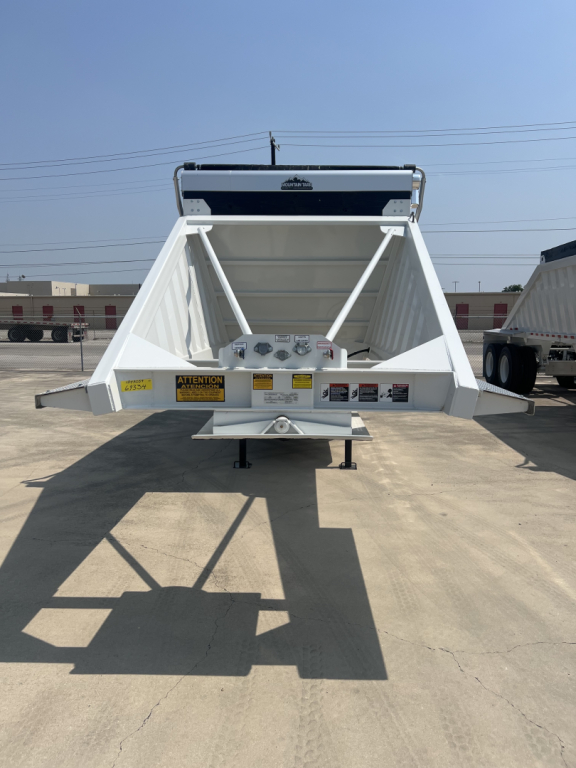
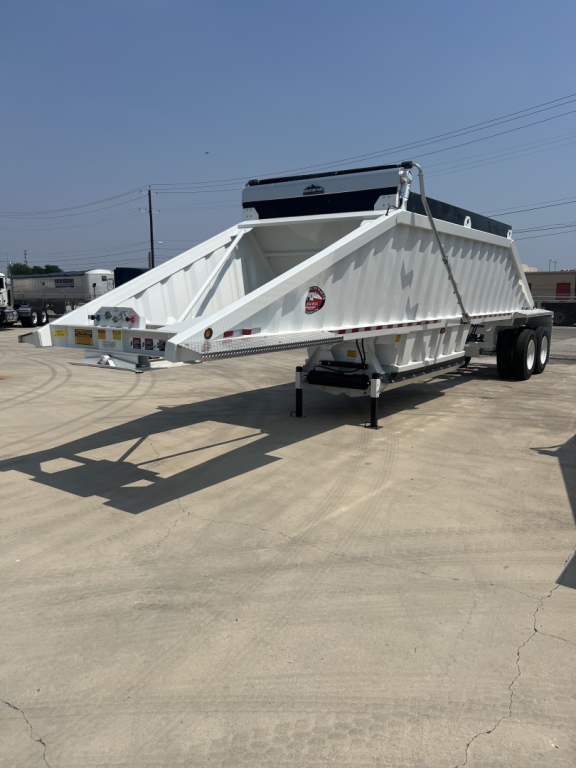
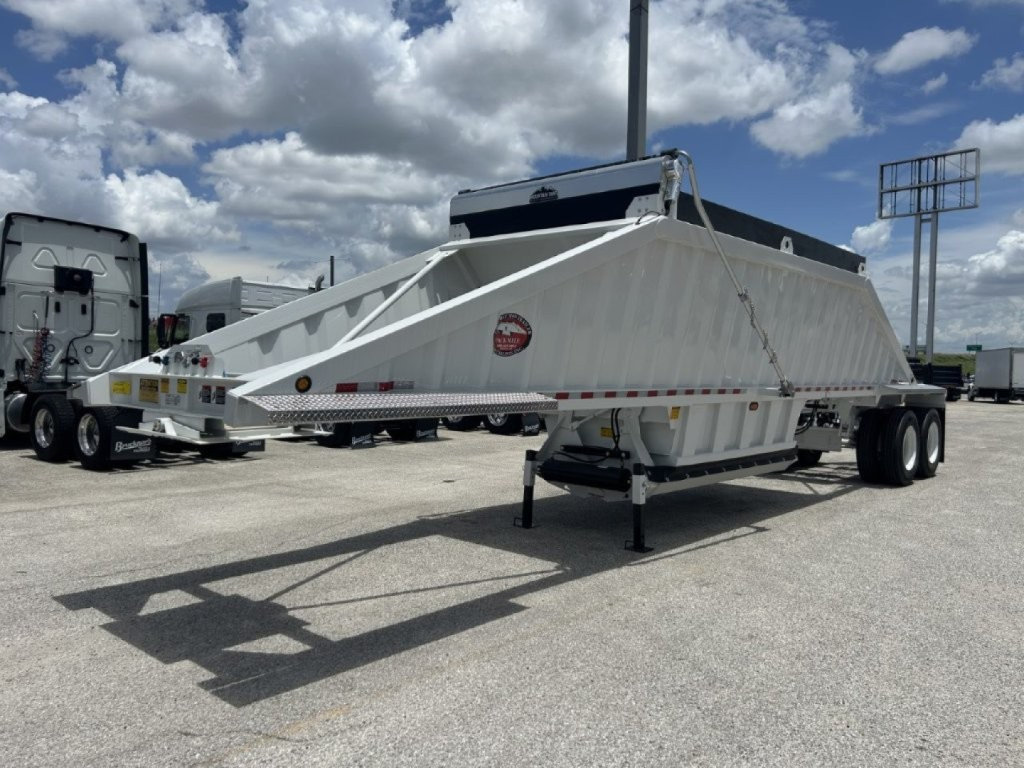
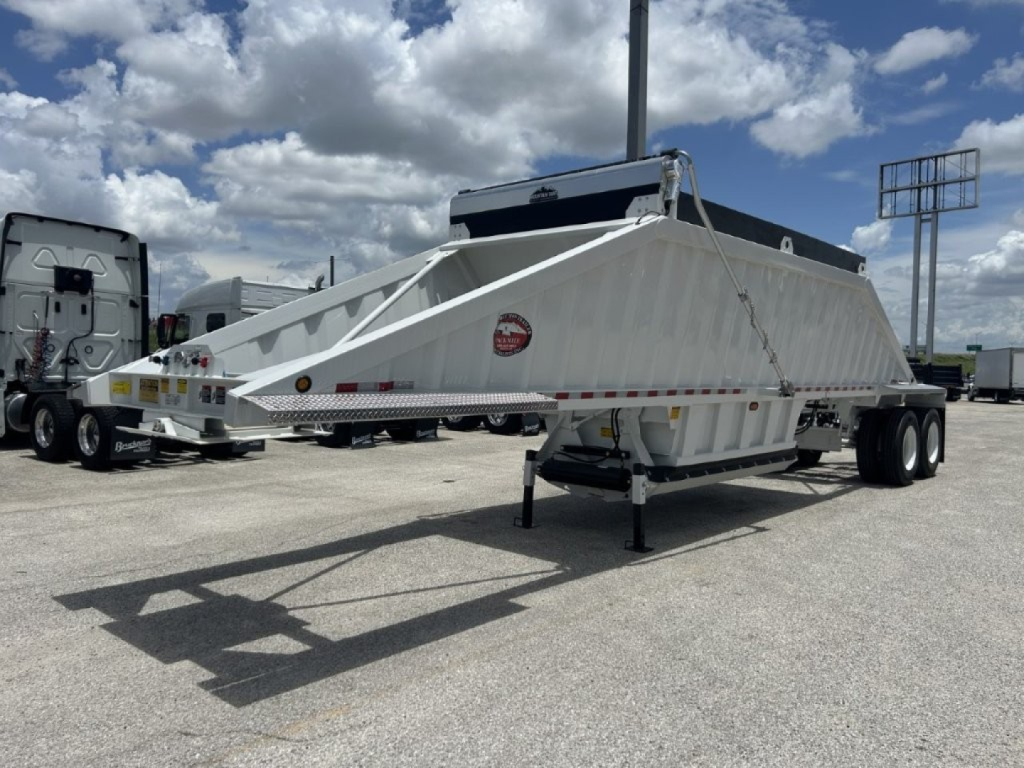
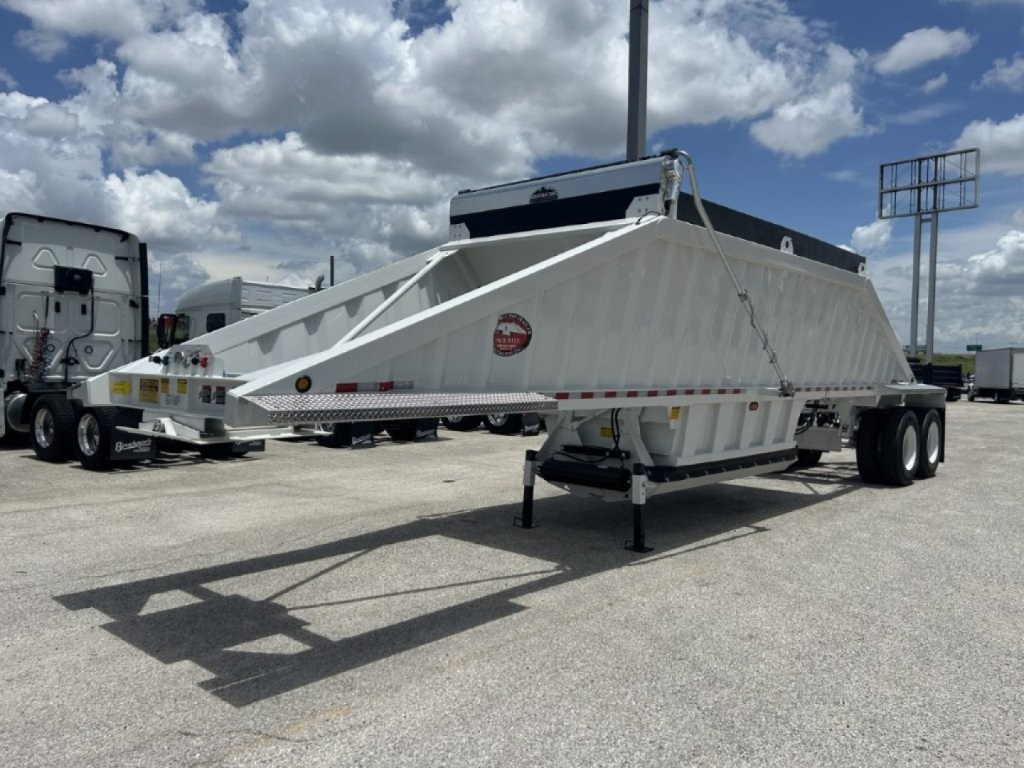
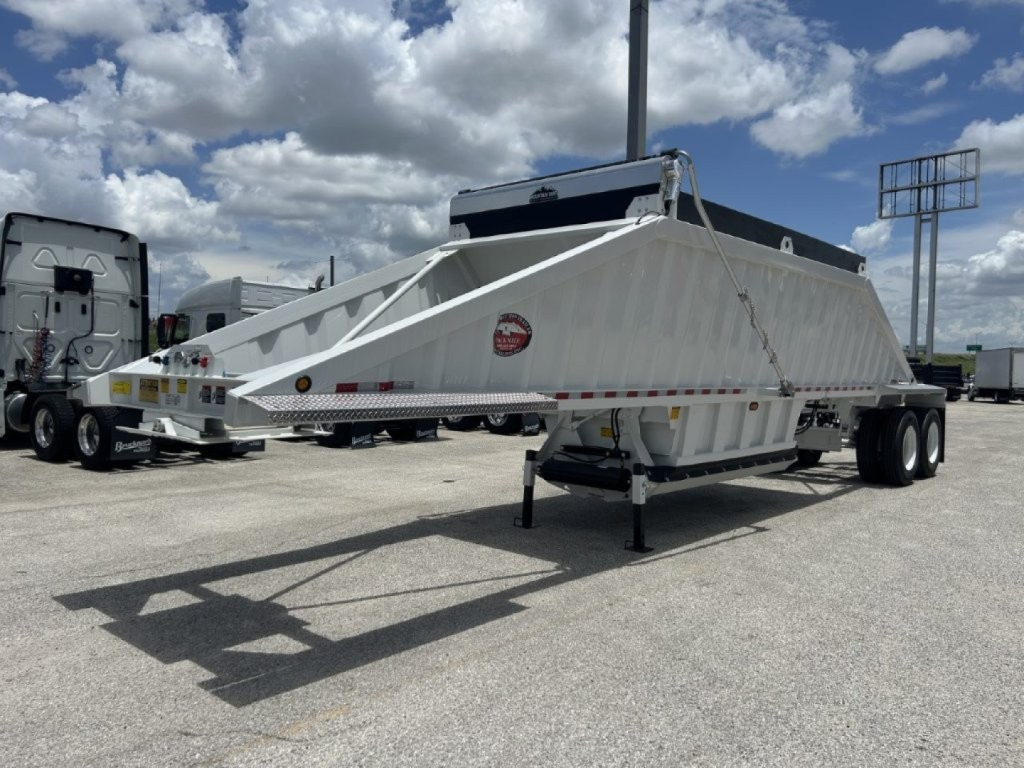
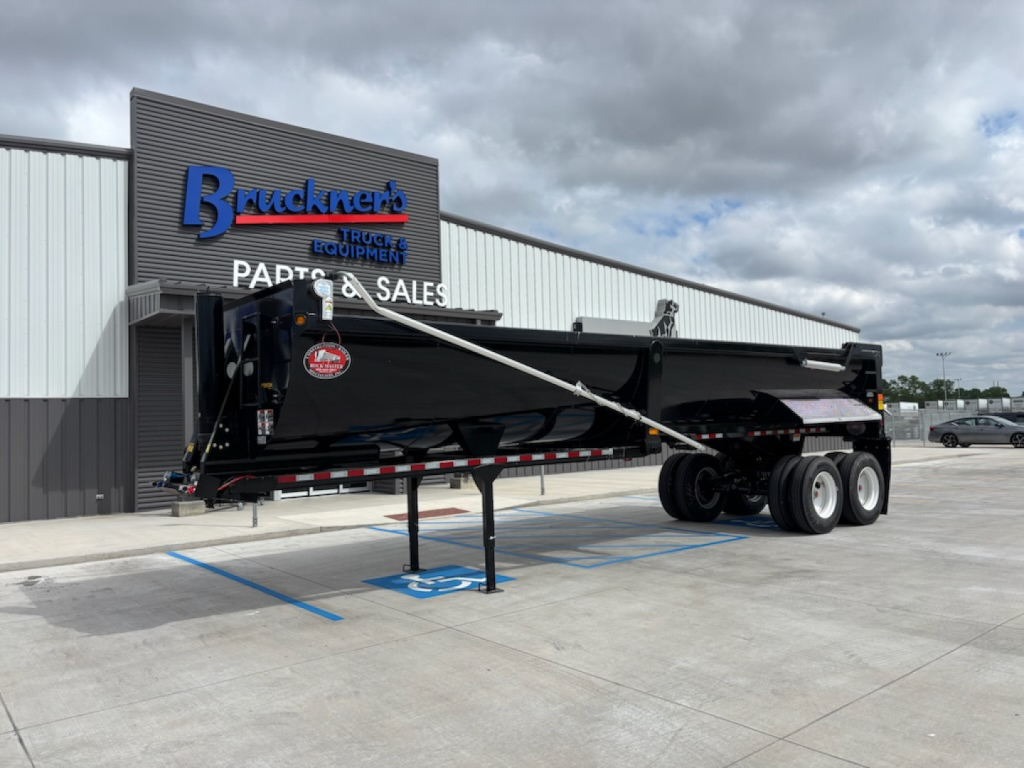
Shop new 2027 CTS dump trailers, including frameless half-round and tandem end dump models built for aggregate, asphalt, and demolition work.
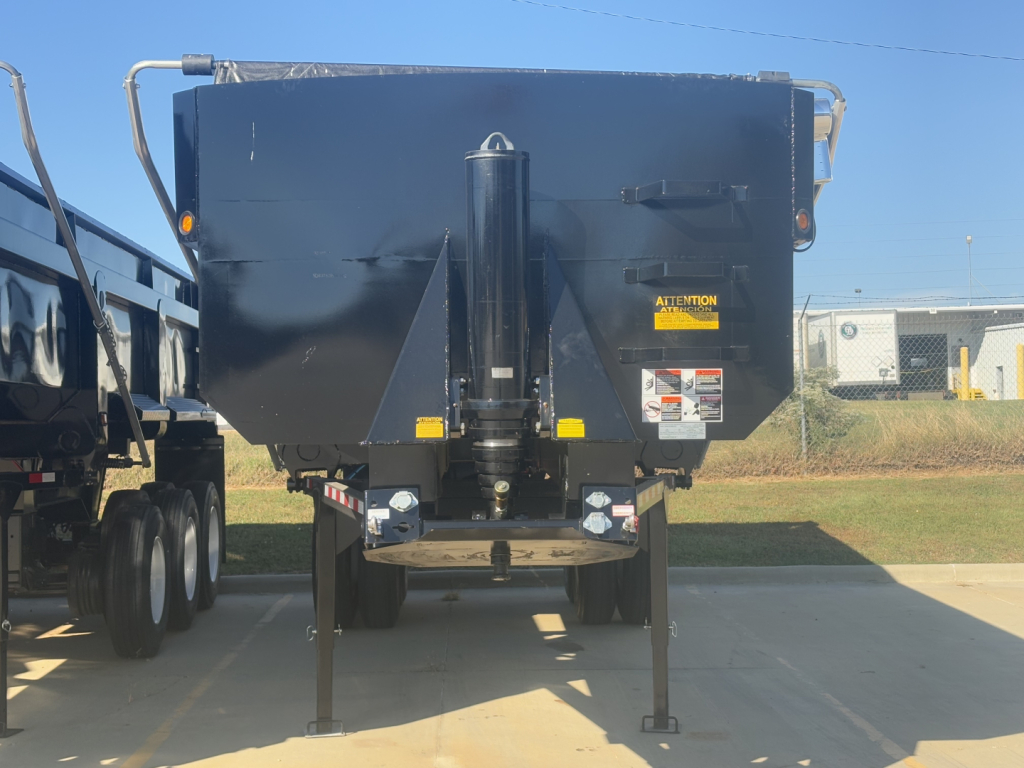
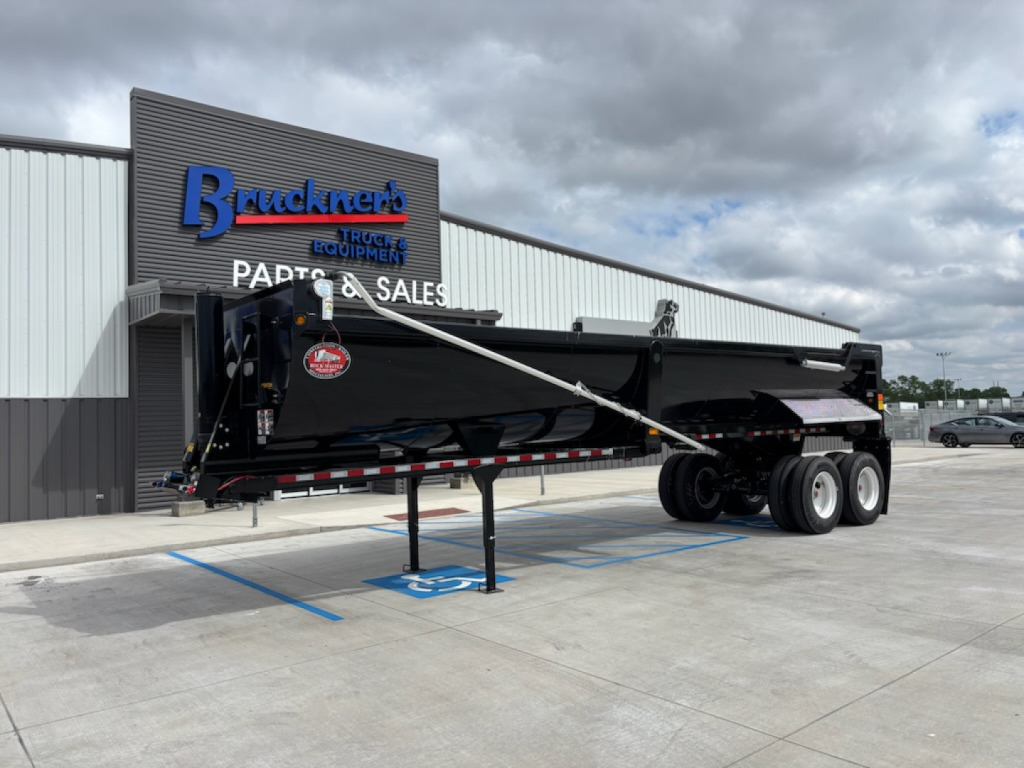
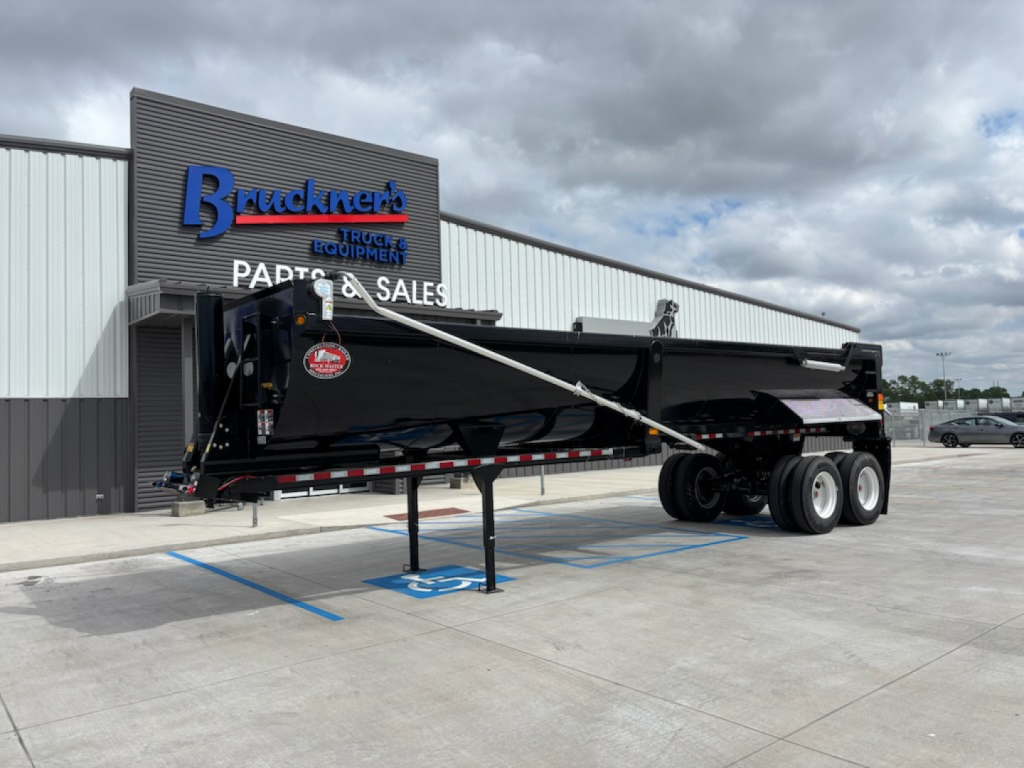
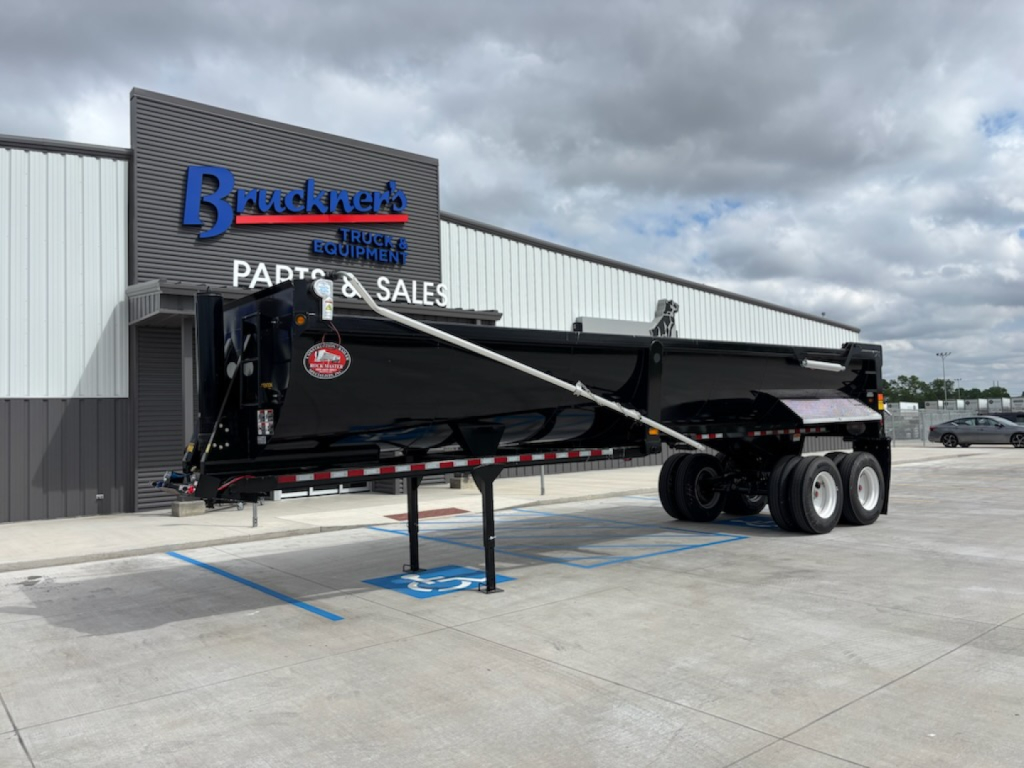
Selling a new 2027 cts dump trailer? List your new 2027 cts dump trailer for sale and reach thousands of commercial buyers.
New 2027 CTS Dump Trailers
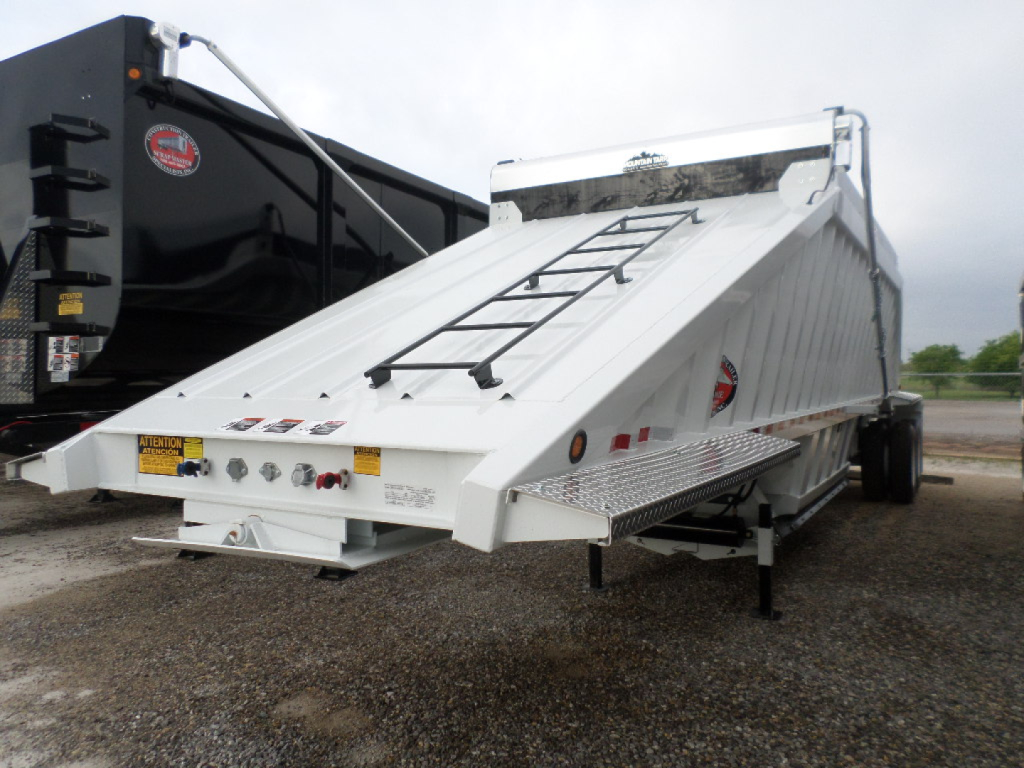
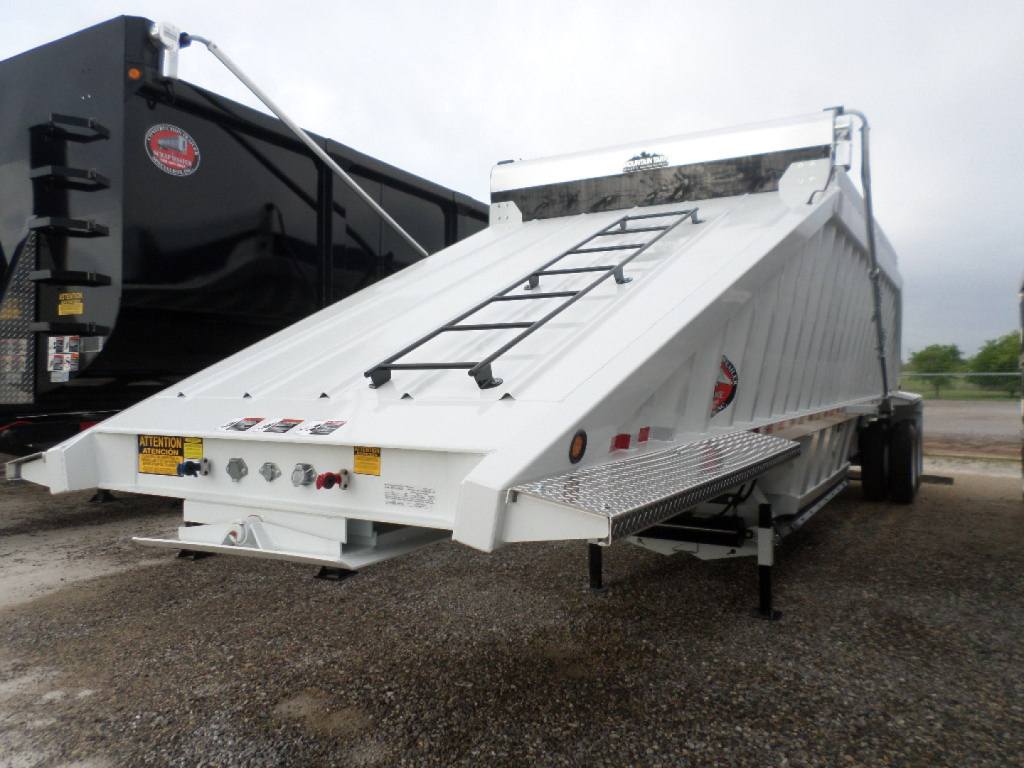
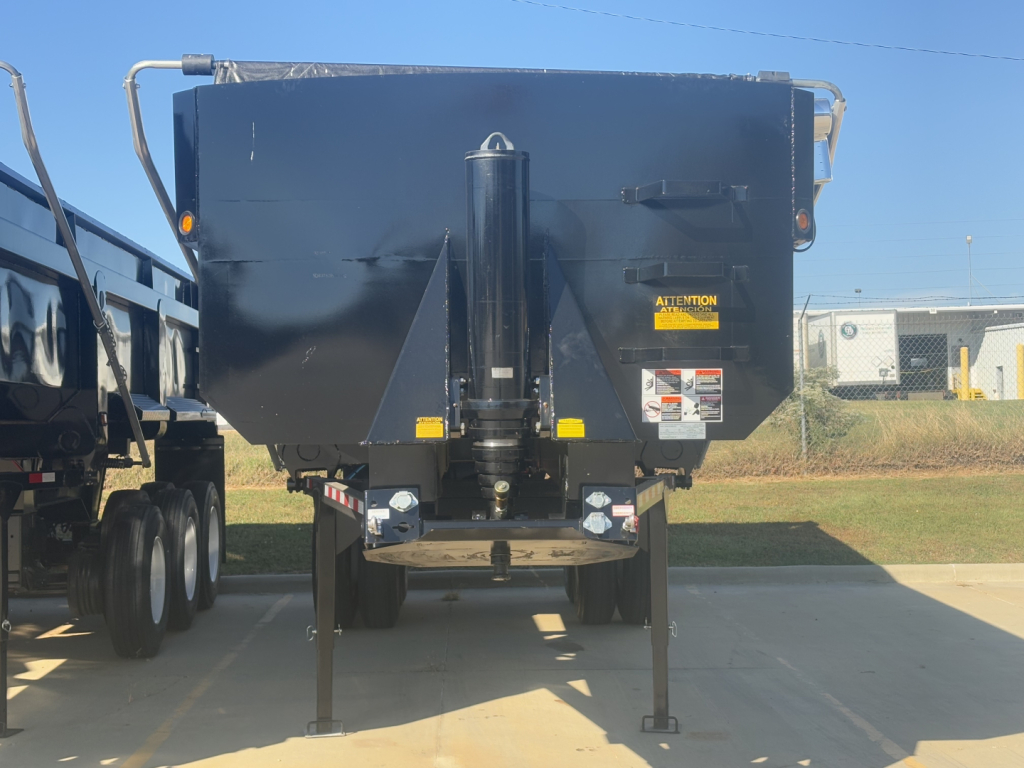
Common CTS dump trailer specs in this class include 32-foot and 40-foot lengths, tandem axle layouts, spring ride suspension, electric flip tarp systems, steel wheels, and aluminum diamond plate fenders. Capacity on a 40-foot tandem can land around the mid-20-yard range depending on side height, floor and wall construction, and local bridge formula limits. Listings in this category also show practical vocational details like high-lift rear gates, manual driver-side controls, quick-release valves, 60-gallon air tanks, extended push blocks, windrow deflectors, and 6-way wiring to the nose. Buyers hauling abrasive material should pay close attention to body material and thickness, especially Hardox or similar wear-resistant steel in the tub.
The body style changes how the trailer works day to day. Half-round tubs are known for easier unloading and fewer corners for material to hang up in, which helps with wet clay, millings, and broken concrete. Slope sheets on a 40-foot dump can improve load flow and reduce carryback, while a no-slope-sheet body may maximize usable interior shape for certain products. Ride type matters too. Spring ride remains common in heavy vocational service because it is simple, durable, and easier to maintain in punishing environments, though the tradeoff is a rougher ride than an air ride setup. Rear gate design, tarp speed, and access ladder placement are small details that make a real difference in turnaround time and driver safety.
A good buying decision starts with payload target, material type, and jobsite conditions. Match tub shape and liner thickness to the material, side height to legal payload and cubic needs, and gate style to how the load needs to discharge. Confirm axle rating, kingpin setting, hoist geometry, brake package, tire size, and overall tare weight before comparing price. On new CTS dump trailers, the right spec is usually the one that balances empty weight, wear life, and stable dumping performance rather than simply choosing the largest body.
Frequently Asked Questions about New 2027 CTS Dump Trailers
What is the difference between a frameless half-round dump trailer and a conventional end dump trailer?
A frameless half-round dump trailer uses a rounded tub and no full-length frame rails under the body, which usually reduces empty weight and helps material slide out cleanly. That makes it a strong choice for rock, demolition debris, asphalt millings, and other loads that can hang up in corners. A more conventional board-style end dump with straighter walls can offer a different balance of capacity, body shape, and application flexibility, especially when side height and cubic volume are the priority.
Are slope sheets important on a dump trailer?
Slope sheets help funnel material toward the gate and can reduce carryback, especially with wet or compacting loads. They are useful when consistent discharge matters and when operators want cleaner unloads with less manual cleanup. A trailer without slope sheets may still be the right spec for certain commodities or body designs, but buyers should think about how often they haul sticky material before deciding.
Why do many vocational dump trailers use spring ride suspension?
Spring ride is widely used because it is durable, simple, and proven in rough vocational service. It handles harsh jobsites well and is generally easier to maintain than more complex suspension systems. The tradeoff is ride quality, since spring ride can be rougher on the trailer and cargo than air ride, so the best choice depends on route conditions, material type, and maintenance priorities.
What body material should I look for in a dump trailer for abrasive loads?
For abrasive materials like crushed stone, riprap, concrete rubble, and demolition debris, wear-resistant steel is a key consideration. Bodies built with Hardox or similar high-strength abrasion-resistant steel can hold up better over time than lighter-duty material. Buyers should compare floor and wall thickness carefully, because thickness, steel grade, and body shape all affect service life, empty weight, and repair cost.
What specs matter most when comparing new dump trailers?
The most important specs are body style, length, side height, cubic capacity, tare weight, suspension type, axle ratings, gate design, and tarp system. Buyers should also verify kingpin setting, tire and wheel package, brake configuration, hoist design, wiring, and any work-focused features like push blocks, ladders, windrow deflectors, and air tank size. Those details determine payload, stability while dumping, ease of operation, and long-term durability more than paint or trim.