
New 2027 Stoughton Trailers For Sale
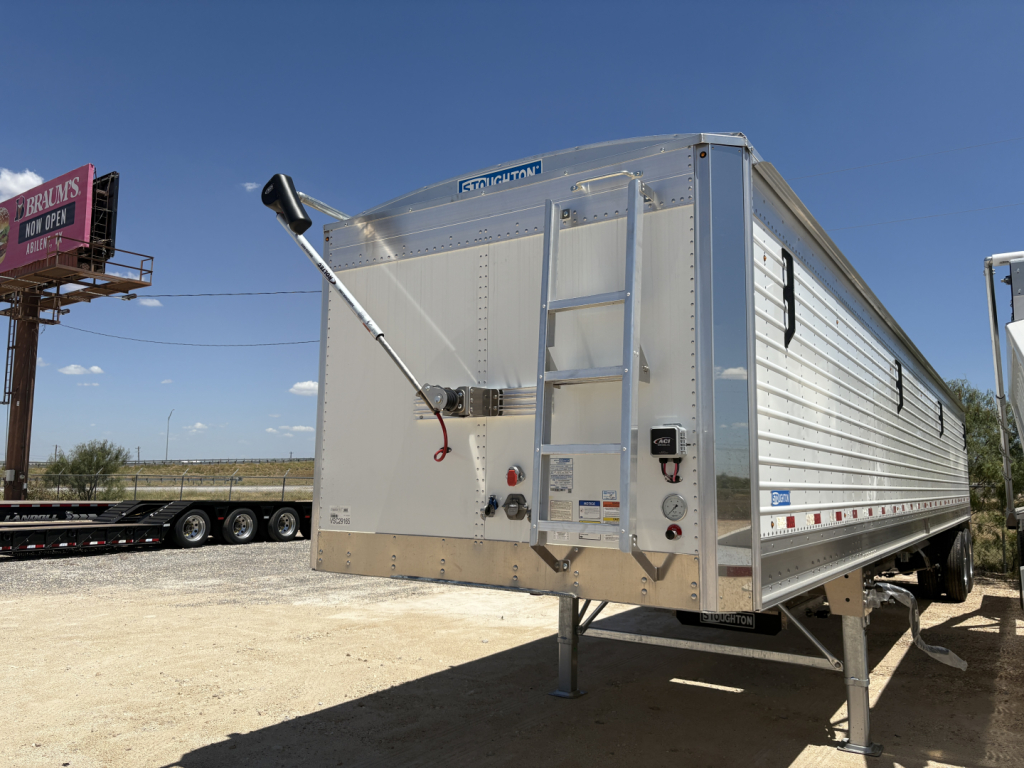
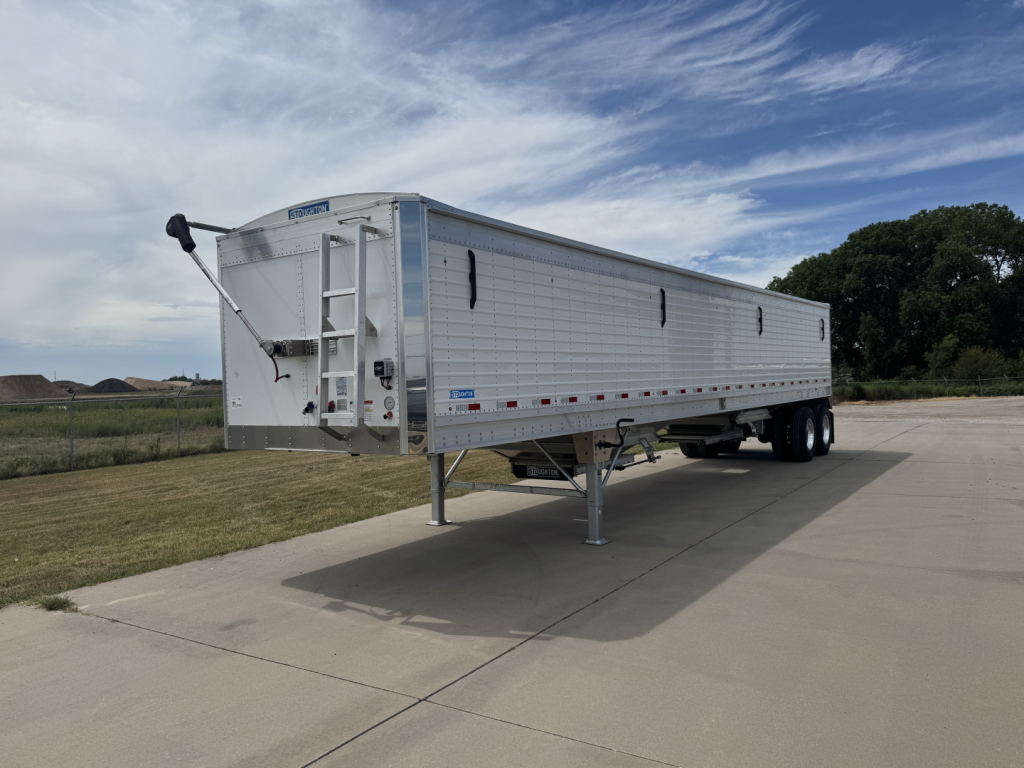
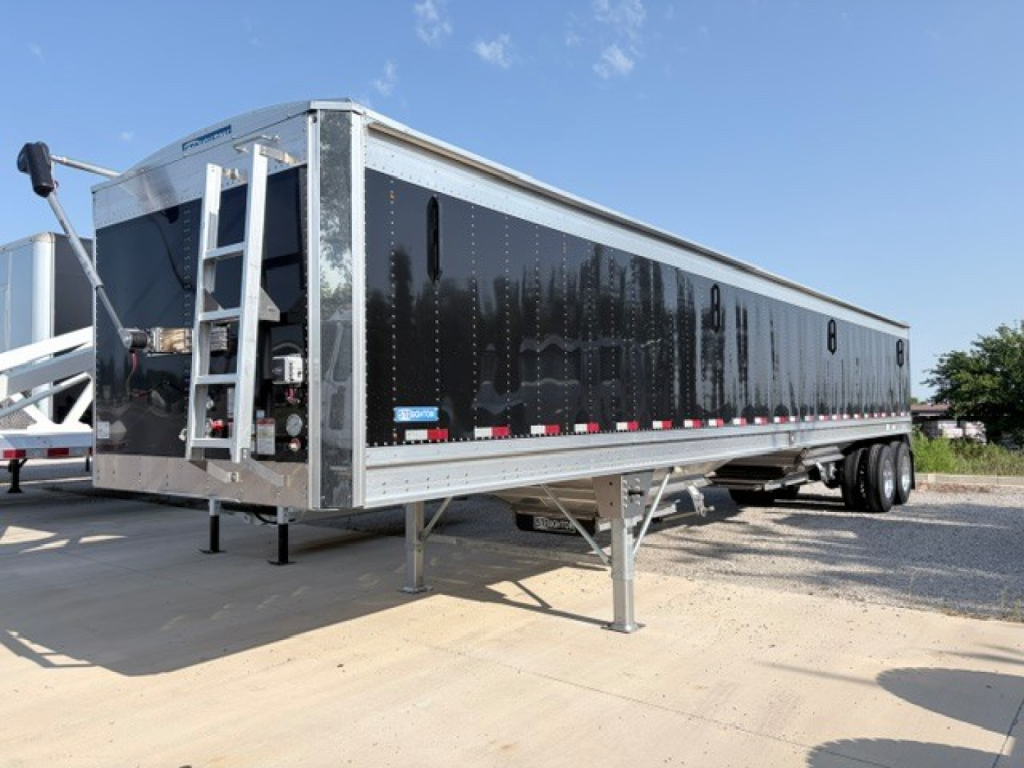
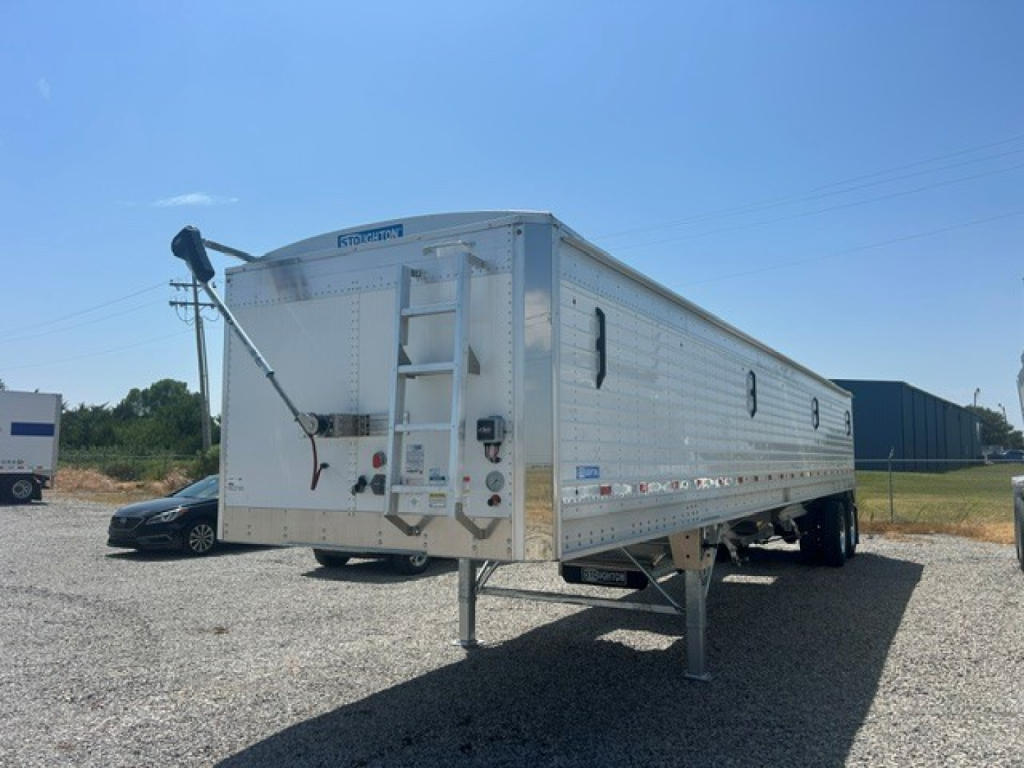
Shop new 2027 Stoughton trailers for sale, including grain hopper configurations with aluminum construction, ag specs, and bulk commodity hauling features.
Selling a new 2027 stoughton trailer? List your new 2027 stoughton trailer for sale and reach thousands of commercial buyers.
New 2027 Stoughton Trailers
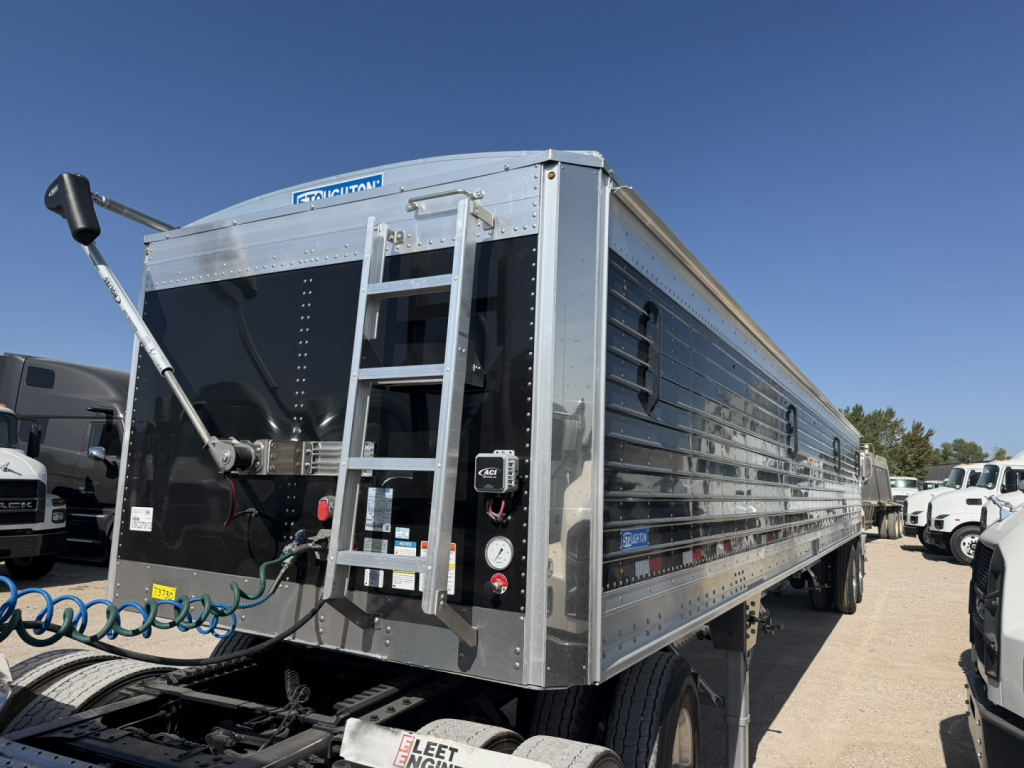
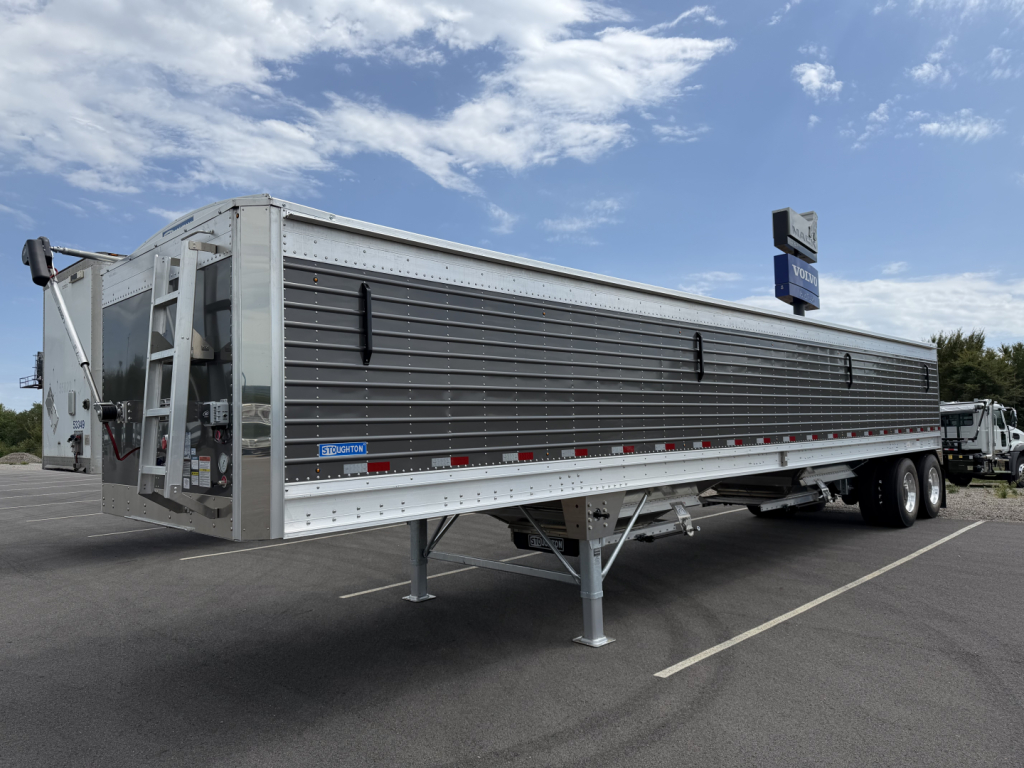
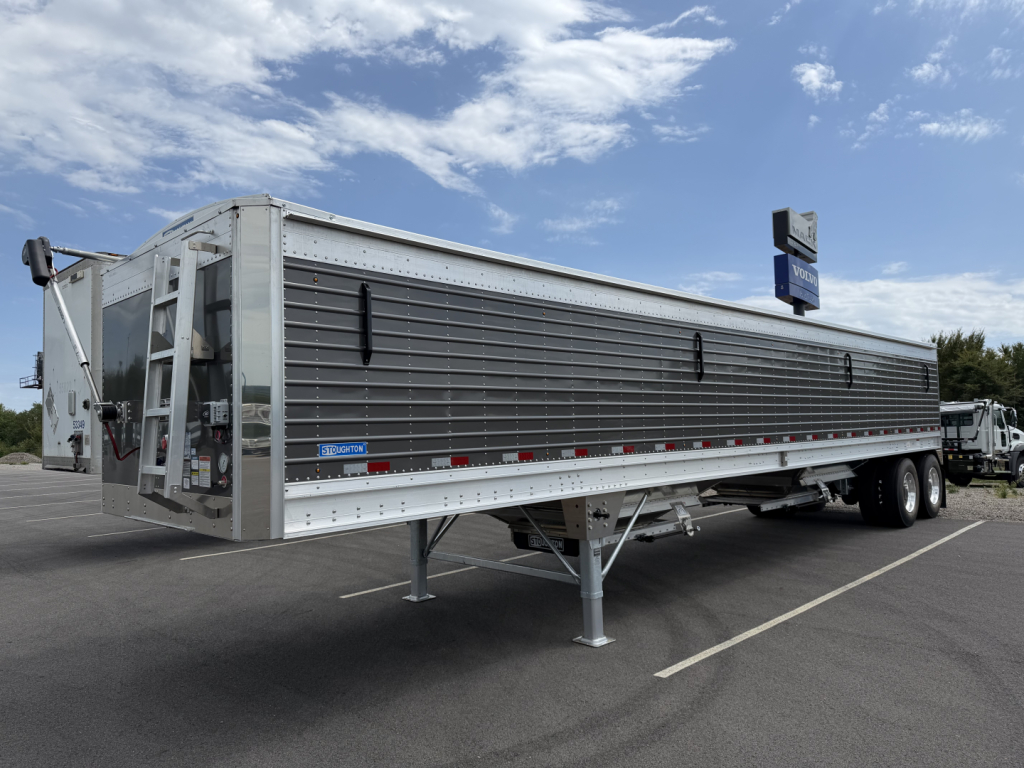
A typical Stoughton grain hopper spec in this group runs 40 to 43 feet long and 96 inches wide, with side heights around 68 to 80 inches. That usually puts capacity in the range of roughly 1,370 to 1,757 cubic feet, or about 1,100 to 1,400-plus bushels depending on commodity and trailer configuration. Common construction details include aluminum sidewalls and front panels, stainless rear wall sections or corner inserts, galvanized steel subframes, and tandem axles with air ride suspension. Many buyers like this mix because it balances low empty weight with the durability needed for farm-to-elevator work, seasonal heavy use, and exposure to moisture, fertilizer residue, and road chemicals.
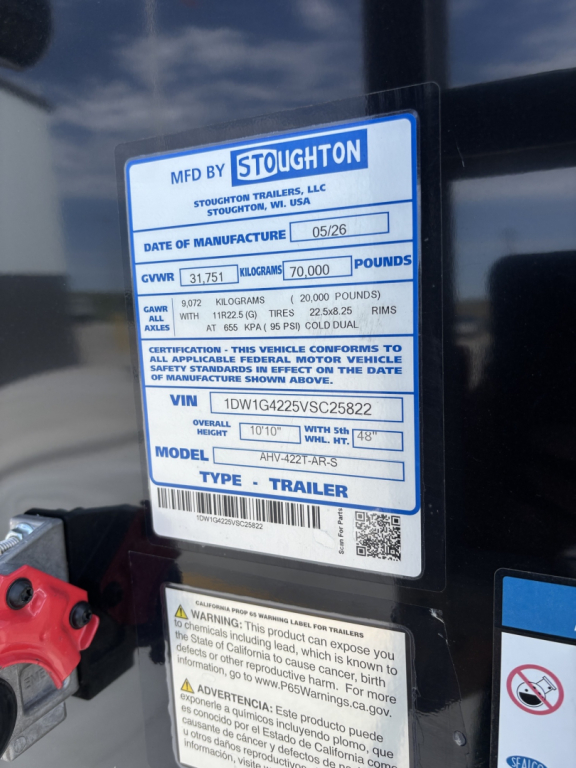
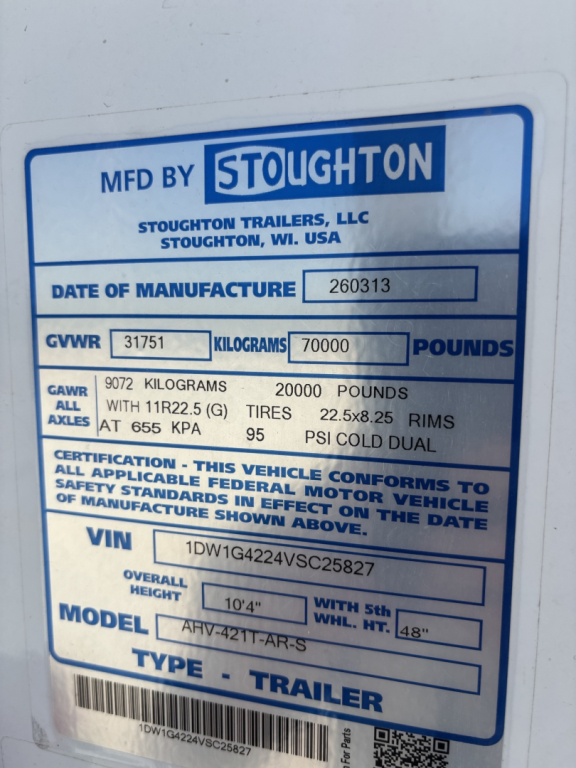
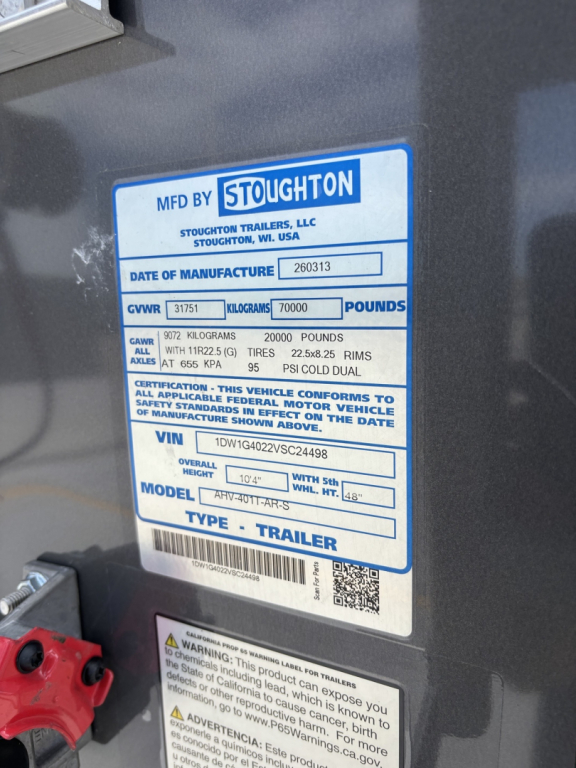
The spec decisions that deserve the closest attention are trapdoor size, tarp system, suspension, and kingpin setting. Two-stage manual trapdoors remain common because they are simple and dependable, but door opening dimensions still matter if you are unloading faster-flowing grain versus bulk feed or other commodities that bridge more easily. Electric tarp systems with remote operation are a strong convenience feature for high-cycle use and help speed up loading and unloading while improving safety. A 20-inch kingpin setting, 47 to 48 inch fifth wheel height, and tandem with a 49 inch spread are common on ag hoppers and should be matched to the tractor, bridge law requirements, and your preferred turning characteristics. Tire inflation systems, LED lighting packages, ladders, catwalk access, splash guards, and removable liners are also worth comparing because they affect uptime and day-to-day usability more than buyers sometimes expect.
For a buyer focused on long-term operating cost, the main advantage of a new 2027 Stoughton hopper trailer is getting current-spec components, clean aluminum structure, and a fresh brake, suspension, wheel, and tarp package with no unknown wear history. Drum brakes, 11R22.5 rubber, aluminum wheels, ABS, and air ride are common baseline specs in this class, but tare weight and body volume still vary enough to change the trailer's best use case. Lower-side units can be a better fit where overall height, loading access, or denser commodities are the priority. Taller-side trailers make more sense when maximizing bushel capacity is the goal. The right Stoughton trailer is the one that matches your commodity mix, legal weight targets, unload sites, and tractor geometry without giving up durability in the subframe, hopper, and rear discharge areas.
Frequently Asked Questions about New 2027 Stoughton Trailers
What are Stoughton grain hopper trailers typically used for?
Stoughton grain hopper trailers are primarily used for hauling bulk agricultural commodities such as corn, soybeans, wheat, milo, and feed products. They are designed for gravity discharge through hopper gates, which makes them efficient at grain elevators, feed mills, and farm loading sites. Aluminum construction also makes them a strong fit for operators who want to maximize payload while reducing corrosion concerns over time.
How do I choose the right side height and capacity on a hopper trailer?
Side height should be matched to the commodity you haul most often, not just the biggest capacity available. Taller sides increase cubic volume and bushel capacity, which helps with lighter commodities, but denser products can put you at gross weight before the trailer is full. Buyers should compare cubic feet, estimated bushel ratings, empty weight, and loaded height to make sure the trailer fits both legal weight limits and real-world loading conditions.
Why does kingpin setting matter on a grain hopper trailer?
Kingpin setting affects weight distribution between the tractor and trailer axles, as well as turning clearance and bridge compliance. A common 20-inch kingpin setting works well in many ag applications, but it still needs to be compatible with your tractor wheelbase, fifth wheel position, and state weight laws. If the kingpin setting is wrong for your operation, it can create avoidable axle balance issues or reduce maneuverability in tight farm and elevator environments.
Are manual trapdoors and electric tarps good choices for ag hopper work?
Yes, that combination is common because it balances simplicity with convenience. Manual trapdoors are proven, easy to service, and familiar to most drivers and mechanics. An electric tarp adds value by reducing climbing and speeding up load securement, especially for operations with multiple turns per day or drivers moving between different weather conditions and loading sites.
What should I inspect most closely when comparing new hopper trailer specs?
Focus on tare weight, cubic capacity, sidewall construction, subframe material, rear wall reinforcement, suspension type, brake package, gate opening size, and overall trailer height. Those are the specs that most directly affect payload, durability, unloading performance, and compatibility with your tractor and routes. It is also smart to compare practical details such as ladder placement, catwalk access, liner setup, lighting, splash guards, and tire inflation systems because those features influence safety, maintenance, and driver efficiency.