
New 2027 Dry Van Trailers For Sale
New 2027 dry van trailers for sale: compare floor ratings, wall construction, axle placement, warranty terms, and US or Canadian compliance before ordering.


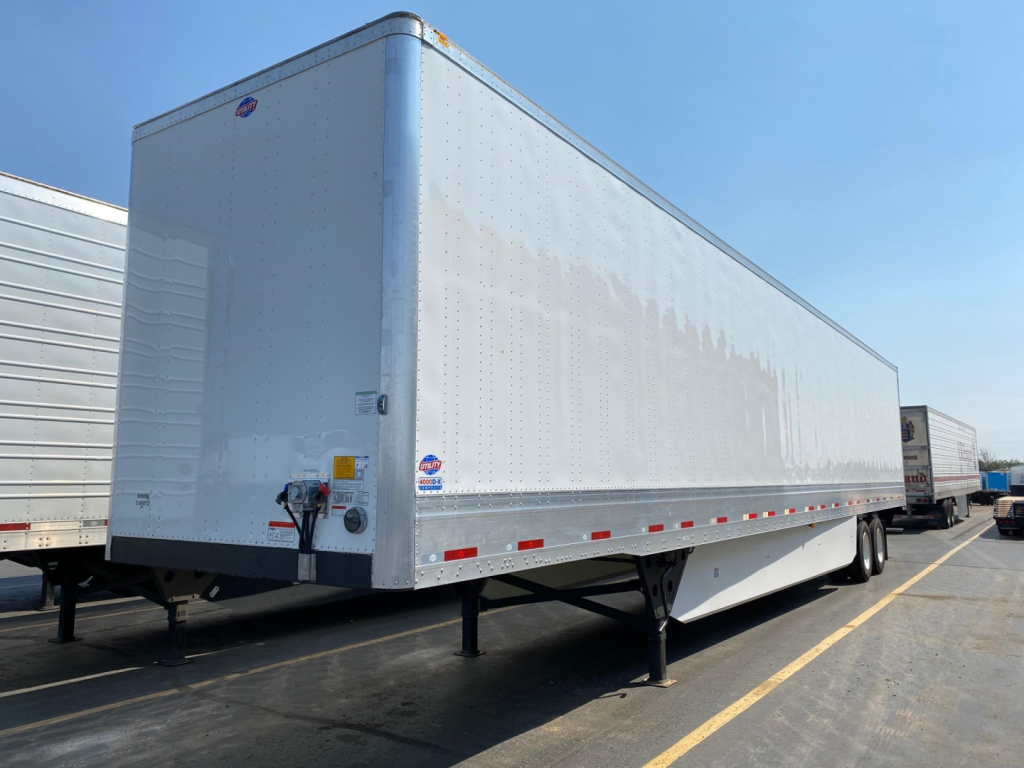
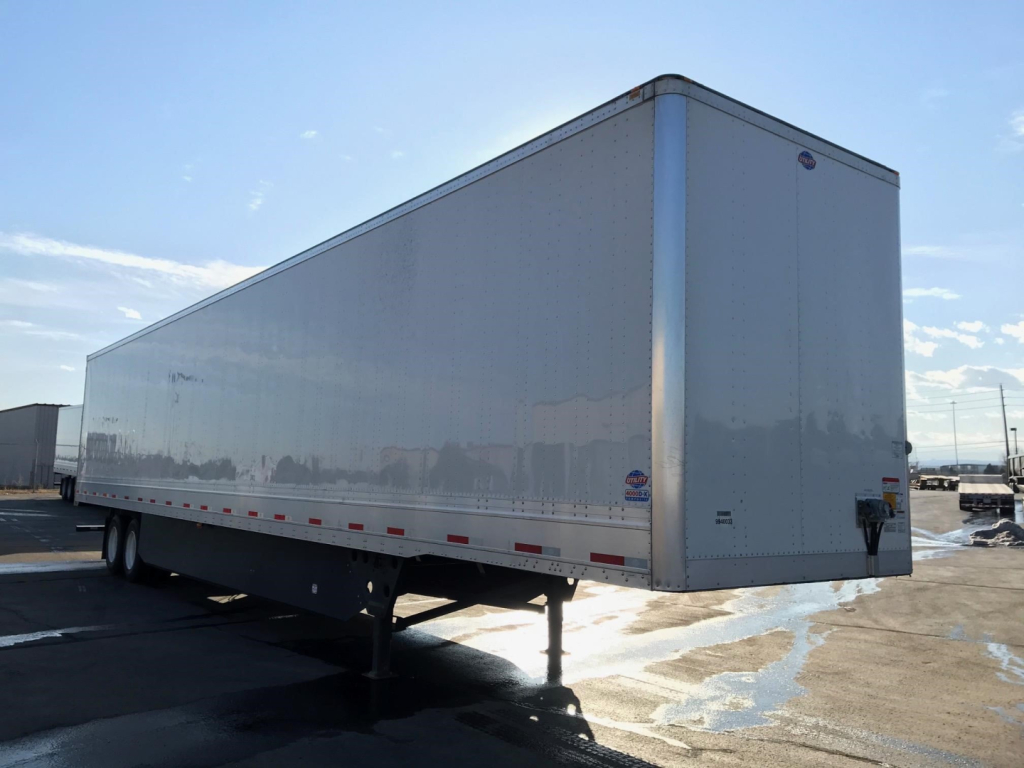
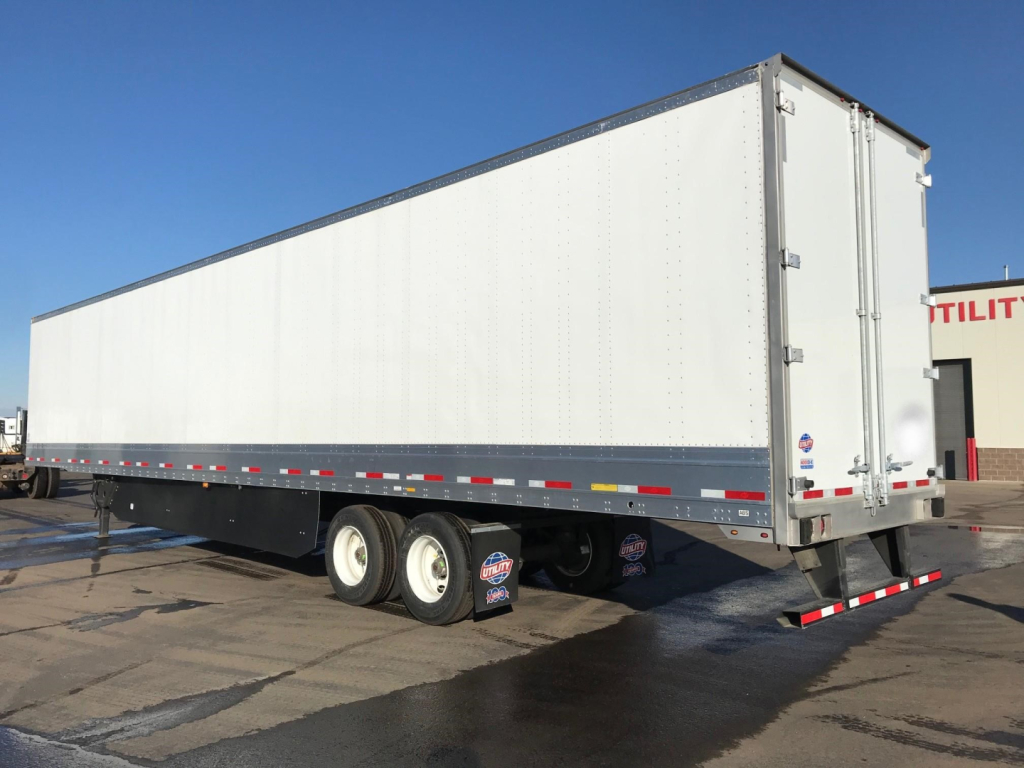
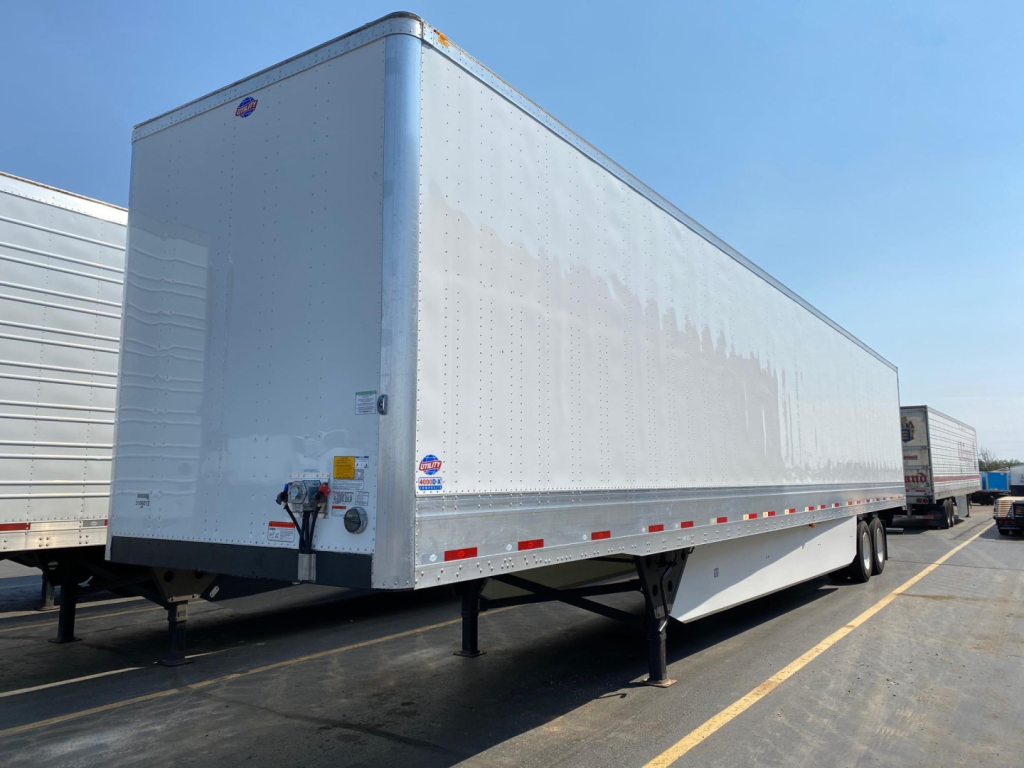

Showing 1 to 28 of 45 results
Selling a new 2027 dry van trailer? List your new 2027 dry van trailer for sale and reach thousands of commercial buyers.
New 2027 Dry Van Trailers
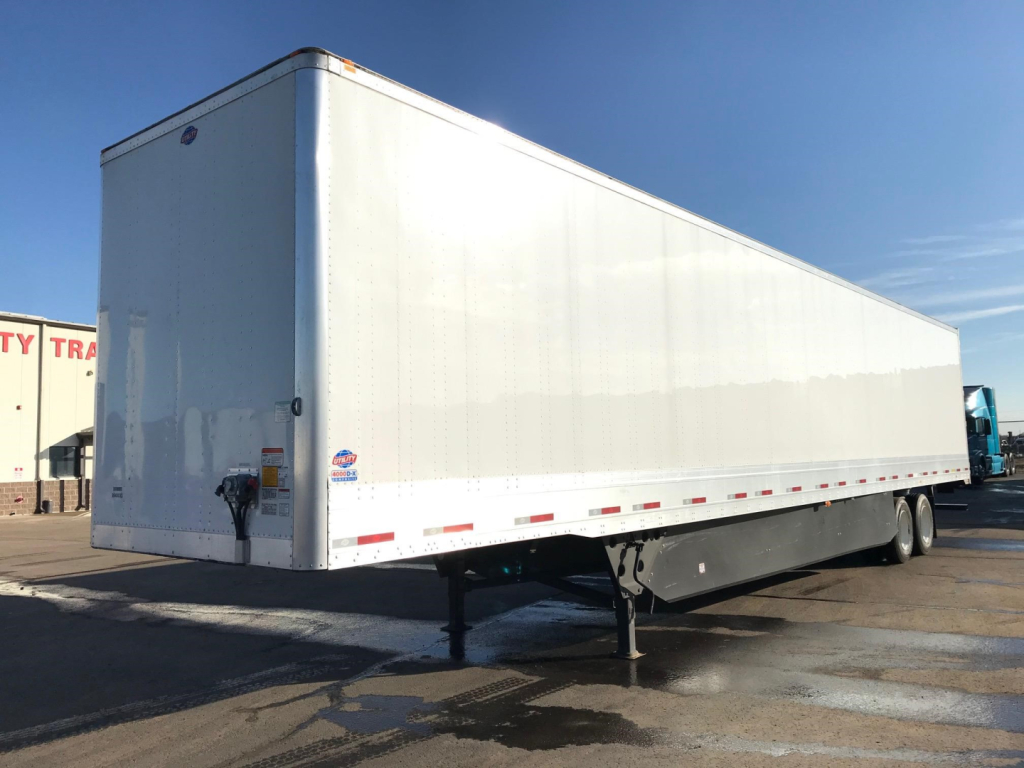
A 53-foot, 102-inch body is a common highway configuration, but shorter box trailers can better suit restricted docks and urban distribution. Compare established designs such as Utility's 4000D-X, Great Dane's Champion, and Wabash dry vans with DuraPlate panels by their actual build sheets. Wall construction, interior lining, and logistics-post spacing determine usable width, repair methods, and cargo-securement options. Specify floor capacity for the forklift and freight, not just the loaded trailer weight. Concentrated wheel loads and forklift axle weight matter at the threshold and between crossmembers. Scuff liners and a reinforced threshold help protect high-contact areas during repeated dock loading.
Sliding tandem axles provide flexibility for load distribution and route-specific axle positioning, while air-ride suspension helps limit road shock to sensitive cargo. Check suspension capacity, slider travel, locking-pin operation, and the relationship between axle position and landing gear. Low-profile 22.5-inch tires are common, but wheel choice, brake configuration, and automatic tire inflation deserve separate consideration. Swing doors typically provide a larger clear opening than roll-up doors; roll-up doors can suit frequent delivery stops where rear clearance is limited.
Cross-border service requires more than matching overall length. Confirm the trailer's certification for the destination country and check state or provincial axle-weight, axle-spacing, and route-access requirements against the intended tractor and load. Canadian winter service and salted US highways favor protected wiring connections, durable coatings, and corrosion-resistant hardware; repeated dock contact also makes rear-frame strength, replaceable bumpers, and rear impact guard repairability important ownership considerations.
New condition shifts the purchase decision toward written specifications, delivery inspection, and warranty responsibility. Verify roof sealing, door fit, floor condition, ABS operation, tire specifications, and installed options before acceptance, even on a factory-fresh trailer. Ask when warranty coverage begins and which claims belong to the trailer builder versus the axle, suspension, tire, or brake supplier. Account for the 12% US federal excise tax on qualifying new highway trailers at the first retail sale; Canadian purchases follow different tax rules. Put substitutions, warranty exclusions, and delivery-condition requirements in writing before finalizing a 2027 order.
Frequently Asked Questions about New 2027 Dry Van Trailers
How many standard pallets fit in a 53-foot dry van trailer?
A typical 53-foot dry van trailer can carry 26 standard 48-by-40-inch pallets in a straight, single-layer arrangement, with two pallets across and 13 rows lengthwise. Actual capacity depends on clear interior dimensions, pallet overhang, and space needed for securement. Pallet count does not establish legal payload: dense freight may reach axle or gross-weight limits before filling the floor.
Does a new 2027 dry van trailer have a 12% federal excise tax?
A qualifying new highway dry van trailer is generally subject to 12% US federal excise tax at the first retail sale. Trailers with a gross vehicle weight rating of 26,000 pounds or less are excluded under the federal weight exemption. Confirm the tax treatment and taxable equipment with the seller before signing. The US federal excise tax is not a Canadian sales tax, and cross-border transactions require separate review.
Is automatic tire inflation the same as tire pressure monitoring on a new dry van?
Automatic tire inflation supplies air to trailer tires, while a tire pressure monitoring system reports pressure without necessarily correcting it. Some inflation systems also relieve excess pressure, but that feature must be specified. On a new dry van trailer, confirm which tires the system serves, how faults are indicated, and whether pressure data reaches the cab or a telematics platform. Neither system replaces tire inspections.
What axle setting does a 53-foot dry van need for California?
A 53-foot dry van semitrailer with two or more rear axles must meet California's 40-foot maximum kingpin-to-rearmost-axle distance for operation under the state's longer-semitrailer provisions. Confirm that the slider can achieve that measurement while keeping loaded axle weights legal. Route access restrictions still apply, so a compliant axle setting does not authorize every local road. Specify slider range before ordering a trailer intended for California service.