
New 2027 Utility Dry Van Trailers For Sale
Compare new 2027 Utility dry van trailers for sale by floor rating, wall construction, axle placement, and warranty coverage for U.S. and Canadian routes.
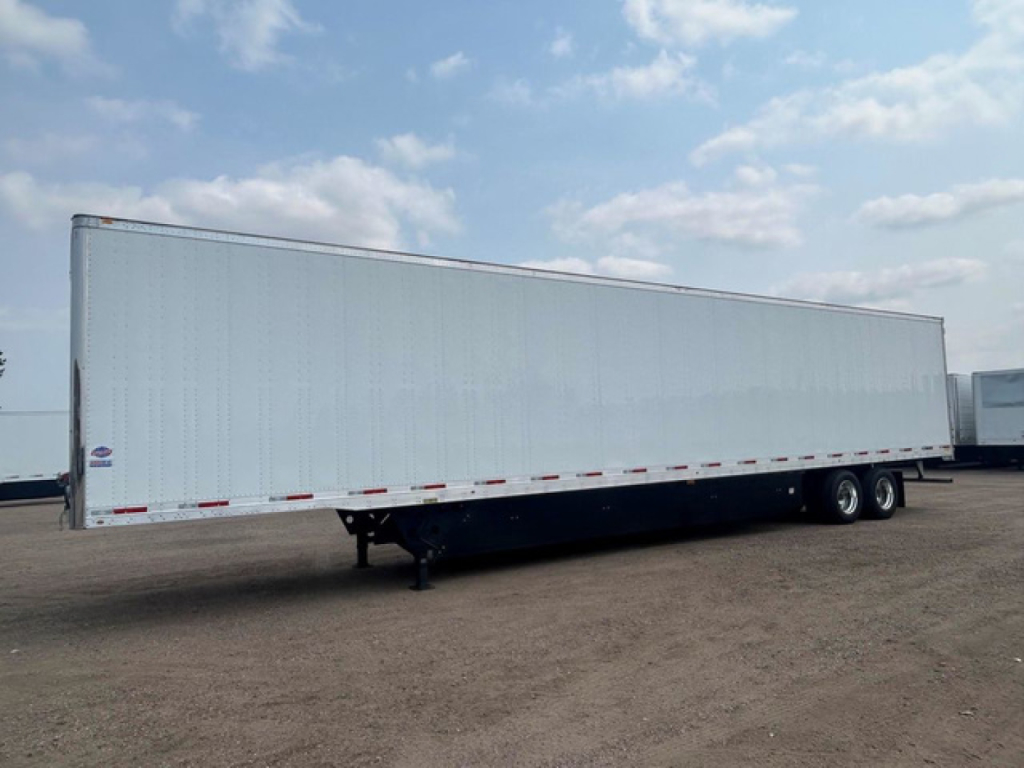
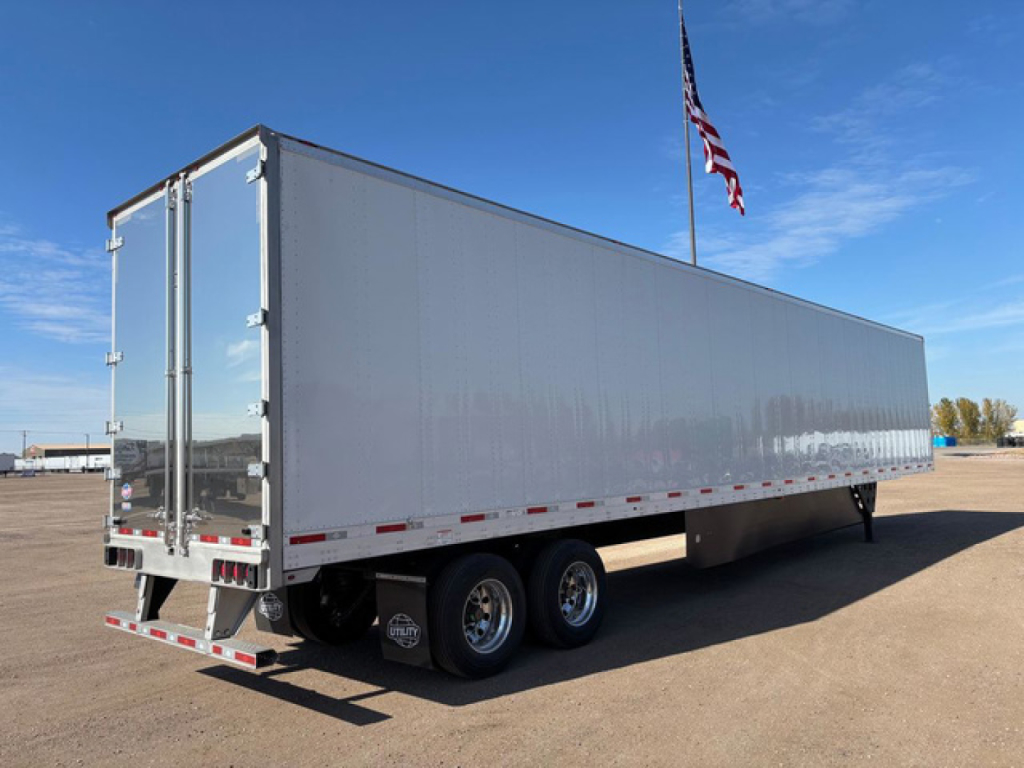
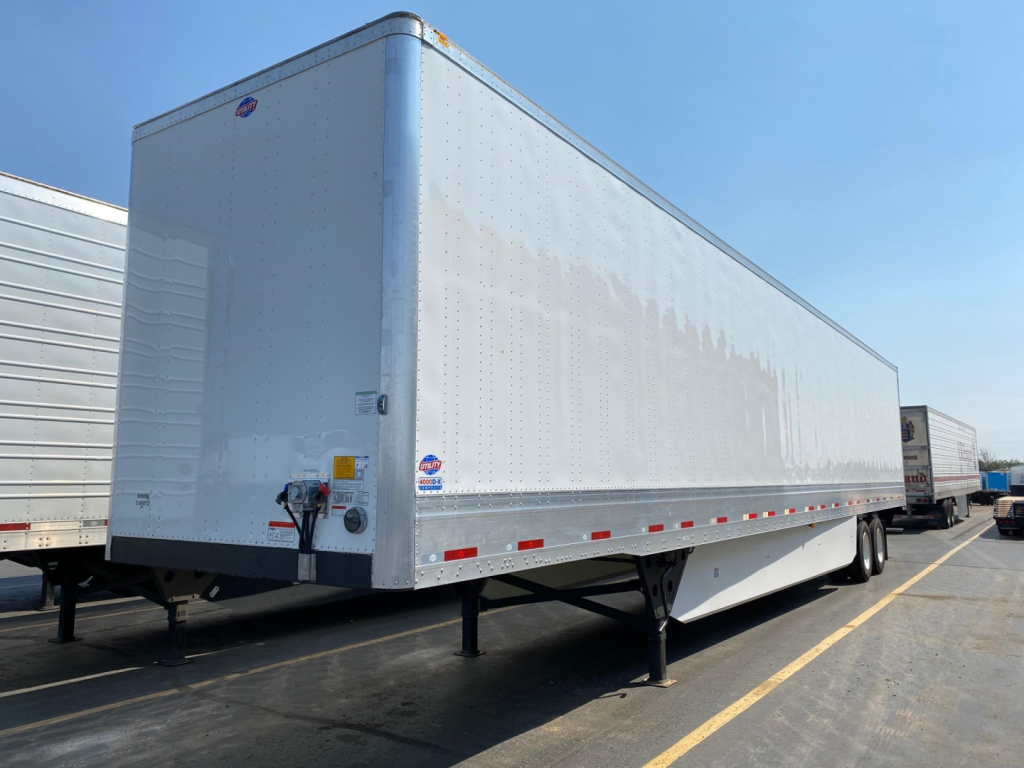
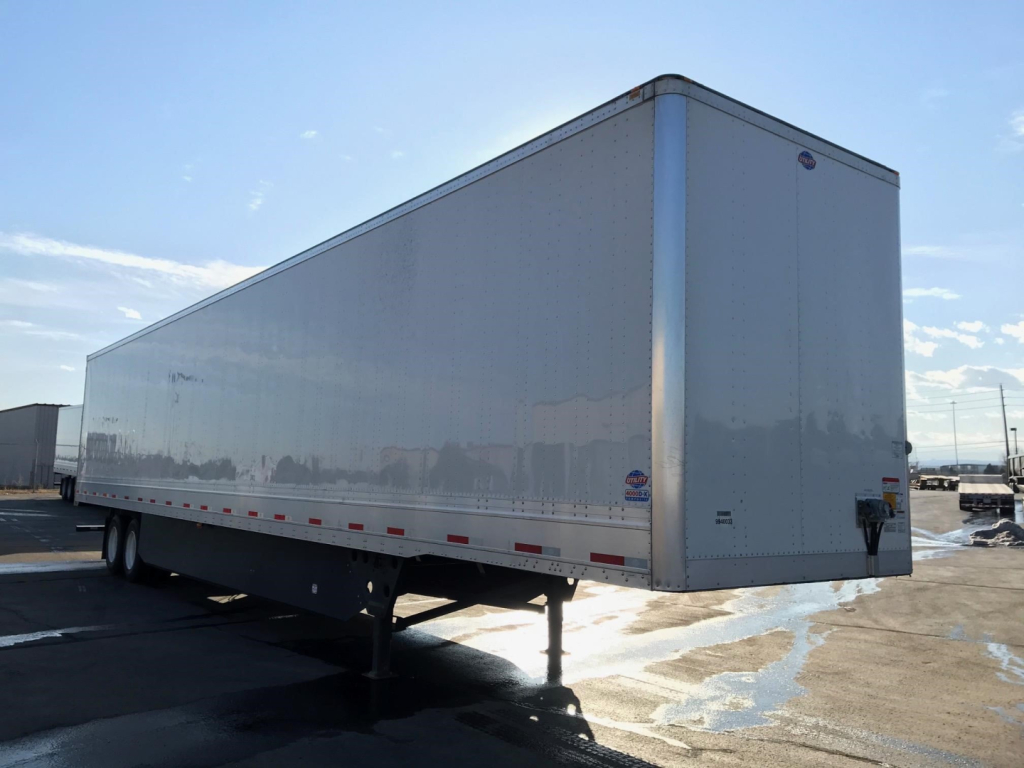
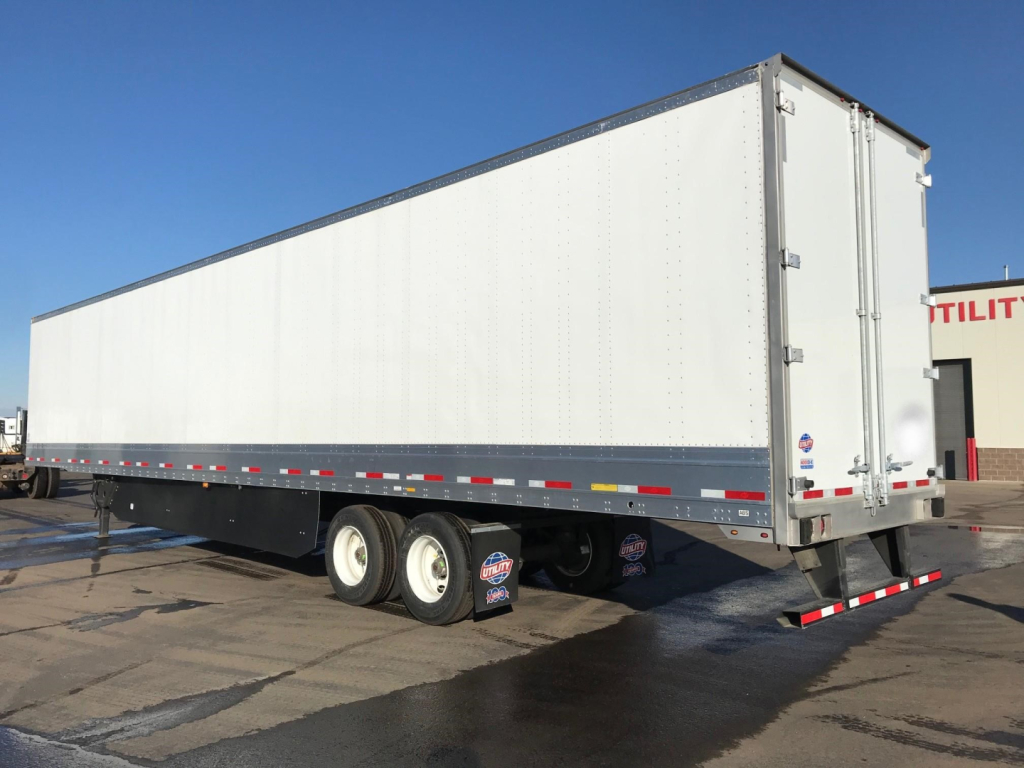
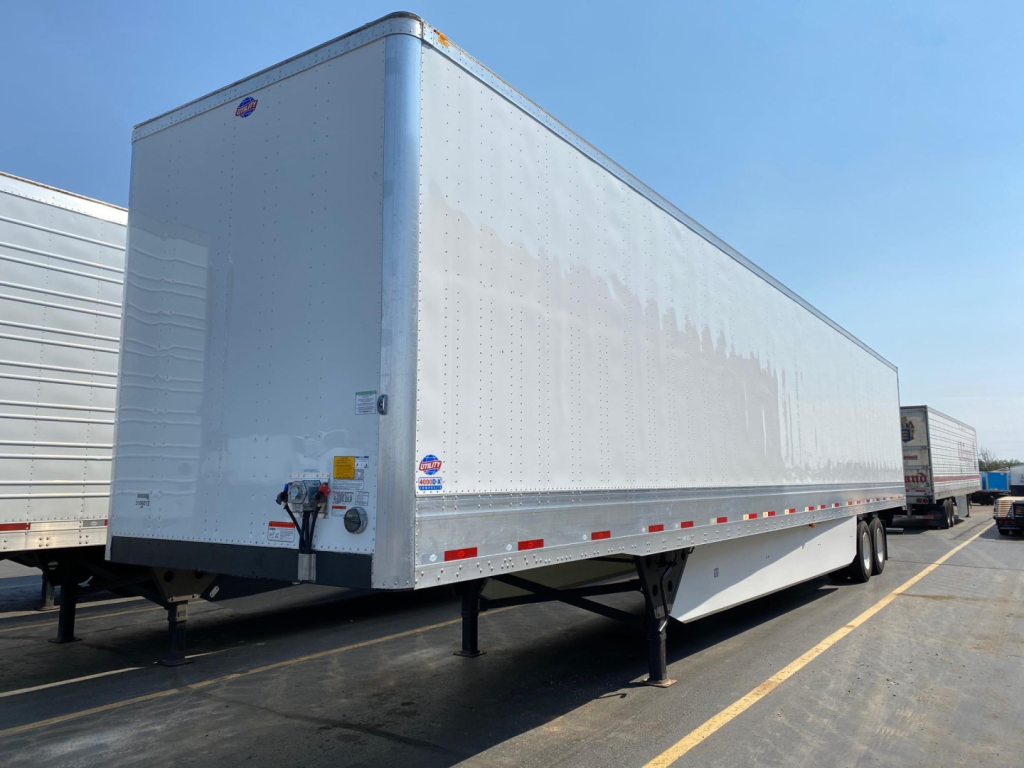
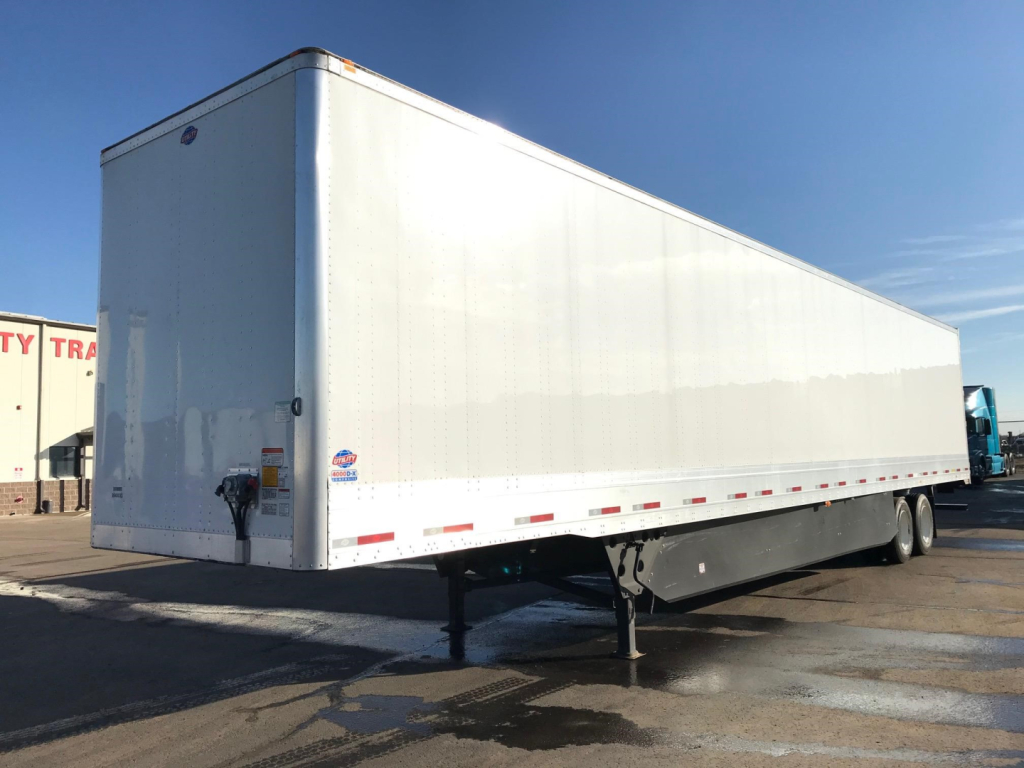
Selling a new 2027 utility dry van trailer? List your new 2027 utility dry van trailer for sale and reach thousands of commercial buyers.
New 2027 Utility Dry Van Trailers
On a 53-foot box trailer, a sliding tandem lets the operator adjust axle loading, while air-ride suspension provides a consistent ride height when correctly maintained. Match floor and crossmember ratings to the loaded forklift and concentrated cargo loads, not just total payload. Confirm clear width between scuff liners, door-opening height, dock height, and trailer tare weight. Aluminum versus steel wheels changes tare weight and maintenance considerations, but wheel material does not increase the legal gross weight of the combination.
Interstate and cross-border work makes axle placement as important as cargo space. U.S. bridge-formula limits, state kingpin-to-axle restrictions, and Canadian provincial axle rules can constrain where the tandem runs. For northern routes, review corrosion protection on the undercarriage, landing gear, brake hardware, and electrical connections exposed to road salt. Roof seams and door seals deserve particular attention for freight that cannot tolerate water intrusion; an aluminum roof is not a substitute for a leak inspection.
A new 2027 model still needs a documented delivery inspection: cycle the slider, verify brake operation, check wheel-end lubricant levels, and inspect floor fasteners, roof seams, and door alignment. The model year alone does not establish the production date or installed component package. Get written warranty terms for the trailer structure and separately warranted axles, suspension, brakes, and tires, including coverage start dates and service requirements. Budget for the 12% U.S. federal excise tax where applicable to a qualifying new heavy trailer; Canadian purchases follow different tax rules.
Frequently Asked Questions about New 2027 Utility Dry Van Trailers
Should I order swing doors or a roll-up door on a new Utility dry van?
Swing doors are usually the better choice for maximum rear opening and full-width pallet loading on a Utility dry van. Roll-up doors can simplify frequent dock stops because the driver does not need clearance to swing doors beside the trailer, but the header and door tracks reduce usable opening dimensions. Confirm dock procedures, overhead clearance, and the actual finished opening before specifying either arrangement.
What tandem setting does a 53-foot Utility dry van need for California?
A 53-foot Utility dry van with tandem axles operating in California generally must keep the kingpin-to-rearmost-axle distance at 40 feet or less. Measure to the center of the rearmost axle rather than relying on a slider-hole count. A compliant tandem position must also satisfy axle-weight limits, and route restrictions can limit access away from designated highways.
Is automatic tire inflation worth specifying on a new Utility dry van?
Automatic tire inflation is particularly useful on Utility dry vans that spend long periods in drop-and-hook service, where drivers frequently change trailers. An inflation system can replenish air lost through small leaks, while a tire-pressure monitoring system primarily reports pressure conditions. Neither replaces tire inspections, and buyers should confirm warning-light operation, service procedures, and compatibility with the specified wheel ends.
Does a 2027 Utility dry van need DEF or a diesel particulate filter?
No. A nonpowered 2027 Utility dry van has no propulsion engine and does not use diesel exhaust fluid, a diesel particulate filter, or selective catalytic reduction. The tractor's engine model year and emissions equipment remain separate compliance matters. Trailer-specific lighting, braking, rear-impact protection, and any applicable aerodynamic requirements still need to be checked for the intended operating jurisdiction.