
New Dry Van Trailers For Sale
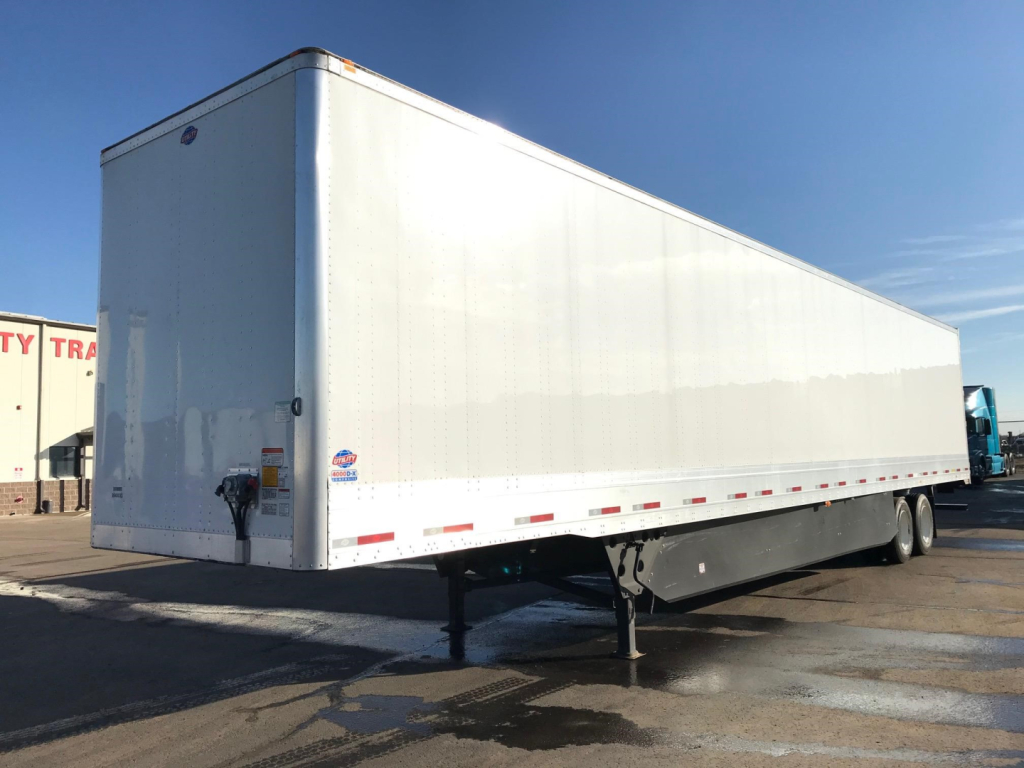
Compare new dry van trailers for sale by floor rating, usable cube, door style, and warranty coverage to match US and Canadian freight operations.


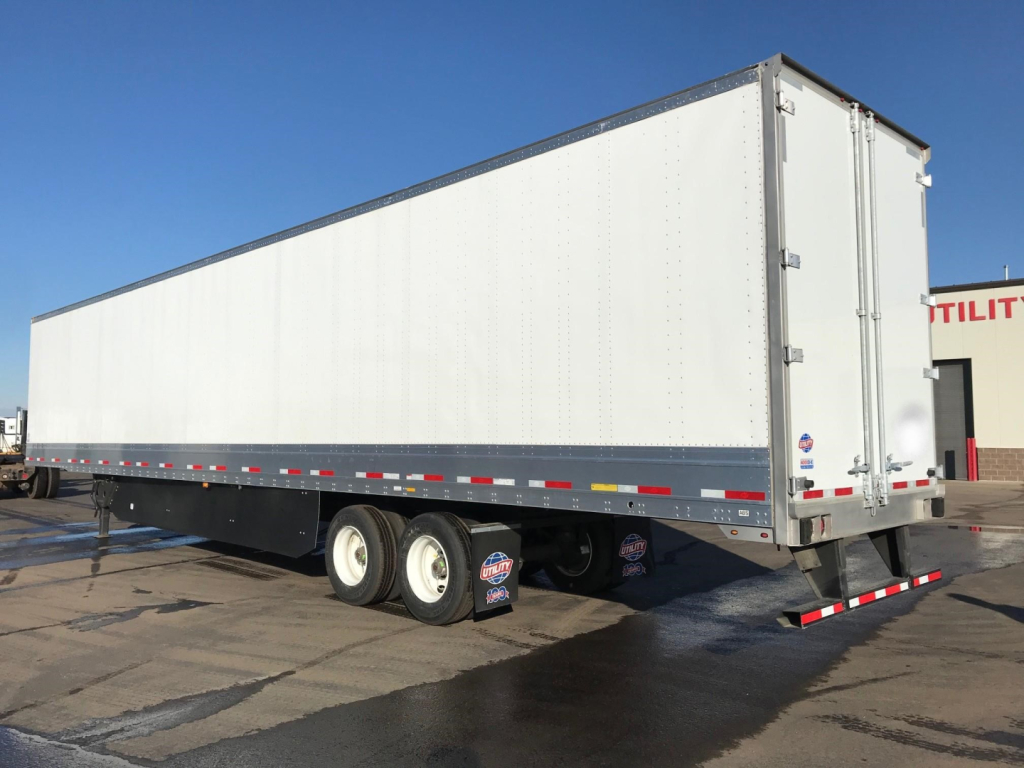
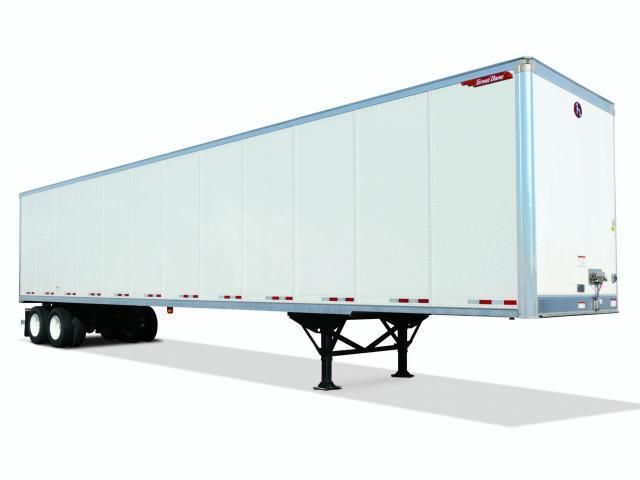
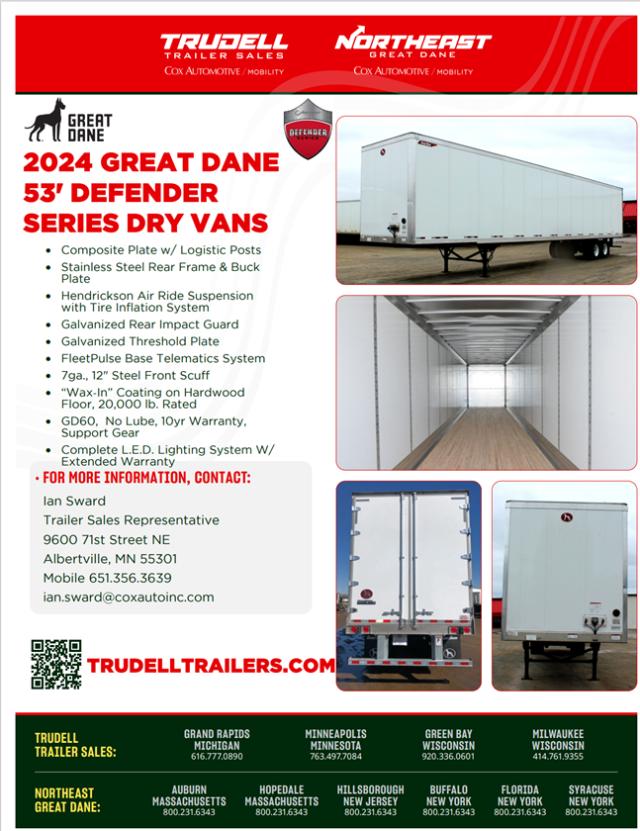
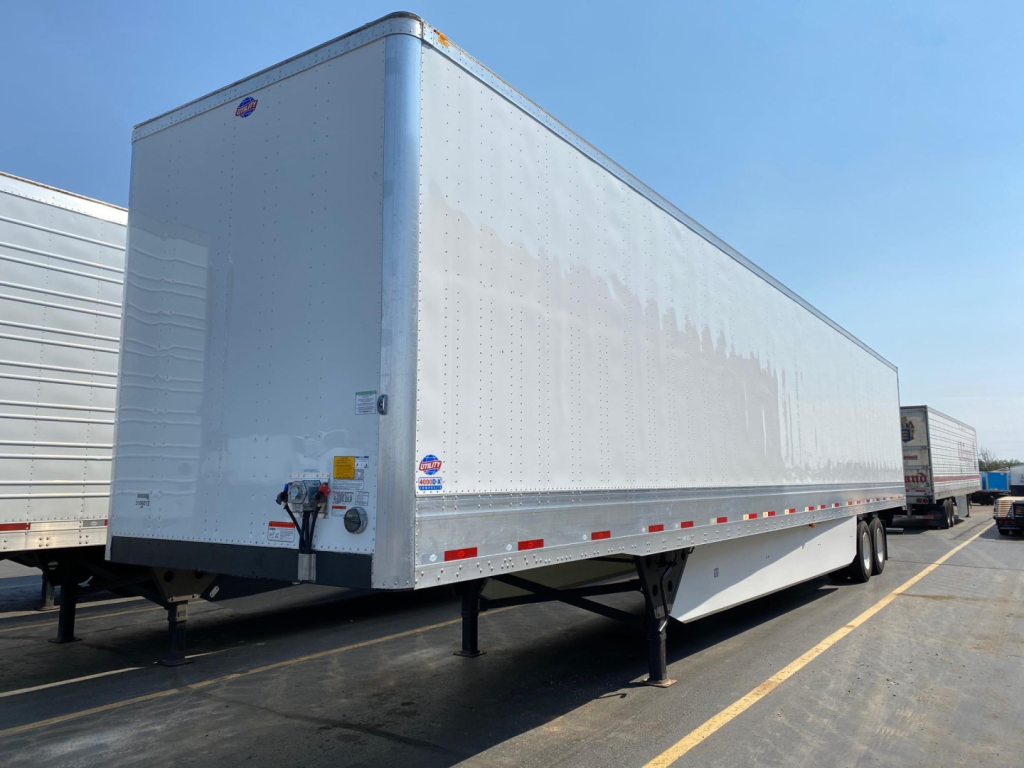

Showing 1 to 28 of 51 results
Selling a new dry van trailer? List your new dry van trailer for sale and reach thousands of commercial buyers.
New Dry Van Trailers
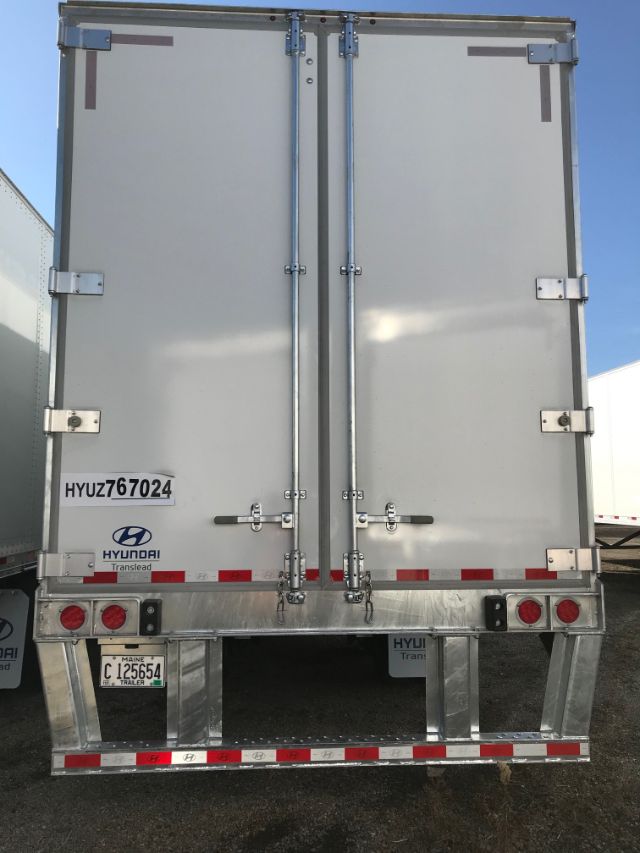
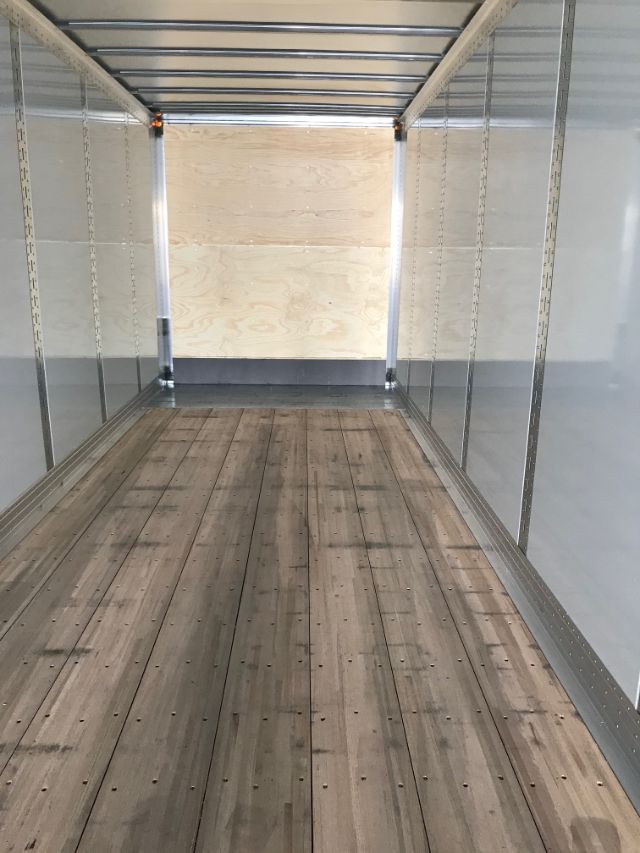
Compare sheet-and-post and composite plate construction across manufacturers by tare weight, interior width, puncture resistance, and repair method. Order the floor for loaded forklift axle loads, not just total cargo weight, and match scuff liners and cargo securement to the freight. Sliding tandems help balance axle loads, while air ride is common for general freight service. Before delivery, verify kingpin location, landing gear clearance, ABS operation, door seals, and the completed build sheet. A new trailer still needs a documented acceptance inspection. New condition does not establish build date or warranty start date, especially across different model years. Confirm separate coverage for the structure, running gear, brakes, and purchased components.
The first retail sale of a qualifying new highway trailer in the United States is subject to 12% federal excise tax; Canadian purchases follow different tax rules. Cross-border buyers should verify certification, legal dimensions, axle-weight limits, and California kingpin-to-rear-axle restrictions for planned routes. Snow Belt and Canadian winter service justify corrosion protection, sealed electrical connections, and accessible lubrication points.
Frequently Asked Questions about New Dry Van Trailers
How many standard pallets fit in a 53-foot dry van trailer?
A typical 53-foot dry van trailer holds 26 standard 48-by-40-inch pallets in a single layer, arranged two across with the 40-inch dimension running lengthwise. Actual capacity can be lower when freight overhangs the pallets, securement consumes space, or interior equipment reduces usable dimensions. Confirm clear interior measurements and cargo weight before treating pallet count as payload capacity.
What floor rating should I order for a dry van that gets loaded by forklift?
A new dry van trailer needs a floor rating that covers the forklift's maximum loaded axle weight under the trailer manufacturer's specified loading conditions. Forklift tire contact area and wheel spacing affect concentrated floor stress, so total forklift weight alone is insufficient. Supply the forklift specifications, heaviest handled load, and loading frequency before selecting flooring and crossmember spacing.
Are air disc brakes worth specifying on a new dry van trailer?
Air disc brakes are a strong choice for dry van trailers facing repeated braking because they resist brake fade and provide consistent braking performance. Drum brakes remain a practical choice where fleet parts stocking and technician familiarity favor them. Compare replacement component costs, wheel-end access, and the brake equipment already used throughout the fleet before ordering.
What kingpin setting does a 53-foot dry van need for California?
California generally limits a 53-foot dry van trailer with two or more axles to 40 feet from the kingpin to the rearmost axle. That measurement is not the kingpin setback from the trailer nose. Verify that the tandem slider can reach a compliant position while maintaining legal axle weights, and confirm access restrictions on the intended delivery roads.
Should I order automatic tire inflation or tire pressure monitoring?
Automatic tire inflation adds air to dry van trailer tires, while tire pressure monitoring reports pressure without correcting it. Inflation systems suit trailers that spend long periods away from a maintenance terminal; monitoring helps identify pressure loss but requires someone to respond. Confirm compatibility with the specified axles and wheel ends, and include system inspections in preventive maintenance.