
New Dry Van Trailers For Sale in Illinois
New dry van trailers for sale in Illinois: compare floor ratings, corrosion protection, axle setup, warranty terms and federal excise tax exposure.
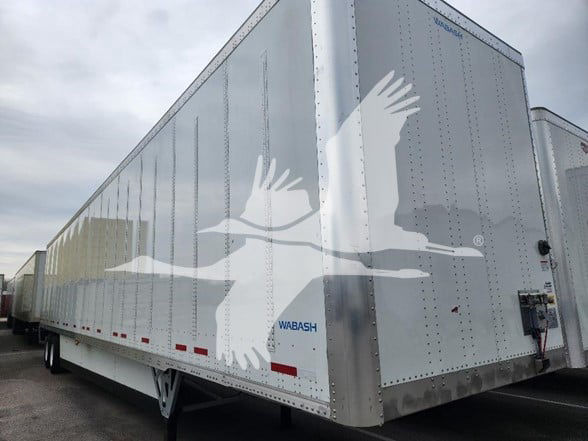
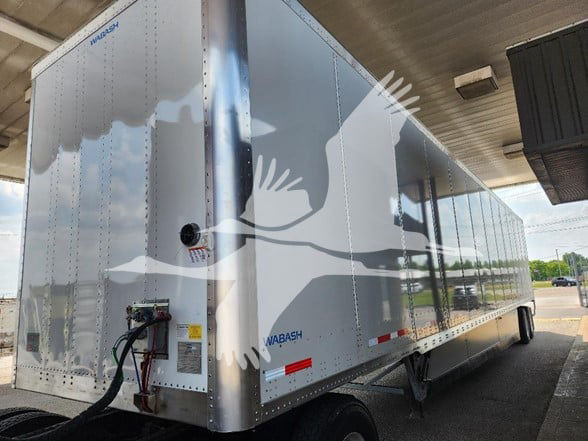
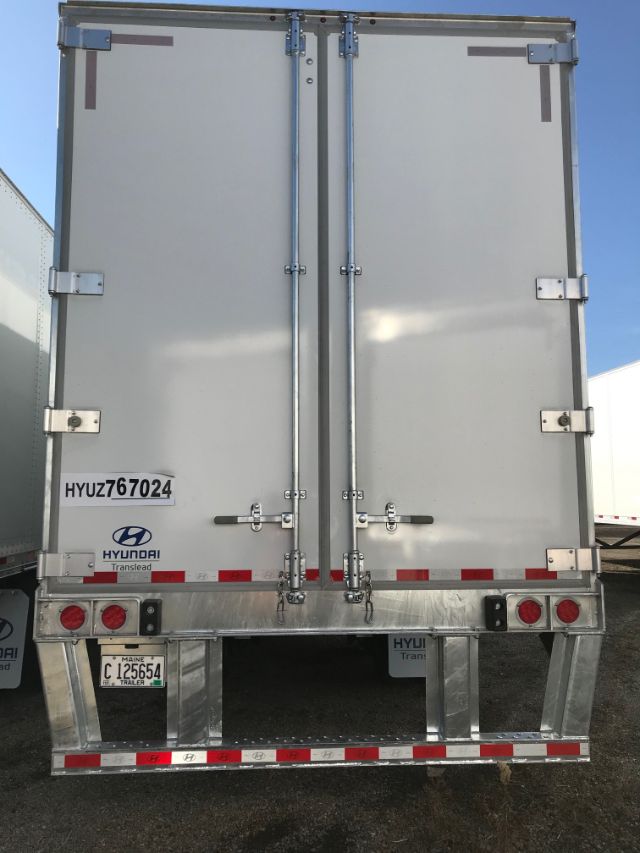
Selling a new dry van trailer? List your new dry van trailer for sale and reach thousands of commercial buyers.
New Dry Van Trailers in Illinois
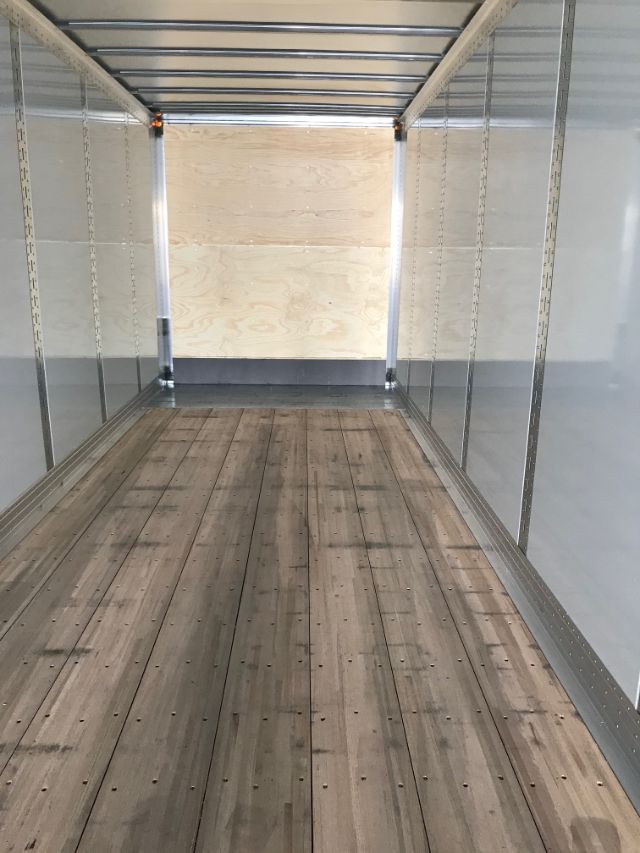
Choose wall construction around the freight rather than brand alone. Composite plate walls can provide a smooth interior and good resistance to routine cargo contact, while sheet-and-post construction offers a different repair approach and interior geometry. Compare published inside dimensions, logistics-track spacing, scuff protection, and sidewall repair procedures across manufacturers. Specify the floor for the heaviest loaded forklift expected at receiving docks, not merely the cargo payload. Hardwood flooring, crossmember spacing, fastener patterns, and the manufacturer's concentrated-load rating all affect durability.
Illinois winter exposure warrants close attention to rear frames, landing gear braces, crossmembers, slider rails, and brake hardware. Galvanized components and protective coatings can reduce corrosion exposure, but coverage varies by component and manufacturer. Salt accumulates around joints and brackets, so accessible washout areas and protected wiring connections are practical specification priorities.
A sliding tandem helps distribute axle weight and accommodate different loading patterns. Confirm slider travel, pin engagement, kingpin location, and landing gear clearance against the tractor. Illinois legal operation requires checking axle weights, bridge-formula limits, designated truck routes, and local access restrictions; a 53-foot trailer is not permission to use every road. Air ride is common for general freight, but suspension service access and warranty coverage vary. Automatic tire inflation can help maintain specified tire pressure between inspections. Swing doors suit many warehouse lanes, while roll-up doors reduce door-swing clearance requirements at tight docks but can reduce clear rear-opening height.
New condition does not guarantee a recent build date. Compare the certification label, build sheet, and actual components, particularly when an unused trailer carries an earlier model year. Before acceptance, check roof seals, floor moisture, tire date codes, brake operation, ABS diagnostics, and door alignment. Obtain written warranty start dates and separate coverage for the structure, suspension, axles, and accessories. Include delivery charges and applicable 12% federal excise tax on qualifying new heavy trailers in the acquisition budget, and specify dealer-installed options before final acceptance.
Frequently Asked Questions about New Dry Van Trailers in Illinois
What floor rating do I need for a new dry van trailer?
The loaded forklift's axle load and tire contact area determine whether a dry van floor rating is adequate. Ask the trailer manufacturer to match the actual forklift, including its loaded weight, tire type, and wheel spacing, to the published floor rating. Hard tires, concentrated wheel loads, and repeated turning can stress flooring differently from evenly distributed freight. A trailer's payload capacity does not establish its forklift floor capacity.
Should I choose swing doors or a roll-up door for Illinois warehouse deliveries?
Swing doors usually provide a larger clear rear opening than roll-up doors on comparable dry van trailers. Roll-up doors can be opened without the exterior clearance needed to swing and secure two door panels, which helps at confined delivery sites. Confirm receiving-facility requirements before ordering, and compare clear opening measurements rather than overall trailer height. Roll-up tracks and the overhead door assembly require additional maintenance attention.
Does the 12% federal excise tax apply to a new dry van trailer bought in Illinois?
A qualifying new heavy dry van trailer generally carries 12% federal excise tax on its first retail sale in the United States. Trailer chassis and bodies rated at 26,000 pounds GVWR or less are generally exempt; typical highway semitrailers exceed that threshold. Federal excise tax is separate from Illinois sales or use tax. Obtain a written invoice identifying the taxable amount and any claimed exemption.
What weight limits should I plan around for a dry van trailer in Illinois?
The standard federal Interstate benchmarks are 80,000 pounds gross combination weight, 20,000 pounds on a single axle, and 34,000 pounds on a tandem axle. A dry van combination must also satisfy the bridge formula, equipment ratings, and applicable route restrictions. Moving the trailer tandem changes axle distribution but does not increase the legal gross limit. Check Illinois route classifications and local delivery access separately from Interstate operation.
Is an older-model-year dry van trailer still a good choice if it is sold as new?
An earlier-model-year dry van trailer can still be new, but verify its title history and whether manufacturer warranties have already started. Ask for the original production specification and any documented repairs or component substitutions made during storage. Running production changes can affect replacement parts even within one model year. Have the manufacturer confirm component identification and warranty eligibility rather than relying solely on the advertised model year.