
New 2027 Trailers For Sale in Kansas
Shop new 2027 trailers in Kansas, including lowboy, dump, hopper, and specialty models with current specs for heavy haul and bulk work.
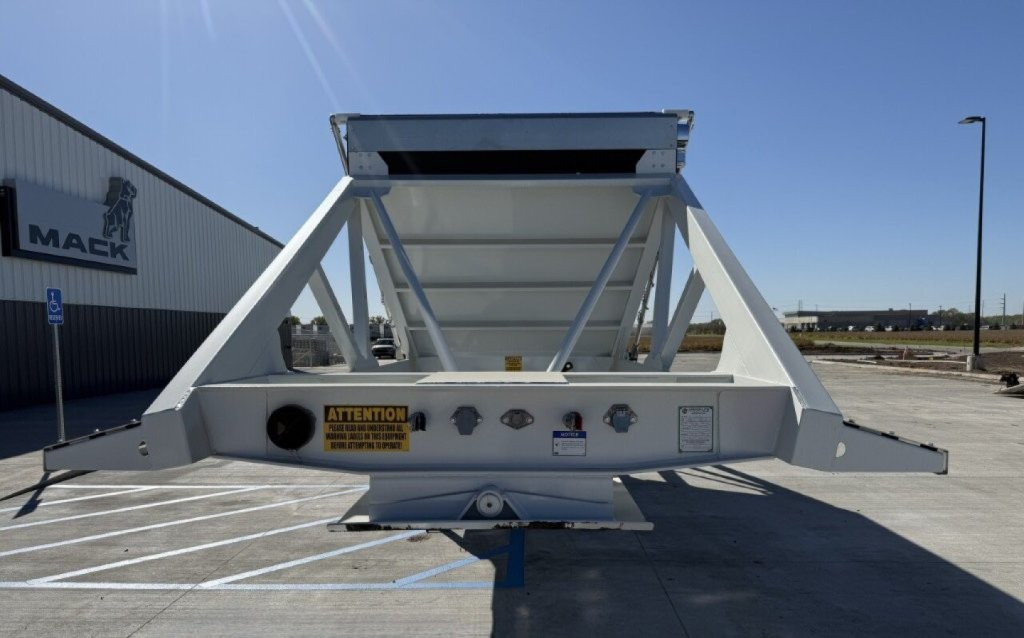
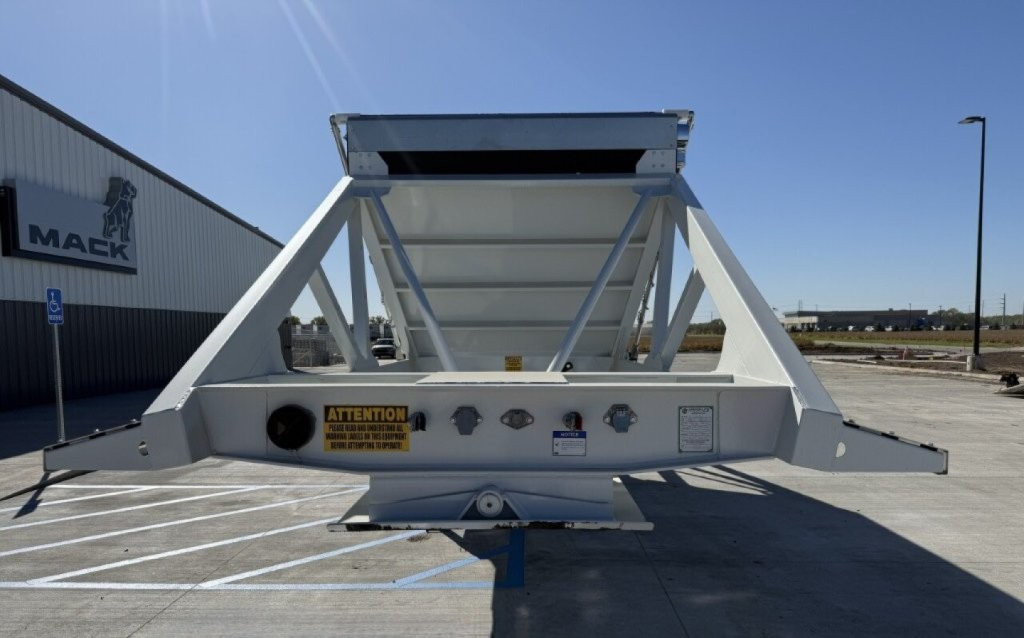
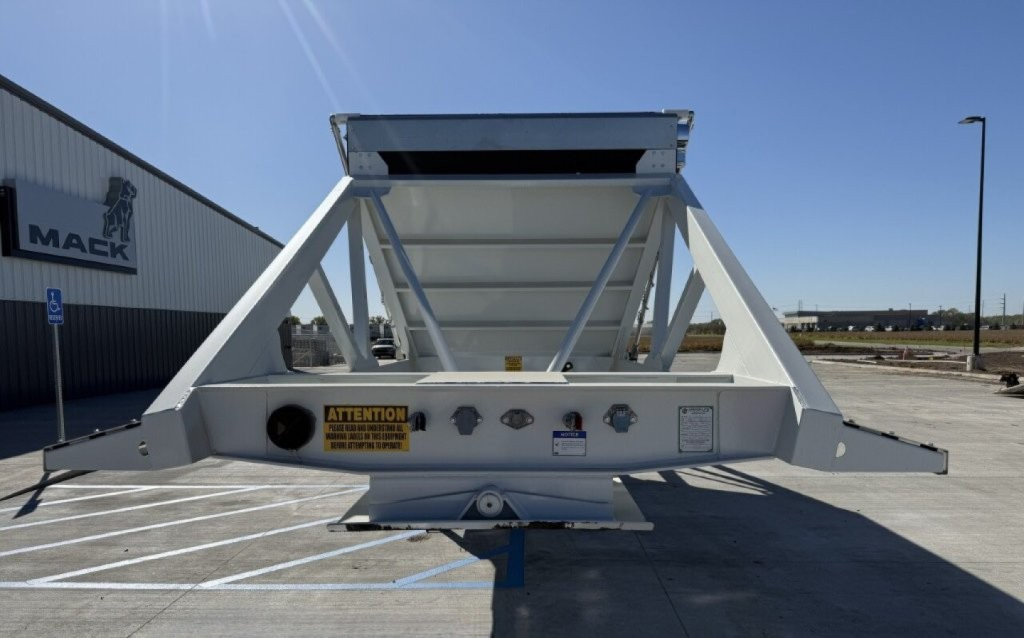
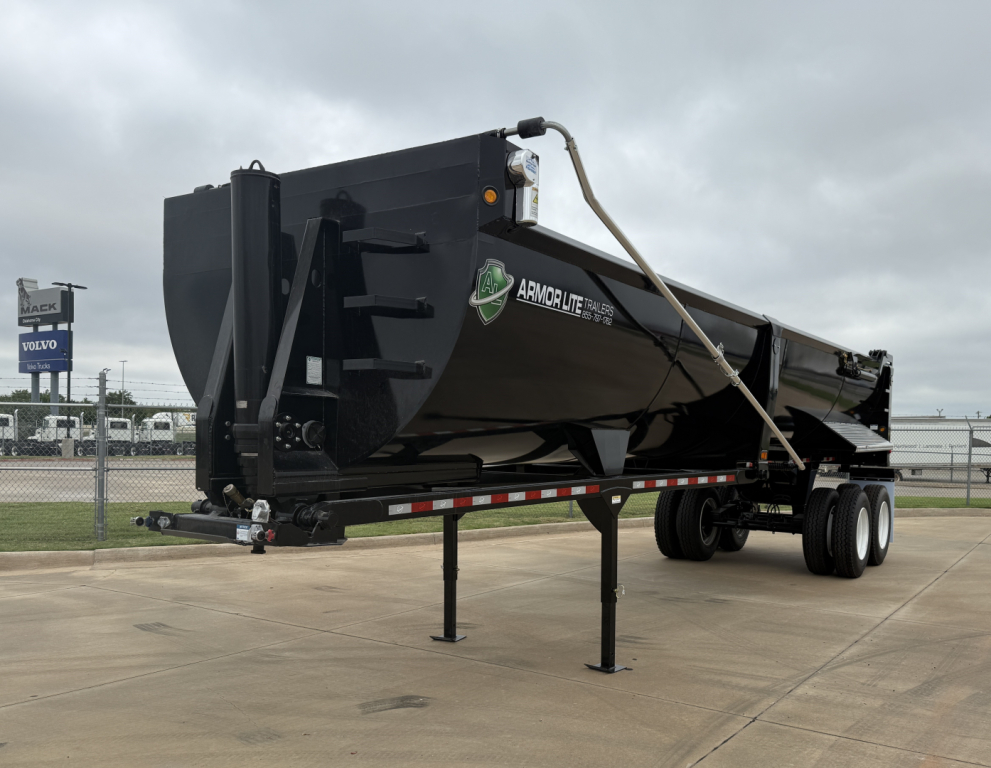
Showing 1 to 28 of 34 results
Selling a new 2027 trailer? List your new 2027 trailer for sale and reach thousands of commercial buyers.
New 2027 Trailers in Kansas
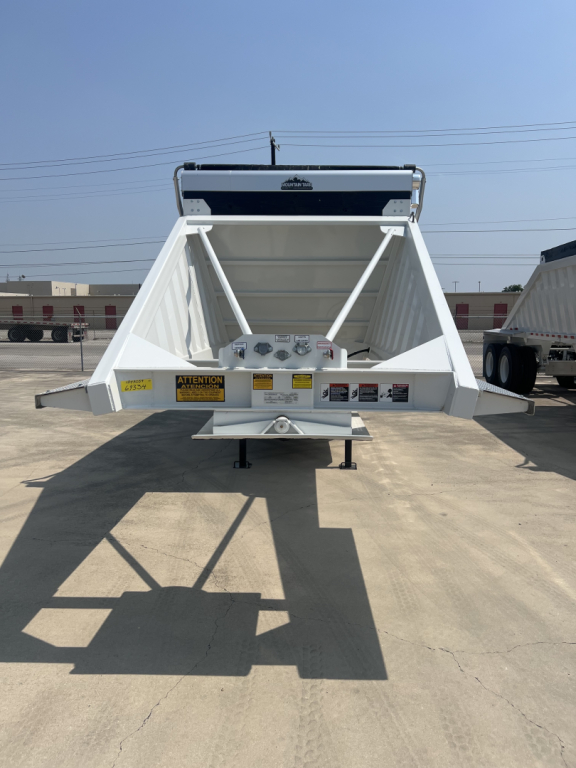
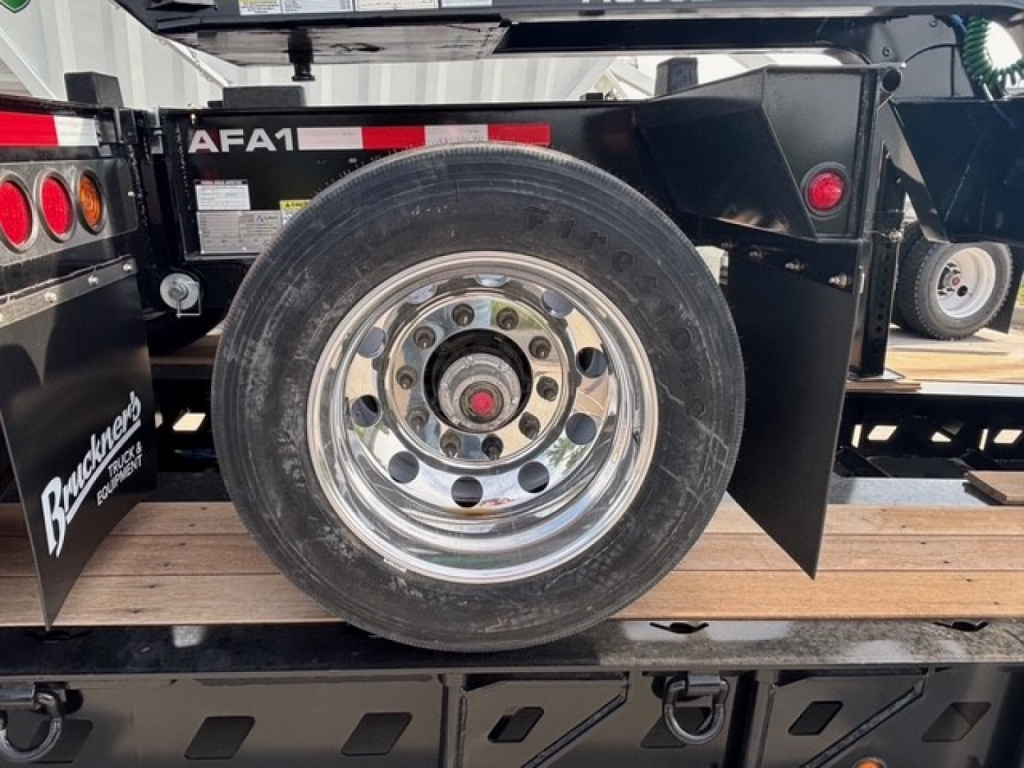
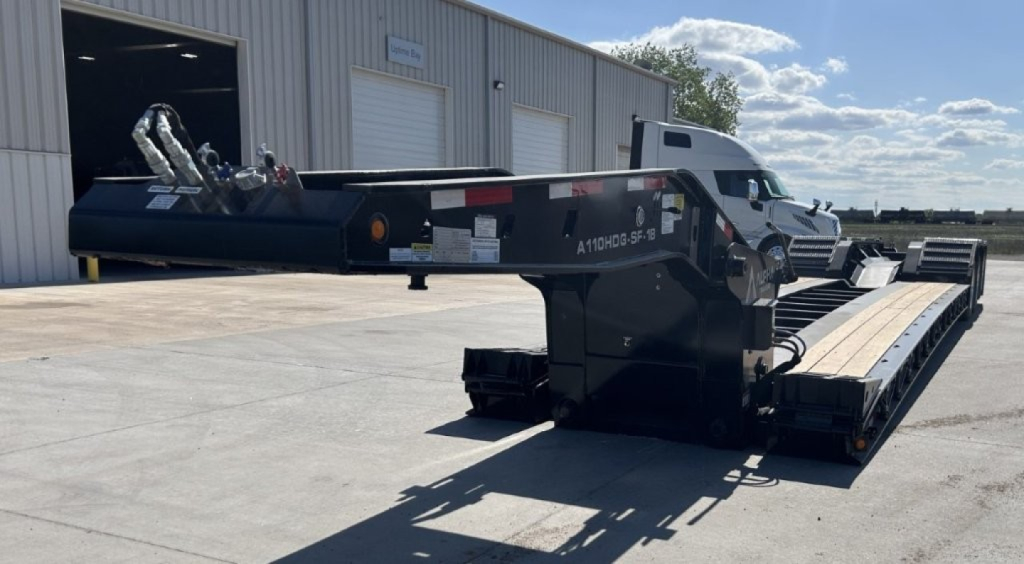
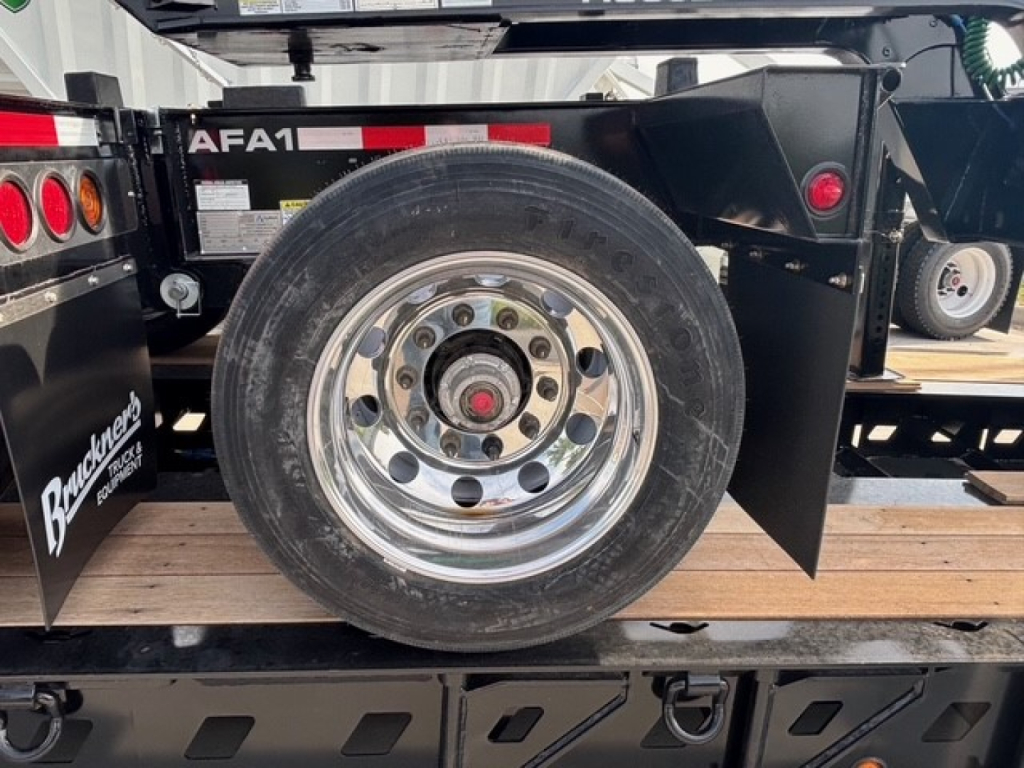
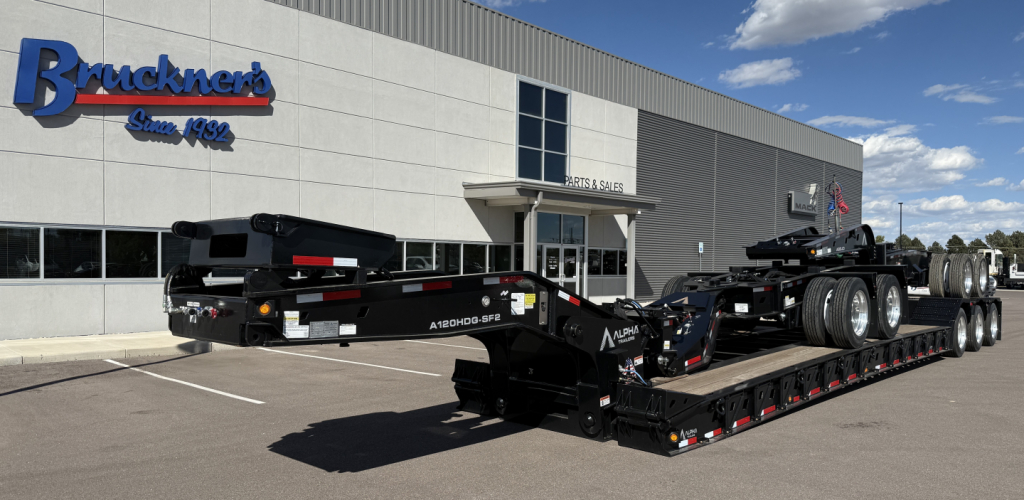
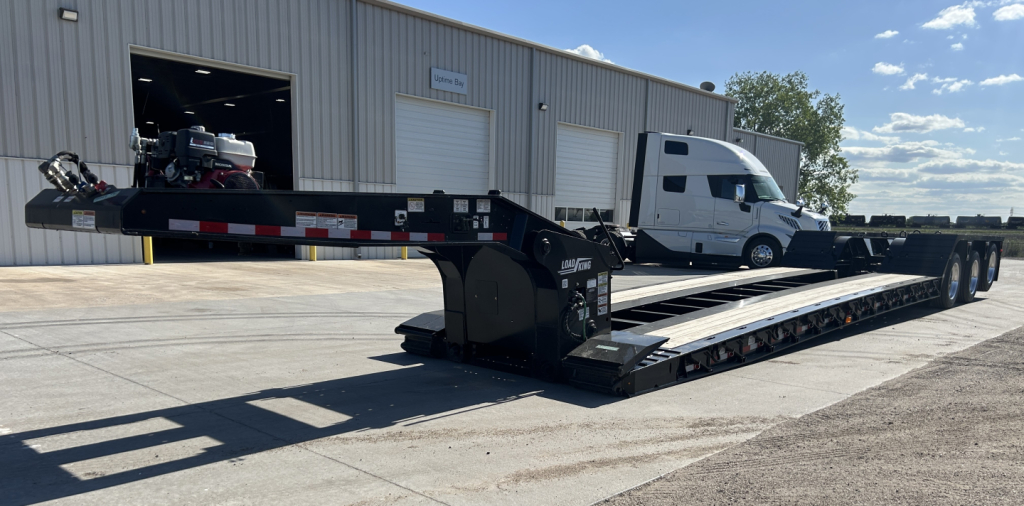
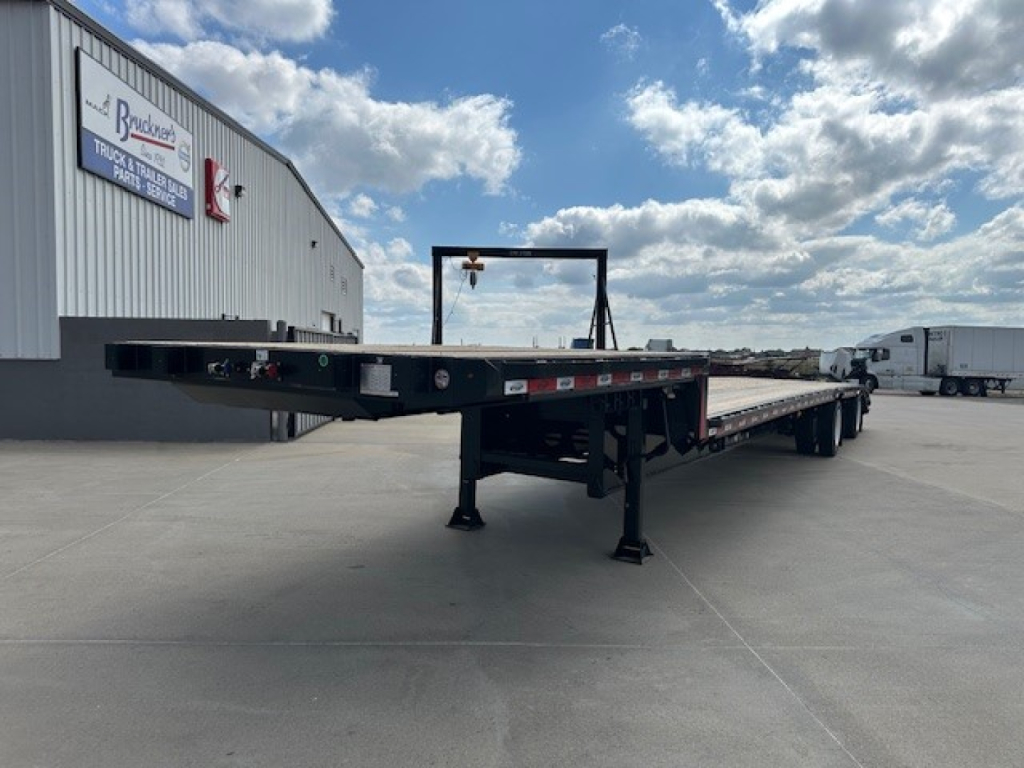
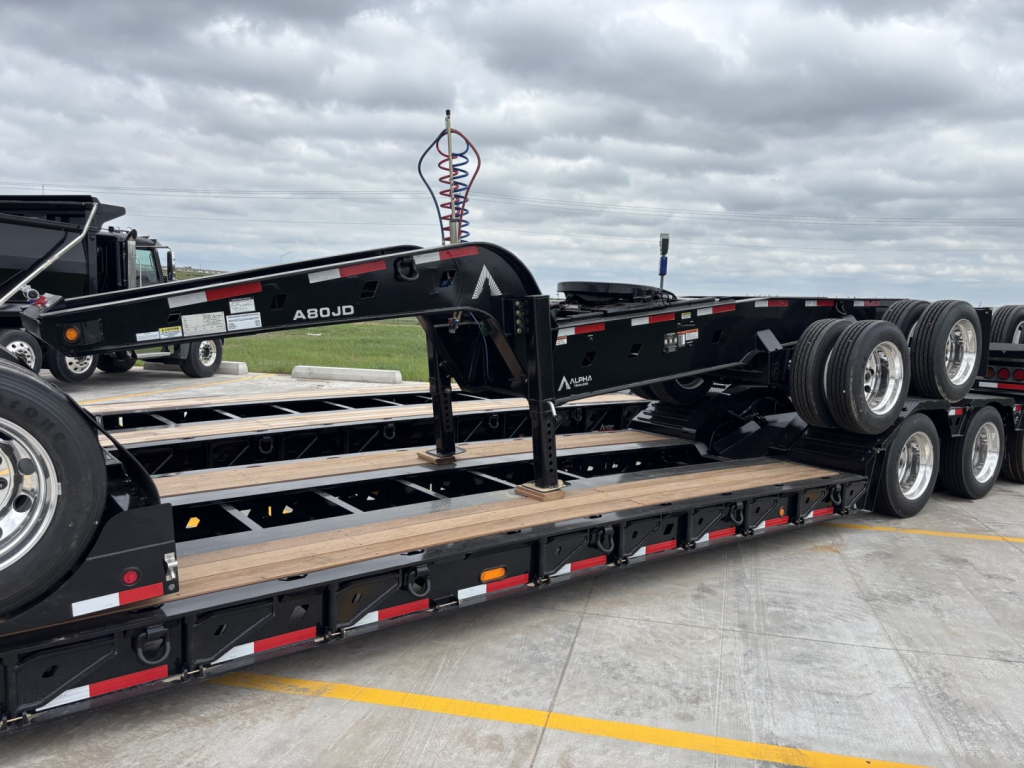
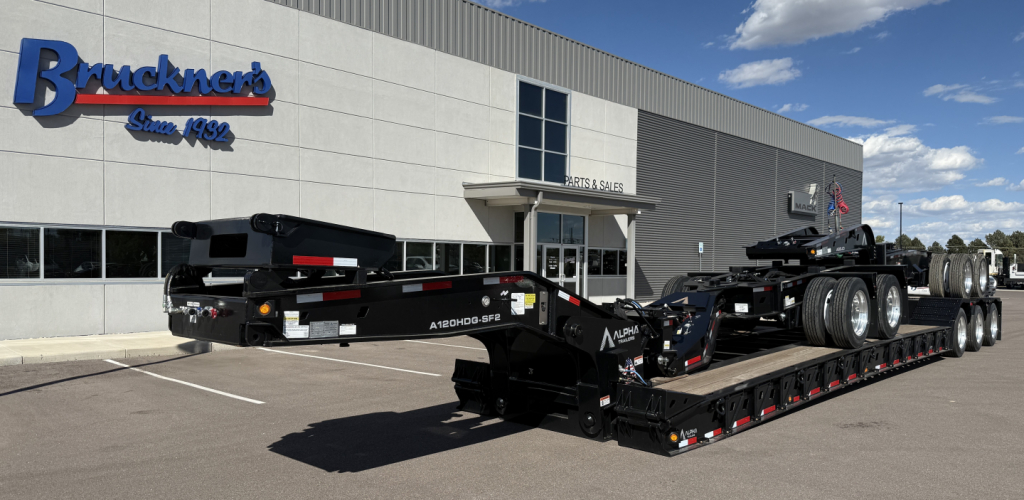
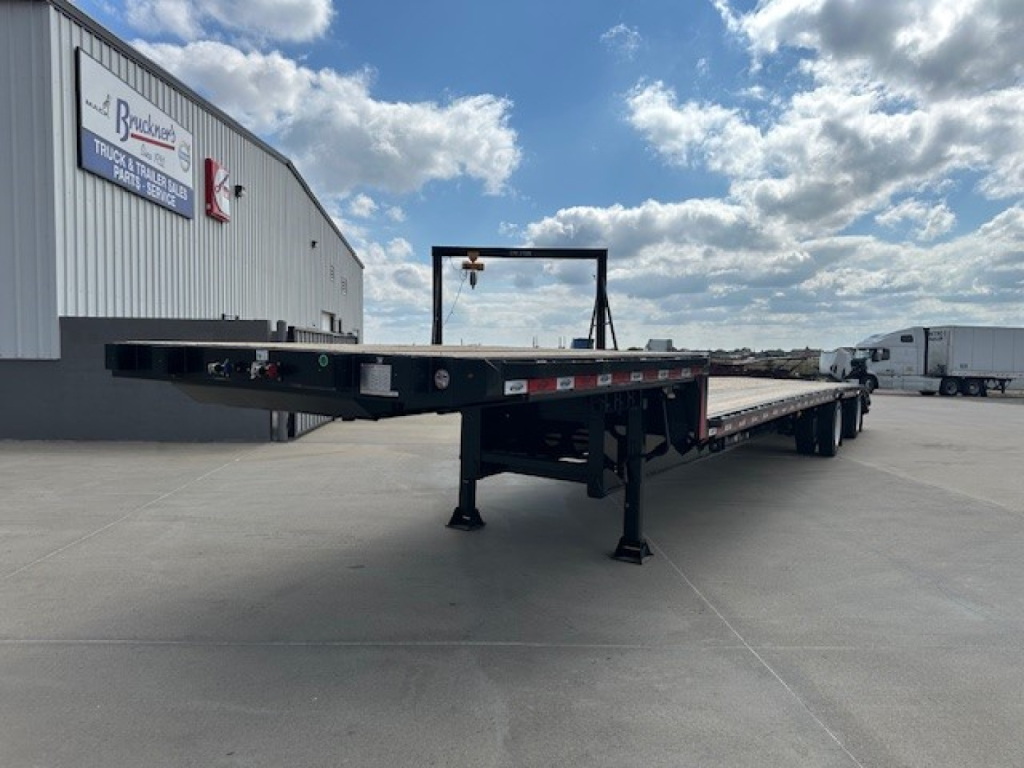
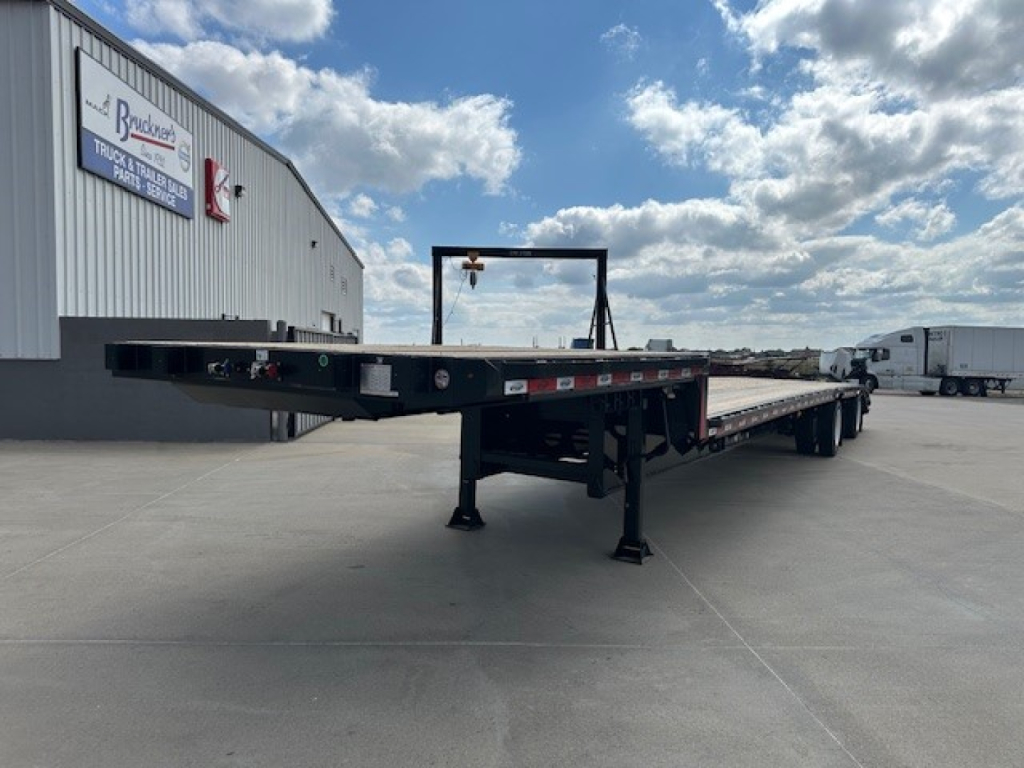
If you are shopping lowboy trailers, pay close attention to loaded deck height, gooseneck design, ride height positions, and compatibility with flip axles or spreader bars. Heavy haul buyers should also look at outer bay crossmember reinforcement, wheel cover design, tire size, and lighting packages, especially if the trailer will run oversized or over-dimensional loads. On dump trailers, body length, side height, cubic yard capacity, gate style, tarp operation, and suspension type are the core decisions. Tandem spring ride dumps remain common for straightforward aggregate, demolition, and asphalt support work, while added air tank capacity, quick release valves, and push block options can make a difference in daily productivity.
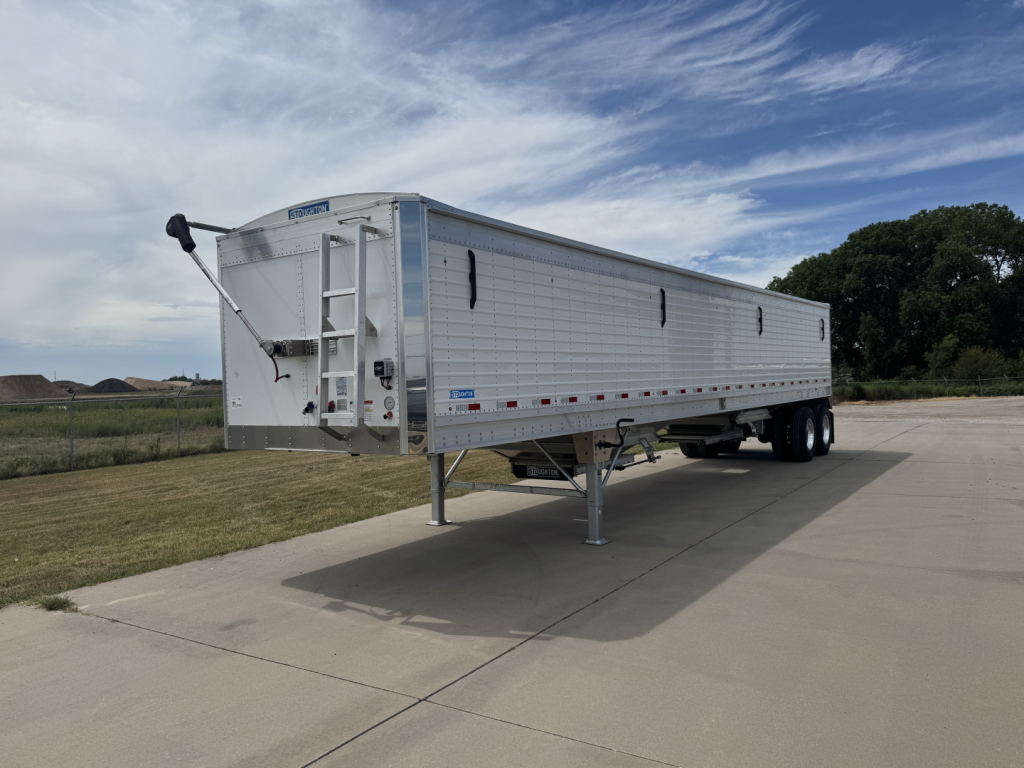
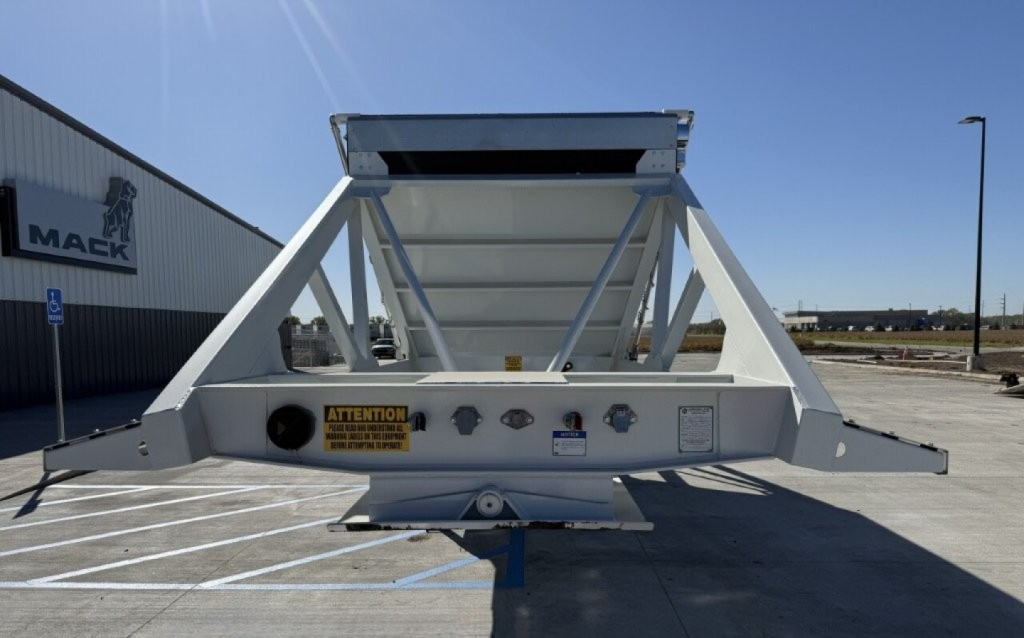
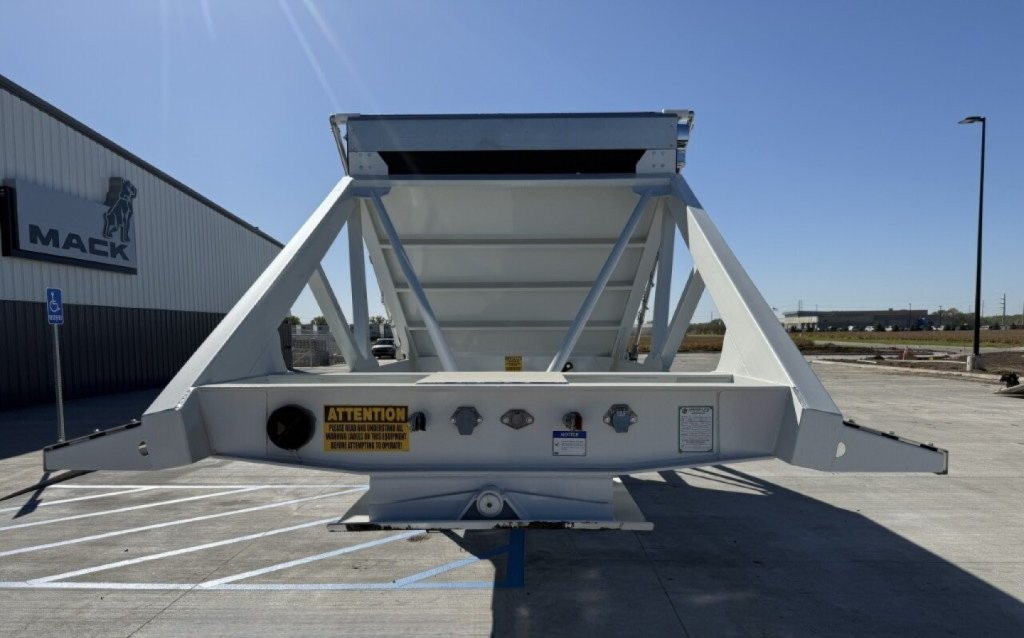
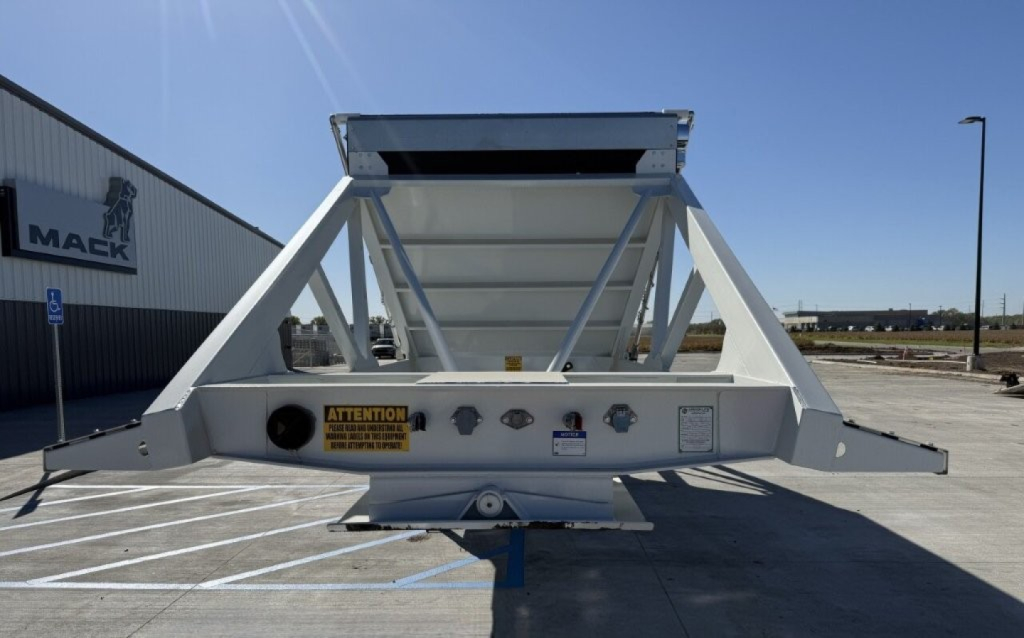
For grain and bulk commodity hauling, hopper trailers are typically evaluated on cubic feet, bushel capacity, hopper opening size, suspension, tarp style, and corrosion resistance. In Kansas, where grain movement is a major part of the market, buyers often compare steel versus aluminum construction based on payload goals, repair preference, and route conditions. Features like ladders, catwalks, sealed wiring harnesses, landing gear design, and standard tire and wheel packages affect both safety and serviceability. A steel grain hopper may offer durability and value, while aluminum-focused builds usually appeal to operators chasing every pound of payload.
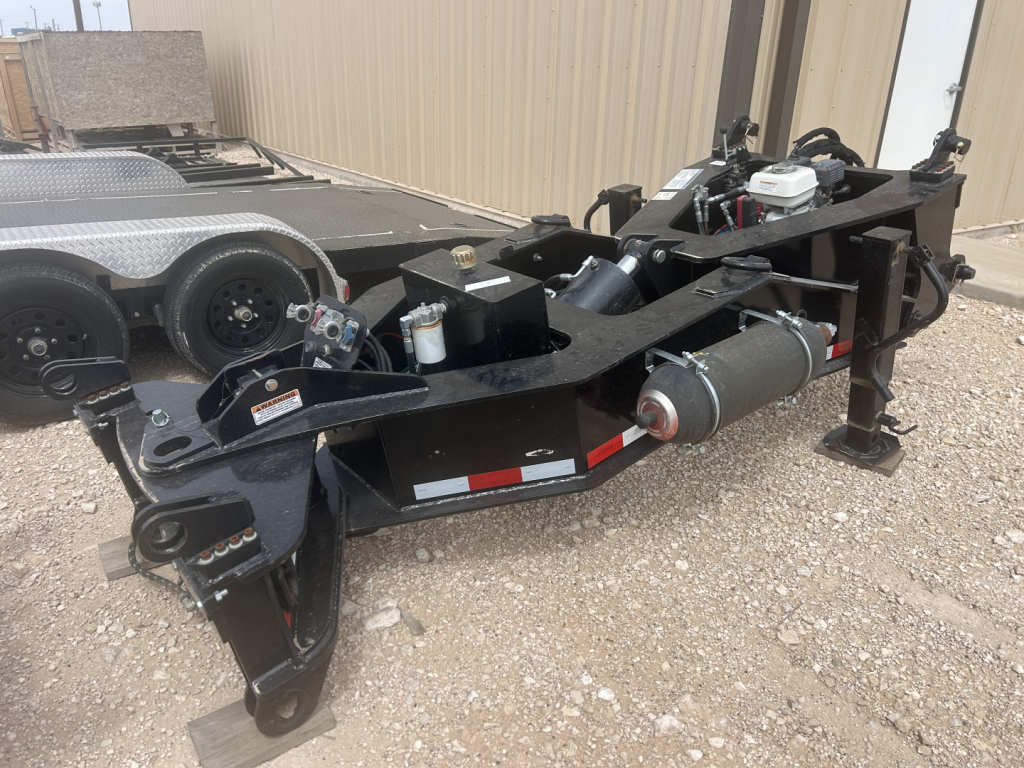
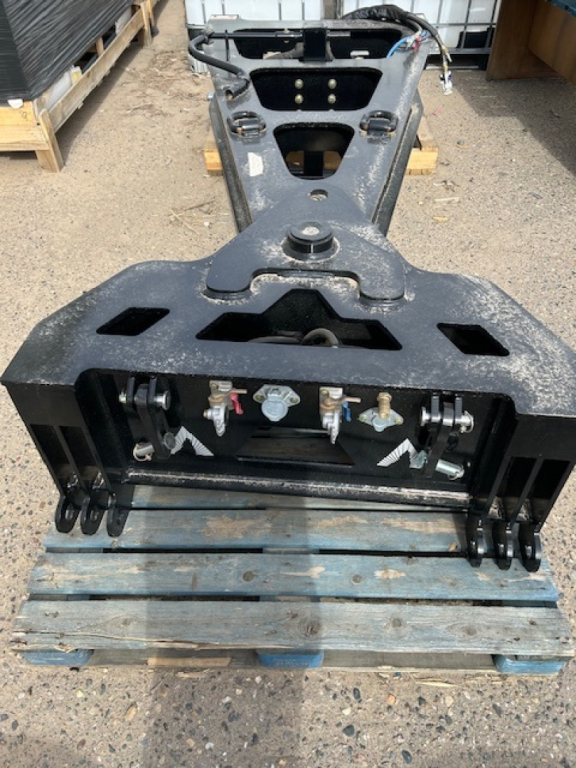
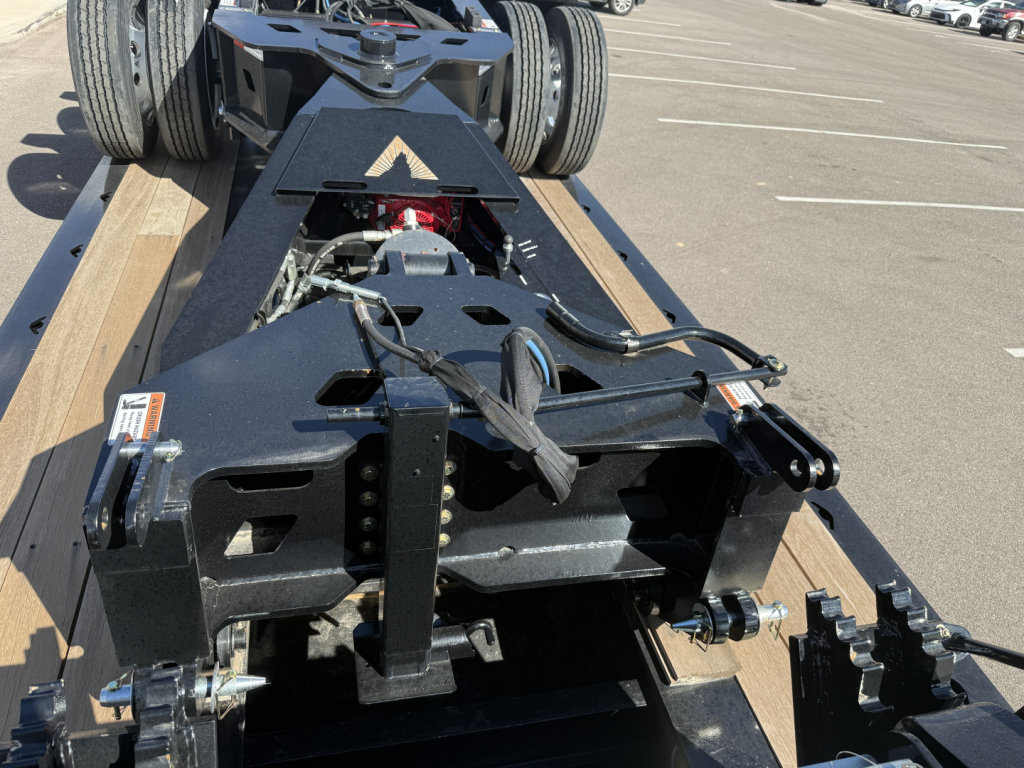
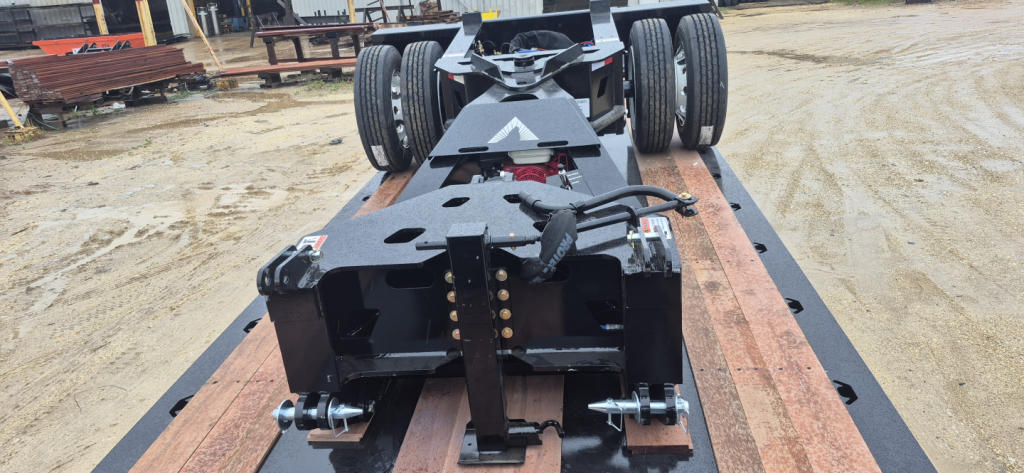
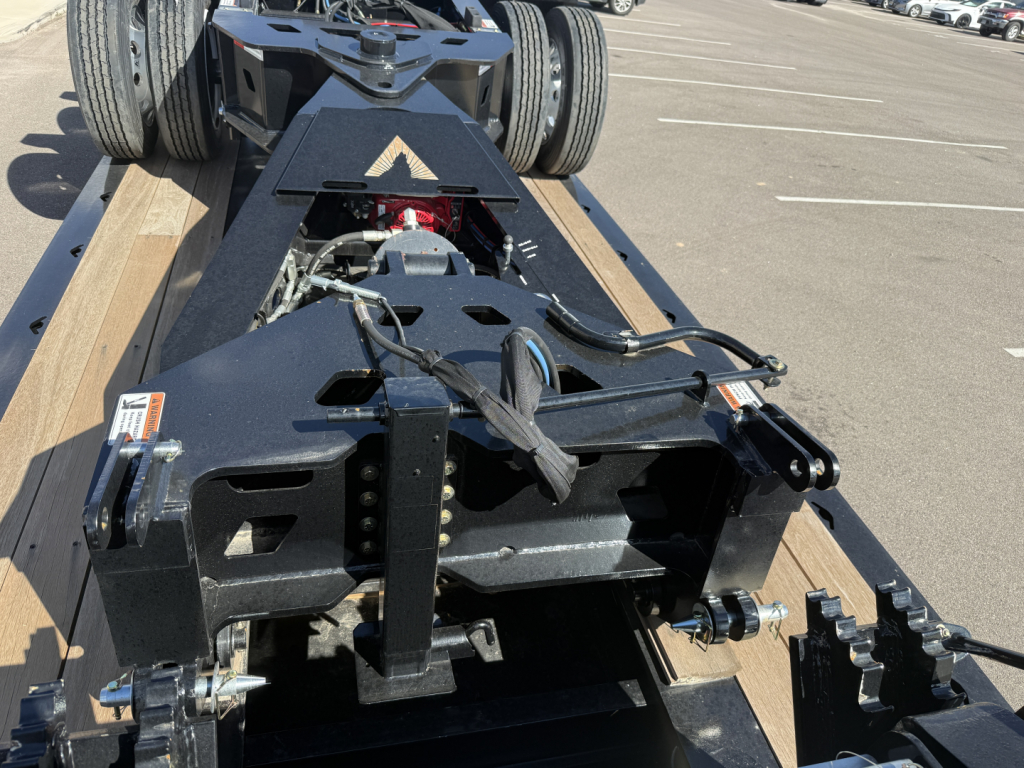
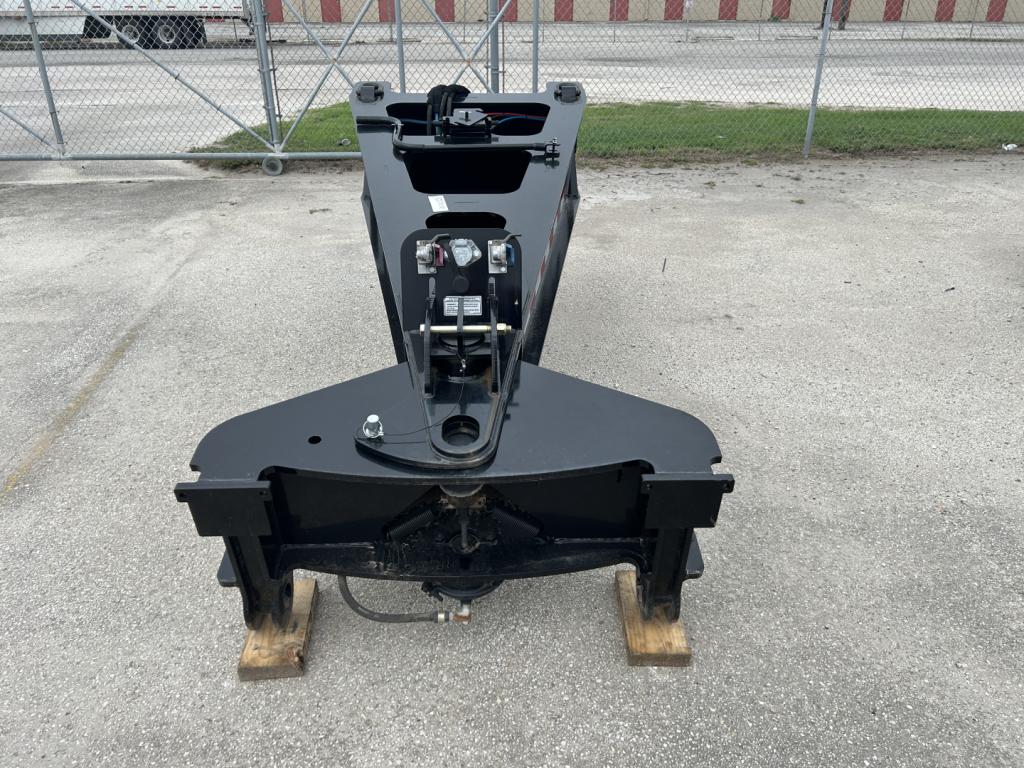
Specialty trailer equipment is just as important for many operations. Flip axles, converter dollies, jeeps, and spreaders expand axle spacing and help match a trailer to legal bridge and weight requirements. Buyers should confirm exact compatibility with the base trailer, axle ratings, suspension type, width, and intended tonnage before purchasing. Across all trailer categories, new 2027 equipment gives buyers the chance to standardize lighting, tire sizes, wheel material, landing leg configuration, and braking components across the fleet. That kind of spec consistency can reduce downtime, simplify parts stocking, and make driver training easier.
Frequently Asked Questions about New 2027 Trailers in Kansas
What types of new 2027 trailers are commonly available in Kansas?
Kansas buyers commonly shop for new 2027 lowboy trailers, dump trailers, hopper trailers, and specialty heavy haul components such as flip axles, jeeps, converter dollies, and spreaders. The mix reflects the state’s strong demand for construction hauling, agricultural transport, and regional equipment moving. Category choice should start with the primary freight, legal weight target, and the roads the trailer will run most often.
What should I compare first when buying a new trailer?
Start with the trailer’s intended application, then compare axle configuration, suspension, overall dimensions, payload or capacity rating, and material construction. For example, a lowboy buyer should focus on deck height, neck style, and axle compatibility, while a hopper buyer should focus on cubic capacity, hopper openings, and tarp system. Standardized tires, wheels, brakes, and lighting can also have a real effect on maintenance cost over time.
Is a steel or aluminum trailer better for Kansas hauling?
It depends on the job. Steel trailers are often chosen for durability, repairability, and lower upfront cost, especially in dump and some hopper applications. Aluminum trailers are usually selected when lower empty weight and higher payload are the priority. In Kansas, where buyers may haul grain one season and construction-related freight in another operation, the right choice comes down to load type, annual miles, and how much value you place on payload versus ruggedness.
Why do flip axles and spreaders matter on heavy haul trailers?
Flip axles and spreaders help distribute weight, adjust axle spacing, and support compliance with bridge laws and permit requirements. They are critical on many lowboy and specialized heavy haul setups because they allow the trailer to be configured for different loads and jurisdictions. Buyers should verify the exact width, ton rating, axle spacing, tire size, and trailer compatibility before adding this equipment to a heavy haul combination.
What are the advantages of buying a new 2027 trailer instead of an older used one?
A new 2027 trailer gives buyers current manufacturing specs, unused structural components, and the ability to match equipment more closely to present-day fleet standards. That can mean improved lighting systems, sealed wiring, updated tarp options, better suspension choices, and cleaner integration with existing tractors and shop parts inventory. For many operations, the biggest benefit is predictable service life and fewer unknowns compared with older used equipment.