
New 2027 Other Trailers For Sale in Kansas
Shop new 2027 other trailers in Kansas, including flip axles and spreader bars for heavy haul trailer configurations and payload flexibility.
Selling a new 2027 other trailer? List your new 2027 other trailer for sale and reach thousands of commercial buyers.
New 2027 Other Trailers in Kansas
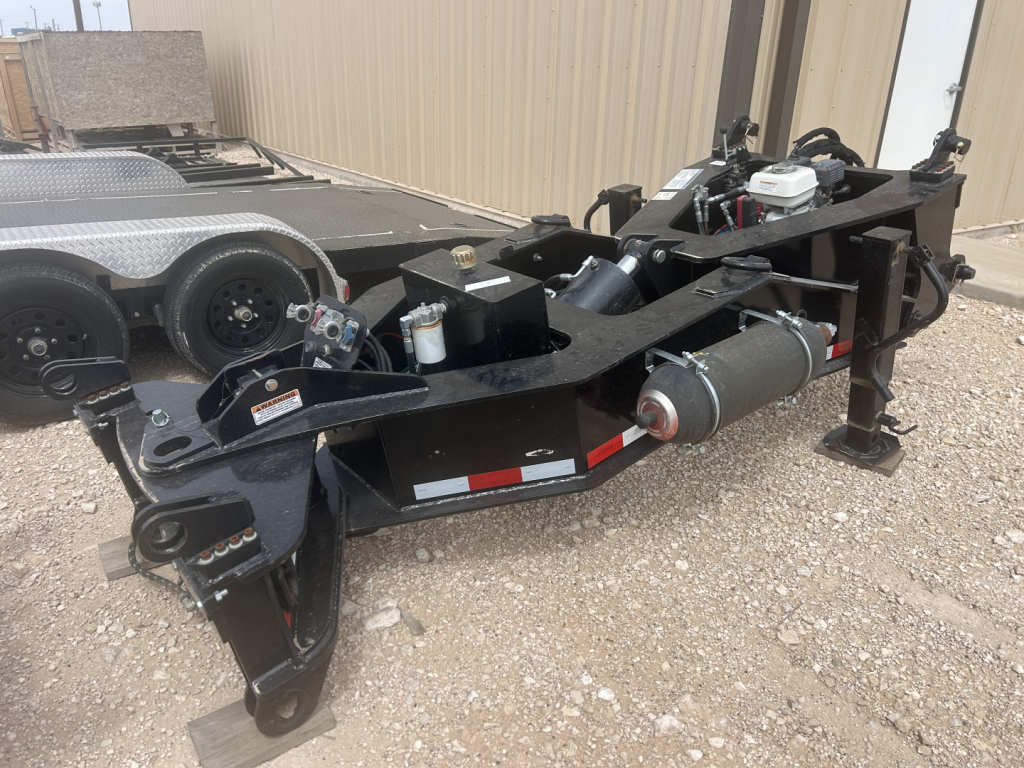
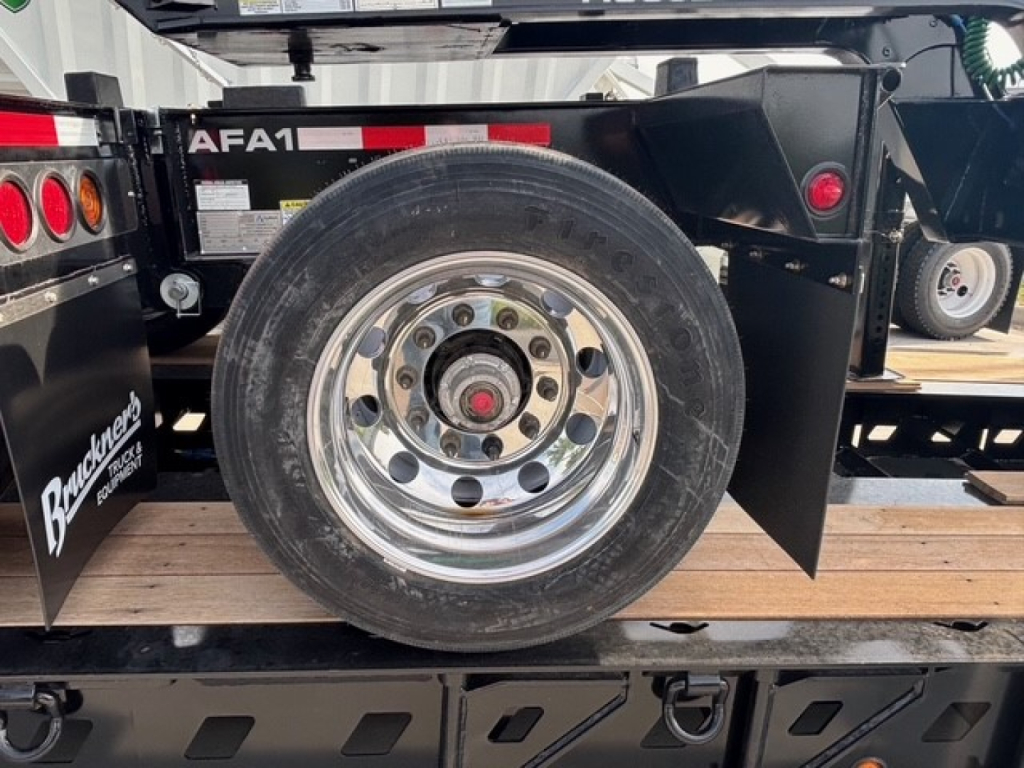
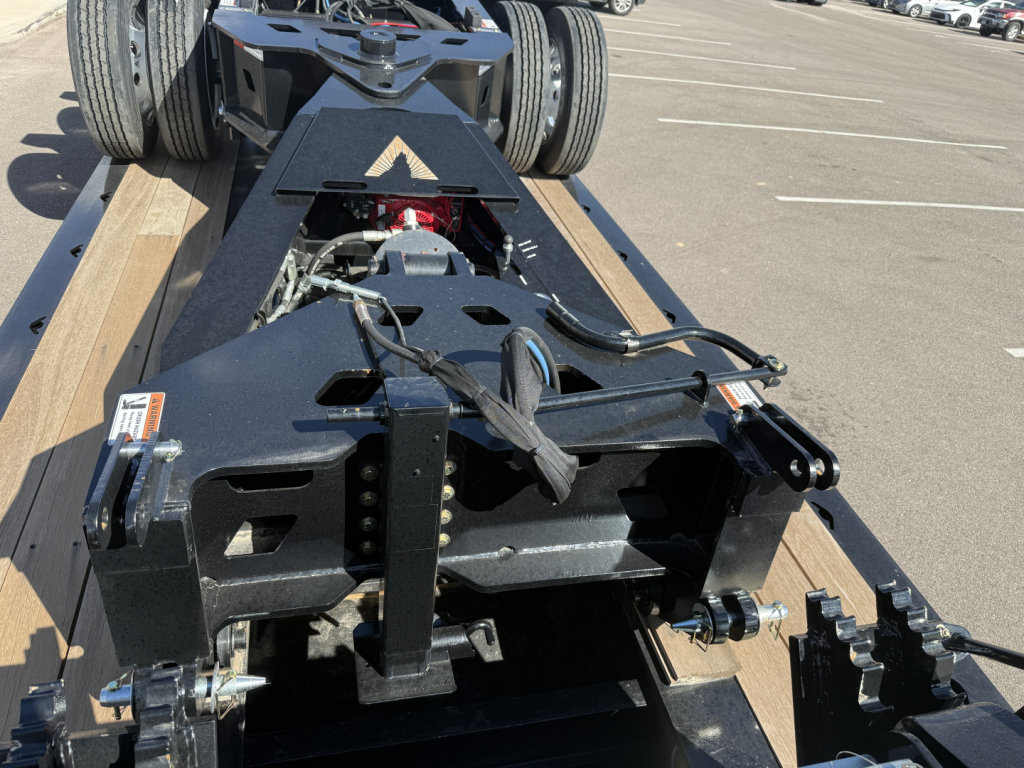
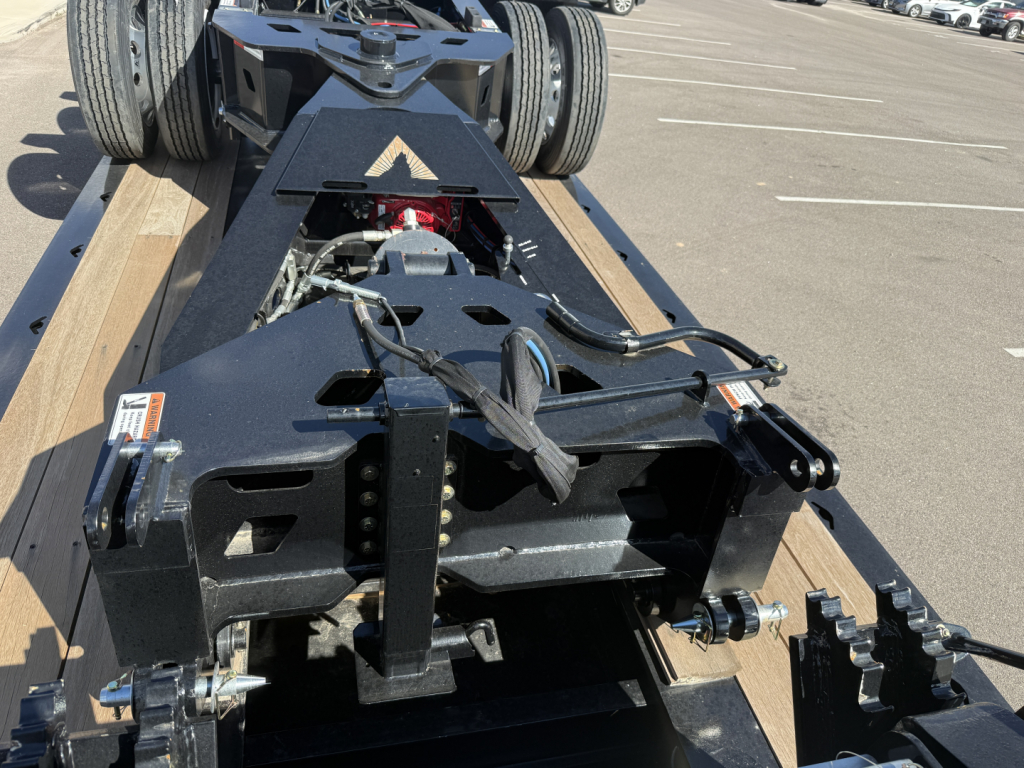
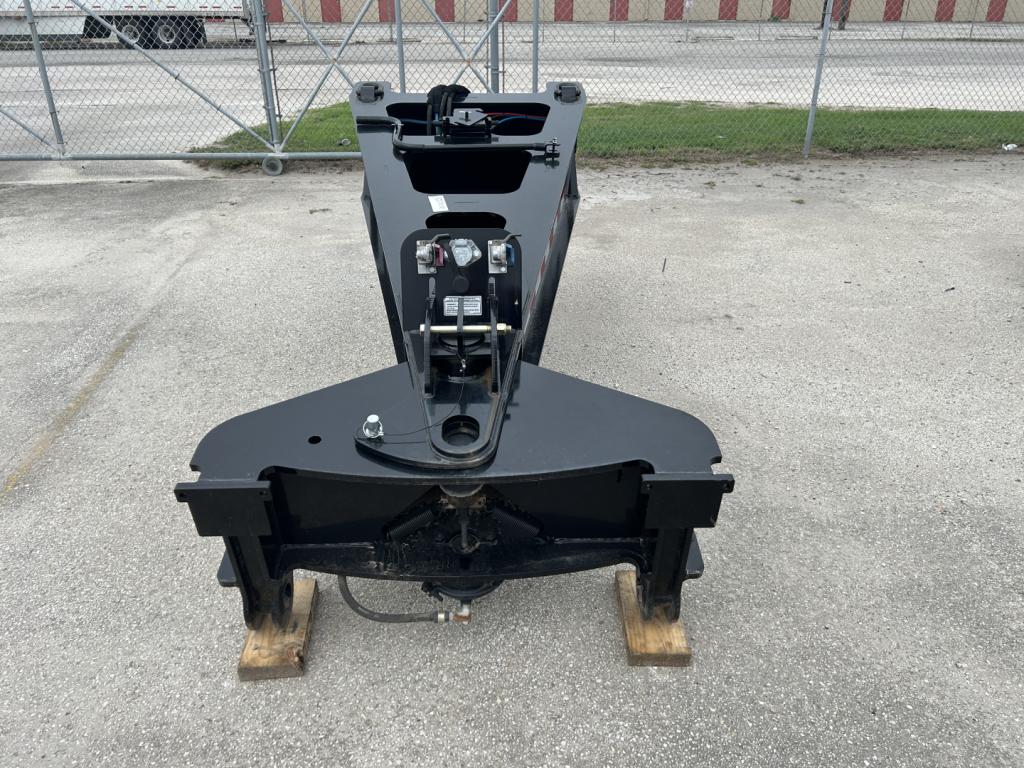
A buyer should start with compatibility. On units like flip axles and spreader bars, the critical details are trailer make compatibility, width, ton rating, axle capacity, connection style, and center-to-center axle spacing. Common specs in this segment include 8-foot 6-inch or 9-foot widths, 25,000-pound axle ratings, air ride suspension, drum brakes, 22.5-inch rubber, and electrical harnesses for lighting and backup systems. If the component is designed for one or two flip axles, or for a specific rear frame and pin setup, that needs to match the existing trailer exactly. Small differences in link style, shim arrangement, ride height, or spacing can affect fitment and legal loadability.
New 2027 specialty trailer components appeal to fleets that want current brake, lighting, and suspension equipment with no unknown wear in the running gear or attachment points. Features like sealed harnesses, aluminum wheels, D-rings, stake pockets, landing gear, and flag or strobe provisions matter because these pieces often work in oversize service where durability and visibility are part of daily operation. Buyers hauling construction iron, dozers, excavators, transformers, or other concentrated loads should pay close attention to how the added axle or spreader changes deck length behind the trailer, turning characteristics, and permit dimensions.
Kansas buyers also need to think beyond the attachment itself and look at the full combination. A spreader bar or flip axle is only valuable if it helps the trailer meet bridge formula targets, state permit conditions, and practical loading needs. Check loaded deck height, kingpin and rear group dimensions, suspension type, brake compatibility, and how quickly the unit can be installed or removed between jobs. In this category, the best purchase is usually the one that matches an existing heavy haul setup cleanly, reduces permit headaches, and adds usable capacity without complicating maintenance or transport logistics.
Frequently Asked Questions about New 2027 Other Trailers in Kansas
What is included in the “other trailers” category for heavy haul equipment?
This category usually includes specialized trailer components and attachments rather than complete over-the-road trailer types. Common examples are flip axles, spreader bars, booster-related pieces, and other heavy haul accessories designed to work with lowboys, detachable goosenecks, and multi-axle trailer combinations. These products are used to increase legal payload flexibility, improve axle distribution, and help configure a trailer for specific load and permit requirements.
How do I know if a flip axle or spreader bar will fit my trailer?
Fitment depends on the original trailer design, not just the ton rating. Buyers need to confirm manufacturer compatibility, frame width, connection hardware, top link arrangement, axle spacing, ride height, brake and electrical hookups, and any required shims or pins. Matching the exact connection style is critical because a unit that is close on paper may still create alignment, clearance, or legal loading issues in the field.
Why does axle spacing matter on specialized trailer attachments?
Axle spacing directly affects bridge compliance, weight distribution, and permit routing. A spreader bar or flip axle changes the distance between axle groups, which can help carry more weight legally or satisfy state-specific heavy haul rules. It also changes how the trailer tracks, turns, and transfers weight, so spacing should be chosen based on the loads hauled and the jurisdictions where the equipment will operate.
Are new specialty trailer components worth the premium over used ones?
New units can make sense when uptime, compatibility, and inspection readiness are priorities. Buyers get unworn connection points, current lighting and wiring, fresh suspension and brake components, and known maintenance history from day one. That matters on heavy haul combinations where attachment wear, pin slop, or electrical issues can create expensive downtime or limit the trailer’s legal working configuration.
What specs should I focus on first when comparing new other trailers in this category?
Start with ton rating, width, axle rating, axle spacing, suspension type, brake setup, tire size, and connection style. After that, review practical operating details such as landing gear, harness design, light package, stake pockets, D-rings, and visibility equipment. The most important question is not simply how heavy the attachment is rated for, but how well it integrates with the trailer and the loads the operation runs every week.